
Giant chicken coop
Giant Chicken Coop – how a big, safe home turns a scattered flock into calm, steady egg layers, from someone who has shoveled more coop than most folks have walked on.
I’ve raised laying hens for decades on our U.S. farm, and I can tell you this: a roomy coop is the cheapest peace of mind you’ll ever buy.
When folks ask me why their hens poke each other, quit laying, or scream like tiny feathered banshees at dusk, I usually ask just one question: “How tight is that coop?” A giant chicken coop is more than a big shed with a few roosts. It is the heart of your flock’s health, egg basket, and sanity. Yours and theirs.
I started with a tiny hand‑me‑down coop that looked cute in pictures and miserable in real life. Hens were crowded, the air was heavy, and every winter felt like we were stuffing ten pounds of chicken into a five‑pound sack. The day I moved them into a big, well‑planned coop, the whole flock went quiet… in a good way. Within a week, egg production jumped, and the pecking almost disappeared.
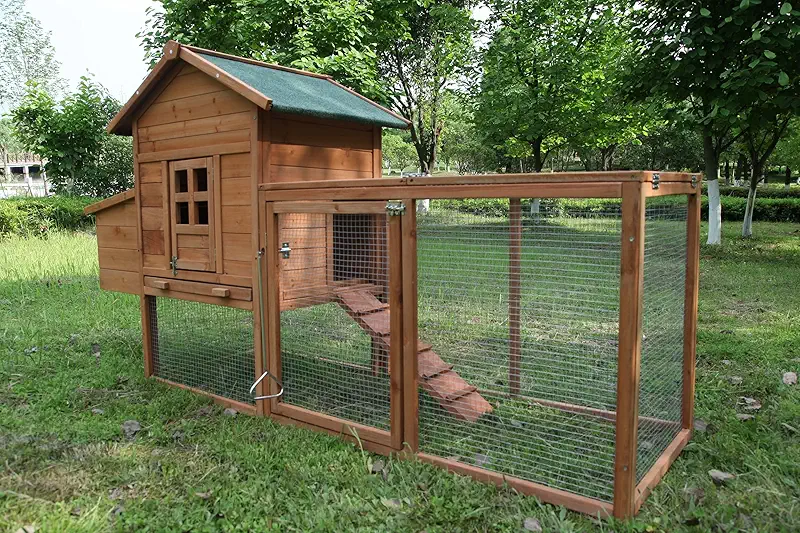
Why a giant chicken coop changes everything for laying hens
Chickens are simple, but they’re not stupid. Give them space, dry bedding, steady feed, and a safe roost, and they’ll pay you back in eggs all year. Cram them in a cramped coop, and they’ll pay you back in noise, broken feathers, and bare backs. A proper giant chicken coop keeps the peace because it respects what a hen is built to do: scratch, perch, lay, and rest.
On our farm, the old rule of thumb was 4 square feet per bird inside the coop and 10 square feet in the run. With heavy layers and cold winters, I’ve found they do even better with more. My bigger coops run closer to 6–8 square feet per hen inside. When birds aren’t shoulder‑to‑shoulder, they move in slow, easy patterns instead of bumping into each other like teenagers at a cheap concert.
If you’ve ever opened a small coop on a damp morning and felt that warm ammonia hit your nose, you know that smell isn’t free. It costs you in respiratory issues, dirty eggs, and a flock that never quite thrives. A larger coop gives that moisture somewhere to go and gives you room to manage bedding properly.
Count your birds, then plan for at least 30–40% more space than you think you need. Chickens have a way of multiplying when you find a good breed you like. I call it “accidental chicken math.”
How big should a giant chicken coop really be?
“Giant” means different things on different farms. For a backyard keeper with half a dozen hens, a giant chicken coop might be anything where you can walk in, stand up straight, and still have room to swing a rake. For someone running a couple of dozen layers, “giant” starts to mean human‑sized doors, multiple access points, and enough walkway that you’re not stepping in droppings every time you collect eggs.
For my flocks, this is the sizing that has aged well:
- Up to 8 hens: 40–60 square feet of indoor coop space.
- 8–15 hens: 70–120 square feet.
- 15–25 hens: 130–200 square feet.
- 25+ hens: design as a walk‑in shed or small barn, and resist the urge to cut it too close.
Remember, square footage isn’t just about the birds. It’s also about you. Big doors, clear walking paths, and room to turn around while carrying a feeder make chores faster. The easier the coop is to work in, the more likely you are to keep it clean and dry. Lazy design turns good farmers into sloppy ones.
Common sizing mistake I learned the hard way
My first “big” coop felt roomy when it was empty. I added roost bars, nest boxes, feeders, and waterers, and suddenly that big open space shrank fast. I once tried to squeeze past a hanging feeder in winter, caught my boot, and dumped layer pellets everywhere. The birds loved it. I did not.
Now, when I look at a giant chicken coop, I picture all the hardware inside first and make sure there’s still a clear, easy path for both birds and boots.
What a good giant chicken coop should have inside
A giant chicken coop doesn’t help much if the inside is laid out like a cluttered closet. Think of the coop as a barn for tiny, opinionated cows with wings. They need order. Here’s how I set mine:
1. Roosts they actually like
Chickens want to sleep off the ground. Wide wooden roosts about 2–4 inches across let them cover their toes with their feathers on cold nights. I keep the lowest roost at least 18 inches above the floor and the highest no more than about 3 feet, especially for heavier birds that injure legs when they jump down.
In a giant chicken coop, you’ve got room to stagger roosts. I place them like a short staircase so nobody gets pooped on from above. Hens care about that more than we give them credit for.
2. Nest boxes where hens feel safe
Darker, quieter corners are your friends. I use one nest box for every 3–4 hens, mounted lower than the roosts so they don’t sleep in them. In a large coop, I’ll sometimes put two banks of nests: one closer to the human door for easy egg collection and one more tucked away for shy hens that like privacy.
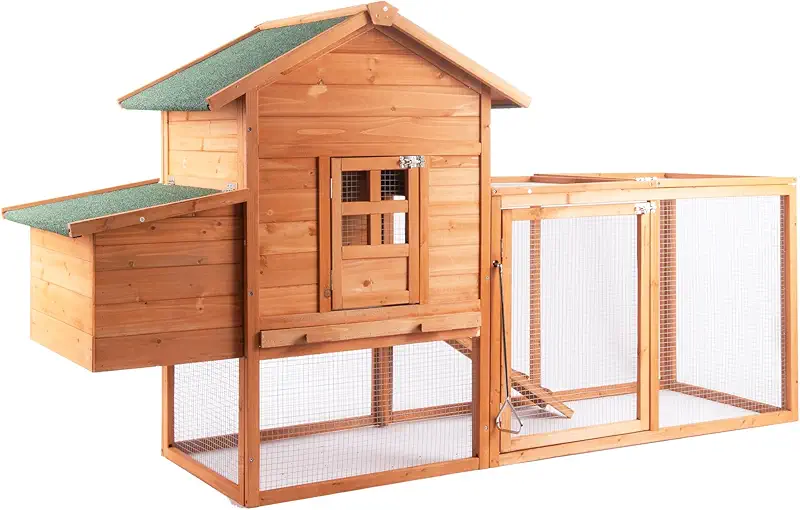
3. Ventilation that doesn’t feel like a storm
Fresh air is a quiet worker. You don’t notice it when it’s there, but you sure notice when it’s not. In my bigger coops, I run vent openings high under the eaves on at least two sides. That lets the moist, warm air rise and leave without blasting the birds with cold drafts at roost height.
In summer, I’ll add screened windows or big swing‑open panels along the sides. The extra space in a giant chicken coop means you can keep airflow strong while still giving birds pockets where the wind isn’t hitting them head‑on.
4. Feed, water, and human paths
I like feeders where I can refill from the aisle and waterers along a wall, just off the heavy traffic path. In a big coop, you can run more than one feeding and watering station so shy or lower‑rank hens don’t get bullied away at rush hour. I’ve seen egg numbers rise just from adding a second feeder in winter.
Stand in the empty coop and pretend you’re a hen: where would you sleep, eat, drink, and hide from the bossy bird? If you can picture those spots clearly, you’re on the right track.
Using a giant chicken coop for healthier, steadier egg production
Most people think about coops as winter shelters or predator protection. That’s important, but for laying hens, the coop is also an egg factory with a feathered workforce. Over the years, my best egg months weren’t the warmest or the prettiest; they were the months when the coop was calm and boring.
A giant chicken coop gives you room to build that calm. Birds can spread out, pick their favorite roost, and find a quiet nest box. Less shoving at the door in the morning means less stress and more energy going into eggs instead of daily chicken drama.


How a bigger coop saved my winter layers
One rough winter, I packed too many hens into a smaller building while I finished a larger coop. Within a few weeks, the dominant birds had the prime spots on the roost, and the young pullets were stuck on the ends getting chilled. Eggs dropped, combs got pale, and tempers ran hot.
As soon as I moved them into the larger coop with multiple perches and more room between groups, the pullets finally roosted out of the draft, and egg numbers climbed back up. Same birds, same feed, same weather. The only difference was the space and the layout of that giant chicken coop.
If you’re planning on keeping good egg numbers through cold or hot months, start with the building. A strong flock is built under a good roof.
Predator‑proofing a giant chicken coop without turning it into a fortress
Out here, we’ve got coyotes, raccoons, foxes, hawks, the neighbor’s dog, and one very sneaky weasel that still owes me a dozen hens. A giant chicken coop is easier to protect because you can build in strong doors, solid walls, and raised floors without feeling cramped.
My basic predator checklist
- Solid floor or perimeter: either a raised wooden floor or wire/stone apron around the base so critters can’t dig under easily.
- Hardware cloth, not chicken wire: chicken wire keeps birds in, but it doesn’t always keep determined predators out. I use hardware cloth over vents and lower windows.
- Real doors and latches: raccoons are little burglars with thumbs. Every human and chicken door on my big coops has sturdy latches that can’t be flipped with nimble paws.
- Good night routine: I walk the coop at dark, listen for odd noises, and make sure everybody’s in. Takes five minutes, saves a lot of heartbreak.

The nice thing about a bigger coop is that you can design one or two sturdy entrances for birds and humans instead of a bunch of flimsy holes. I’d rather have one serious chicken door I trust than three weak ones that keep me up at night.
Walk around your coop at dusk with a flashlight and ask yourself, “If I were a hungry raccoon, where would I try first?” Anywhere you point that light is where you need more wood, more wire, or a better latch.
Cleaning and managing a giant chicken coop without breaking your back
A lot of people worry that a giant chicken coop will be harder to clean. In my experience, if you build it right, the opposite is true. Big doors, straight walls, and room for a wheelbarrow or muck cart can turn coop cleaning from a chore into a short workout with a nice smell at the end.
How I manage bedding in a large coop
I usually use a deep bedding method through the cold months. I start with a thick base of dry shavings or chopped straw and add fresh material on top when it starts to mat. In a big coop, the bedding breaks down more evenly because the birds can spread out and work more of the floor, not just the tight corners.
A couple of times a year, I open both doors on a dry day, shovel everything straight into a cart, and wheel it to the compost or garden. Plenty of room to move means fewer smashed toes and less cussing at stuck wheelbarrows.
Light and access
I like clear panels or windows high up on one side so I’m not working in the dark. The hens appreciate the daylight too. Just make sure any low windows in a giant chicken coop are either covered with hardware cloth or have shutters you can close at night.

The bottom line is this: if you dread going in your coop, it’s not just a comfort issue; it’s a maintenance issue. A well‑sized, walk‑in giant chicken coop makes you more likely to keep things dry, clean, and healthy. And that shows up in the egg basket.
Choosing a giant chicken coop that fits your farm and your life
There’s no one perfect design. My neighbor runs a flexy hoop‑style building with plenty of open sides for hot summers. I prefer a more solid barn‑style setup because our winters bite a little harder. We both get good eggs because the coops we picked fit our land, weather, and routine.
When you look at any giant chicken coop, picture your daily rhythm:
- How far is it from the house on a February morning?
- Can you open and close it with gloves on?
- Is there enough headroom so you’re not ducking under everything?
- Can you get a cart or bucket in there without wrestling it?
- Is there room to add future birds when “just six hens” turns into fifteen?
If the answers feel easy and comfortable, you’re on the right track. A coop that looks pretty in a picture but fights you every time you use it will wear you down. A simple, roomy, honest building will quietly make every morning smoother.

Chickens don’t read blueprints, but they will tell you if a coop is right. Quiet evenings, steady eggs, and birds that don’t rush the door every time you open it are all signs your giant chicken coop is doing its job.
FAQ about giant chicken coops and laying hens
It depends on the actual size, but I like at least 6–8 square feet of indoor coop space per hen when I can manage it, especially for heavier laying breeds. So, if your giant chicken coop is around 120 square feet, I’d be comfortable with 15–18 birds, not the 25 or 30 some folks try to cram in. Give them elbow room and they’ll thank you in eggs.
Space alone doesn’t magically create eggs, but it removes a lot of the reasons hens quit laying: stress, pecking, poor air, wet bedding. When I moved birds from a tight coop into a larger, better‑ventilated one, I almost always saw egg numbers improve. A giant chicken coop lets you run good nest boxes, steady airflow, and quiet roosts, and that adds up to more reliable laying.
Yes, as long as the coop is dry, out of the wind, and not drafty at roost height. Chickens wear down coats year‑round. In my bigger coops, I use deep bedding, block any low drafts, and keep ventilation up high. I’ve ridden out some bitter nights that way without heat lamps, and the birds did just fine. I’d rather have a slightly cooler, drier giant chicken coop than a small, damp, stuffy one.
Not if it’s built right. With walk‑in doors, straight aisles, and room for a shovel or cart, I can clean a big coop faster than I ever cleaned my first cramped one. I’m not crawling, bumping into feeders, or trying to drag a full bucket sideways through a tiny door. The extra space is your friend when it’s time to rake and haul.
For a handful of birds on lush grass, mobile setups can work great. But once you’re into “giant chicken coop” territory with a decent‑sized laying flock, I lean toward a solid, permanent building with a well‑fenced run. It stands up better to weather, lets you wire in lights and water, and feels more like a little barn than a toy. On my farm, the big fixed coops have proven themselves season after season.
If you’re ready to give your hens the kind of space that keeps them calm, healthy, and laying strong, take a quiet minute and look through some roomy setups that match what we’ve talked about here.
Show me big coops