
Green chicken coop
I’ve been raising hens out here in the States for more years than I care to count. Let me walk you through what I’ve learned about building and choosing a green chicken coop that keeps birds safe, happy, and laying you breakfast every morning.
When folks hear “green chicken coop,” some think of paint color, others think about eco‑friendly design. Out on my farm, it means both: a coop that blends into the pasture, stays cool in the summer, warm in the winter, and doesn’t fall apart the first time a storm rolls through.
I’ve built coops out of scrap wood, bought fancy ones online, and patched more broken latches than I can remember. Some worked, some were a headache, and a couple blew halfway across the yard in a good Midwest gust. The hens remember those days. So do I.
Here I’ll share what I wish someone had told me before I spent money and weekends on trial and error. You’ll see why a solid green chicken coop makes everyday chores easier, keeps eggs cleaner, and saves you from chasing hens at dusk like a fool with a flashlight. Ask me how I know.
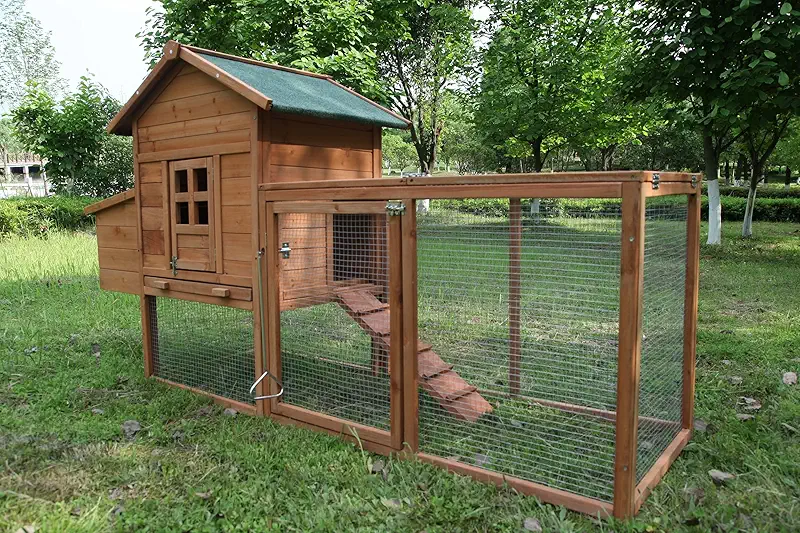
What makes a green chicken coop truly “green”
Let’s clear something up first. A green chicken coop isn’t just a cute coop painted green, though that can help it blend into your yard. Green, to me, means three things: kind to your hens, kind to your land, and kind to your wallet over the long haul.
1. Kind to your hens
Your hens don’t care how pretty your coop looks on a website. They care about:
- Dry bedding under their feet
- Fresh air without nasty drafts
- Enough room to stretch, scratch, and nap in peace
- Good roosts that don’t hurt their feet
- Safe nesting spots where they feel hidden and calm
A green chicken coop puts their comfort first. Happy hens lay better, live longer, and stay out of trouble. Grumpy hens? They peck each other, break eggs, and plot their escape under the fence when you’re not looking.
2. Kind to your land
I’ve seen coops turn a corner of a yard into a muddy, smelly mess. Neighbors don’t love that, and frankly, neither do I. A better setup spreads manure, lets grass recover, and doesn’t leach into every rain puddle on the property.
A good green coop:
- Lets you rotate birds onto fresh ground or manage deep litter properly
- Uses materials that can handle weather without rotting in a year
- Gives good drainage so your hens aren’t ankle-deep in muck
3. Kind to your wallet over time
I’ve saved money by being cheap, and I’ve lost money the same way. A flimsy coop might look like a bargain, till you’re replacing latches, patching holes, and hunting for missing birds after a raccoon party at 2 a.m.
A sturdy green chicken coop:
- Stands up to wind, rain, and snow
- Has decent hardware & locks that don’t bend easy
- Makes cleaning fast so chores don’t eat your weekends
Thinking about your first coop?
Take a slow look at a few solid green chicken coop options before you start building or dragging pallets around. One good choice now can save years of cussing later.
Let me browse calmlyKey features I look for in a green chicken coop
I judge a coop the way I judge a pickup truck: not by the shine, but by how it works when the weather turns ugly and the day runs long. Here’s my checklist when I look over any green chicken coop.
Solid frame and predator-proof wire
First thing I check is the bones of the coop. I press on the corners, tug on the walls, and give the wire a good shake. If it rattles like a tin toy, I move on.
You want:
- A frame that doesn’t wobble when you lean on it
- Hardware cloth or strong wire, not flimsy chicken wire alone
- Wire buried or skirted at the base to slow down diggers
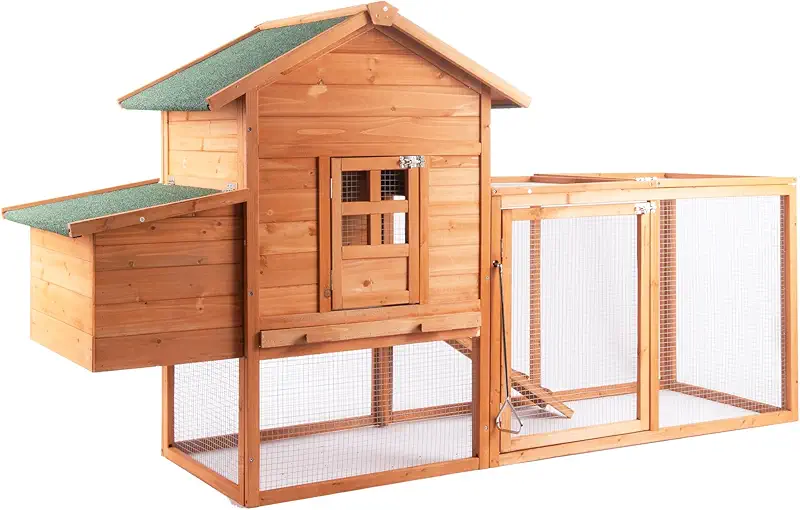

Sturdy frames and tight wire matter more than fancy trim. The raccoons couldn’t care less about your paint job.
Ventilation without drafts
Out here, summers get hot enough to fry your patience, and winters can freeze your mustache. Chickens handle cold better than heat, but damp, still air is the real enemy. A green chicken coop needs smart ventilation.
Look for:
- Vents high up under the roof eaves
- Windows or openings that can be closed or screened
- Airflow above the roosts, not blasting right across them
Easy-access doors for humans
I’ve crawled into tiny coops on my knees trying to grab a sick hen. That gets old mighty fast, and it’s hard on the back. Make sure you can comfortably:
- Open a big door to clean the floor
- Reach all the corners, roosts, and nests
- Step in without ducking like you’re going into a cave
A few extra inches of headroom in the design can feel like a mile at the end of a long day.
Nest boxes in the right spot
Hens like a quiet, dim place to lay. If the nest boxes are bright and busy, they’ll pick weird corners and you’ll end up egg hunting, not egg collecting.
In a good green chicken coop, I like to see:
- Nest boxes a little lower than the roosts
- A simple lip to keep bedding and eggs from rolling out
- Outside access for collecting eggs without stepping in manure


Side access nest boxes and smart vents save you steps every single day.
My day-to-day with a green chicken coop
Let me walk you through a normal day on my place, so you can picture how a good coop either helps you or slows you down.
Morning chores
I head out with my coffee in one hand and a scoop of feed in the other. In winter, I’m wearing enough layers to look like an overstuffed scarecrow. First stop is the green chicken coop.
I unlock the people door, check that everyone made it through the night, and open the pop door to the run. A decent run, with a roof or solid cover, means I can let them out even if it’s raining without turning the whole place into soup.
A good coop makes this quick: open, glance, top off feeders, change water, close things up. Ten minutes, give or take. A bad coop? You’re fighting frozen latches, climbing over low doors, and cussing at spilled waterers before the sun is up.
Egg collection
Late morning or early afternoon, I swing by with a basket. On my better coops, I barely have to step inside. I flip open the exterior nest box lid, and there the eggs sit, lined up like little brown and blue jewels.
On the older coop I built in a hurry, I had to duck through a short doorway, squeeze around the feeder, and shoo hens off the nests while balancing the basket. Learned that lesson. Now I pick designs that respect my knees and my patience.
Evening lockdown
At dusk, I do a head count. A green chicken coop with a decent window and a clear layout makes this simple. I can see all the roosts from one angle. If a hen is missing, I know before dark really settles.
Years back, with a cramped, dark coop, I missed a pullet one night. Found her the next morning, shaken, with a few tail feathers missing, hiding in a hay bale. After that, I made sure my coops didn’t have weird dead corners where birds could hide from my eyes, but not from the nighttime visitors.


Coops that are easy to see into and walk around make morning and evening chores simple, even when you’re tired.
Tips for raising strong egg layers in your green chicken coop
A solid coop is half the battle. The other half is how you manage your birds. Over the years, these simple habits have kept eggs coming steady, even when the weather tries to argue.
Give every hen her space
Crowded hens get cranky. Cranky hens pick on the smaller ones, and those don’t lay well. Aim for at least 3–4 square feet per bird inside the coop, and 8–10 square feet per bird in the run if they’re confined.
I’ve noticed that when I add “just a few more” hens, the pecking order gets rough, and egg production dips. The coop might still “fit” them on paper, but the birds tell the truth with their behavior.
Keep feed and water steady
Chickens hate sudden changes. If they run out of feed or water often, they slow down laying. A good green chicken coop has room for:
- A feeder big enough that birds aren’t fighting over it
- Water that stays clean and doesn’t get kicked full of bedding
- Feed and water in spots where you can reach them without gymnastics
I like to hang feeders just at back-height for the birds and keep water in a slightly shaded spot in the run. Keeps things cleaner and cooler.
Light and laying
Hens lay best with about 14–16 hours of light. Out here, winter days get short, and egg baskets get lighter if I don’t help them a bit. In a green chicken coop, I run a small, safe light on a timer in the early mornings during the darkest months.
I don’t blast them with light all night, just enough to stretch dawn a little. Consistent routines keep their bodies from yo‑yoing back and forth.
Clean coops, healthy feet
A coop doesn’t have to be spotless, but it shouldn’t smell like a swamp. Ammonia from wet droppings is hard on lungs—yours and the hens’. I like a deep bedding system when space allows:
- Start with a dry, absorbent base like pine shavings.
- Stir it weekly, adding a little fresh bedding as needed.
- Clean out deeply a few times a year, and use the composted mix in the garden.
Done right, it barely smells and turns chicken mess into garden gold. Chickens pay you in eggs, and their coop pays you in compost. Fair trade if you ask me.
Want chores to feel easier?
Look for a green chicken coop layout that gives you room to feed, clean, and check on birds without bending double. Your back will thank you every season.
I want that easeCommon mistakes I see with new green chicken coops
I’ve helped neighbors set up their first flocks, and I’ve watched most of them repeat the same handful of mistakes. You can skip those chapters in your story.
Too small and too cute
Those tiny, picture‑perfect coops with fancy trim and tiny runs might look nice behind a flowerbed, but they’re often barely big enough for a trio of bantams, let alone a real flock. Birds end up cramped, dirty, and stressed.
If you think you’ll want 4 hens, plan for 6 or 8. Chicken math is real—one day you “just” add a couple more, and suddenly that little coop is bursting at the seams.
Weak latches and soft wire
Raccoons have nimble fingers and plenty of determination. I’ve seen them open simple slide bolts and reach through big wire gaps. A green chicken coop should assume the predators are smarter than they look.
Spend a bit more attention on:
- Locking latches that can’t be flipped easily
- Small wire openings, especially near roosts
- Solid doors on both the coop and nest boxes
Ignoring drainage and wind
Coops sunk in low spots stay wet. Coops in open, unprotected fields can get hammered by wind. Try to place a green chicken coop on slightly higher ground with decent windbreaks like trees, sheds, or fences.
On my place, I turned one coop ninety degrees after the first winter. The north wind had been blowing straight into the pop door, and I was forever blocking drafts with boards and straw bales. A smarter angle made every storm easier.
FAQ about green chicken coops
Choosing your next green chicken coop
If you’ve read this far, you’re already ahead of half the folks who wake up one morning and decide to “get a few chickens” with no plan. You know now that a green chicken coop isn’t just about the color or the picture on the box. It’s about safety, comfort, and living with your birds day in and day out.
When you look at different coops, imagine your daily routine in them. Picture yourself:
- Carrying a bucket of water through the door
- Reaching into the nest boxes with cold fingers
- Checking on a hen after dark with a headlamp
- Shoveling out bedding on a muddy spring day
If a coop makes those moments easier, it’s probably the right kind of green for you and your birds.
Ready to see what’s out there?
Take a quiet moment, look through different green chicken coop styles, and pick the one that fits your land, your back, and your birds. Build it once, enjoy it for years.
Show me more coopsExplore all chicken coops
Every farm and backyard is a little different. Maybe you need a compact coop tucked near the garden, or maybe you want a long, low setup for a bigger flock roaming a pasture edge. Either way, there’s no sense forcing birds and chores into a shape that doesn’t fit your life.
Take your time, look over several green chicken coop designs, and trust your gut. If it looks flimsy, it probably is. If you can picture yourself walking out there for years, coffee in hand, listening to contented clucks and gathering clean eggs, you’re close to the right choice.
See every coop now