
When folks ask me what changed my chicken keeping the most, I don’t say fancy feed, rare breeds, or shiny gadgets. I say this: switching to a hardwire chicken coop with real hardware cloth on every hole big enough for a claw, nose, or tooth. Once I did that, the late‑night panic runs with a flashlight pretty much stopped.
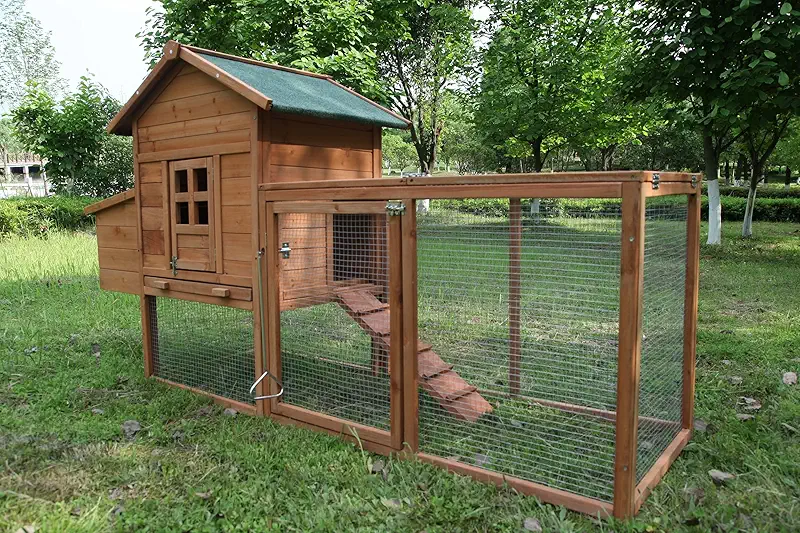
I still remember one fall evening, years back, when I thought old rusty chicken wire would do the job. Raccoons thought otherwise. They tested that wire like it was a buffet door. By morning, I was short two hens and long on regret. That’s the morning I made up my mind: from then on, it would be hardware cloth or nothing.
What Makes a Hardwire Chicken Coop Different?
A lot of new chicken keepers mix up chicken wire and hardware cloth. I did too in the beginning. Let me clear that up real simple.
- Chicken wire is thin, hexagon‑shaped, and honestly made more to keep chickens in.
- Hardware cloth is strong, welded wire mesh, made to keep predators out.
A true hardwire chicken coop uses hardware cloth on:
- Every window and vent
- The run sides
- Along the base where digging happens
- Any opening bigger than your little finger
Think of it this way: chicken wire is a polite suggestion to predators. Hardware cloth is a firm “no.”
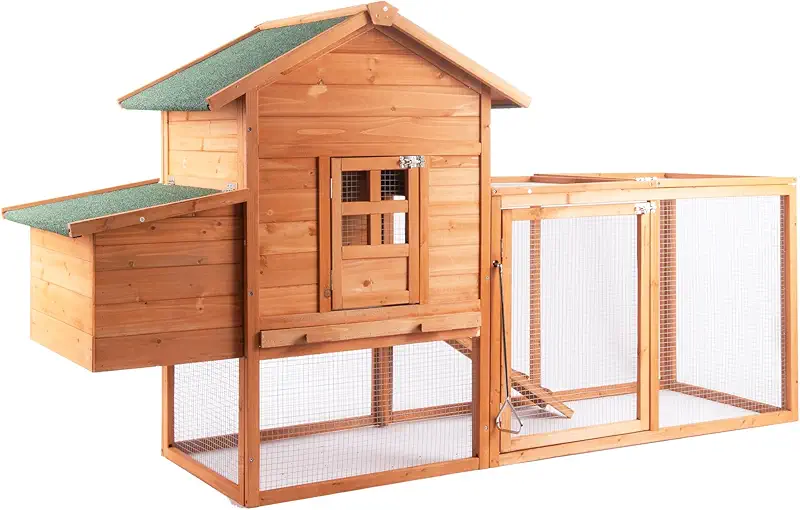
Why Hardware Cloth Matters for Laying Hens
I keep hens for eggs first and company second. And a hen won’t lay well if she feels hunted all the time. Even if the fox never gets in, if he’s circling that coop at night and the birds hear him, laying drops, tempers flare, and suddenly you’ve got stressed hens picking at each other.
A well‑built hardwire chicken coop does three big things for layers:
- Safety – It keeps raccoons, foxes, coyotes, stray dogs, and even weasels on the outside looking in.
- Calm – Hens rest easier when they’re not on edge. Calmer hens lay better and stay friendlier.
- Health – Good ventilation with hardware cloth windows keeps air fresh without turning the coop into a buffet for predators.
Picking the Right Hardware Cloth for Your Coop
Not all hardware cloth is the same. I learned that after buying the cheap roll that rusted before the second winter. Here’s what I look for now whenever I’m checking out a hardwire chicken coop or supplies.
Mesh size
For a layer flock, I stick with 1/2‑inch hardware cloth. It’s the sweet spot:
- Small enough to stop raccoon fingers and weasel snouts
- Open enough for good airflow
- Strong and stiff, so it doesn’t sag like cheap fencing
Wire thickness (gauge)
I like 19 gauge or thicker. Thinner wire bends too easy. If I can press the mesh with my thumb and deform it without a fight, I don’t want it on my coop.
Coating and rust resistance
Galvanized after welding holds up better for me in our wet springs. I’ve got sections out there that have seen more storms than some of my neighbors, and they’re still solid.

Key Parts of a Hardwire Chicken Coop
When I walk around a coop to judge if it’s worth trusting with my flock, I always check the same spots. You can use the same checklist, whether you’re building from scratch or looking at ready‑made setups.
1. Windows and vents
Every window and vent should be covered in hardware cloth, fastened with screws and washers or heavy staples. No loose corners, no gaps. I don’t care how cute the trim is if a raccoon can peel a corner back like a can of beans.
2. The run
The run is where your hens spend most of their day, scratching, dust bathing, and gossiping about you. I like a run that’s:
- Fully framed with lumber or steel
- Wrapped on all sides in hardware cloth, not chicken wire
- Braced in the corners so the mesh can be pulled tight

3. The skirt or apron
Predators don’t just climb, they dig. A good hardwire chicken coop has what we call a wire skirt or apron around the base:
- Hardware cloth laid flat on the ground, 12–24 inches out from the walls
- Buried a couple of inches or covered with soil, rock, or pavers
- Firmly attached to the coop frame
Critters dig at the base, hit that wire, and usually give up. They’re persistent, but they’re not union labor.

4. Doors and latches
Don’t underestimate raccoons. I swear some of them have more patience than my kids ever did. For doors, I like:
- Sturdy frames that don’t warp
- Hardware cloth panels, not wood alone, for ventilation
- Two‑step latches or carabiners that require real fingers to open
If a latch is so simple a sleepy farmer can open it in the dark, a raccoon can too.
Setting Up a Hardwire Coop for Happy Layers
Predator proofing is only half of it. Your hens also need comfort if you want nice brown (or blue, or green) eggs in that basket every morning. Over the years I’ve settled on a simple formula that works for most flocks.

Space per hen
For egg layers, I aim for:
- 3–4 square feet per hen inside the coop
- 8–10 square feet per hen in the attached run
Packed hens don’t just fight more, they also draw more pests and get sick easier.
Roosts and nest boxes
Hens like to sleep up high and lay in quiet corners. In my hardwire chicken coop setups I use:
- Roost bars higher than the nest boxes, so they don’t sleep where they lay
- One nest box for every 3–4 hens
- Dry bedding like pine shavings or straw, changed often enough that it smells like a barn, not a swamp
Ventilation without drafts
Here’s where hardware cloth really shines. I put vents:
- High on the walls, above roost level
- Opposite sides, so warm moist air can escape
- All covered with hardware cloth and framed in tight
My rule of thumb: I should smell clean bedding when I step in, not ammonia. If I do smell ammonia, I add more ventilation or clean more often, or both.

Predators I’ve Kept Out with Hardwire Coops
Over the years, this farm has drawn just about every egg‑lover that walks, crawls, or flies. The list of critters my hardwire chicken coop has turned away is longer than the list of relatives who show up at Thanksgiving.
- Raccoons – Masters of opening simple latches and pulling at weak wire.
- Foxes – Fast, smart, and patient diggers.
- Coyotes – They test the fence line and look for that one lazy corner.
- Dogs – A bored neighbor’s dog can wipe out a flock in minutes.
- Weasels and mink – Small, mean, and built like a furry rope; they slip through tiny gaps.
With proper hardware cloth, tight fastening, and a good skirt, I’ve watched these predators circle, sniff, and finally wander off to bother somebody else’s sloppy coop instead.

Daily and Seasonal Care for a Hardwire Coop
A good coop doesn’t ask for much, but it does like a little attention. Here’s how I look after mine.
Daily habits
- Quick walk‑around in the morning – I glance at the wire, doors, and latches.
- Fresh water and feed – Clean water keeps layers laying.
- Egg collection – The more often you collect, the fewer “egg‑eaters” you train.
Weekly checks
- Look for rust spots or bent mesh.
- Check the base for digging marks or loose soil.
- Tighten any sagging sections of hardware cloth.
Seasonal tune‑ups
- Before winter: block direct drafts but keep high vents open.
- Before summer: add shade, check waterers, and maybe open more vent space.
- After big storms: walk the whole coop and run, hands on the wire, not just eyes.
Choosing a Hardwire Chicken Coop When You Don’t Want to Build
Not everyone wants to spend weekends with a saw and a box of screws, and that’s alright. These days there are ready‑made and kit coops that already use hardware cloth in smart ways. When I look over those, I ask myself:
- Is it real hardware cloth or just chicken wire painted pretty?
- Are the panels framed solid, or is the wire just stapled to thin wood?
- Is there a wire apron or at least a way to add one easily?
- Will this size still be enough if I add “just a couple more hens” (which you and I both know will happen)?
If a coop passes that test in my head, then I start thinking about how it’ll sit in my yard, how easy it’ll be to clean, and whether I can reach every corner without crawling like a raccoon myself.