
I’ve been raising laying hens long enough to have frozen waterers, frosty combs, and one dramatic hen who acted like 25°F was the end of the world. Over the years I’ve tried different ways to keep the coop warm: heat lamps (bad idea), panel heaters, deep litter, insulation, and even a few “what was I thinking” experiments. If you’re looking for a safe heater for chicken coop, I’ve probably made the mistake you’re about to make—and I’d like to save you from it.
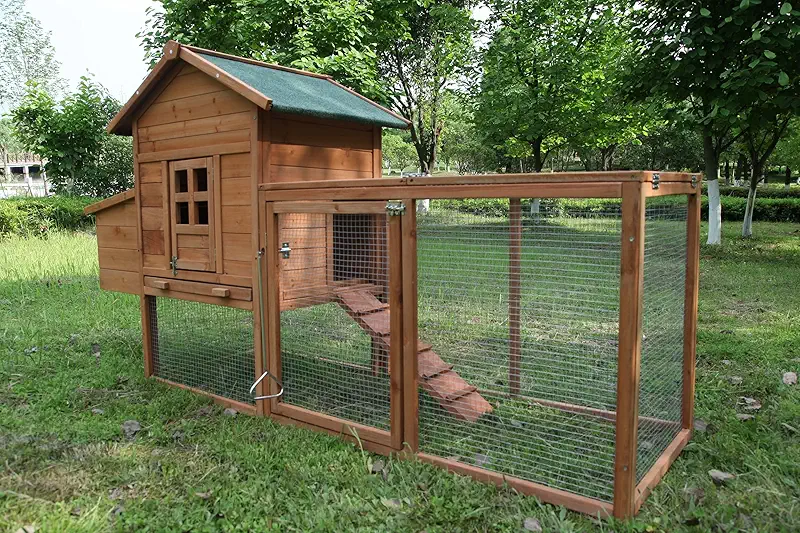
First thing to know: chickens are tougher than we are. I’ve seen my flock scratch around happy as could be while I was bundled up like an overstuffed scarecrow. But there’s a difference between “they can survive” and “they’re thriving and laying well.” A good heater in the coop isn’t about making it cozy for you; it’s about taking the bitter edge off the cold for them.
Do Chickens Really Need A Heater?
Most healthy adult hens can handle cold pretty well if they’re dry, out of the wind, and have good ventilation. I’ve had birds out in single digits Fahrenheit that were fine. Still, there are times when a heater for chicken coop makes sense and really helps:
- Very low temps: When it dips below 10°F for several nights in a row.
- Damp and drafty: Cold + damp + drafts is a bad combination.
- Older hens: Senior ladies and smaller breeds feel the cold faster.
- Heavy comb breeds: Big combs and wattles are more prone to frostbite.
- Chicks or young pullets: They need more warmth than adults.
The goal is not to turn your coop into a sauna. I aim to keep the inside of my coop just warm enough that the water doesn’t freeze solid and the birds aren’t shivering on the roost. Usually that means hovering somewhere in the 25–35°F range when it’s harsh outside.
Types Of Heater For Chicken Coop (And What I Actually Use)
Over time I’ve learned which heaters play nice with straw dust and flapping wings and which ones are an accident waiting to happen. Here’s a simple rundown.
| Heater Type | Pros | Cons | My Use |
|---|---|---|---|
| Flat panel heater | Low fire risk, gentle heat, wall-mountable | Doesn’t blast heat, placement matters | Main choice for adult hens |
| Radiant “plate” heater | Great for young birds, safe, low wattage | Small area of warmth, not for whole coop | Brooding pullets & near roosts |
| Ceramic heat bulb | No visible light at night, directional warmth | Needs very secure fixture, still hot surface | Occasional use in larger coops |
| Traditional heat lamp | Strong heat, cheap to buy | High fire risk, easy to misuse | I avoid them in coops |
| Oil-filled radiator | Stable, steady heat | Bulky, more power draw | Only in larger barn setups |
These days, my go-to heater for chicken coop is a flat panel style heater mounted on the wall near the roosts. It gives off a gentle, even warmth without glaring light. The birds can move closer if they want or stay farther away. It’s more like a warm rock on a cold day than a blast furnace.
Safety First: How I Keep My Coop From Catching Fire
Let me be blunt: the wrong heater in a dry, dusty coop can turn a peaceful evening into a visit from the fire department. I’ve seen what a dropped heat lamp can do in a barn. Once you’ve smelled singed straw, you get serious about safety real fast.

My Personal Safety Checklist
- Heater surface is not directly touching straw, shavings, or feathers.
- Mounted solidly to wall or stand, not hanging by a single clip.
- Extension cords are heavy-duty outdoor rated and as short as possible.
- Cord connections kept off the ground and away from frozen puddles.
- All plugs firmly seated in outlets—no half-in, half-out nonsense.
- Heater has tip-over protection or cannot be tipped by birds.
- At least 3 feet of clear space in front of any radiant heater.
- Nothing soft or flammable “stored for later” near the heater.
Every fall, before that first serious cold snap, I take ten minutes and test everything. I plug in the heater, make sure no weird smells or noises show up, and I give the cords a good look. That small habit pays off when January winds start howling.
Ideal Temperature Inside A Chicken Coop
Folks often ask me what temperature they should keep the coop at, like it’s a house thermostat. Chickens don’t need a steady 70°F the way we like it. A good heater for chicken coop isn’t trying to give them summer in January; it’s keeping the cold from biting too hard.
Here’s roughly what I aim for with my layers:
- Above freezing inside when it’s bitter outside is fantastic.
- Mid 20s inside when the outside is down around zero is still acceptable.
- Dry air and no drafts on the roost are more important than the exact number on the thermometer.
I have a cheap digital thermometer with a remote sensor hanging at bird level. I don’t obsess over it, but it tells me if my heater is doing its job or if the coop is losing heat through some surprise gap in the wall.

Ventilation: Warm, But Not Wet
The one mistake I made early on was closing up the coop too tight when I first added a heater. I thought I was “keeping them warm,” but what I really did was trap moisture from their breath and droppings. Next morning, the inside of the coop looked like someone had sprayed it with a frost hose.
Frost on the walls is a sure sign you need more airflow. With a heater for chicken coop, you still need ventilation—just placed high so the birds aren’t sitting in a draft.
- Vent high: Vents above roost level so warm, moist air can escape.
- Drafts low: Seal cracks at roost height and near the floor where wind blows in.
- Dry floor: Add fresh bedding regularly to soak up moisture.
Using A Heater For Chicken Coop To Support Egg Production
Winter egg numbers usually drop. Short days, cold temps, and older birds all add up. A heater won’t turn your hens into egg-laying machines, but it does help them keep more of their energy for laying instead of just surviving.

On my farm, when the coop is warmer and the birds aren’t burning every calorie keeping warm, I get steadier egg production. I still might get fewer eggs in January than in May, but I’m far from the “one lonely egg every other day” blues.
A few things that work together nicely with a safe heater:
- Extra protein and good quality feed during the coldest weeks.
- Fresh, unfrozen water 24/7. Warm water helps them drink more.
- A bit of supplemental light in the morning to extend day length gently.
I always say: warmth alone doesn’t make eggs, but it sure does help all the other pieces fall into place.
Where To Place A Heater In The Coop
Think like a chicken for a minute. Where do they spend their nights? On the roost. That’s the area you want to be gently warmed, not the nest boxes or the doorway.

- Mount flat panel or radiant heaters near, but not touching, the roosts.
- Keep at least a foot of space between birds and heater surface.
- Don’t point intense radiant heat directly at straw piles.
- Make sure birds can move away from the warmth if they wish.
- Keep cords run along walls, not across traffic paths.
One year I put a small radiant panel under part of the roost area. Birds that liked it sat over that section, others stayed at the cooler end. They sorted themselves out better than I could have arranged them.
Backup Plan For Power Outages
Out where I am, winter storms knock the power out now and then. If your whole winter plan depends on a heater for chicken coop, you need a “plan B” for when the lights go off and the heater goes cold.
Here’s what has helped my flock ride out those nights:
- Extra deep bedding for insulation from the floor.
- Well-sealed coop with good, but not drafty, ventilation.
- Higher energy feed and cracked corn offered late afternoon.
- Windbreaks outside the coop, like stacked bales or fencing.

If the forecast looks rough, I’ll also do one last check that everyone is roosting up, not sleeping on the floor where it’s colder and damper. The heater is a tool, but good coop design and management carry you through the bad nights.
How To Choose A Heater For Your Coop
When I look at options for a heater for chicken coop, I keep it simple and ask myself three questions:
- Is it safe? Cool outer surfaces, stable mounting, decent cord, built-in protections.
- Is it sensible? Reasonable power use, right size for my coop, not overkill.
- Is it simple? Easy to mount, easy to clean around, nothing fussy to babysit.
If it checks those three boxes, I’ll try it. If not, I keep looking. A fancy heater that complicates your life or worries you at night isn’t worth it, no matter how shiny the product photos look.
