
How much is a chicken coop
How Much is a Chicken Coop: What I Really Spend on My Hens’ Home
I’m a U.S. farmer who’s built, bought, and “fixed after it fell apart” more coops than I care to admit. Let’s talk real numbers, real stories, and how to keep your birds happy without your wallet crying.
When folks ask me, “How much is a chicken coop?” they usually expect a quick number. Truth is, it’s a bit like asking, “How much is a truck?” It depends what you’re hauling, how long you want it to last, and whether you’re okay turning a wrench once in a while. I’ll walk you through what I’ve learned the hard way, so you don’t have to repeat my most expensive mistakes.
Let me see options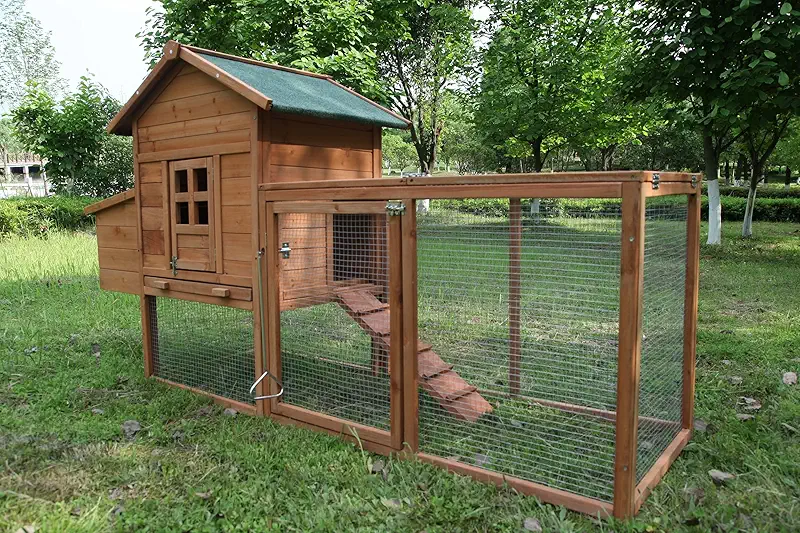
What People Really Mean When They Ask “How Much is a Chicken Coop?”
When someone corners me at the feed store and asks how much a chicken coop costs, they’re not just asking about boards and screws. They’re really asking:
- How much to get started without getting ripped off?
- How much to keep my hens safe from raccoons, foxes, and that neighbor’s dog that “never leaves the yard”?
- How much to get something that doesn’t fall apart after the first winter?
- How much to avoid spending my weekends fixing doors and chasing escaped chickens?
So when we talk about how much a chicken coop costs, we’re going to look beyond the price tag. I’ll break down the ranges I see, what usually goes wrong at each price, and what’s worth paying a few extra dollars for.
Common Chicken Coop Price Ranges (From Tiny Flock to Serious Setup)
Here’s how I usually explain the price ranges when someone is just starting out and wants real numbers, not sales talk.
| Coop Type | Flock Size | Typical Cost | My Plain-English Notes |
|---|---|---|---|
| Small prefab coop | 2–4 hens | $150–$300 | Okay starter, watch for thin wood and weak latches. |
| Mid-size prefab coop | 4–8 hens | $300–$700 | Sweet spot for many backyard keepers if built solid. |
| Large walk-in coop | 8–15 hens | $700–$1,500+ | Comfortable for both birds and human chores. |
| DIY basic coop | 4–8 hens | $150–$500 | Money saver if you’ve got tools, time, and patience. |
| Premium / heavy-duty | 6–15 hens | $1,000+ | Built to last, easier to clean, fewer headaches. |
Those numbers are for the coop and attached run. They don’t include feed, bedding, or the dozen little things you discover you “absolutely need” the first week, like a better waterer or a second feeder.
The Biggest Thing That Changes the Price: Flock Size
The question “How much is a chicken coop?” really starts with “How many hens are you planning to keep?” Chickens may be small, but they like their elbow room — or wing room, I guess.
As a rule of thumb that has served me well:
- Inside the coop: 3–4 square feet per hen.
- In the run: 8–10 square feet per hen, bare minimum.
- Roost space: About 8–10 inches of perch per bird.
When you see those cute little “2–4 chicken coops” online, sometimes they’re counting two birds and optimism. I’d rather you size for what your hens actually need, not what a marketing photo shows.
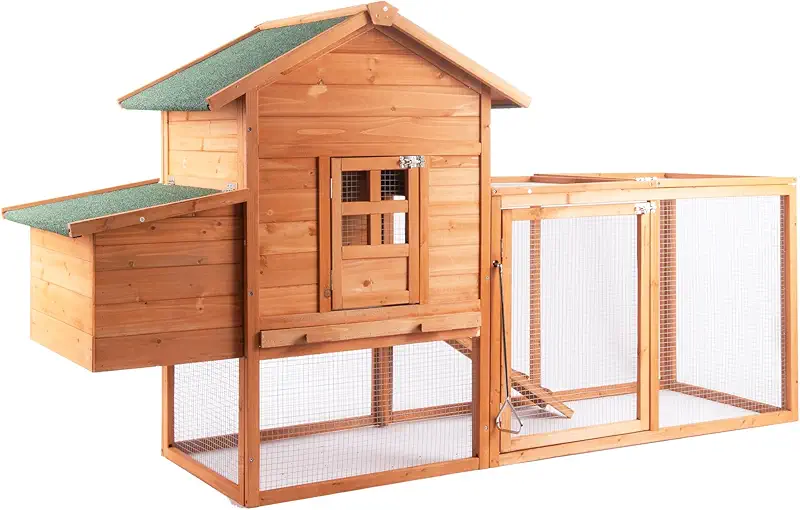
What You Get at Different Price Levels
Let’s break down what I typically see at each price level, based on my own coops and the ones neighbors ask me to look at.
Under $200: “It’ll Do for Now” Territory
I call this the “I just want a few eggs and we’ll see” zone. You’ll see small prefab coops with thin wood, light roofing, and hardware cloth that makes me nervous.
- Okay for 2–3 hens if you’re in a mild climate.
- Usually needs extra predator protection added by you.
- Often needs waterproofing or a coat of exterior paint right away.
If this is your budget, it can work, but I’d set aside a little extra cash and time for immediate upgrades.
$200–$500: Decent Backyard Coops
This is where a lot of good, practical coops live, especially for 3–6 hens. With the right choice, you’ll get something that lasts more than one season.
- Better framing and thicker panels.
- More thoughtful nest box placement and easier egg collection.
- Runs that can be reinforced without re-building everything.
In this range, I look hard at the hardware, roof, and floor. If those three are solid, I’m usually willing to work with the rest.
$500–$1,000: Roomy and Practical
Now you’re getting into sturdier walk-in coops and larger setups. This is where I’m happiest when I’ve got more than six hens and want my back to survive chore time.
- Enough headroom to walk inside without crawling.
- Better ventilation options and stronger roofing.
- Space for storage, bigger feeders, and waterers.
For serious backyard eggs, this range answers “How much is a chicken coop?” with “Less than a new hobby every year.”
Over $1,000: Long-Term and Low-Stress
Here you’re paying for years of use, easier cleaning, and fewer repairs. Good for larger flocks or folks like me who are done patching flimsy doors in the rain.
I want less hassle
The Hidden Costs New Chicken Keepers Forget
The coop price tag is just the start. When I help a neighbor budget, I always add a “reality column.” Here are the usual suspects:
- Predator-proofing: extra hardware cloth, stronger latches, ground skirts.
- Weather protection: paint or stain, roof sealant, extra shingles in rough climates.
- Bedding: pine shavings or straw, refreshed regularly.
- Feed storage: metal cans with tight lids — mice love chicken feed like kids love candy.
- Electricity (optional): safe extension for water heaters or coop lights in cold areas.
I usually tell folks to figure on $75–$150 extra in the first season for these little things. They don’t all hit at once, but they add up.
Build or Buy? How the Costs Compare
I’ve done both: built coops from scratch and bought them ready-made. When people ask how much a chicken coop is, they often think building will always be cheaper. Sometimes that’s true — sometimes it just means you spent your weekends wrestling warped boards while saying words the pastor would not approve of.
DIY Coop Costs
A basic DIY coop for 4–8 hens usually runs about:
- Lumber & plywood: $100–$300, depending on size and wood prices.
- Roofing materials: $40–$120.
- Hardware cloth & fasteners: $50–$150.
- Hardware (hinges, latches, screws): $30–$80.
So you’re looking at $220–$650 for materials in today’s world, plus your time, tools, and a bit of patience.
Buying a Coop
Buying a coop takes the guesswork out of measurements and cuts, and it’s kinder to folks who don’t own a saw or a level. The cost you see is close to the cost you pay, other than predator-proof upgrades.
If you’re short on time or not handy, prefabs can actually save you money versus building something twice because the first one leaned like an old barn in a windstorm.
I’ll browse ready coopsWhat Matters More Than the Price Tag
After all these years, I don’t start my coop talk with price. I start with three questions:
- Will it keep predators out and hens comfortable?
- Can I clean it without crawling on my knees in the mud?
- Will this still feel like a good idea in three winters?
When you’re comparing how much a chicken coop costs, look for:
- Solid wood or sturdy metal: not flimsy, spongy boards.
- Good roof overhang: keeps rain out of doors and nest boxes.
- Real hardware cloth: not just chicken wire in key spots.
- Easy access: big doors for cleaning, not tiny flaps.
- Ventilation above roost height: fresh air without drafts on their backs.

How Coop Quality Affects Your Hens’ Egg Laying
Since you mentioned egg layers, let me put it this way: your coop is your egg factory building. Cramped, damp, and drafty factories don’t turn out good products. Same with hens.
When I finally upgraded from my rickety old coop to a drier, roomier one, I saw:
- More consistent laying, especially during weather swings.
- Cleaner eggs, thanks to better roost and nest design.
- Fewer pecking problems, because they weren’t on top of each other.
A good coop doesn’t magically double your eggs, but it sure keeps laying steadier and the hens healthier. Sick, stressed birds don’t lay well, no matter how fancy the feed is.


My Simple Formula for Choosing a Coop
Over the years, I’ve boiled it down to a simple way to answer, “How much is a chicken coop for me?” Here’s what I ask:
1. How Many Hens in Year Two?
Not now, but after you realize how much you like fresh eggs. Plan your square footage and nest boxes for that number.
2. How Handy Are You Really?
If your toolbox is mostly duct tape and good intentions, you’re better off with a coop that doesn’t require much modification.
3. What’s Your Climate?
Hot, humid south? You want shade and ventilation. Windy, snowy north? You want a tight, insulated structure and a solid roof.
4. What’s Your Time Worth?
If you can put in a weekend to save a couple hundred bucks and you enjoy building, great. If not, buying something more finished may cost less than your frustration.
I’ll figure my sizeKeeping Costs Down Without Short-Changing Your Hens
You don’t have to throw money at a coop to do right by your birds. I’m a farmer — we stretch a dollar until it squeaks. Here’s where I save and where I don’t.
Places I’m Happy to Save
- Using salvaged lumber for outside trim, as long as it’s solid and not rotten.
- Reusing decent metal roofing if the panels are still sound.
- Repurposing old cabinets or crates as nest boxes.
- Building my own roost bars from smooth 2x4s laid flat.
Places I Do Not Cut Corners
- Predator-proof wire — only real hardware cloth for serious spots.
- Door latches — raccoons can open anything your five-year-old can.
- Roofing — leaks turn a coop into a sickness factory.
- Ventilation — bad air costs more in vet bills than vents do in lumber.

If your budget is tight, I’d rather see you get a modest, well-protected coop and a smaller flock than a “big but flimsy” one that turns into a headache.
Answering “How Much is a Chicken Coop?” in One Line
If you cornered me and made me give you one sentence, I’d say this:
“For a small backyard flock, a good, solid coop usually runs $300–$700, plus another $75–$150 for the little things that keep it safe and easy to live with.”
From there, you go up with size, quality, and convenience. The trick is picking the spot on that line where your budget, your time, and your hens all meet in the middle.
If you think of your coop as a years-long shelter for birds that give you breakfast almost every day, the right one feels less like a cost and more like a partner on the homestead.

FAQ: How Much is a Chicken Coop and What Else Should I Know?
For 3–6 laying hens, a reasonable price range for a first coop is usually $300–$700 for the coop and run together. That’s where I see the best balance between cost and durability. Cheaper coops can work, but they often need fixing or upgrading right away. Above that range, you’re usually paying for extra space, stronger materials, and more comfort for you when you’re cleaning and caring for the birds.
If you already own tools, know your way around a saw, and keep an eye out for sales or reclaimed materials, building can be cheaper, especially for mid-size coops. But once you add in tools you might need, wrong cuts, and lost weekends, buying a prefab coop can actually be the more practical choice for beginners. I tell new keepers to price out materials honestly, then compare that to ready-made options before deciding.
Besides the coop price, budget at least $75–$150 for extras during the first season. That includes hardware cloth to reinforce weak spots, paint or stain, bedding, feed containers, and maybe a simple water heater if you’re in a cold area. None of those single items are huge on their own, but together they add up, so it’s better to plan for them from the start.
No matter what the box says, I wouldn’t keep more than 3–4 hens in most of the very small, low-cost coops. Look for at least 3–4 square feet per hen inside, plus 8–10 square feet per hen in the run. Crowding birds causes pecking, stress, and disease, and it often costs more in problems than you saved on the coop.
Spending more wisely can help your hens lay more steadily. A better coop usually means drier bedding, fewer drafts, more space, and safer nights — all of which lower stress. Less stress means more consistent eggs. A fancy coop alone won’t turn poor genetics into superstar layers, but a well-designed, solid shelter does make it easier for healthy hens to do what they do best: turn feed into breakfast.
If you’re ready to see what’s out there, take a look at the different coop styles and sizes and picture your hens inside them.
Let me see all coops