
How to keep chicken coop warm in winter
How to Keep Chicken Coop Warm in Winter
I’ve spent more frosty mornings in the coop than I have at the breakfast table, and I can tell you this: chickens handle cold better than most folks think, but only if we set them up right. On my Midwestern farm, we’ve seen weeks of below-freezing weather and still kept combs healthy and eggs coming. In this guide I’ll walk you through how to keep a chicken coop warm in winter without turning it into a fire hazard or a damp mess.
What chickens really need when it gets cold
When folks ask me how to keep chicken coop warm in winter, they usually start with heaters and gadgets. I always back them up a step. Before you think about adding heat, you want to understand what your birds actually need. A chicken is basically a little walking furnace with feathers. A healthy hen in good body condition can handle temperatures below freezing if three things are right: she’s dry, out of the wind, and roosting properly.
On my farm, the coldest morning I remember was a windy one at -10°F. I walked into the coop expecting a disaster. Instead, I heard that familiar low clucking, smelled dry pine shavings, and saw the girls fluffed up on the roosts, perfectly fine. The thermometer on the wall read about 18°F inside. Not warm by human standards, but just fine for chickens because the air was dry and still, and the coop was well set up.
So when you plan your winter setup, think like a chicken: no drafts at roost height, a dry floor, thick bedding, a safe roost big enough for feet to tuck under feathers, and ventilation high up near the roof so moisture can escape. Get these basics right and you’re already most of the way there.
Step 1: Tighten drafts, but never seal the coop
The first thing I do every fall is walk around the coop on a windy day and feel for drafts with the back of my hand. I especially check around roost level. If cold air blows directly across the birds while they sleep, they’ll chill fast, even if the thermometer doesn’t look that bad.
I like to block low cracks with scrap wood, foam board, or even old feed bags tacked up tight. The goal is to stop wind from blowing across the birds, not to make the coop airtight. If you seal it up like a cooler, the moisture from their breath and droppings will build up, and that’s when you see frostbite.
I also check doors and windows. Any big gaps get weather stripping, simple latches, or even an extra strip of wood screwed over the edge. Nothing fancy, just good, solid blocking.
Handy coop structures that handle winter well
I’ve found that a solid coop with enough headroom and a dry floor beats any fancy gadget. If you’re still working with a flimsy setup, it might be worth looking at sturdier options that are easier to insulate, draft-proof, and bed deep for winter.
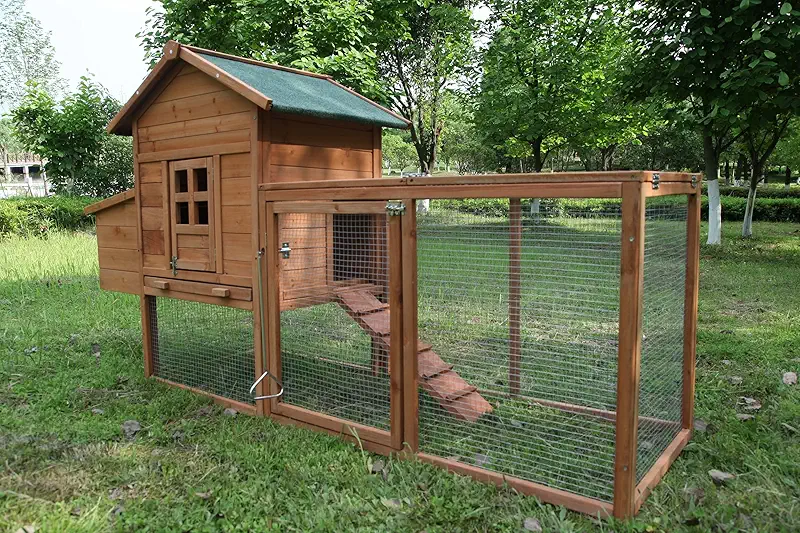
Smaller coops like this hold body heat better and are simpler to draft‑proof without losing ventilation. Good for a small backyard flock that needs a snug house when the wind howls.
Let me see this
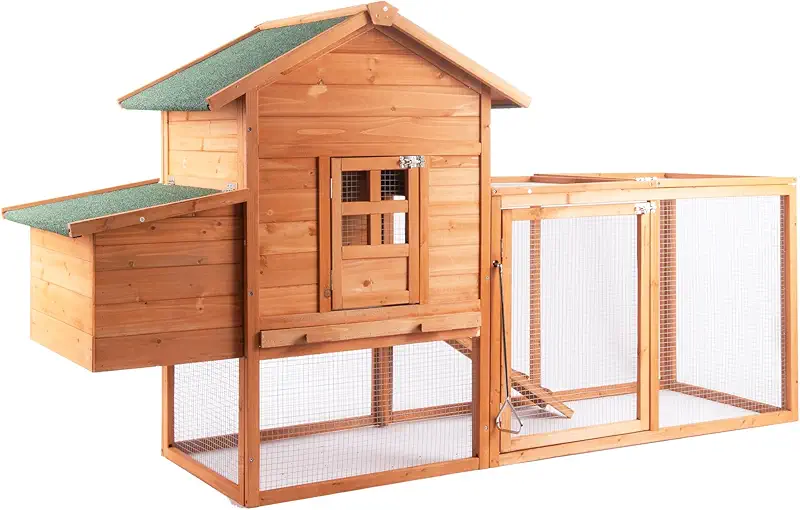
A bit more space makes it easy to run deep litter, add extra roosts, and still have room for feeders and water where they won’t freeze quite so fast.
This could workStep 2: Use deep, dry bedding as natural insulation
Bedding is your best friend in winter. When folks wonder how to keep chicken coop warm in winter without running a bunch of wires, I point to the floor. A thick, dry layer of bedding acts like a blanket between the cold ground and your birds.
I’m partial to pine shavings, but I’ll mix in straw when I can get it cheap. In November, I start building up a deep layer, at least 4–6 inches to start. Through winter I keep adding fresh dry material on top. The birds scratch it in, and the lower layers start to compost a bit, which gives off a gentle warmth. Nothing crazy, just a few degrees, but it helps.
The trick is to keep it dry. If your roof leaks or snow blows in through the pop door, you’ll get damp spots that need to be cleaned out and replaced. Wet, dirty bedding in the coop is like letting your hens sleep in a cold sponge.

Flat, simple floors without tight corners or low obstructions are easier to manage with deep bedding and keep the flock’s feet out of the cold.
I like this idea
A raised design keeps the floor off frozen, soggy ground and saves you headaches when the snow melts and runs everywhere in spring.
Maybe this styleStep 3: Ventilation — the part most folks get wrong
It sounds backward, but a warm winter coop needs good ventilation. When chickens breathe and poop, they put moisture into the air. If that damp air has nowhere to go, it condenses on combs, wattles, and toes, and that’s when frostbite shows up. I’ve seen coops that felt cozy for humans, but the birds had blackened tips of combs by January.
The trick is to put vents high up, well above the roosts. You want the humid air to rise and leave, while fresh air sneaks in gently, not as a gale blasting over the roost. In my coop, I keep a soffit vent under the eaves and a ridge vent up top. In winter I partially cover the windward side with plywood, but I never shut everything tight.
Every time you wonder how to keep chicken coop warm in winter, also ask: “How am I letting the damp air out?” If the inside of your coop smells sharp like ammonia or feels clammy, you don’t need more heat; you need more ventilation and drier bedding.
Step 4: Roosts that keep toes warm
Chickens don’t sleep like wild birds gripping a thin twig. They do better on a wider roost they can sit flat on, so their toes are covered by feathers. In winter, a 2x4 with the wide side up makes a world of difference. Their breast covers their feet, keeping toes from freezing.
Years ago, I used narrow round perches, and I’d see a little frostbite on the tips of toes after a long cold snap. I switched to flat 2x4s, and the problem pretty much vanished, even without extra heat. Simple change, big payoff.
- Set roosts higher than nest boxes so they sleep where you want them.
- Keep roosts away from drafts — not right next to the vent or door.
- Leave enough room so birds aren’t piled on top of each other.
- Check roosts for damp spots from condensation or leaks.
Coops that make winter roosting easier
Some coop designs make it much simpler to give your hens solid, draft‑free roosts at the right height. A little forethought here saves a lot of cold toes later.

Look for sturdy frames, easy access for cleaning, and space to run wide roost boards where birds can tuck in together without fighting the wind.
Show me optionsStep 5: When (and how) to add safe heat
Now we get to the part everyone jumps to first: heaters. I’ll be honest — I raised birds for years without any heat in the coop at all, even in some pretty harsh winters. Healthy, cold-hardy breeds handle low temperatures fine with the right housing. But there are times when a little help doesn’t hurt: extreme cold snaps, very small or older birds, or thin‑feathered breeds.
If you decide to add heat, safety comes first. I learned the hard way watching a neighbor lose his whole coop to a heat lamp that slipped. Chickens kick up dust, bedding, and feathers — all of it loves to burn. For that reason, I do not use hanging heat lamps in my own coop anymore.
Instead, I prefer safer options like flat-panel heaters or well‑guarded radiant heaters designed for animals. Even with those, I:
- Mount them securely where birds can’t jump on them or knock them loose.
- Keep cords protected and out of pecking range.
- Use grounded outlets and avoid running cheap extension cords across the barn.
- Set heaters low — just to take the edge off, not to keep the coop at room temperature.
If the birds crowd under the heater and refuse to leave, it’s too cold or too small a coop. If they ignore it most of the time, you’ve probably got things about right.
Step 6: Feed and water for winter warmth
Warmth doesn’t just come from the coop; it comes from the feed bin too. Chickens burn calories to stay warm, so in winter I give them a bit more fuel, especially in the late afternoon. A ration with enough protein and some extra scratch grain in the evening keeps their inner furnaces running through the night.
Water is the other half of the story. Dehydrated birds don’t eat as well, don’t lay as well, and don’t stay warm as well. I’ve broken my share of frozen waterers at dawn with numb fingers. These days I use heated bases or insulated waterers when the deep freeze hits. It’s not about spoiling the birds; it’s about making sure they can drink without you having to chip ice three times a day.
Keep feed and water out of the direct path of drafts and snow. I like to place the waterer away from the roosts so it doesn’t fill with droppings overnight, and on a raised platform to keep bedding from getting scratched into it.
Step 7: Winter routines that keep the coop cozy
Knowing how to keep chicken coop warm in winter is one thing; doing the small daily chores is another. What really keeps a coop comfortable is a bit of steady attention. Every morning, I do the same simple circuit: check water, toss a scoop of scratch into the bedding so they scratch and turn it, glance at the birds’ combs and feet, and give the vents a quick look.
Once a week, I’ll fluff up the bedding with a rake and add a thin layer of fresh on top. If I see any wet or frozen patches under the roosts, that spot gets cleaned and replaced right away. I also run my hand along the walls to feel for dampness — if it feels clammy, I open the high vents a bit more, even if it means it’s a touch cooler inside.
A good winter coop has a sort of smell to it: earthy from the bedding, but not sharp or sour. If you wrinkle your nose when you walk in, the birds have been breathing that all night. That’s your cue to add more dry bedding and let some fresh air in.
Coops built with winter in mind
If you’re still wrestling with a drafty, awkward coop, sometimes the easiest fix is a better structure from the start. A well‑designed house can make all these winter routines a lot smoother.

Straight walls for easy insulation, good roof pitch for snow, and room for proper roosts and vents. It’s the kind of shape that’s easy to keep warm and dry.
I want this comfort
Plenty of room for birds to ride out snow days inside, with spots for feeders, waterers, and winter dust baths when the ground outside is solid ice.
This feels rightQuestions folks ask me every winter
Do chickens really need a heater in winter?
Most of the time, no. Healthy adult chickens of cold‑hardy breeds can handle freezing weather if they have a dry, draft‑free coop with deep bedding and good ventilation. On my farm, I only add a bit of safe supplemental heat when temperatures stay extremely low for days, or when I have older or thin‑feathered birds. Think of heat as a backup, not the main plan.
What temperature is too cold for chickens?
I start paying close attention when nighttime temperatures drop near 0°F, especially with wind. I’ve had flocks do fine well below freezing, but if birds can’t get out of the wind, or if combs stay damp, frostbite can show up even around 20°F. Watch your birds more than the thermometer: if they’re huddled, puffed, and quiet all day, they need better shelter or a bit more warmth.
How can I tell if my coop has enough ventilation?
Use your nose and your skin. When you walk in, you should not feel a strong ammonia bite in your nose, and it shouldn’t feel wet or steamy on your face. Your windows shouldn’t be dripping with condensation every morning. If it smells sharp or feels damp, open or add vents high up, above the roosts, and add more dry bedding on the floor.
Will my hens stop laying eggs in winter?
Many flocks slow down or pause when days get short; that’s natural. Cold alone doesn’t stop laying as much as low light, poor nutrition, or stress. To keep eggs coming, make sure birds have good feed, fresh water that isn’t frozen, a calm routine, and clean, dry nest boxes. Some folks add a small amount of safe artificial light in the morning to extend “daylight,” but don’t overdo it — hens need their rest too.
What’s the easiest winter upgrade if I’m on a budget?
If I had to pick one cheap fix, I’d choose better bedding and draft‑proofing around the roosts. A few extra bales of straw or bags of shavings, plus some scrap wood or cardboard to block low drafts, can change the whole feel of the coop. After that, I’d look at a sturdier coop structure that’s easier to insulate and manage when storms roll in.
This page shares my personal experience as a long‑time farmer. Every flock and climate is a little different, so always use your own judgment and follow local safety codes when adding heat or power to any coop.