
How to keep chicken coop warm
How to Keep Chicken Coop Warm Without Stress (or Burnt Feathers)
I’ve been waking up before sunrise to check on hens since before my beard turned gray. Winters here can bite straight through your coat, and a cold snap will remind you fast if your coop isn’t ready. Let me walk you through how to keep chicken coop warm in a way that’s safe, simple, and friendly on the wallet.
When folks ask me how to keep chicken coop warm, I always start with this: your job isn’t to make the coop toasty for you, it’s to keep it dry, draft-free, and just warm enough for the birds. Hens handle cold a lot better than damp, drafts, and sudden changes. Out here, I’ve had mornings where the waterers froze solid, but the girls still laid like champs because the coop itself was set up right.
I’ve tried just about every trick over the years—some smart, some… well, let’s just say the chickens weren’t the only ones looking confused. I’ve hung heat lamps (and learned to fear them), stacked bales for windbreaks, used deep litter, and even wrapped a coop in old grain sacks one desperate January. Below I’ll share what actually works, what to skip, and how to build a warm, safe winter setup for your flock.
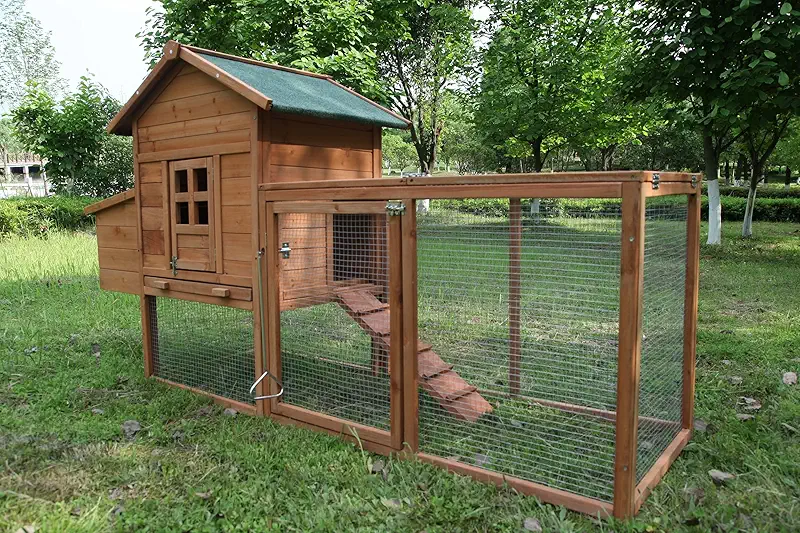
A solid, well‑built coop is already half the battle when you’re figuring out how to keep chicken coop warm through winter.
First Rule of Winter: Think Like a Chicken
Hens don’t read weather apps. They feel cold in three main ways: wind on their bodies, damp air around their feathers, and cold coming up from their feet. When you understand that, how to keep chicken coop warm gets a whole lot simpler.
On my farm in the Midwest, we see ice, wet snow, and that sideways wind that seems personally offended you’re outside. Years ago, I used to worry about the air temperature on the thermometer. Now I pay more attention to what it feels like inside the coop: still air, dry bedding, and no sharp drafts near roost height.
- Dry feathers so they can trap body heat
- Draft-free roosts, especially around combs and wattles
- Good ventilation high up to remove moisture
- Plenty of deep, dry bedding under their feet
- Enough space to move, but not so big it’s hard to warm
- A sealed-tight, airless box (that’s how you get frostbite)
- Roasting summer temperatures in January
- Wild swings in temp from day to night
- Red heat lamps dangling over dry bedding
Once you stop trying to make the coop feel like your living room, you’ll see more eggs, fewer health problems, and a lot less worry.
How to Keep Chicken Coop Warm With Smart Insulation
Insulation is just a fancy word for slowing down how fast heat leaves the coop. Chickens are little feathered heaters. Your goal is to help them keep the warmth they create. On my place, every winter that went well started with a tight coop and good insulation.
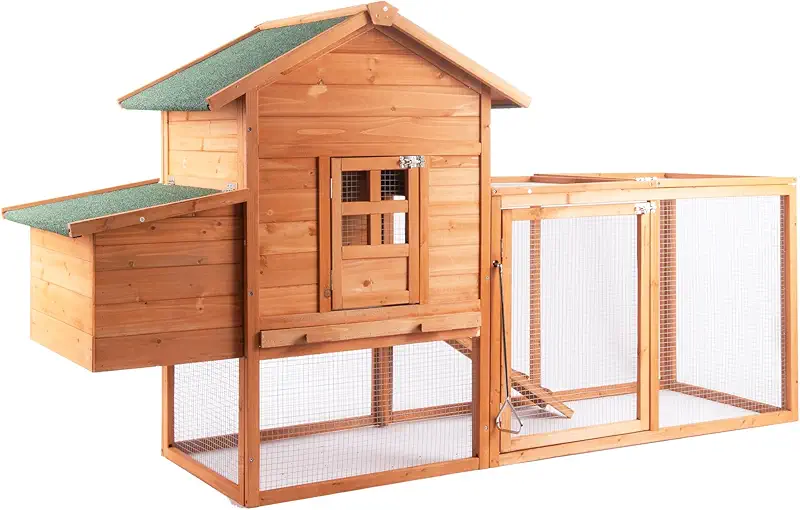
Look for coops with solid walls and few gaps. It’s easier to keep warmth in than to chase it with heaters.

A raised floor helps cut the chill from frozen ground and keeps bedding drier all winter long.
Seal Drafts, Not the Whole Coop
Drafts are sneaky. One January, I had a line of frost along the inside wall right behind the roost. Turned out there was a thin gap where the siding met the frame. The hens were facing into that breeze all night. Once I sealed it, no more frost on their combs.
- Stand inside during a windy day and feel for moving air around the roosts.
- Use wood strips, foam backer rod, or even heavy cardboard as a temporary fix.
- Focus most on the side the wind hits hardest in winter.
Use the Right Kind of Ventilation
This is where a lot of new keepers trip up with how to keep chicken coop warm. They close every crack, the coop gets damp, and then frostbite shows up even when the thermometer doesn’t seem that low.
You want ventilation high up, above the heads of roosting birds. That lets moist air escape without blowing directly on the flock. Think:
- Vents along the top of walls, protected with hardware cloth
- Windows you can open a crack from the top, not the bottom
- A small ridge vent under a covered roofline
Deep Litter: My Favorite Natural Heater
If you asked me for one simple, low-tech answer to how to keep chicken coop warm, I’d say this: deep litter done right. I’ve used it for years, and my hens ride out some serious cold with nothing but their own body heat and a good layer of bedding under them.

Roomy floor space lets you build up a healthy layer of deep litter that gently warms the coop from below.

Good access doors make winter chores easier when you’re adding bedding and checking on your flock.
How I Set Up Deep Litter Before Winter
- Start with a clean, dry floor in fall.
- Lay down 3–4 inches of dry bedding (I like pine shavings or chopped straw).
- Each week, toss in another thin layer where droppings build up.
- Use a rake or fork to fluff and mix the top layer every so often.
As the litter slowly breaks down, it gives off a gentle warmth. Not hot, just enough to take the edge off. The hens also stay busy scratching through it, which keeps their feet warm and their minds occupied when they’re coop-bound.
By late winter, my coop floor might be 8–10 inches deep in litter, dry on top and pleasantly warm underneath. Come spring, I clean it out and my garden says thank you.
Safe Heat: When You Really Need Extra Warmth
There are winters, and then there are those slap-you-in-the-face cold snaps. If you’re in a place where -20°F isn’t just a rumor, you might need more than just good bedding and tight walls. I won’t lie—I’ve lost a couple of comb tips learning what not to do.
Better Options Than a Bare Heat Lamp
When I talk about how to keep chicken coop warm and still sleep at night, I look for heat that:
- Mounts securely, with no way to fall into bedding
- Has a guarded surface or stays relatively cool to the touch
- Gently warms the area, not blasting heat like a sauna
- Can be used with a thermostat or timer
Over the years I’ve had better luck with flat panel heaters on walls and safe, low-wattage radiant styles than with bare bulbs. And I only use them when the cold is truly extreme or I have a weak bird that needs a little help.
Whatever you choose, mount it away from roosts so the birds can move closer or farther as they please. Chickens are pretty good at telling you what they think—if they’re all crammed in one corner under the heater, it’s too cold. If they’re panting and spread out, too hot.
Roosts, Windbreaks, and Simple Comfort Tricks
Sometimes how to keep chicken coop warm comes down to small details that don’t cost much. I’ve made more difference with a few boards and straw bales than with any fancy gadget.
Set Up Proper Winter Roosts
- Use wider boards (like a 2x4 laid flat) so hens can sit on their feet and cover their toes with feathers.
- Keep roosts all at similar heights to prevent squabbling in tight winter quarters.
- Make sure the roost area isn’t right in the path of incoming air from vents or doors.
One winter I lowered my roosts a bit so the hens sat closer to the deep litter. You wouldn’t think eight inches would matter, but they were noticeably more settled at night.
Block the Wind Outside the Coop
A good windbreak does more than walls alone. I’ve stacked old straw bales along the north side of the coop, leaned pallets and plywood where the wind hits, and even parked the truck on the windward side during a bad blizzard.
If your run is exposed, adding tarps or solid panels on the windy sides makes it feel ten degrees warmer to the birds, even when the thermometer doesn’t move.

Enclosed runs and windbreaks give hens a place to stretch their legs without that icy wind cutting through.

Solid doors and snug latches help keep drafts out and predators away on long winter nights.

A well-designed coop makes winter chores easier and keeps birds calmer when the weather turns rough.
Feed and Water: Quiet Helpers for Warmth
I swear my hens eat twice as much when that north wind howls. And they’re right to do it. Feeding a little extra scratch grains in the late afternoon gives their bodies something to burn overnight, like tossing another log on the fire.
- Keep layer feed available all day so they’re never running on empty.
- Offer a small scoop of cracked corn or scratch mix near dusk.
- Make sure they go to bed with access to liquid water, not a block of ice.
A well-fed hen is a warm hen. They’re little furnaces wrapped in feathers, but you need to keep the fuel coming.
Signs Your Coop Winter Setup Is Working
After you’ve put your plan into place, you don’t need fancy gadgets to judge how to keep chicken coop warm. Your chickens will tell you all you need to know if you pay attention.
- Birds are roosting calmly at night, not piling in corners or on the floor.
- Combs and wattles stay smooth, red, and free of pale or blackened tips.
- The coop smells clean and dry, not damp and heavy with ammonia.
- You still find eggs in the boxes, maybe a few less, but not a total strike.
- When you step in at dawn, the air feels cool but not biting or wet.
Every farm is a little different. My neighbor’s hilltop coop needs heavy windbreaks while my low spot needs extra attention to moisture and drainage. Adjust as you go, and don’t be afraid to make small changes week by week.
Making How to Keep Chicken Coop Warm Easier
Over the years I’ve learned that starting with the right coop and solid hardware makes winter care a whole lot simpler. Strong walls, good doors, safe ventilation, and easy access for you go a long way toward a warm, calm flock when the snow piles up.
If you’re looking over your setup and thinking, “Maybe it’s time for a better coop,” you’re not alone. I’ve said the same thing to myself standing out there in the dark with a frozen waterer in my hand more than once.
Let me see optionsFAQ: How to Keep Chicken Coop Warm in Winter
In most places, no. Healthy adult chickens with a dry, draft-free coop and deep bedding handle cold surprisingly well. On my farm, I only consider extra heat when we get into dangerous lows (well below 0°F) or if I have sick or very young birds. Most of the time, fixing drafts, adding dry litter, and blocking wind outside the coop does more good than a heater ever will.
There’s no magic number, but if the inside of the coop is noticeably calmer, drier, and a bit warmer than outside, you’re on the right track. Chickens can tolerate temperatures well below freezing as long as they’re dry and out of the wind. When I walk in at dawn and can see my breath but the birds look relaxed on the roost, I know the setup is doing its job.
Heat lamps worry me more than the cold does. I’ve seen and heard of too many coop fires started by a loose lamp over dry bedding. If you absolutely must use one, fasten it in multiple ways, use a good quality fixture, and keep it far from anything flammable. Better yet, look for safer, enclosed heaters designed for barns or coops and use them sparingly. When in doubt, improve insulation and bedding first.
Watch their behavior. If they’re huddled in a tight ball, refusing to move, or piling on top of each other on the floor instead of the roost, they’re struggling. Pale or whitish comb tips can also be an early frostbite warning. On bitter nights I’ll quietly peek in the coop with a flashlight—if everybody’s spaced along the roost, eyes half closed, they’re fine. If they’re restless and clumped up, I know I need to tweak something.
I prefer pine shavings for most of the floor and sometimes add chopped straw on top. Both trap air and stay fluffy when dry, which helps with warmth. Avoid slick newspaper layers and thick, damp straw mats that pack down tight. Whatever you use, the important part is keeping it dry and deep. A well-managed deep litter bed under your birds will do more for warmth than a thin layer of anything.
Ready to Winter-Proof Your Coop?
If you’re standing in your boots, staring at your setup and wondering how to keep chicken coop warm before the next cold front rolls in, you’re doing the right thing. Planning now beats thawing waterers at midnight later.
Take a look at different coop layouts, sizes, and styles that make winter chores easier and your hens more comfortable. Whether you’re upgrading or starting fresh, it helps to see what’s possible before the snow flies.
Show me all coops