
How to Keep Water From Freezing in Chicken Coop
How to Keep Water From Freezing in Chicken Coop All Winter Long
I’ve been wintering hens here in the States for more than three decades now. I’ve seen waterers turn into little ice sculptures overnight, combs get frostbit, and egg production crash just because the girls couldn’t get a good drink. In this guide I’ll walk you through, step by step, how to keep water from freezing in chicken coop without overcomplicating things or wasting money.
We’re going to talk about what really works on a real farm, what fails the moment that north wind kicks up, and a few little tricks only old chicken folks usually share over coffee. Grab a mug, and let’s keep that water flowing.
Before we dive in, let me tell you this: I’ve tried just about every way there is to keep water unfrozen. Buckets half-buried in straw, black rubber pans in the sun, heated bases, heated bowls, cussing at the sky at 6 a.m. while I stomp ice out of waterers… if it can be tried, I’ve probably tried it.
The thing about learning how to keep water from freezing in chicken coop is that there’s no single magic trick. It’s a mix of good coop design, the right gear, and simple daily habits. When you line those up, you stop fighting the ice every morning and start staying ahead of it.
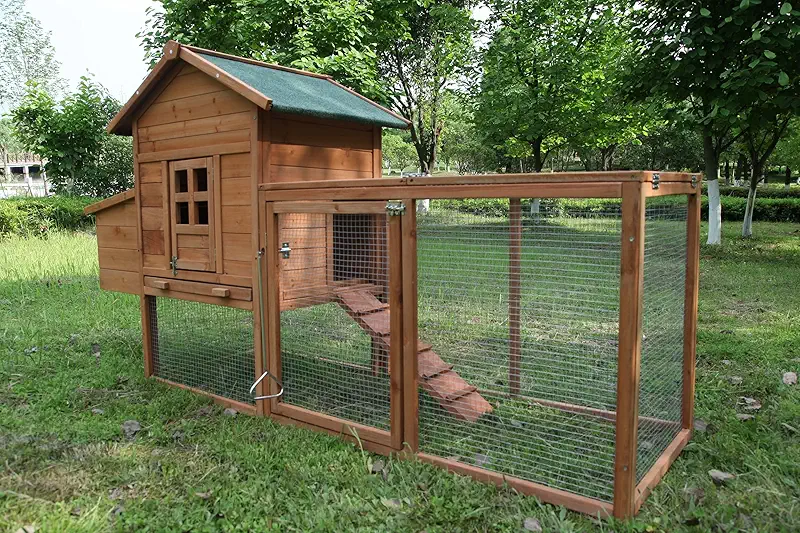
When I first started keeping hens, I thought winter care was mostly about keeping them warm. Took me a few cold years to realize: water is the first thing that decides whether your birds stay healthy and keep laying. A hen can handle cold much better than she can handle going dry. Once their water freezes, they stop drinking enough, they eat less feed, and then you start seeing problems.
So let’s walk through the main ways I use to keep water open in different kinds of weather, from a light frost to the sort of cold where your nostrils freeze together the second you step outside.
Why Chicken Water Freezes Faster Than You Think
Chickens don’t sip like little songbirds. They drink in quick gulps, toss their heads back, and splash a bit. All that sloshing means the water’s moving and exposed to cold air. Add in metal waterers, drafts running through the coop, and long nights, and you’ve got a perfect recipe for ice.
I used to blame the weather alone, but over time I noticed something: two coops, same outside temperature, very different freezing. The tighter coop with better bedding and water set off the floor stayed open longer, even without fancy gear. That taught me an important lesson: the way you set things up matters as much as the thermometer reading.
The three main enemies of winter water
- Cold air moving across the surface – drafts steal heat fast.
- Metal and thin plastic – they give up heat quicker than a gossip gives up secrets.
- Long winter nights – 12–16 hours with no sun is a long time for water to stay liquid.
Once you understand that, the rest of how to keep water from freezing in chicken coop is about working against those three enemies using a mix of insulation, smart placement, and, when needed, a bit of safe heat.
Simple No‑Electricity Tricks That Actually Help
Not everyone has power at the coop, and even if you do, sometimes you’d rather keep it simple. Over the years, I’ve leaned on a handful of low-tech tricks that stretch the time between ice-ups.
1. Use deeper, narrower containers
Shallow dishes freeze fast. Deep water takes longer to harden, especially if the top is a smaller surface.
- Pick a container that’s taller than it is wide.
- Keep the opening just big enough for the birds to drink comfortably.
- Set it up on blocks or a stand so they don’t kick bedding into it all day.
On the coldest days, I’ve used black rubber pans set into a deeper bucket. That way, even if the very top crusts a bit, the body of the water stays usable longer.
2. Warm water in, not hot
Pouring in warm (not boiling) water buys you time. You’re starting above freezing, so it takes longer to cool down and lock up.
I usually bring a bucket from the house that’s warm enough to feel cozy on my hands but not steaming. If you do morning rounds like that, you’ll often be ahead of the ice until late afternoon in mild winter weather.
3. Tuck the waterer into a “micro‑climate”
Fancy word, simple idea: find the warmest corner you’ve got and use it. Think:
- Far from pop doors and big drafts.
- Up off the floor a bit where the air is less bitter.
- Near the body heat of the flock, but not under roosts.
In one of my older coops, I built a little “water nook” on the leeward side, boxed in with plywood and lined with straw bales on the outside. That alone cut down on ice more than I expected.
4. Insulate under and around the water
If you can’t heat the water, you can at least slow how fast it loses heat. I’ve had good luck with:
- Setting the waterer on a thick wooden board.
- Putting a square of rigid foam under that board (fully covered so birds can’t peck it).
- Surrounding the stand with straw bales to block drafts.
It’s not a miracle, but on the edge-of-freezing days, it can keep you from chipping ice every few hours.
5. Rotate waterers on the coldest days
When the temperature really drops, I keep a second waterer in the mudroom. One goes out, one comes in. Frozen one gets thawed in a tub or sink while the other is in service.
It’s a bit of work, but I’d still rather make a few extra trips than see a thirsty flock. You want your chickens thinking about scratching and laying, not wondering where the next drink is coming from.
Using Safe Heat: Heated Bases, Bowls, and Waterers
Now let’s talk about the tools that make life easier: heated bases, heated bowls, and built‑in heated waterers. This is where a lot of folks overcomplicate things or, worse, take shortcuts that make me nervous as a man who loves both his barn and his birds.
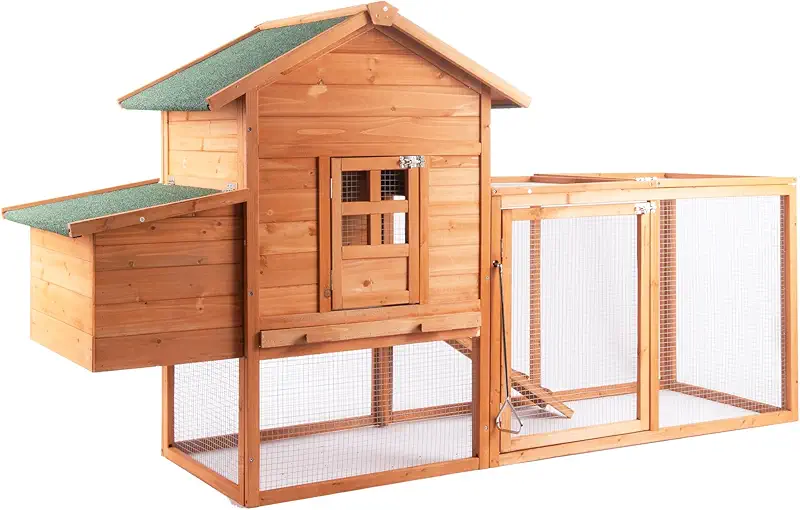
Over the years I’ve settled on this truth: if you have power at the coop, a good quality heated solution is the easiest, most reliable way to keep water open. The trick is choosing something designed for barn use and setting it up safely.
Heated bases for traditional metal waterers
A heated base sits under your metal waterer and keeps just enough warmth coming up to stop freezing. No boiling, no hot spots, just gentle heat.
Why I like them
- Work with waterers you may already own.
- Heat is underneath, away from curious beaks.
- Easy to clean around and under.
Things to watch for
- Only use with metal waterers, as directed.
- Needs a properly rated outdoor cord.
- Must be set on a solid, level, non‑flammable surface.
Heated bowls and buckets
Heated bowls and buckets are just what they sound like: the heating element is built into the container walls or bottom. I like the heavy, barn‑duty ones with protected cords.
I use these especially in runs and open sheds where a hanging waterer doesn’t make sense. Chickens learn to drink from them quickly, and as long as they’re raised to about chest height, they stay pretty clean.

All‑in‑one heated chicken waterers
These are units made specifically for poultry, sometimes with nipples or cups, sometimes with a reservoir and tray. The better ones are built to run just warm enough to keep water moving without wasting power.
I’ll be honest with you: I’ve owned both gems and lemons. The well‑made units are worth their weight when the January wind howls. The cheap, flimsy ones will have you swearing while you thaw out a frozen block of plastic.
Electrical Safety in the Coop
I’ve seen enough barns in my life to know this: cutting corners with electricity around dry wood, dust, and feathers is a bad idea. Learning how to keep water from freezing in chicken coop safely matters more than shaving a few dollars off a cord.
My non‑negotiable safety rules
- Use equipment made for barns or outdoor use. That “indoor only” label is not a suggestion.
- Plug into a GFCI outlet. If your coop doesn’t have one, run from a GFCI at the house.
- Use heavy‑duty, outdoor‑rated cords. No skinny orange things from the bargain bin.
- Keep connections off the floor and out of the bedding. I mount a cord holder on the wall and keep all plugs well above chicken level.
- Protect cords from beaks and rodents. Run them in conduit or cord covers where birds can reach.
Once you set it up right the first time, you don’t have to think about it again, other than a quick look when you do chores.
Coop Layout: Little Changes, Big Difference
You can spend good money on heated gear and still fight ice if your coop layout works against you. A few small changes can stretch how long water stays open with or without electricity.

Best spot for winter water
- Inside the coop or sheltered run rather than fully out in the open wind.
- On the opposite side of the pop door so cold air doesn’t blow right across the surface.
- In a spot where you can get to it easily without crawling or ducking – you’ll be there often.
Height and stability matter
Set your waterer on a sturdy stand, about the height of your birds’ backs. That:
- Keeps bedding and manure from getting kicked in.
- Makes it easier for them to drink without tipping.
- Lets air circulate under heated bases if you use them.
One winter I got lazy and set a waterer straight on the floor “just for a day.” By the end of the week, it was frozen in place, surrounded by wet litter, and I had a smelly mess to chip out. Never again.
Daily Winter Water Routine That Keeps Hens Happy
The best heated waterer in the world still needs a human showing up regularly. Here’s the rhythm that’s worked on my place through more winters than I care to count.
Morning: start the day right
- Dump and scrub any leftover water if it’s dirty.
- Refill with warm, clean water.
- Check cords, plugs, and heaters with a quick glance and touch (should be just mildly warm, never hot).
- Watch the flock drink for a minute – you’ll learn a lot from those first few sips.
Midday: quick check
If it’s truly cold, I swing by around midday:
- Break any thin ice that’s started to form.
- Top off the water level.
- Check that everyone looks bright‑eyed and active.
Doesn’t take five minutes, and it’s saved me from surprises more than once.
Evening: set up for a long night
Nights are when water really likes to freeze. Before I lock up:
- Dump and refill if the water’s messy.
- Make sure the water level is generous – no one likes to run out at 3 a.m.
- On brutal nights, bring in a backup waterer to thaw for the next morning.
When you keep this steady routine, your flock stays hydrated, you spot heater failures early, and your winter egg basket looks a lot healthier.
Helping Hens Through Extreme Cold Snaps
Every few years, we get a cold snap that makes even old farmers raise an eyebrow. When the cold goes from “winter as usual” to “why do I live here again,” you need a few extra tricks up your sleeve.

- Shorten their time outside. Let them out later, bring them in earlier, so they spend more time near sheltered water.
- Offer a second water source. A heated bowl in the run and a waterer inside the coop give them choices.
- Increase your checks. Morning, midday, and late afternoon – just quick glances and top‑offs.
- Watch older and smaller birds. They struggle first when the cold bites hard.
One year we had a cold snap that turned the world into a frozen drum. I was out checking water so often my wife joked I should just move a chair into the coop and charge the hens rent. But we came through without frostbite or sick birds, and that’s worth a few extra steps.
Why Good Water Means Better Eggs
Learning how to keep water from freezing in chicken coop isn’t just about being kind to your flock. It shows up plainly in the nest boxes.

When water keeps freezing:
- Birds drink less, so they eat less feed.
- Body condition slips, and egg numbers drop.
- Shell quality suffers, and you get more thin or odd eggs.
When water stays open and clean:
- Hens keep eating like they should.
- Combs stay bright, and birds stay active, even in cold.
- Egg production stays steadier through winter.
I can usually tell when I’ve been sloppy with winter water because my morning egg basket scolds me first. Fewer eggs, rough shells – it’s like the flock leaving sticky notes saying, “We’re thirsty, buddy.”
FAQ: How to Keep Water From Freezing in Chicken Coop
1. At what temperature does chicken water start to freeze?
Water technically freezes at 32°F, but in the coop you’ll often see slush and thin ice even a few degrees above that, especially in metal waterers and drafty spots. Once you regularly hit the low 30s overnight, treat it like freezing weather and start using your winter setup.
2. Is it safe to use a heated waterer inside the coop?
Yes, if it’s made for barn use and set up correctly. Use only UL‑listed or similarly certified heated waterers or bases designed for animals, plug them into a GFCI outlet, keep cords protected and off the floor, and set the unit on a solid, non‑flammable surface. Done that way, I’m comfortable running them all winter.
3. Can I use salt or additives to stop water freezing?
No for the main drinking water. Salt strong enough to stop freezing will harm your chickens long before it helps the ice. Keep their drinking water plain and clean. If you want to offer a tiny bit of apple cider vinegar for gut health, that’s fine when used properly, but it won’t prevent freezing.
4. How often should I change the water in winter?
I like to fully refresh water at least twice a day in winter – once in the morning with warm, clean water and again in the late afternoon or evening. On very cold days or when birds are confined more, a midday check and top‑off is wise. Even heated waterers need fresh water; heat doesn’t clean anything.
5. Is it better to keep water inside the coop or outside in winter?
In serious winter country, I prefer at least one main water source inside the coop or in a very sheltered attached run. Birds spend long nights inside, and water inside stays open longer, especially with heat. You can keep an extra source in the run for mild days, but don’t rely only on an exposed outdoor waterer when the wind starts howling.
Choosing Gear That Makes Winter Easier
You don’t need to turn your coop into a spaceship, but a few well‑chosen pieces of winter gear can turn a chore into a simple routine. Some folks like heated bases under metal waterers, some swear by heated bowls, and some like all‑in‑one heated chicken waterers.

When I look at options, I ask myself:
- Is it built for barns and real winters?
- Can I clean it fast on a cold morning with stiff fingers?
- Does it keep cords and heating elements where beaks can’t get at them?
Over the years, getting the right setup has given me more than just unfrozen water – it’s given me quieter mornings. Less hacking ice, more standing there listening to contented hens drink and murmur. That sound is worth a lot.

If you’re ready to make next winter a little kinder for you and your birds, it’s worth taking a quiet minute to look over different chicken coop and water setups and picture what fits your own yard and weather.
I want easier winters