
Indoor chicken coop ideas
Indoor Chicken Coop Ideas
I’ve raised hens through Midwest winters, scorching summers, and more storms than I care to count. Over the years, I’ve learned that a good indoor coop can mean the difference between stressed birds and steady eggs. Let me walk you through simple, real‑world indoor chicken coop ideas that actually work in a normal home or barn, not just in pretty pictures.
Whether you’ve got three spoiled backyard ladies or a modest little flock, an indoor coop can keep them safe, dry, and laying even when the weather forgets its manners. The trick is balancing comfort for the hens with sanity for you: easy to clean, no wild smell, and no midnight panic when a raccoon wanders through.
We’ll talk about space, bedding, ventilation, and some clever little tricks I’ve stolen from decades of barn life. I’ll share what flopped, what broke, what got pecked to pieces, and what’s still standing in my own coop today.
If you’d rather start from a ready‑made coop and tweak it, that’s fine too. A good solid base saves a lot of hammer swings.
Let me browse quietly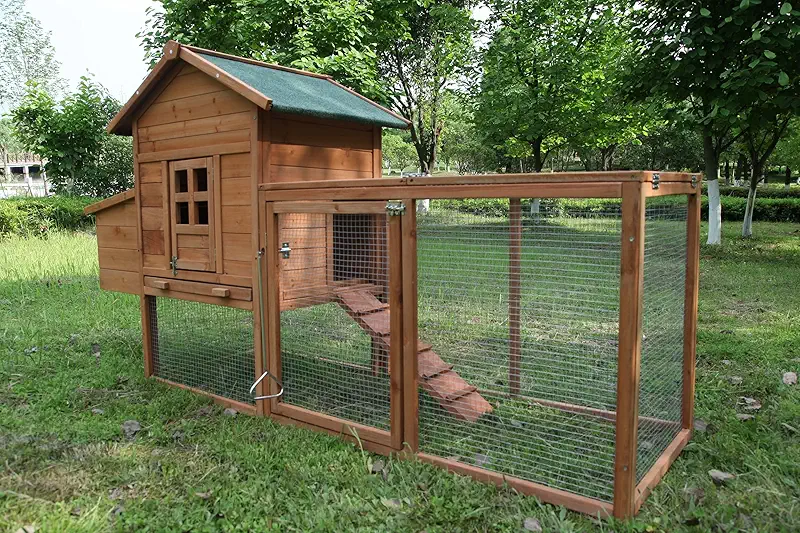
What makes a good indoor coop, really?
A good indoor coop isn’t fancy. It’s safe, dry, easy to clean, and calm. Chickens don’t care about matching paint colors. They care about steady routines, enough elbow room, dry feet, and a place to feel hidden when they lay. If you keep those four things in mind, most of your decisions get a lot easier.
When folks ask me for indoor chicken coop ideas, I always start with three questions:
- How many hens are you planning on, honestly, not “maybe later”?
- Where will you put the coop, and what’s the coldest and hottest it gets there?
- How much time do you have each week to clean and tinker with it?
Let’s walk through some practical indoor chicken coop ideas based on where you plan to put your birds: in a garage, basement, shed, or even in a corner of a barn or big workshop.
Indoor chicken coop ideas for small spaces
Plenty of folks these days keep just a handful of hens. Maybe you’ve got a city lot or a little place on the edge of town. You don’t need a barn to give them a good home; you just need to think vertical and keep things simple.
1. Sturdy prefab coop inside a garage
One easy way is to take a small prefab coop and park it inside your garage or shed. The building itself gives weather protection, and the coop provides structure, nesting boxes, and roosts.
Look for something with a solid frame you can tweak: add better latches, a little extra ventilation, and maybe more roost space. A lot of ready‑made coops come with tiny runs. Indoors, you can ditch the run and give your hens a small fenced “playpen” area instead.
If you want to browse a few sturdy options and then adjust them to fit your space, you can start with ready solutions and treat them like a kit you’ll improve over time.
I’ll check some out2. Shelf‑style vertical coop for 2–4 hens
For just a couple hens, you can build a “shelf coop” that tucks against a wall: nesting boxes along the bottom, roost above, feed and water out front. It doesn’t take much footprint, but it gives the birds a little height and privacy.
I like to mount the whole setup a few inches off the floor so I can slide a tray or big rubber mat underneath for droppings. Saves your back and keeps the smell honest.
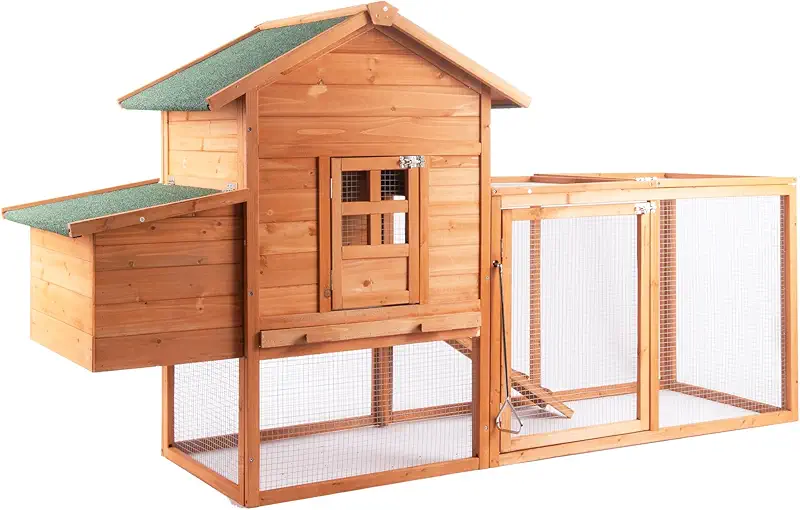
Compact indoor‑friendly coop you can tuck into a garage corner and still keep it easy to clean.

Another style many folks park indoors and then customize with deeper bedding and better roosts.
Easy‑clean floors and bedding ideas
Indoor coops live or die on how easy they are to clean. If chores feel like a wrestling match, you’ll put them off and the birds will tell you about it with smell and fewer eggs.
- Use a solid floor (plywood or plastic) with a rubber mat on top.
- Cover the mat with pine shavings, chopped straw, or hemp bedding.
- Scrape droppings weekly; top up bedding as needed.
- Once a month (or so), pull the whole mat, dump it, hose it, let it dry, and reset.
In my own indoor setups, I don’t get fancy. A simple flat floor, good shovel, and decent mat have beaten every clever “self‑cleaning” trick I’ve tried. The hens don’t mind that it’s plain; they mind if it’s damp and stinky.
Garage, basement, and shed indoor chicken coop ideas
A lot of backyard flocks end up in garages or small sheds. Basements too, though I’m pickier there because of airflow. Whatever space you pick, you’ll want to think about three big things: ventilation, predators, and dust.
Ventilation without drafts
Chickens breathe out a lot of moisture, and their droppings give off ammonia. Indoors, that builds up fast if air doesn’t move. But they also hate strong drafts blowing across the roost.
- High vents near the ceiling help moisture escape.
- Covered hardware cloth windows keep critters out but let air in.
- A small fan on low, not blowing directly on the birds, can keep air fresh.

A basic framed coop inside a shed, with higher vents and snug roosts, can keep the flock cozy through winter.
Predator‑proofing indoors
Just because your hens are indoors doesn’t mean raccoons, rats, or neighborhood cats won’t try their luck. I’ve seen raccoons open latches a lot of folks would swear were safe.
- Use 1/2" hardware cloth, not chicken wire, anywhere there are openings.
- Add carabiners or clip latches on doors so raccoons can’t just twist them open.
- Check for gaps where mice and rats can squeeze through; they love spilled feed.
Think of your indoor coop like a safe inside a safe: the building is the first layer, the coop is the second. If something chews through the wall, it should still have to work hard to reach your hens.
Managing dust and smell
Chickens and dust go together like coffee and mornings. They flap, scratch, and shake it into everything. Indoors, that can mean dusty shelves, tools, and the occasional complaint from whoever shares the space.
- Keep the coop area away from vehicles, tools, and stored clothes.
- Sweep or shop‑vac the area around the coop every week or so.
- Store feed in sealed metal cans so it doesn’t draw pests and smells.
Basements need extra care: make sure moisture isn’t already a problem down there. Chickens on top of damp concrete is an invitation to respiratory trouble.
Comfortable indoor setups for laying hens
Happy layers are steady layers. They don’t need luxury, but they do need a sense of safety and a good routine. Indoors, you control light, temperature, and noise more than you do outside, so use that to your advantage.
Roosts that actually work
Chickens sleep up high. A good roost is strong, wide enough for their feet, and not icy cold in winter. I like 2×3 or 2×4 boards, flat side up, with edges slightly rounded.
- Give at least 8–10 inches of roost space per bird.
- Keep roosts higher than nesting boxes so they sleep where you want them.
- Make them removable if you can, for easy cleaning.
Nesting boxes that feel private
Hens like to feel hidden when they lay. Indoors, I like to face nest openings away from bright light and foot traffic.
- One box for every 3–4 hens is plenty; they’ll share.
- Line boxes with shavings or straw and keep them dry.
- Mount them lower than the roosts, but off the floor.

Coop style with sheltered nesting boxes and roosting area that adapts well to an indoor shed.

Another layout that offers multiple roost options and a cozy spot to tuck nests out of the way.
Light and day‑length indoors
Chickens lay best when days run around 14–16 hours of light. Indoors, you can soften the dead of winter with a simple light on a timer. I prefer to add light in the morning rather than at night, so the birds wake up earlier but still go to roost as the sun sets.
Keep the light soft, not like a searchlight. Think of it as stretching dawn, not turning night into noon. And don’t feel you must chase maximum production every year. I often let my birds slow down a bit in winter; they earn their break.
Practical tips for feeding, watering, and boredom indoors
Indoor birds can’t forage as freely as outdoor flocks, so you become the bug, grass, and entertainment committee. If they get bored, they’ll start picking on each other, and nobody needs that drama in a small space.
Feed and water setups that don’t make a mess
I like to hang feeders and waterers just high enough that the birds can reach, but they can’t scratch bedding into them. Nipples or cups on a bucket work well for water indoors because they don’t spill as easy.
- Keep feed in one or two sturdy feeders, not a dozen bowls.
- Hang or elevate everything slightly above back height.
- Use a catch tray or mat under the waterer to protect the floor.
Keeping indoor hens busy
Bored chickens are like bored kids in church: noisy and up to nonsense. Here are a few simple ways I keep peace in an indoor flock:
- Throw a small flake of hay or straw for them to scratch through.
- Hang a cabbage or leafy greens so they peck and stretch for it.
- Scatter a handful of scratch grains only in the bedding, not all day.
- Give them a low “dust bath” tub with sand and a bit of wood ash.
It doesn’t take much. Five minutes of effort on your part can give them an hour of busy scratching and soft clucking, which to me is better than any TV show.
Adapting prefab coops for indoor use
A lot of folks start with a prefab coop and then discover it needs a farmer’s touch. Indoors, many of those small coops can work well if you beef them up a bit.
Here’s how I usually “tune” them for indoor life:
- Reinforce floors with an extra sheet of plywood or a heavy mat.
- Swap out weak latches for sturdier ones with clips or carabiners.
- Add extra roosts at the height you like.
- Improve roof seams and corners so no bedding leaks into the room.
Don’t be shy about ignoring the picture on the box. Think of these coops as a starting frame. Move doors, add vents, bolt the whole thing to a wall. The hens don’t know what “assembly instructions” are.
If you’d rather start from something pre‑built and fine‑tune it instead of cutting every board yourself, there are plenty of designs that adapt well inside a shed, garage, or big porch.
When I’m planning for a new batch of pullets, I like to look over a few different layouts first, then pick the one I can live with cleaning all winter long.
I want to compare setups
A larger walk‑in style coop that can become a roomy “room inside a barn” for calm, easy‑to‑handle layers.

Another design that can sit inside a secure building while you customize roosts and nesting boxes.
Indoor chicken coop FAQs
How much space do indoor laying hens really need?
For an indoor coop where hens sleep and spend some bad‑weather days, I aim for at least 3–4 square feet of floor space per bird inside the coop itself, plus extra space in a run or fenced area if they’re not free‑ranging. More space is always better if you’ve got it. Tight quarters cause pecking, stress, and bare backs, and once that starts, it’s hard to stop.
Can I keep chickens in a garage without everything smelling awful?
Yes, if you manage moisture, bedding, and airflow. Use deep, dry bedding on top of a solid floor, scoop droppings regularly, and give the area decent ventilation. As long as the coop stays dry and you don’t let manure pile up, the smell should stay mild. If you walk in and wrinkle your nose, something’s too damp or overdue for a clean‑out.
Are indoor coops safe from predators?
They can be very safe, but only if you still think like a raccoon. Indoors just removes weather and some predators. You still need hardware cloth instead of chicken wire, solid doors with good latches, and no fist‑sized gaps. If a determined cat or raccoon got into the building, ask yourself if it could still reach your birds. If the answer is “maybe,” tighten it up.
Do indoor hens need extra light to keep laying?
They don’t have to, but many folks do use a little extra light in winter to keep egg numbers steadier. I like a low‑watt bulb on a timer that comes on in the early morning and shuts off after sunrise, so the birds still go to bed with the sun. You don’t need it blazing bright; you just want enough that they can see to eat, drink, and settle on the roost.
Is a prefab coop strong enough for a long‑term indoor flock?
Some are, some aren’t. Indoors, they don’t face wind and rain, which helps a lot. But many prefab coops still need reinforcement in the floor, latches, and roosts for long‑term use. I treat them like a frame I will improve. A couple of two‑by‑fours, better hinges, and a decent mat on the floor can turn an “okay” coop into something that serves you for years.
Wrapping up: choosing the right indoor coop path
Building the perfect indoor coop isn’t about impressing your neighbors. It’s about stepping in there on a cold morning, hearing soft clucks, smelling dry bedding, and knowing your girls slept warm and safe. That’s the sort of small satisfaction that keeps old farmers like me smiling.
Start by being honest about your space, your time, and your flock size. Then decide whether you want to build from scratch or start with a ready‑made coop and tune it. Either way, keep things simple, sturdy, and easy to clean. Your hens won’t thank you out loud, but they’ll show it in eggs and calm behavior.
If you’re the kind who likes to see different shapes and setups before committing, take your time and look around. Let your eyes find something that makes you think, “Yep, I could see my birds happy in there, and I won’t dread cleaning it.”
When you’re ready to see what’s out there, you can wander through a whole range of chicken coops, from little indoor nooks to roomy walk‑in barns, and imagine how they’d fit your own hens and habits.
Show me all coops