
Indoor chicken coop
I’ve raised laying hens in barns, garages, and an old toolshed that should’ve fallen down years ago. If you want hens close to home, an indoor chicken coop can work better than most folks think – as long as you plan it right.
I’ll walk you through what has worked on my little farm, what went wrong, and what I’d do if I was setting up a fresh indoor chicken coop again tomorrow.
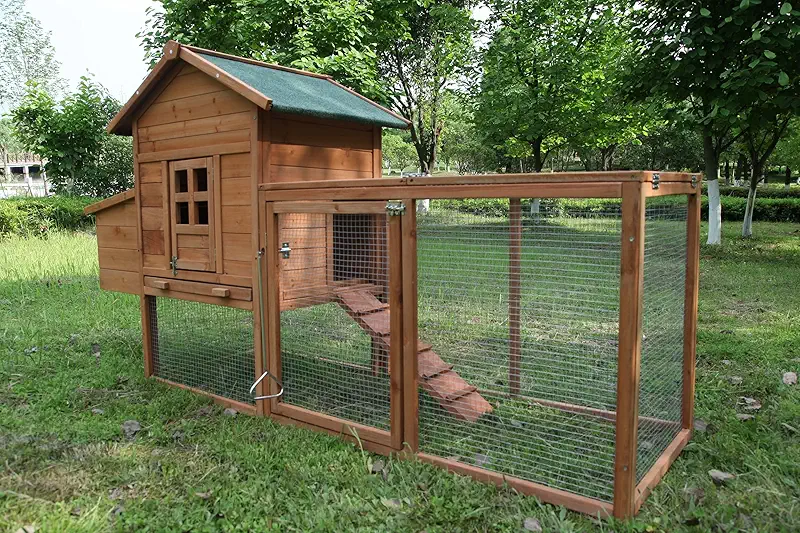
Why an indoor chicken coop can be a smart idea
When I was a kid, our birds stayed outside year-round. My dad would’ve laughed at the idea of an indoor chicken coop. Then one winter we lost half a flock to a hawk, a coyote, and a nasty cold snap, all in the same season. Fancy outdoors didn’t seem so smart anymore.
An indoor chicken coop doesn’t have to mean hens in your living room. It can be in a barn, shed, garage, big porch, or even part of a basement if you manage dust and smells well. The point is simple:
- Keep predators out.
- Keep drafts off the hens.
- Keep you from slipping on ice while checking them at night.
When my wife started helping more with the birds, she told me, “If you want my help, those girls need to be closer to the house.” That’s how our first indoor-style coop was born, tucked into the corner of an old pole barn.
Basic needs of hens in an indoor chicken coop
Hens don’t care if they’re in a fancy designer indoor chicken coop or an old wooden frame, as long as their basic needs are covered. Here’s how I think about it, in plain farmer language.
I aim for at least 3–4 square feet per hen inside the coop. If they’re stuck inside for long stretches (bad weather, predators), more space is better. Crowded birds get cranky, pick feathers, and stop laying.
Indoor doesn’t mean sealed. You want air moving without a cold draft hitting the birds directly. Higher vents work well, and a small fan on low can help move stale air out.
Dry bedding is your best friend. I like pine shavings for most indoor setups. Straw works, but it mats and can get smelly faster. If you smell ammonia, you need more carbon (bedding) or less moisture.
Perches and nest boxes that actually work
Hens want to sleep off the ground. In my indoor chicken coop, I put roost bars higher than the nest boxes so they don’t decide to sleep where they’re supposed to lay. That saves you from cleaning up poopy eggs every morning.
- Perches: about 2 inches wide, with the wide side flat so their feet rest nicely.
- Height: 18–36 inches off the ground, depending on your birds and space.
- Nest boxes: one for every 3–4 hens is usually enough.
- Filling: a good layer of shavings or straw, fluffed up so eggs don’t crack.
My hens still fight over the same two nest boxes, even when I give them plenty. Chickens like to do whatever the other one is doing. They’re worse than kids at a birthday party.
Managing light in your indoor chicken coop
Light is the secret sauce for eggs. Hens lay best when they get about 14–16 hours of light in a day. Outside, the seasons take care of that. Indoors, you’re the sun.
Natural vs. artificial light
If your indoor chicken coop has windows, you’re a step ahead. My first barn coop had one old dusty window. Hens laid better as soon as I cleaned it and added a second opening for more daylight.
For most folks, you’ll want a simple light on a timer:
- Use a basic, low-wattage LED bulb, warm white.
- Put it on a cheap timer so the hens get a steady schedule.
- Increase or decrease light slowly, a few minutes a day, not all at once.
I like to have the light click on early in the morning rather than late at night, so the birds still put themselves to bed with the natural sunset instead of suddenly standing in the dark wondering what happened.
A well-lit, calm coop means fewer surprises when you open the door and more eggs sitting quietly in the boxes.
Keeping smells, dust, and noise under control
Now let’s talk about the part your family will care about: smell and mess. An indoor chicken coop can be surprisingly tidy if you stay ahead of it. If you ignore it, it will remind you… with your nose.
The bedding rhythm I use
Over the years, I’ve tried scraping everything out every week, and I’ve tried a deep litter method that I pretty much ignored for months. Both can work, but with an indoor setup I like a middle ground:
- Start with a good dry layer, at least 2–3 inches deep.
- Every few days, toss down a fresh light layer on top of the old.
- Stir things with a rake or garden fork once a week to keep it from packing down.
- Do a bigger clean-out when you feel the floor getting heavy or the smell creeping up.
I treat the smell like a little “warning light.” If I can smell ammonia, I don’t argue with it; I just grab a fork and some fresh shavings and get to it.
Dust and feathers
Chickens turn feed into dust the way kids turn a clean kitchen into chaos. If your indoor chicken coop shares space with tools or a car, plan for dust:
- Keep the coop walls solid up to at least 2–3 feet to hold bedding and dust.
- Use hardware cloth or wire above that for airflow.
- Sweep or blow out the shared area now and then.
My wife says the dust makes the barn “smell like work,” which I choose to take as a compliment.
Predator and rodent control indoors
Just because the coop is indoors doesn’t mean predators stay away. Raccoons, rats, and weasels can squeeze through holes that look too small to matter. Ask me how I know — I once lost three good layers in one night to something that slipped through a gap the size of my thumb.

What I do for safety
- Use 1/2" hardware cloth, not chicken wire, anywhere a critter might test the fence.
- Make sure every door has two latches or a latch with a carabiner. Raccoons are little burglars.
- Store feed in metal cans if you can, with tight lids.
- Keep the area under the coop clean so rodents don’t turn it into an apartment complex.
An indoor chicken coop makes it easier to hear trouble at night too. More than once I’ve heard a commotion, thrown on my boots, and caught a possum looking guilty by the feed barrel.
Feed, water, and daily routine inside
A good routine makes your hens calm and your life simple. My indoor chicken coop chores don’t take more than 10–15 minutes morning and evening when things are running smoothly.
Water: the quiet troublemaker
Inside, spilled water becomes mud and smell fast. I like waterers that hang or sit on a raised platform so the birds can’t kick bedding into them so easily.

- Check water twice a day, more in hot weather.
- Keep the area under the waterer bare or with a mat, not deep bedding.
- If you use a heated base in winter, keep cords protected from pecking and chewing.
I’ve yet to meet a hen that doesn’t love knocking things over. Plan for spills before they happen.
Feed: keep it steady and boring
For laying hens in an indoor chicken coop, I stick with a good quality layer feed and a simple routine:
- Keep a feeder filled, but not so huge that it sits for weeks.
- Offer grit if they’re not getting natural ground to scratch.
- Give kitchen scraps as a treat, not the main meal.
Too many treats makes eggs drop off and birds get chunky. I tell the grandkids, “Treats are for fun, not for breakfast, lunch, and dinner,” and that goes for birds and kids both.
Letting indoor hens go outside safely
Most hens appreciate a little sunshine and dirt under their claws, even if they sleep in an indoor chicken coop. On our place, we added a simple run off one side of the barn so the birds can come and go on good days.

A few things I’ve learned the hard way:
- Always be able to close the run off if you spot a hawk, stray dog, or fresh tracks in the snow.
- Give them shade outside, just like inside.
- Put the pop door where you can reach it in bad weather without sinking to your knees in mud.
Some folks keep birds strictly indoors, and that can work if you give them enough space and things to do. I throw in a flake of hay or a shovel of leaves now and then so my girls have something to scratch through, even when the weather keeps them inside.
Choosing an indoor chicken coop style
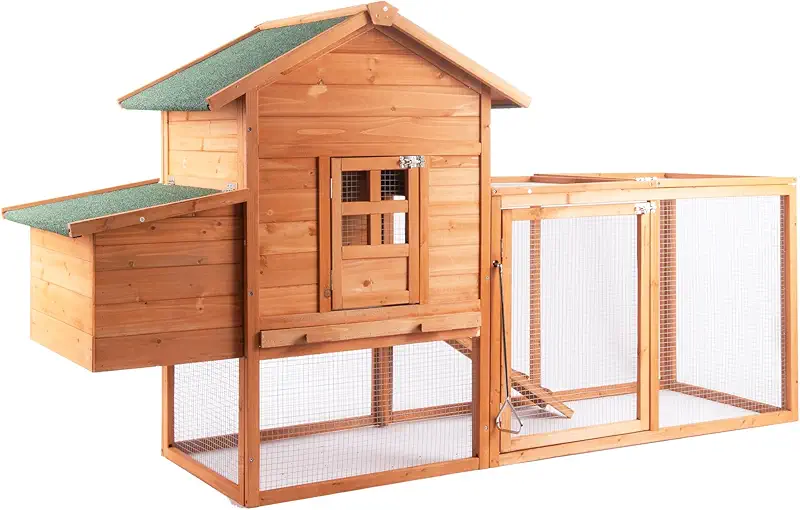
Not everyone wants to build from scratch, and that’s alright. There are a lot of ready-made indoor chicken coop styles that can tuck into a garage, shed, or barn without much fuss.

What I look for in a ready-made coop
- Sturdy frame that won’t wobble the first time a bird jumps up.
- Easy access doors for cleaning and egg gathering.
- Real ventilation, not just tiny token holes.
- Room to add a small run, if you want to down the road.
I’d rather have a simple, sturdy coop that’s a little plain than a cute one that falls apart after the first two winters. Chickens don’t read design magazines; they just want dry, safe, and calm.
My simple daily checklist for an indoor chicken coop
Over time, I boiled my chores down to a checklist. It helps me spot trouble early and keeps the birds laying steady. Here’s the list I run through, morning and evening:

- Glance at every hen: bright eyes, moving well, no one hunched in a corner.
- Check water: clean enough and not empty.
- Check feed: enough for the day, no mold or heavy damp spots.
- Look at bedding: any wet patches or strong smell?
- Check nest boxes: eggs collected, bedding fluffed.
- Look around edges: fresh digging, chewed spots, or droppings that don’t belong to chickens.
This whole routine takes me less time than it does to drink a cup of coffee, but it has saved more birds than I can count.
Common mistakes folks make with an indoor chicken coop
I’ve made most of these myself, so you don’t have to. If you avoid these, you’re already ahead of half the folks who start with laying hens.

- Too small: A cute tiny coop looks good online but feels crowded in real life. Plan room for more hens than you think you’ll want.
- No ventilation: Trying to “keep them warm” by sealing things up usually just traps moisture and smell.
- Feed too close to sleeping area: That encourages mess and pests. I keep feeders a bit away from roosts.
- Forgetting future access: Make sure you can walk in or at least reach every corner. Chickens are experts at hiding eggs.
- Ignoring predators indoors: A barn isn’t a bank vault. Treat indoor walls like outside walls when it comes to security.
If you get space, air, dryness, and safety right, the rest is just fine-tuning.
Indoor chicken coop – FAQs
If you’ve read this far, you’re already ahead of most folks who just grab the first coop they see. Take a slow look at different indoor chicken coop setups, picture where they’d sit on your place, and listen to that little gut feeling that says, “Yep, the girls would be happy there.”
Show me more coops