
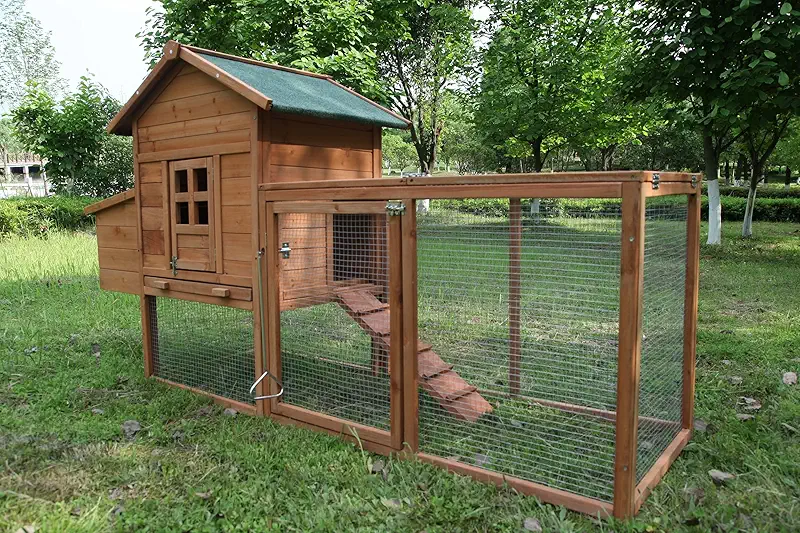
I live where the first frost shows up early, and the last one leaves late. I’ve seen coffee freeze in the mug I left on the porch, and I’ve seen what happens to chickens when the coop isn’t ready for that kind of cold. That’s why I’m such a believer in a solid, practical insulated chicken coop. Not pretty on a poster, but warm, dry, and simple enough that it doesn’t turn into a headache every time the weather changes.
When folks ask me how to keep hens laying through winter, they expect some magic trick. The truth is far less glamorous: good feed, clean water, and a coop that keeps them out of drafts and moisture. Insulation is a big part of that, especially if your winters bite as hard as ours do. I’ve built my own coops out of scrap lumber, and I’ve also used ready-made insulated chicken coop setups. Both can work, as long as you respect what the birds actually need instead of what looks cute on the internet.
Why an insulated chicken coop really matters
Chickens are tougher than most folks think. I’ve had hens walking around in snow like they&rsquore wearing winter boots. But toughness doesn’t mean they thrive in bone-deep cold and damp air. A well-built insulated chicken coop does three main things for you:
- Keeps the worst of the cold and wind off your birds.
- Holds a steady, comfortable temperature with less fuss.
- Cuts down on condensation, frostbite, and respiratory trouble.
I learned this the hard way years back with my first makeshift coop. I slapped up some pallets, some thin plywood, and I thought, “Well, chickens survived on the prairie, mine will be fine.” First cold snap came through, and I walked in one morning to see frost on the inside walls and white tips on a couple of combs. That’s frostbite, and it’s not something you forget once you’ve seen it.
Once I moved those same birds into a small insulated chicken coop, not even anything fancy, the difference was obvious. They were calmer, they spent more time at the feeder and less time huddled in a pile, and the egg basket didn’t go empty when the temperature dropped.
Core benefits of a good insulated coop
- Warmer nights: Less stress on the birds means less feed burned just trying to stay alive.
- Drier air: Insulation and smart ventilation cut the damp that leads to frostbite.
- Quieter flock: Comfortable hens don’t fight and squawk as much.
- More steady laying: They won’t match summer numbers, but you won’t be eggless either.
- Longer coop life: Proper walls stand up better to weather, inside and out.
If you’re thinking about giving your birds a warmer home, it helps to look at a few insulated chicken coop designs side by side. That’s usually when folks realize they can start smaller and smarter than they thought.
Let me see optionsWhat I look for in an insulated chicken coop
Over the years I’ve gotten pickier about coops. Not fancy, just picky. An insulated chicken coop doesn’t have to be big or expensive, but it does need a few things done right. When I walk around a new coop – or scroll through one online – these are the boxes I want to tick.
1. Solid walls and simple, honest insulation
I don’t need designer materials. I need walls that don’t rattle in the wind and insulation that doesn’t turn into a chew toy for every critter within a mile. In my own builds, I’ve used foam board sandwiched between plywood, and I’ve seen prebuilt coops that come with very similar setups.
- Insulation hidden behind an inside wall so hens can’t peck at it.
- No big gaps at corners or along the roof line.
- Sturdy enough that you can lean a shoulder into it without feeling it flex.
Don’t worry about making the coop air-tight. You want warmth, not a sealed jar. Tight enough to block the wind, loose enough to let air move like it should.
2. Ventilation that doesn’t chill the birds
This is where a lot of beginners get tangled up. They think “insulated chicken coop” means “no air gets in or out.” That’s how you end up with damp bedding, icy walls, and sick birds. Good coop design keeps the air fresh without blowing directly on the roosts.
- Vents up high, above the chickens’ heads while they sleep.
- Hardware cloth over openings, never just bare holes.
- A way to close or partly close vents when storms blow sideways.
3. Floor, bedding, and the deep litter trick
An insulated chicken coop really shines when you pair it with deep bedding. I like pine shavings, sometimes mixed with chopped straw. Start with a good base and keep adding clean layers over time. That bedding holds warmth, soaks up moisture, and, when managed right, gives you compost gold for the garden later.
If you’re choosing a coop, I recommend:
- A floor that sits up off the ground, not bare dirt.
- No big cracks for drafts to sneak up from underneath.
- Easy access so you can rake out bedding without crawling like a groundhog.
4. Roosts, nest boxes, and space
Chickens don’t care how pretty the coop looks. They care where they sleep and where they lay. A good insulated chicken coop keeps those simple needs comfortable.
- Roost bars higher than the nest boxes, so hens don’t sleep where they’re supposed to lay.
- Enough room on the roost that they’re not climbing on top of each other.
- Nest boxes that are draft-free but easy for you to reach without acrobatics.
I like to say, “If you can gather eggs without swearing, that’s a good nest setup.” Laugh if you want, but you’ll remember it the first time you&rsquore bent sideways under a low roof.
Real-life winter habits that make insulation work harder
An insulated chicken coop is only half the story. The way you use it each day does the rest. Here are some habits that have kept my flock healthy through more winters than I care to count.
Let the birds tell you the truth
I can talk for hours, but your hens will still be your best teachers. When I walk into the coop at night, I take 30 seconds just to look and listen.
- If they’re piled in one tight ball, it might be too cold or drafty.
- If they’re panting or holding wings away from their bodies, you might be pushing the heat too much.
- If they’re spaced out, quiet, and calm, you’re doing just fine.
I’ve thrown out more bad advice by watching chickens than by reading any book. Your own flock, in your own insulated chicken coop, will tell you when you’ve got it right.
Feed and water on cold mornings
In real cold weather, your birds burn a little more fuel just to keep themselves warm. I like to give a small bump in calories in the evening – a little scratch grain before roost time, or an extra scoop of feed. Nothing wild, just enough to take the edge off.
Water is the big headache. I’ve broken enough ice out of metal pans to last several lifetimes. Inside an insulated chicken coop, the water lasts longer before freezing, but it still needs checking. Heated waterers can help, or at least keeping the waterer off the floor and away from drafts.
Daily winter check-in routine
- Quick walk-through at roost time: look at combs, feet, and behavior.
- Hand near the walls: feel for damp, not just cold.
- Check bedding: if it smells sharp like ammonia, it’s time to stir and add fresh layers.
- Vent position: cracked open enough for airflow, not enough for a gale.
Examples of insulated chicken coop styles
I’ve used or helped neighbors with just about every style of coop you can imagine: little backyard tractors, medium shed-style coops, and big barn conversions. Insulation makes a difference in all of them, just in slightly different ways.
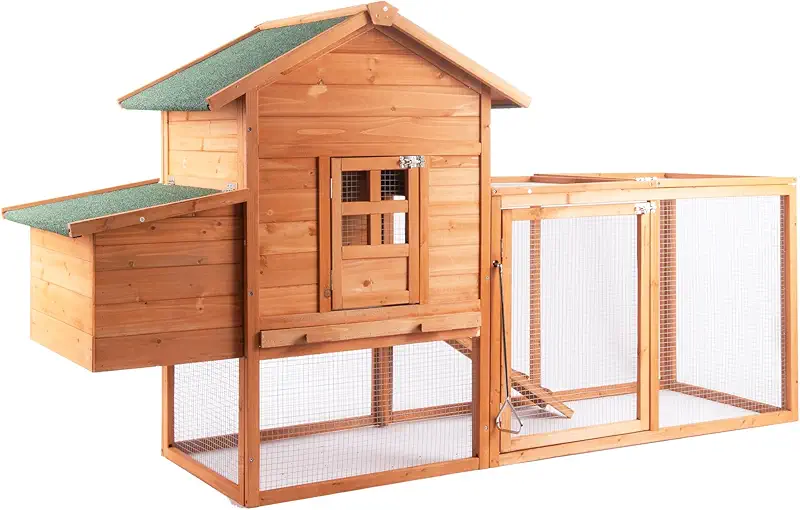

Small backyard insulated coop
Good for a handful of birds. These are often ready-made units you can set up in an afternoon. The trick with the small ones is avoiding overcrowding. Too many birds in a tiny insulated chicken coop and the air turns damp fast.
For a city or suburban backyard, I usually suggest:
- Enough space so each hen has comfortable roost room.
- A run attached, or some sort of secure yard, so they’re not coop-bound all day.
- Roof overhangs and decent roofing so you’re not chasing leaks every storm.
Medium walk-in insulated chicken coop
This is my personal sweet spot. Big enough that I can walk in standing upright, small enough to still hold heat well. I can hang feeders, put water on blocks, and collect eggs without a morning stretching routine.


If you’re serious about eggs for the family, and maybe a few cartons for neighbors, a walk-in insulated chicken coop is worth thinking about. It’s easier to keep clean, easier to check birds, and a lot easier on your back.
Larger barn-style setups
On bigger operations, folks often insulate part of a barn or shed instead of using a stand-alone coop. I’ve done this with an old outbuilding myself. You frame off a section, add insulation to the walls and ceiling, and set it up just like a big coop.


The same rules still apply: dry, draft-free, with good air movement up high. Bigger spaces take more thinking to keep warm, but they can be wonderful for the birds if done right.
My honest thoughts on choosing your first insulated coop
If this is your first winter with birds, don’t get overwhelmed by all the pictures and opinions out there. You don’t need a palace. You need something safe, warm, simple, and easy to live with. That’s it.
When a neighbor asks me which insulated chicken coop they should look at, I usually tell them this:
- Count your birds, then plan like you’ll have a few more next year.
- Think about how often you really want to bend, crawl, and lift heavy things.
- Look for honest materials, not just pretty paint.
- Remember that winter will test every shortcut you take.
You and your hens are going to spend a lot of time around this coop. It ought to feel like a good, steady tool, not a fragile decoration you’re afraid to touch.
There are plenty of insulated chicken coop options out there that fit that bill. Some are small and tidy for town yards. Some are big enough to feel like a small barn. The right one is the one you’ll actually care for and keep up with.
If you want to see what different insulated setups look like, from tiny backyard coops to walk-in houses, it helps to scroll through a bunch in one place and let your own flock size and climate guide your eye.
I’ll browse calmly
FAQ about insulated chicken coops
Do chickens really need an insulated chicken coop?
Chickens can live without insulation, but they do a whole lot better with it in cold and windy places. Tough birds can survive bad conditions, but “survive” isn’t the same as “thrive.” With a simple insulated chicken coop, they use less energy just staying warm, they keep laying more steadily, and they’re less likely to get frostbite or respiratory issues.
Think of it like this: you could sleep in a tent all winter, but a small cabin makes life a lot more pleasant. Your hens feel the same way.
Won’t insulation make the coop too hot in summer?
Not if you match it with good ventilation and shade. Insulation slows down temperature swings. In winter, that means the coop stays warmer. In summer, it helps keep the midday heat from baking the birds right away.
I keep extra vents open in hot weather and make sure the coop has shade in the afternoon. My insulated chicken coop stays surprisingly comfortable, and the birds are a lot happier than they would be in a thin metal shed.
What’s the best bedding for an insulated chicken coop?
I lean toward pine shavings. They’re easy on the feet, they smell clean, and they soak up moisture well. In deep winter, I use the deep-litter method: start with a good base and keep adding fresh layers as needed. The bedding breaks down slowly and builds gentle warmth from the composting action.
Straw can work too, but it needs more stirring so it doesn’t mat down and hold moisture. Whatever you choose, dry is more important than fancy.
How many vents should an insulated chicken coop have?
Enough that the air never feels stuffy or damp when you step inside. That can be a couple of long vents along the top of the walls or several smaller openings, all covered with hardware cloth. The key is that cold air doesn’t blow right on the roosts where the birds sleep.
I tell people to use their nose: if you smell ammonia or heavy “chicken smell” when you open the door, you need more ventilation, not less, even in winter.
Is a heat lamp necessary if the coop is insulated?
In most cases, no. A good insulated chicken coop with dry bedding and proper ventilation is plenty for healthy adult birds in many climates. Heat lamps can be risky – I’ve seen too many barn fires start that way.
I only consider extra heat for extreme cold or for fragile birds, and even then I use safer options like well-secured radiant heaters, never bare bulbs hanging where a flapping hen can hit them. For most flocks, insulation, good feed, and dry air are enough.
Somewhere out there is a simple, sturdy insulated chicken coop that fits your birds, your yard, and your weather just right. Take your time, trust your common sense, and let those future eggs do some of the talking.
Show me all coops