
Large chicken coop kit
I’ve been raising laying hens for more years than my knees care to admit. One thing I learned the hard way: a solid large chicken coop kit is worth more than a shiny new tractor. It keeps your birds safe, your chores simple, and your mornings full of fresh, clean eggs instead of muddy surprises.
On this page I’ll walk you through how to think about a large chicken coop kit like a working farmer does. Simple language, real stories, and practical tips you can use in your own backyard, whether you’ve got six hens or a noisy little flock that already thinks they own the place.
Let me see options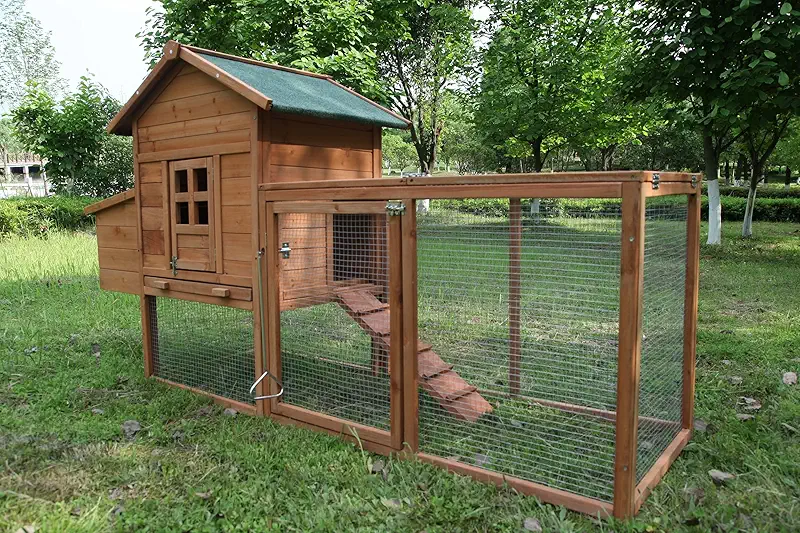
Why a large chicken coop kit changes everything
When folks first start with chickens, they usually think, “Oh, I’ll just build something quick from scrap wood.” I did that too. My first coop looked like something the wind forgot to blow over. By the first winter, the roof sagged, the door stuck, and the hens gave me that look that said, “We deserved better, old man.”
A good large chicken coop kit takes a lot of that trial and error out of the picture. The pieces are made to fit, the layout is already thought through, and you can focus on what matters: healthy hens, dry bedding, and eggs that don’t freeze, crack, or get stomped on in a crowded nest box.
A larger coop isn’t just about spoiling your birds. It’s about:
- Giving each hen enough space so they don’t start pecking and bullying.
- Keeping the air moving and the bedding dry so you don’t fight smell and sickness.
- Making chores easy enough that you still like your birds after a long workday.
- Having room for a few extra hens when “just six” quietly turns into “well, maybe twelve.”
I remember one winter storm in Iowa. Wind howling, snow sideways, the kind of day that makes you question your life choices. I stepped into the coop, and it was calm: dry bedding, quiet clucks, and warm eggs in the boxes. That’s when I stopped thinking of a coop as a shed and started thinking of it as a house I was responsible for.
How big should your large chicken coop kit really be?
Numbers get tossed around all the time. On the farm, we use rules of thumb, not fancy charts. For a large chicken coop kit that will actually feel roomy, I tell folks:
- 4 square feet per hen inside as a bare minimum.
- 5–6 square feet per hen if you get cold winters or keep them in more.
- 8–10 square feet per hen in an outside run.
So if you’re dreaming of a dozen hens, you want around 60–70 square feet inside if you can swing it. A lot of “large” coops in pretty pictures are really only happy homes for about half the birds they claim.
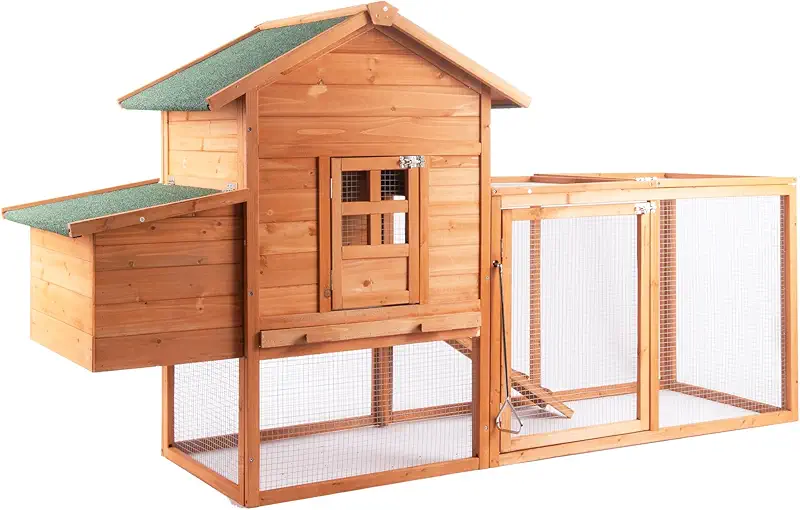
Key features to look for in a large chicken coop kit
All coops are not created equal. Some look nice in a picture but won’t see you through one rough season. When I help neighbors pick a large chicken coop kit, here’s what I tell them to check, plain and simple.
1. Solid frame and weather-resistant materials
Thin, soft wood and weak hardware don’t last long against rain, snow, and raccoons with an agenda. Look for:
- Sturdy lumber or metal frame that doesn’t wiggle when you push it.
- Roofing that sheds water well and doesn’t leak around the edges.
- Hardware cloth (not just chicken wire) on windows and vents.
On my place, the coops that survived the longest were the ones that felt heavy and solid even before we put birds in them. If it feels flimsy on day one, it won’t magically get stronger after a few storms.
2. Ventilation without draft
Chickens hate damp air more than cold air. A large chicken coop kit needs good vents up high so the moisture from their breath and droppings has somewhere to go. But those vents must not blast cold air right at the roost.
3. Comfortable roosts
Chickens like to sleep off the ground. In a large coop, you want plenty of roost space, about 8–10 inches per bird. Round edges or wide flat boards are kinder to their feet than skinny little perches.
4. Enough nest boxes (and then one more)
A common rule is one nest box for every 3–4 hens. I cheat and go a bit higher. Hens can all decide the same box is “the special one,” and then you get egg pile-ups and broken shells.
5. Easy access for cleaning
Trust me on this. A coop that’s hard to clean is a coop that won’t get cleaned as often as it should. Look for:
- Big doors or removable panels so you can rake and shovel without twisting like a pretzel.
- Floor that can handle deep bedding and a good scrape now and then.
- Nest boxes you can reach without crawling on your knees.
6. Predator protection
Out here, everything seems to want chicken for dinner. Raccoons, foxes, coyotes, even neighbor dogs. A large chicken coop kit should have:
- Locks or latches that take more than a clever raccoon paw to open.
- Buried wire or a solid skirt around the run to stop digging.
- Windows covered in sturdy hardware cloth, not just decorative trim.
Setting up your large chicken coop kit step by step
A good kit makes setup a lot easier, but where and how you place it matters just as much. Here’s how I walk through a new build on the farm.
1. Pick the right spot
I like a slight hill or at least a spot that doesn’t turn into a pond when it rains. Chickens and mud don’t mix well. Give them some sun in winter and, if you can, a bit of afternoon shade in summer.
2. Think ahead about water and power
You may start simple, but one icy January morning you’ll wish you had an outlet for a heated waterer or a safe light on a timer. The closer you are to water and power, the better your future self will like you.
3. Build it square and level
Don’t rush this part. A large chicken coop kit that sits level will:
- Last longer.
- Have doors that open and close without cussing.
- Keep rain from pooling along one edge.


4. Plan your bedding and cleaning routine
You’ve got options: straw, wood shavings, or deep-litter methods. I use pine shavings most of the time. They soak up moisture, smell decent, and make a fine garden compost later on.
For a larger coop, I like to:
- Do a light rake every few days in busy seasons.
- Add fresh shavings weekly over the old layer.
- Do a full clean-out a few times a year, depending on how many birds are inside.
Keeping laying hens happy in a large chicken coop kit
A big coop lets your hens stretch their wings, but it’s your daily habits that keep them laying strong. Over the years, I’ve settled into a simple rhythm that works for both me and the birds.
Morning routine
I head to the coop with coffee in hand. First thing, I check:
- Fresh water, not frozen or dirty.
- Feed level and feeder cleanliness.
- General flock mood: anyone acting slow, fluffed, or off to the side.
A large chicken coop kit makes it easier to spot troubled birds, because they’re not all jammed together in one crowded clump.
Daytime comfort
Inside a roomy coop, your hens should be able to:
- Move from feeder to water without shoving.
- Hop up to roosts and down again without landing on somebody’s head.
- Slip into a nest box without being bullied out.
If you see feather picking, bare backs, or one hen getting chased constantly, you either have a personality problem in the flock or a space problem. Often it’s both.
Night check
At dusk I like to take one more look. Doors latched, vents properly set, everybody on the roosts. In a large coop you can walk in, shine a small light, and quietly count heads without starting a panic.
Predator-proofing your coop and run
A big coop is no good if you’re just serving up a buffet to the local wildlife. On my farm, if there’s even a small gap, something will find it eventually.
Common troublemakers
- Raccoons – clever hands, open simple latches like a cranky teenager opening a fridge.
- Foxes and coyotes – diggers and testers of weak spots.
- Hawks and owls – air patrol, especially dangerous in open runs.
- Dogs – sometimes play, sometimes hunt, either way bad for chickens.
Simple defenses that work
- Use secure latches that need two motions to open.
- Run hardware cloth at least a foot into the ground or in a wide skirt around the run.
- Close coop doors at night, even if you have a covered run.


Winter and summer care in a large chicken coop kit
A good coop makes the seasons easier, but you still have to give nature a little help.
Winter in a large coop
In cold states, folks often think they need to seal everything up tight. That’s how you get frostbite on combs and wet bedding. Even in a large chicken coop kit, keep:
- Vents open up high to let moist air escape.
- Draftsblocked at bird level with boards or bales.
- Bedding deep and dry, especially under the roosts.
I don’t heat my coops unless we’re in extreme cold. Instead, I focus on keeping things dry and draft-free, and making sure the birds go to bed with full crops.
Summer in a large coop
Heat can be harder on chickens than cold. In summer, your large coop should:
- Have plenty of shade and cross-breeze.
- Offer fresh, cool water in more than one spot.
- Give them enough space to spread out instead of piling together.

Common mistakes folks make with a large chicken coop kit
I’ve made just about every mistake in the book, so you don’t have to. When people ask where they usually go wrong, these three come to mind.
1. Believing the “maximum chickens” number on the box
Those numbers are often written for birds standing shoulder to shoulder like it’s rush hour. For a truly comfortable flock, cut that number down. If a kit claims to hold 12 hens, I’m thinking more like 6–8 layers, especially if you’re somewhere with long winters.
2. Forgetting about the run
The coop is the bedroom and kitchen, but the run is the living room. A large chicken coop kit should either include a generous run or be easy to attach one. Crowded runs lead to bored chickens, and bored chickens make trouble.
3. Ignoring future plans
Maybe you start with a handful of birds. Then you meet a breed with blue eggs. Then another with funny feathered feet. Next thing you know, you’re out of room again. Better to choose a coop a bit bigger than you think you’ll need.

FAQ about choosing a large chicken coop kit
If you’ve read this far, you’re already the kind of person your chickens can count on. Take a slow look through the different large coop styles, picture your birds in there, and pick the one that makes daily chores feel simple in your gut.
Show me all coops