
Lime For Chicken Coop
After a few decades of gathering eggs at sunrise and shoveling out coops long after dark, I’ve learned that a clean, dry chicken house is worth more than the fanciest feeder. Using lime for chicken coop care is one of those simple, old‑fashioned tricks that still works like a charm.
On this page I’ll walk you through how I use lime in my own coops to keep smells down, moisture in check, and hens laying steady, without risking their health or yours.
Lime for chicken coop
When folks ask me how I keep my coop from smelling like the wrong end of a pig barn, I usually smile and say, “Good habits, plenty of fresh bedding, and a bit of lime in the right place.” Lime for chicken coop maintenance has been in my family longer than most of our tractors, but the trick is knowing what kind of lime to use, how much, and when to walk away and let it work.
I still remember my first summer with a bigger flock. Hot, humid, and I’d overstocked the coop because, well, baby chicks are hard to say no to. Within a couple of weeks the ammonia hit me like a slap in the face every time I opened the coop door. The hens weren’t happy either. They were coughing, and egg production dipped. That was the season I got serious about lime, ventilation, and a smarter cleaning routine.
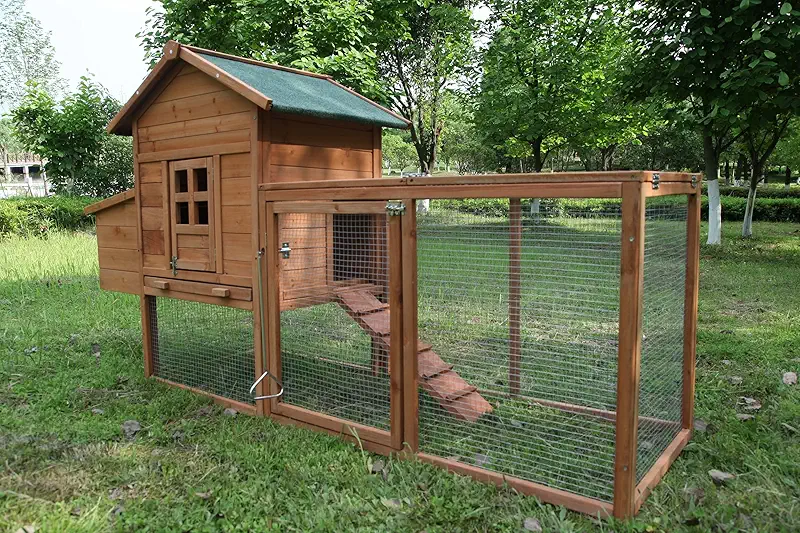
These days I use lime for chicken coop care the same way I use coffee in the morning: not optional. Spread under the bedding, used around the outside runs, and sprinkled in the problem spots, lime helps control odor, moisture, and some surface nasties. But it has to be the right kind of lime and used with some common sense. Otherwise, you can do more harm than good.
Types of lime for chicken coop care
Before you go tossing “lime” around the coop, let’s get clear on what we’re talking about. Not all lime is the same, and some of it has no business near your birds.
1. Agricultural lime (the safe everyday helper)
This is usually called ag lime or garden lime. It’s basically crushed limestone, mostly calcium carbonate. It is:
- Safe for chickens when used with normal sense.
- Gentle on skin and bedding.
- Slow‑acting, but steady in helping neutralize acidity and reduce smells.
This is the lime I use inside the coop, under bedding and in the run. It doesn’t burn, and I don’t have to worry if a curious hen pecks around where I spread it.
2. Hydrated or quick lime (the one to avoid in the coop)
Hydrated lime, also called quick lime or slaked lime, is a different beast. It’s more caustic and can:
- Irritate eyes, lungs, and skin.
- Burn tender chicken feet and combs.
- Create dust you really don’t want to breathe.
There are folks who use it in empty buildings or on old manure piles, then let the area sit for weeks before letting animals near it again. Personally, I keep it far away from the chicken yard. Lime for chicken coop use, in my book, means soft agricultural lime, period.
Why use lime in a chicken coop?
On paper, lime for chicken coop maintenance sounds simple. In real life, you notice the difference when you step into the coop on a wet spring morning and it smells like clean straw instead of a gas station restroom.
1. Odor control and ammonia management
Chicken droppings break down fast, especially in warm weather. As they do, they release ammonia. Your nose doesn’t like it, and your hens’ lungs like it even less. Ammonia can irritate their eyes, damage respiratory systems, and open the door to other diseases.
Agricultural lime helps by:
- Neutralizing acidity in the bedding mixture.
- Making the environment less friendly to some odor‑causing microbes.
- Helping keep the coop smelling more like hay and less like a dirty locker room.
I can usually tell when I’ve been lazy with lime. I’ll open the coop after a few damp days and feel that little sting in my nose. That’s my signal to grab the rake and the lime bag.
2. Moisture control
A wet coop is a sick coop. Moisture:
- Makes bedding clump and mat down.
- Encourages mold and bacteria.
- Makes the floor cold and hard on feet and joints.
Lime helps by absorbing some moisture and working together with dry bedding to keep the floor more comfortable. It’s not a replacement for fixing leaks or improving drainage, but it sure helps me stretch the life of my bedding between big cleanouts.

3. A less inviting place for pests
No, lime won’t magically erase every bug that thinks your coop is a bed‑and‑breakfast, but it can make life a bit tougher for some parasites and insects. Combined with clean habits and dry bedding, it helps the coop stay less attractive to flies and other uninvited guests.
How I use lime in my own chicken coop
Over the years I’ve settled into a simple routine with lime. Nothing fancy, no precise measuring cups, just good habits and paying attention to what the coop is telling me.
Step 1 – Clean down to the base
First, I shovel out the old bedding. In deep‑litter coops I don’t always go all the way to bare floor, but I do remove the wet and caked layers. If you skip this step and just keep sprinkling lime over muck, you’re basically seasoning the problem instead of fixing it.
Step 2 – Light sprinkle of lime on the floor
Once I’ve exposed the base layer or the floor, I spread a light dusting of agricultural lime. A little goes a long way. I’m not trying to turn the coop into a snowfield. If you see thick, white piles, that’s too much.
I like to use:
- A small scoop or old plastic cup.
- Broad, gentle swings of the arm to spread it evenly.
- A simple paper or dust mask if I’m working in a tight space.
- Old bedding out of the main traffic areas.
- Floor dry to the touch, no standing water.
- Thin lime layer, no clumps or piles.
- Fresh bedding on top before birds come back in.
Step 3 – Fresh bedding on top
Lime should never be the top layer where chickens are walking directly on powder. I always cover the limed floor with:
- Dry pine shavings, or
- Chopped straw, or
- A mix of both, depending on what I’ve got on hand.
The hens scratch through the bedding, the bedding mixes with their droppings, and the lime quietly does its job underneath. It’s not flashy, but it works.

Step 4 – Touch‑ups under roosts and in corners
The spots that collect the most droppings are:
- Directly under the roosts.
- Beside feeders and waterers.
- Along the damp back corners of the coop.
Every couple of weeks (more in summer), I:
- Rake back the top bedding in those spots.
- Add a very light sprinkle of lime.
- Cover it back up with the same bedding or a small amount of new bedding.
It’s a five‑minute job that saves me a lot of nose‑wrinkling later.
Using lime around the outdoor run
Lime for chicken coop care isn’t just an indoor thing. The run can get slimy when rain and droppings mix, especially near feeders and waterers. That’s when I bring the lime bucket outside.
Where I use lime outside
- Around water stations where splashes make muddy spots.
- In high‑traffic zones where droppings build up fast.
- On bare soil patches that stay damp and smelly.
I like to spread lime lightly on a dry day, scratch it into the top layer of soil with a rake, and then let the weather work with me. If a heavy rain is coming, I’ll usually wait; there’s no sense in watching all your hard work wash away.

Just like inside, I keep lime and fresh bedding working together. In really spongy runs, I’ll toss down some coarse wood chips or straw over the limed soil to build a drier base for the birds to walk on.
Staying safe when using lime in your coop
Lime for chicken coop care is simple, but you still want to treat it with respect. We’re not seasoning a stew; we’re nudging the environment in a better direction.
Keep dust down
Even agricultural lime can be dusty. A little common sense goes a long way:
- Don’t dump big clouds of it into the air.
- Use calm, wide motions to spread a thin layer.
- Wear a cheap dust mask if you’re inside a tight coop.
- Keep birds outside while you’re working, and give the dust a few minutes to settle.
Don’t overdo it
More lime doesn’t mean more benefit. Too much can dry things out so hard the bedding stops breaking down properly, and your coop turns into a crumbly mess instead of a soft, earthy base.
Store lime like feed
I store my lime bags:
- Off the ground, on a pallet or shelf.
- In a dry shed, away from rain and snow.
- Closed up so it doesn’t clump or spill where kids or animals can get into it.
A simple plastic tote or barrel with a lid works great for long‑term storage. It also keeps you from dragging half a bag through the mud every time you need a scoop.
Lime, deep litter, and healthy hens
I’m a big believer in the deep‑litter method for most backyard coops. Instead of stripping all the bedding every few days, I:
- Add fresh, dry bedding on top regularly.
- Turn the litter with a rake or fork to keep it from matting.
- Use lime under the base layer and in specific problem spots.
Over time, that litter starts to compost right in the coop. On cold winter days, the hens get a little extra warmth from the slow breakdown underneath their feet. When it’s time to remove it, you’ve got some pretty fine garden material.

Lime for chicken coop deep‑litter systems is a quiet partner. You don’t see it doing much, but you notice:
- Less smell when you stir the bedding.
- Fewer wet, sour patches.
- Hens spending more time scratching happily and less time avoiding certain corners.
I like to say, “If the hens are busy scratching, singing, and arguing about nest boxes, the coop is doing its job.” Lime just helps keep the stage set for that.
Common mistakes when using lime in chicken coops
I’ve made just about every mistake you can with a coop, so you don’t have to. Here are the big ones I see with lime:
Using the wrong kind of lime
Grabbing hydrated or quick lime because it’s cheaper or closer on the shelf is a shortcut you’ll regret. Stick with agricultural or garden lime. Your birds’ eyes, lungs, and feet will thank you.
Putting lime right where birds dust bathe
Chickens love to throw dust all over themselves. That dust ends up in their eyes, nostrils, and every feather. Don’t use lime in their favorite dust‑bathing spots. Let them enjoy good, clean soil, wood ash, or fine sand instead.
Thinking lime replaces fresh air
I’ve seen coops freshly limed, full of deep litter, but closed up tight “to keep the chickens warm.” The air inside would knock a grown man down. Lime is not a replacement for airflow. Your coop should have:
- Good vents up high to let ammonia and moisture escape.
- No drafts right at roost level.
- Enough space per bird so they’re not stacked like firewood.
FAQ – Lime for chicken coop questions I hear all the time
Used correctly, agricultural lime is generally safe around chickens. I always spread a light layer, keep birds outside while I’m working, and cover the lime with fresh bedding. I’ve used it this way for years without issues. The key is not letting it sit on top as bare powder where they’ll breathe or scratch it up directly.
In my own coops, I use lime:
- Every major cleanout, as a thin layer on the base.
- Every couple of weeks under roosts and in damp corners.
- Occasionally in the outdoor run when areas get muddy and smelly.
If everything smells fine and the bedding is dry, I don’t feel the need to keep adding more “just because.”
No. Lime for chicken coop odor is a helper, not a fix‑all. If your coop is overcrowded, has poor ventilation, or water is leaking in, you’ll still have problems. First fix the basics: fewer birds, more fresh bedding, better airflow, and no leaky roofs or waterers. Then lime can help you hold that good environment longer.
I’ve spread composted coop bedding, with lime in it, on my gardens for years. As long as you’re using moderate amounts of agricultural lime in the coop and letting the bedding compost or age, it usually makes a fine soil amendment. Just don’t dump fresh, hot litter in big piles on tender plants. Let it break down first, and your tomatoes will be just as happy as your hens.
If your coop smells clean, the litter is dry, and your birds are healthy, you’re doing something right. Lime isn’t mandatory; it’s just another tool to make things easier, especially through wet seasons and hot summers. I think of it like a good pair of work gloves: life goes on without it, but the job is more comfortable with it.
Putting it all together: a calm, clean coop for steady eggs
At the end of the day, lime for chicken coop care is just one piece of a simple picture: clean, dry ground, fresh air, and hens that feel safe enough to lay well. I don’t baby my birds, but I do respect them. They pay their rent in eggs, and the least I can do is give them a house that doesn’t burn their lungs or soak their feet.

If you stick with the basics—right kind of lime, light layers, fresh bedding, good airflow—you’ll notice the difference the next time you step into the coop. Instead of holding your breath, you’ll find yourself listening to the soft clucks and that low, contented murmur hens make when everything feels just right. That sound, to me, is worth every bag of lime I’ve ever carried.

When you’re ready to look over different coop setups, flooring styles, and layouts that make good use of lime and bedding, there are plenty of options to match your flock size and your backyard. Some designs make it easier to clean and lime than others, and your back will thank you later for choosing wisely.
