
Medium chicken coop
Medium Chicken Coop
I’ve been raising laying hens out here in the States for more years than I care to count, and I’ll tell you this: a good medium chicken coop is worth more than a shiny new tractor on a frosty January morning. When the wind howls and your girls are still laying steady, you’ll know you picked the right setup.
On this page we’ll walk through how to choose and use a medium chicken coop that keeps your flock safe, calm, and laying those rich, orange-yolk eggs we all love. I’ll keep it simple, share what has worked on my farm, and sprinkle in a few hard‑earned lessons from the days I did things the wrong way.
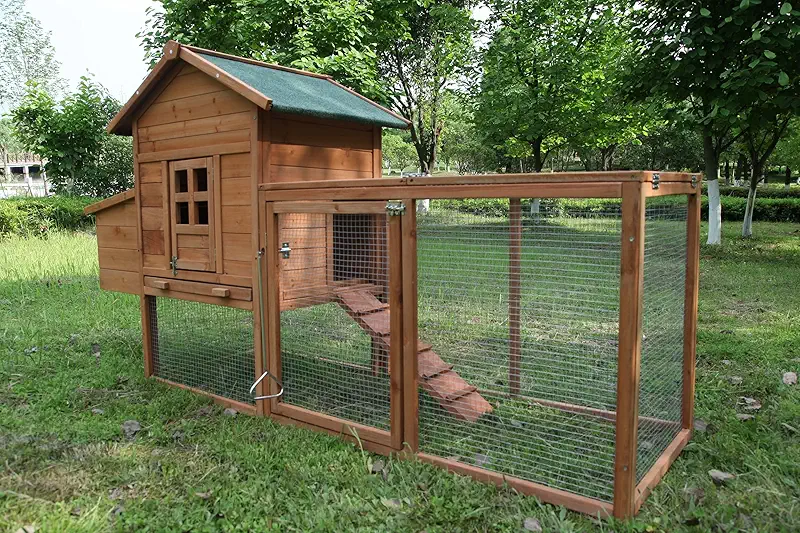
A medium coop hits that sweet spot: big enough for a solid backyard flock, small enough that you’re not cleaning a barn every weekend. Think of it as the family minivan of chicken housing. Not flashy, but you sure miss it when it’s gone.
As you read, imagine your own yard, your climate, and your birds. Every farm is a little different, but the basics of good housing stay the same: space, fresh air, dry bedding, and protection from critters that like chicken dinners as much as we do.
Let me check thisWhat “medium” really means for a chicken coop
Folks toss around the word “medium” like it means the same thing to everyone. Out here, “medium” usually means a coop for about 4 to 10 standard laying hens, depending on how you manage them. It’s not for two pet Silkies, and it’s not a walk‑in barn either.
Inside the coop, I aim for around 4 square feet of indoor space per standard hen if they’re out free‑ranging most days. If they’re more confined, closer to 5 square feet each keeps tempers calm and feathers on. Crowded hens are noisy, crabby, and they’ll pick on the weaker girls. A medium chicken coop that pretends to hold 10 hens but gives them 15 square feet total is just a small coop with big dreams.
Outside, a run with at least 8 to 10 square feet per bird is where I’ve seen the best behavior and egg production. More space means fewer “hen dramas.” I’ve had flocks where everyone got along fine, right up until I tried to squeeze in three more birds. Overnight they turned into a soap opera.
Count your birds as if you’ll have a couple more next year. Most of us do. Then pick a coop size for that future number, not just what you have today.
Key features to look for in a medium chicken coop
Over the years I’ve tried about every style of coop you can name. The cute little dollhouse ones, the heavy‑duty boxes on skids, even a converted doghouse or two. The ones that lasted all had a few things in common.
1. Solid predator protection
Where I live, everything likes chicken: raccoons, foxes, hawks, even the neighbor’s dog if he gets ideas. A good medium chicken coop stands up to the night shift. Look for:
- Sturdy doors that actually latch (not just a little hook a raccoon can open).
- Half‑inch hardware cloth on windows and vents, not flimsy chicken wire.
- A run wrapped in hardware cloth, with the bottom buried or flared out to stop diggers.
- Good framing so the coop doesn’t twist, loosen, and open gaps over time.
I remember one summer when a raccoon found a loose corner of my old coop. One hen gone and three spooked half to death. After that night, I stopped thinking of wire and latches as “extras” and started treating them like life insurance.
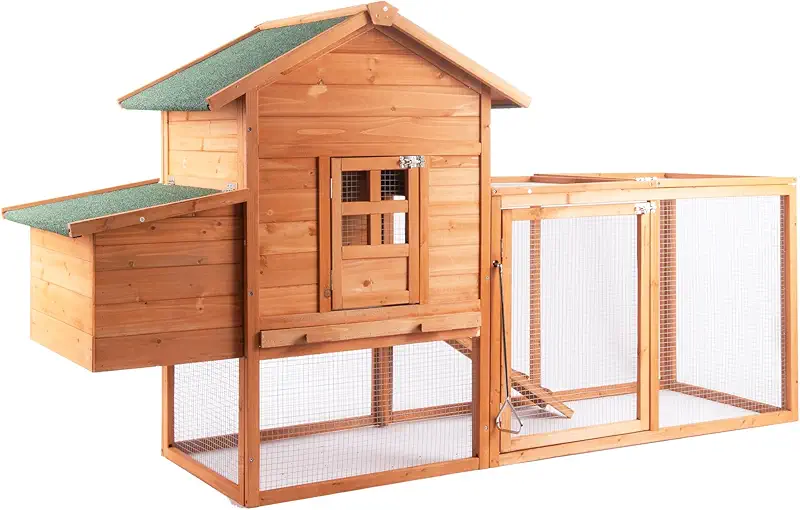

2. Smart ventilation without drafts
Chickens handle cold better than damp. What really gets them sick is moisture and ammonia from droppings. A medium chicken coop should have vents up high, so the bad air rises out and fresh air comes in without blowing directly on the birds.
I like long vents near the roof line on two sides, covered in hardware cloth. On cold nights I’ll close part of them, but I never seal a coop tight. The one winter I tried to “keep them warm” by shutting everything, the hens coughed, the combs got pale, and the whole place smelled like a locker room. Lesson learned.
3. Easy‑to‑clean layout
If cleaning the coop feels like a wrestling match, you won’t do it as often as you should. And I say that as someone who’d rather fix fence in a snowstorm than scrub dried poop out of a corner.
- Look for big access doors you can actually reach through.
- Removable roost bars or droppings trays make life easier.
- A smooth floor and few “awkward corners” mean faster scraping.
The coops I stick with are the ones where I can step in, scrape, toss fresh bedding, and be out again before my coffee gets cold.
4. Enough nesting and roost space
Hens have opinions. Give them too few nest boxes and they’ll all stuff into one corner anyway and complain about it. For a medium chicken coop, I like:
- One nesting box for every 3–4 hens.
- Roost space of 8–10 inches of perch per bird.
- Roosts higher than the nest boxes, so they don’t sleep in the nests.
When my girls sleep in the nest boxes, I know I got something wrong: either the roost is too skinny, too low, or too drafty. Fix that, and suddenly they act like I built them a chicken hotel.
5. Weather‑wise roof and siding
Rain has a way of finding every tiny crack. A medium chicken coop doesn’t have to be fancy, but it does need:
- A roof with enough slope so water runs off, not in.
- Decent roofing material that won’t rot or blow away.
- Siding that sheds water and holds paint or sealer well.
I always tell folks: you’re not just keeping hens dry, you’re keeping feed and bedding dry. Wet feed is wasted money, and wet bedding turns the coop into a swamp.

Matching your flock to your medium chicken coop
Before you fall in love with any coop, think about the birds you’ve got and the birds you’ll likely end up with. Most of us start with a small flock and then walk past the feed store in spring and say, “Oh, I’ll just grab a few more chicks…” Next thing you know, that “medium” coop feels like a studio apartment.
Think in seasons, not weeks
A coop that works in mild spring weather might feel cramped in a cold snap when birds stay inside longer. I like to plan for the worst month of my weather, not the best.
- In cold climates, aim for a touch more indoor space.
- In hot climates, focus on shade, breezes, and a roomy run.
- If your winters are wet, prioritize a dry, sheltered run area.
When my hens are stuck inside because the ground is a skating rink, I’m always grateful I didn’t skimp on floor space. Otherwise, I start seeing missing feathers and hearing trouble long before I open the door.
Breed size and personality
A medium chicken coop for ten tiny bantams is one thing; the same coop for eight big Orpingtons is another story. Heavier breeds take more room on the roosts and floor.
Some breeds are more active and bossy. My Leghorns act like they’ve had too much coffee. They pace, fly, poke their beaks into everything. They appreciate a big run and plenty of vertical space. My heavier girls are calmer and happy to shuffle around, so interior layout matters more than height.

When space, roosts, and nests fit your flock, you’ll notice it in the egg basket. Birds that aren’t stressed lay more, and they lay in the right place instead of under the bushes where you’ll find them three weeks later.
Daily and weekly care for a medium chicken coop
A well‑designed coop makes chores quick. I do my rounds with a coffee mug in one hand and a feed scoop in the other, and I like to be back in the house before the toast pops. Here’s how I keep a medium chicken coop running smooth without it taking over my life.
My simple chore routine
- Top off feeders and waterers.
- Glance at vents and windows for any damage.
- Quick scoop of the worst droppings under the roost.
- Check nest boxes and collect eggs.
- Walk the outside of the run for holes or loose wire.
- Look each bird over: bright eyes, clean vents, good appetite.
You don’t have to make it complicated. The secret is doing a little bit often, instead of a big, miserable cleanup twice a year.
Deep bedding vs. light cleanouts
On my medium coops, I usually run a deep bedding system in colder months. I start with a thick layer of dry shavings or chopped straw and add a fresh sprinkle every few days. It composts slowly underneath, giving off a little warmth.
In warm weather, I go lighter: less bedding, more frequent cleanouts. Too much bedding in heat just traps moisture and smells. Either way, a medium chicken coop with a flat, solid floor is much easier to rake and shovel than one with cracks and gaps.


Setting up your medium chicken coop for happy layers
Once your coop is sitting in the yard, the way you set it up makes a big difference. A few small tweaks at the beginning can save you months of chasing escape artists and hunting for hidden nests.
Cozy nests and sturdy roosts
I line nest boxes with a bit of soft bedding and a fake egg or two. Hens are copycats; if they see “someone” already laying there, they’ll follow along. Roost bars about chest‑high on me (so I can reach them) seem to work well for most standard hens.
Feed, water, and traffic flow
I keep feed and water either:
- Outside in the run under cover, in three‑season weather, or
- Inside the coop in deep winter, but far enough from roosts to avoid droppings.
Think about how the birds move: door, feeder, water, ramp, nests. Try to avoid a bottleneck where bully hens can trap the shy ones. A medium chicken coop gives you just enough room to arrange things so birds aren’t bumping into each other all day.
Common mistakes people make with a medium chicken coop
I’ve made just about every mistake there is, so if I can save you from a few, all the better. Here are the big ones I see with medium‑sized setups:
- Believing the “max birds” number on the box. Those numbers are usually for toy chickens, not real ones.
- Ignoring ventilation for fear of cold. Damp air is harder on birds than dry cold.
- Using cheap wire. Chicken wire is fine for keeping chickens in, not predators out.
- Placing the coop in a low, soggy spot. Wet ground means muddy runs and more smell.
- Not planning for expansion. Chicken math is real; extra space pays off.
I once thought I could “temporarily” keep twelve pullets in a coop sized for six. Let’s just say they held a vote and decided my shins were the enemy. Peck marks healed. My pride took a bit longer.

Medium chicken coop – FAQ
For standard laying breeds, I’m comfortable with about 4–6 hens in a smaller medium coop and up to 8–10 if the coop is truly roomy and the birds have generous run space. Use around 4–5 square feet of indoor space per hen as your guide, and remember that the manufacturer’s number is usually too optimistic.
It can be, if the birds aren’t crammed and the coop is dry, draft‑free, and well‑ventilated. In winter, the goal is to keep moisture low and bedding dry. I’ve overwintered many flocks in medium coops; when I noticed frosty comb tips, it was always from humidity, not temperature. Extra bedding, steady airflow up high, and no leaks make all the difference.
I strongly recommend a run, even if you plan to free‑range. Weather, predators, or your own schedule will give you days when the birds can’t roam. A secure run attached to a medium chicken coop lets them stretch, dust bathe, and stay out of trouble while still being protected.
I do a quick tidy every day or two: scrape under roosts, top up bedding in the worst spots, and collect eggs. A deeper clean, where I pull most of the bedding and start fresh, happens every few weeks in warm weather and every couple of months with deep bedding in cold weather. If you ever open the door and your nose wrinkles, it’s time.
I look for a slightly raised spot with decent drainage, some natural shade, and easy access for me in mud and snow. Avoid the lowest part of the yard, where water collects. If you can run a hose and carry a feed bag without cussing, you’re on the right track. Your future self will thank you every chore day.
If you’re ready to find a medium chicken coop that fits your hens and your yard, take a quiet minute, think about the flock you’ll have next year, and then look over the different styles and layouts available. Somewhere in that mix is the coop your birds will call home and you won’t hate cleaning.
I’ll browse coops now