
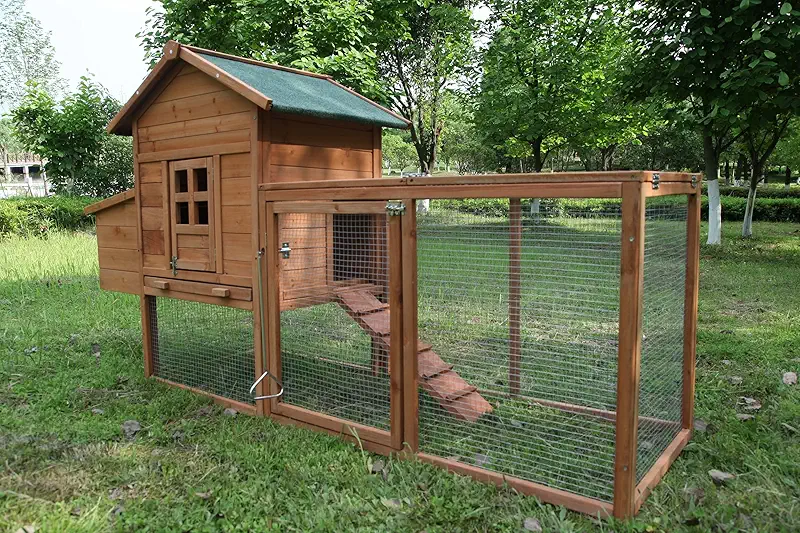
Why a mini chicken coop can be your best farm helper
I still remember the first time I downsized from a big old wooden coop to a mini chicken coop. My neighbors thought I’d lost my mind. “You going backwards?” they asked. I just smiled and waited for them to taste the eggs.
Truth is, most folks don’t need a barn. They need a safe, clean, dry spot for 3–6 hens, something easy to move, easy to clean, and not too ugly to look at while you sip coffee on the porch. That’s where a mini chicken coop shines.
With a good little coop, your birds stay warm, dry, and out of trouble, and you stay sane because you’re not shoveling manure from a building big enough to park a tractor in.
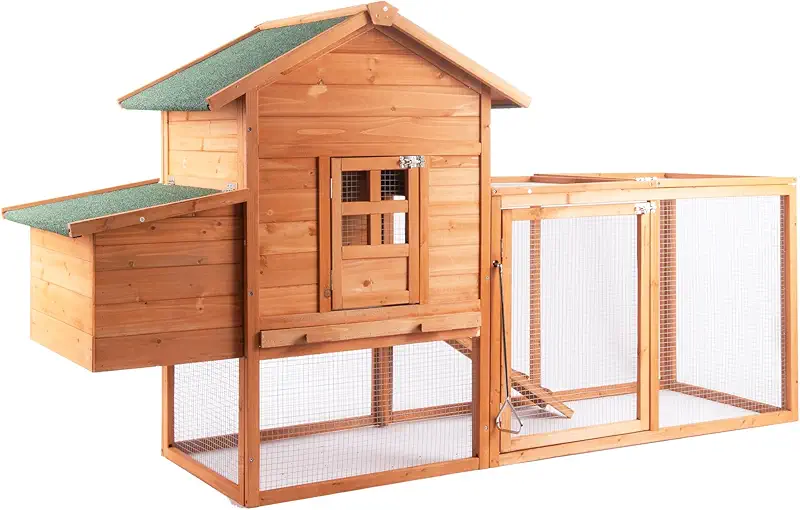
That little run on the side? Hens think of it as their front porch. They gossip out there all afternoon.
What “mini” really means (in chicken language)
When we farmers say “mini chicken coop,” we don’t mean cramped. We mean:
- Room for a small flock, usually 2–6 hens.
- A snug sleeping area with roosts and nesting boxes.
- Often a built-in run for scratching and dust bathing.
- Compact footprint that fits in a normal backyard.
A good rule I use: about 3–4 square feet per bird inside the coop, and at least 8–10 square feet per bird in the run if they’re not free-ranging much. Give a hen a bit of elbow room and she’ll pay you back in eggs.
My first mini chicken coop (and what it taught me)
My first mini chicken coop sat right behind the kitchen. Four little red hens moved in. I called them “the ladies.” That tiny coop showed me three big truths.
1. Convenience makes better chicken keepers
When your coop is close and small, you check on the birds more often. You notice limps, messy vents, empty waterers. You catch problems early. I can’t tell you how many times I caught a cold snap coming and tossed extra straw inside just in time.
With that mini chicken coop, I could:
- Collect eggs in my slippers.
- Top off feed in under two minutes.
- Spot a missing hen faster than my coffee cooled.
Lazy-proof chores are the secret to happy hens. The easier it is, the more likely you’ll stick with good routines.
2. Less space forces better habits
In a small coop, you can’t pretend a mess isn’t there. You see it. You smell it. And you fix it. That meant I cleaned more often, used deep bedding the right way, and kept the air moving.
The result? Fewer respiratory issues, cleaner eggs, and hens that looked like they were headed to a poultry beauty pageant.
3. Hens don’t need a mansion, they need comfort
Those four hens never asked me for a cathedral. They just wanted:
- Dry bedding underfoot.
- A solid roof over their heads.
- Good ventilation without drafts.
- Safe roosts higher than the nest boxes.
A mini chicken coop can give all of that, with less lumber, less money, and less sweat out of your back.
How many hens fit in a mini chicken coop?
Folks ask me this all the time, usually right after they say, “I only want three hens,” and then two months later they’re at six. Chicken math is real, friend.
Here’s how I size things up for a typical mini chicken coop:
| Flock size | Indoor coop space | Run space (minimum) |
|---|---|---|
| 2–3 hens | 8–12 sq ft total | 24–30 sq ft |
| 4 hens | 12–16 sq ft total | 32–40 sq ft |
| 5–6 hens | 16–24 sq ft total | 50–60 sq ft |
If your hens get to free-range most afternoons, you can lean a little smaller on the run. If they’ll be cooped up more, be generous. Crowded birds pick on each other, and nobody wants to break up chicken fights before breakfast.

See those perches and boxes? That’s where the magic egg-making and nighttime gossip happen.
Mini coop breeds that do well
Some hens handle smaller spaces with more grace. Over the years, I’ve had good luck with:
- Australorps – calm, steady layers, don’t complain much.
- Orpingtons – big, fluffy, and gentle as old dogs.
- Plymouth Rocks – friendly, curious, good for beginners.
- Easter Eggers – colorful eggs and usually easygoing.
- Silkies or bantams – small bodies, perfect for tight coops.
Avoid packing large, high-strung breeds too tight. If they pace like teenagers in a small car, give them more room or more outside time.


