
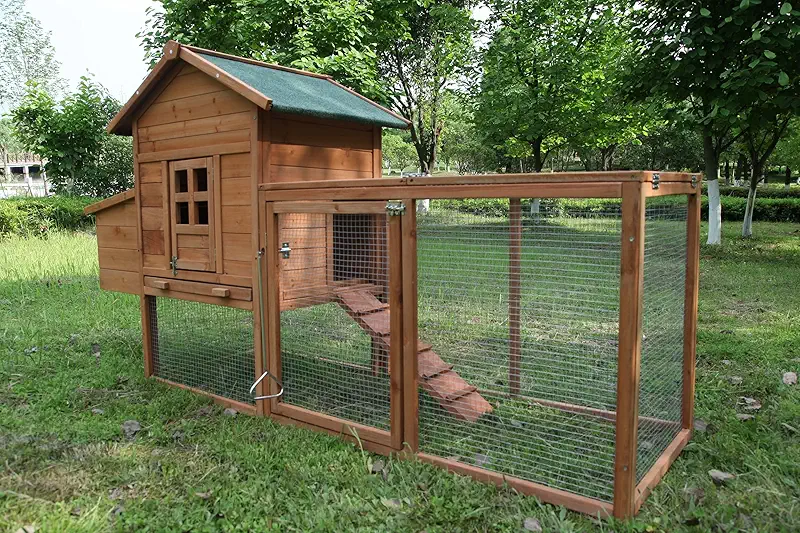
When folks ask me why I like a movable chicken coop, I usually just point at my grass. It’s thick, deep green, and doesn’t smell like a barnyard. Then I point at my hens, scratching around with bright combs and full crops. A good movable chicken coop turns your whole yard or pasture into a fresh buffet line for your flock.
I grew up with the old way: big fixed coop, worn dirt run, and hens that spent half their day arguing over the same bare patch of earth. Every spring we’d shovel out mountains of packed manure and hope the flies didn’t carry us away. It worked, but it wasn’t pretty – and it sure wasn’t easy.
Once I started using a movable chicken coop, the whole rhythm changed. Instead of fighting nature, I just rolled the coop to where the grass needed a trim and let the hens do what hens do best. They eat bugs, spread manure, scratch thatch, and gossip loudly about everything they see. I move the coop, they follow the salad bar. It’s simple, and simple is what lasts on a farm.
Why a Movable Chicken Coop Makes Sense for Real-Life Farmers
You’ll hear fancy words like “rotational grazing” and “regenerative pasture” online. Out here, we just call it “not wrecking the same spot of ground every year.” A movable chicken coop keeps your birds on clean ground, and clean ground makes for healthy hens and good eggs.
Healthier hens, inside and out
- Fresh grass and bugs every day keep hens busy and calm.
- Less mud and manure build-up means fewer foot and breathing problems.
- Sunlight and dry ground help keep mites and other pests under control.
A cleaner, easier backyard
- No more permanent “chicken crater” of bare dirt and smell.
- Manure gets spread like fertilizer instead of piling up in one spot.
- You move the coop before things get nasty, not after.
My neighbors used to wrinkle their noses when they walked past my old fixed run in July. Now they mostly ask, “How do you get your grass to look like that with chickens?” The answer is simple: the hens don’t stay in one place long enough to ruin it.
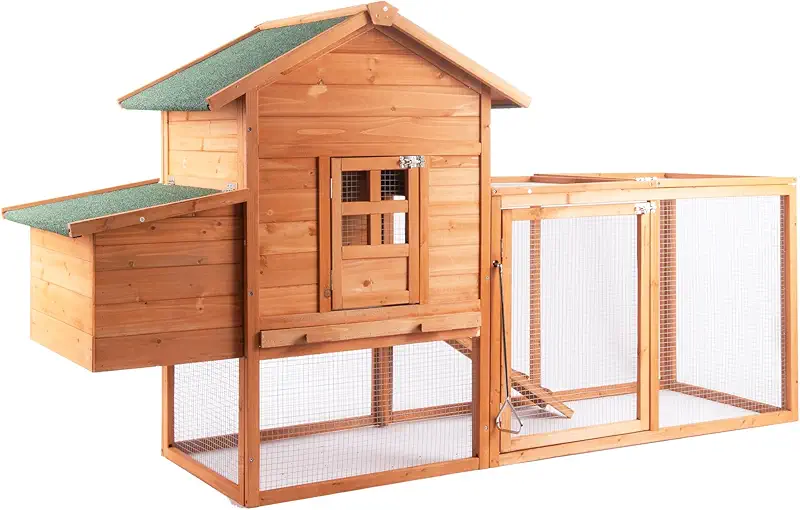

Key Features to Look For in a Movable Chicken Coop
Not every movable chicken coop is built for the same kind of farmer. Some folks want something light they can drag across the lawn before work. Others need a sturdier setup that can handle wind, predators, and a full flock out in the field. Before you follow your heart (or your wallet), make sure your head checks a few basics.
1. Weight and ease of moving
I always say: if you dread moving the coop, you’ll stop moving the coop. Then it’s just a heavy box on wheels. Look for:
- Wheels big enough to roll over bumps, ruts, and a bit of mud.
- A handle or bar you can grab without bending in half like a rusty hinge.
- Balanced weight so you’re guiding it, not wrestling it.
On my place, my wife can move our main movable chicken coop by herself if she needs to. She appreciates that. So does my back.
2. Predator protection that actually works
Out here, everything thinks a chicken is lunch: raccoons, foxes, coyotes, stray dogs, even hawks. A movable chicken coop still has to be a safe coop. I don’t sleep well if I’m wondering what’s sniffing around the flock at night.
For solid protection, I look for:
- Strong wire mesh, not the flimsy stuff that bends like wet spaghetti.
- Secure latches that a clever raccoon can’t open with little “hands.”
- A roof and sheltered roost area for nighttime and bad weather.


3. Enough room for real hens, not toy chickens
I’ve seen “movable chicken coop” pictures online that might work for Barbie’s flock, but not living, breathing hens with personalities. Crowded birds are noisy, cranky, and more likely to peck each other and get sick.
A simple rule: I don’t go below about 4 square feet of indoor space per bird, plus outside run space. More is better if you’ve got big breeds or hot summers. Chickens, like people, prefer not to sleep with someone else’s tailfeathers in their face.
4. Egg access without crawling on your knees
I collect eggs twice a day, sometimes more when the girls are feeling generous. I want nest boxes I can reach standing up, or at least without having to fold myself like a lawn chair. A good movable chicken coop makes egg gathering quick and simple.
If you’re planning to involve kids, easy egg access is gold. Nothing makes a kid feel more proud than bringing in a basket of warm eggs they collected themselves – without tripping into the coop door.

How I Move My Coops Through the Year
Folks like to overcomplicate this. Truth is, moving a movable chicken coop is a bit like mowing the yard. You just steer it where it needs the most attention and let the hens handle the details.
In mild weather, I move the coop every one to three days, depending on how fast the birds chew down the grass. If the ground is wet or the flock is big, I move it more often. If the grass is tall and the flock is small, I let them work it a bit longer.
In hot summer months, I follow the shade and the breeze. I’ve learned the hard way that hens can handle cold better than heat. So I park the movable chicken coop where they get morning sun and afternoon shade. A little common sense goes a long way.
One August, I got lazy and left the coop in the same sunny patch for four days. The grass vanished, the ground baked, and the hens stared at me like I’d sold them a timeshare in the desert. Since then, I move more often and keep water and shade top of mind.
Using a Movable Chicken Coop for Egg-Laying Hens
Laying hens don’t ask for much: steady feed, clean water, a safe place to roost, and a quiet corner to lay their eggs. A movable chicken coop can give them all that, plus fresh forage, if you set it up with layers in mind.
Nest boxes that hens actually use
Hens like dim, quiet nest boxes with a bit of privacy. I line mine with straw or shavings and keep them clean. If I see a hen trying to lay on the floor, that’s my cue to add or adjust nests. In a movable chicken coop, make sure nests are:
- Easy to reach for both you and the hens.
- High enough to stay clean, but not above the roosts.
- Secure so eggs don’t roll out when you move the coop.


Feeding and watering on the move
I like to hang my feeders and waterers inside the run area so they move along with the coop. That way, when I drag the movable chicken coop to a new patch, the birds’ kitchen comes with it.
I keep at least two water sources for a flock, especially in summer. Chickens are like toddlers – if there’s only one drink station, someone will stand in it.
Keeping egg production steady with fresh ground
My egg numbers tell me a lot about whether my system is working. When I move the coop regularly onto fresh grass, I see better shells, richer yolks, and hens that stay active longer into the season.
You can’t fix everything with a movable chicken coop – you still need good feed, clean water, and decent genetics – but clean ground sure doesn’t hurt. A hen that spends her day scratching in fresh grass instead of her own manure is just a happier employee.
Common Mistakes Folks Make With Movable Coops
I’ve made just about every mistake a farmer can make and still tell the story. If you’re looking at your first movable chicken coop, maybe I can help you skip a few of the painful lessons.
Moving too little, or not at all
A movable chicken coop that never moves is just a stationary coop with fancy wheels. Mark a reminder on your calendar or phone if you have to. Your nose and your grass will tell you when you’ve waited too long.
Underestimating predators
Predators love routine. If the coop sleeps in the same corner every night, they learn that. Moving the coop can help, but only if the structure is solid. Don’t trust a latch just because it “sort of” clicks. If it looks like a raccoon could open it, eventually one will.
Ignoring the wind and weather
A movable chicken coop is lighter by design. That’s great for your back, but not always great in a gusty thunderstorm. I like to park mine with the low side into the wind and, if a serious storm is coming, I add a couple of stakes or blocks for peace of mind.
If you look at your coop and think, “That might really take off in a storm,” it’s time to rethink the design, or at least how and where you anchor it.
Is a Movable Chicken Coop Right for You?
A movable chicken coop isn’t magic, but it does solve a lot of the headaches that come with keeping laying hens on a small piece of land. If you want healthy birds, better-looking ground, and a system that doesn’t turn into a muddy mess every spring, it’s worth serious thought.
I like solutions that fit real people with real jobs. A good movable chicken coop lets you care for your birds quickly before work, move them on the weekend, and still have a yard you’re not ashamed to show the neighbors.
If you’re picturing your hens grazing a fresh strip of grass while you sip coffee on the porch, you’re not dreaming. That’s pretty much my morning most days – with a few clucks, some muddy boots, and a dog barking at absolutely nothing for flavor.