
Moveable chicken coop
I’ve been raising laying hens on American soil for more than three decades. The day I switched from a fixed shed to a good moveable chicken coop, my grass got greener, my egg basket got heavier, and my chore list felt a whole lot lighter.
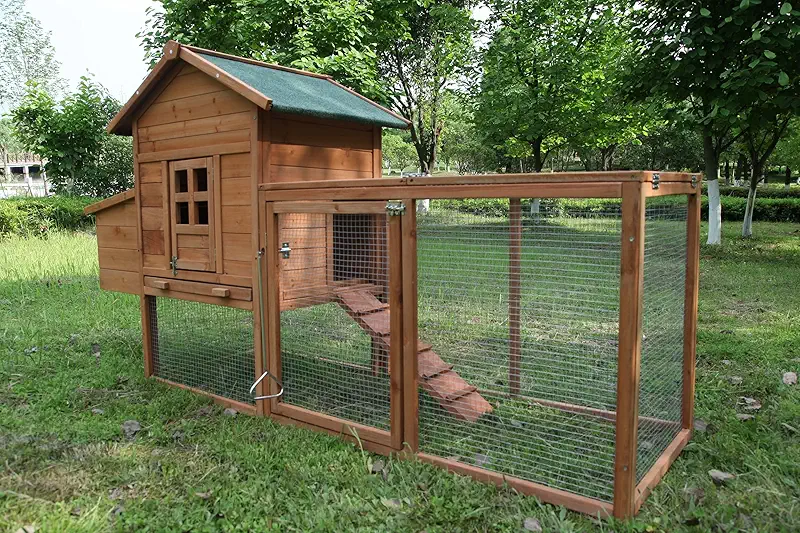
The thoughts below come from muddy boots and early mornings, not some shiny catalog. Use them to decide what kind of moveable chicken coop really fits your birds, your land, and your back.
Why a moveable chicken coop changes everything
When I was a young man, my first hens lived in an old wooden shed that never moved an inch. By the end of the first year, the ground around that shed looked like the moon. Bare dirt, sour smell, flies, and a whole lot of unhappy grass. The hens laid fine, but I could tell they weren’t living their best life.
Then an older neighbor, Earl, leaned on the fence one evening and said, “Son, you’re standing in the middle of your own fertilizer factory, and you’re wasting it in one spot.” A month later I built my first moveable chicken coop and dragged it across the pasture with a worn-out garden tractor. I’ve never gone back to a fixed coop since.
A moveable chicken coop lets your hens work for you. They eat bugs, trim the grass, and spread their manure exactly where your soil needs it. You don’t have to shovel out a big stinky barn. You don’t fight that swampy mess around the door every spring. And your birds stay on fresher ground, which is kinder on their feet and their noses.
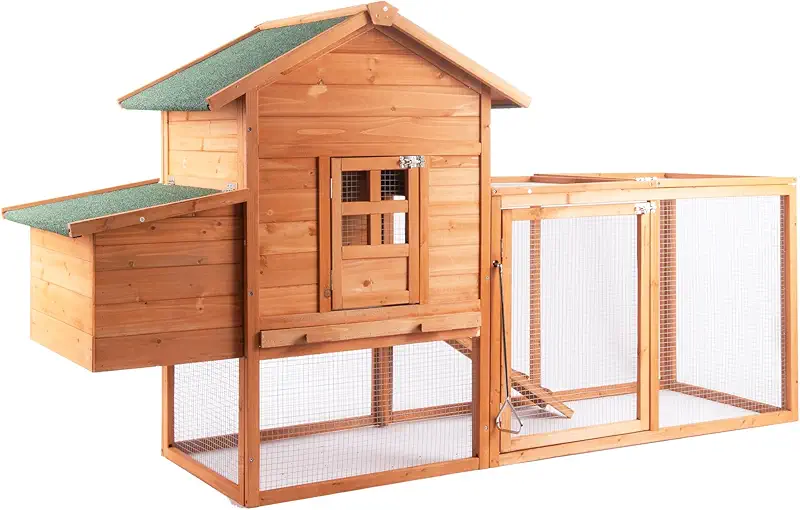
Think of a moveable chicken coop as a little house on wheels or skids. You shift it a bit each day or every few days. The hens get clean ground, fresh salad, and new bugs. The land gets a gentle dose of fertilizer and a break from scratching claws. Done right, your pasture will thank you with deeper color and thicker growth.
Real-world pros and cons from the pasture
Over the years I’ve pushed, pulled, dragged, and occasionally sworn at more than a few coops on wheels. Some were light as a feather and some felt like dragging a barn full of wet hay. Here’s how a moveable chicken coop has treated me and my birds, the good and the not-so-good.
Upsides of a moveable chicken coop
- Healthier hens. Fresh ground means fewer worms and fewer disease problems than a muddy fixed run.
- Better eggs. When birds eat more grass and bugs, you can see it in the yolks and taste it at breakfast.
- Happier land. Manure gets spread out, not piled up in one sad corner of the yard.
- Less smell. Move the coop often and you won’t have that sour barnyard odor sneaking into the house.
- No giant clean-out day. Small, regular moves beat one back-breaking weekend with a pitchfork.
- Flexible flock size. Easy to add another moveable chicken coop when you catch “just one more breed” fever.
Downsides to keep in mind
- You’ll be moving it, rain or shine. Chickens still expect room service when it’s windy and cold.
- Cheap wheels or weak frames can twist, sink, or fall apart the first wet spring.
- If it’s too light, a strong gust can try to re-arrange your coop for you.
- Predator-proofing takes more thought when the coop shifts around your yard or pasture.
- Water and feed handling can be trickier when you’re not next to a barn wall with power and hoses.
None of these are deal-breakers. They just mean you need to choose a moveable chicken coop that fits your land, your weather, and your daily energy level. I’m not twenty anymore, so I’ve learned to think hard about the weight and the handle height before I bring anything home.

Key things I look for in a moveable chicken coop
When I walk up to a new moveable chicken coop, I don’t care much about cute trim or fancy paint. I grab the frame, I look at the joints, and I imagine dragging it across a bumpy pasture while a thunderstorm rolls in from the west. Here’s the checklist I’ve built with sore muscles and trial and error.
1. Weight and balance
The number-one mistake folks make is choosing a coop that’s too heavy. It might look solid and safe, but if you dread moving it, you’ll stop moving it. Then it’s just an expensive fixed coop sitting in one dead patch of grass.
- Can one person move it on flat ground without grunting like a powerlifter?
- Does it roll or slide smoothly, or does it dig ruts?
- Is the weight balanced, or does one end feel like a bag of concrete?
- Are the wheels big enough to roll over small rocks and bumps?
I tell folks this: picture yourself moving that coop at the end of a long day when supper’s already late. If it still sounds doable, the weight is probably fine.
2. Predator protection on the move
Out here we have raccoons smart enough to unzip your coat, coyotes that patrol the fence lines, and hawks that watch your flock like a drive-thru window. A moveable chicken coop has to be safe in all that.
- Look for strong wire, not thin chicken wire that tears like wet tissue.
- Make sure doors and access panels close tight with solid latches.
- Check that the edges meet the ground well so nothing can crawl under easily.
- Ensure there’s a good secure roosting area for night time, off the ground.
One night I skipped checking a latch because the rain was coming down sideways. I paid for that shortcut with three missing hens by morning. Since then, I run my hand over every latch as a habit, no matter the weather.

3. Ventilation and shade
Chickens handle cold better than they handle heat. In a moveable chicken coop, you want plenty of airflow without turning it into a wind tunnel.
I watch for adjustable vents, good side openings covered with strong mesh, and some solid roof or shade area. On my place, summers can get sticky and hot, so I always park the coop where afternoon shade reaches it. The hens know it, too. They’ll line up along the shady side like folks hanging around the ice cream truck.
4. Nest boxes you can really use
A lot of fancy coops have nest boxes that look fine in a picture but are a pain to reach in real life. I want boxes high enough to keep the hens feeling safe but not so low I have to crawl on my knees to gather eggs.
Good nest boxes in a moveable chicken coop:
- Open from the outside or from a handy door.
- Have a gentle roof so rain runs off instead of pooling.
- Give each hen about a foot of space.
- Have a lip at the front so eggs don’t roll onto the ground.

5. Easy access for you
Remember, you’re not just looking at where the hens will walk. You’re looking at where you’ll walk, bend, reach, and maybe crawl when something tips over at the back.
I like coops where I can reach every corner with a hand or a short tool. Removable side panels, big top lids, or walk-in doors all help. A moveable chicken coop with poor access turns simple jobs into gymnastics.
How I actually move my coops day to day
Folks always ask how often to move a moveable chicken coop. The honest answer is: “It depends on your birds, your ground, and your weather.” But I can tell you how I run mine.
With about 6–8 hens in a smaller tractor-style moveable chicken coop, I like to move it once a day if the grass is lush, and every other day if the ground is dry and tough. Bigger flocks eat and scratch more, so they need more frequent moves and a larger footprint.

My routine most mornings goes like this: coffee in one hand, handle of the moveable chicken coop in the other. I lift or set the wheels, drag the coop forward one length, then set it back down. The girls rush out like kids at recess, pecking at fresh grass, and I walk away knowing they’ve got a clean patch for the day.
The trick is to make the move short and simple enough that you don’t talk yourself out of it. If you need a tractor every time, you’ll move it less. If you can roll it with a steady pull, you’ll keep your schedule and your land will show it within a season.
Little lessons from a lot of hens
Over time, a moveable chicken coop teaches you to read the ground. If you see bare dirt and manure clumps where the coop sat, you’re moving too slow. If you see long untouched grass, you’re moving too fast. The sweet spot is a lawn that looks like someone gave it a good trim and a light feed.
I also like to run the coop behind other animals. If the cows graze a strip today, the hens follow a few days later in their moveable chicken coop and scatter the manure piles, eat fly larvae, and grab all the bugs that move in. That simple dance has cut my fly problems way down and kept my pasture in better shape than when I just let the cows roam.

I’ve also learned not to chase perfection. The first moveable chicken coop I built was crooked as a dog’s hind leg, but the hens didn’t seem to mind. What mattered was shade, fresh ground, and safety at night. Whether you build your own or use a ready-made coop, the same basics apply.
Choosing a moveable chicken coop that fits your life
When friends ask which moveable chicken coop they should start with, I don’t point them to the biggest or fanciest option. I ask them a few simple questions:
- How many hens do you honestly plan to keep this year?
- Is your yard flat as a pancake or full of bumps and ruts?
- Will you move the coop alone most mornings?
- Do you get heavy snow, strong winds, or soaking rains?
- Do you want to build anything, or would you rather skip straight to using it?
If you’re like most folks, you want something strong enough to trust, light enough to move, and simple enough that gathering eggs doesn’t feel like crawling under a porch.
When you look through different moveable chicken coop options, pay attention to real photos, frame strength, wheel size, and how easy it looks to reach the nest boxes.
Let me see optionsMy simple setup for layers
For laying hens, I like a moveable chicken coop with:
- Room for 4–8 birds without crowding.
- At least two solid perches up off the ground.
- Two or three nest boxes with easy access.
- A dry, solid roof and a good bit of covered area for bad weather.
I hang the feeder inside the covered portion and keep a waterer just outside the door. That way when I tug the coop forward, I can slide the waterer along without spilling half of it on my boots.

Little comforts that make chores easier
A few small details in a moveable chicken coop can turn daily chores from a hassle into a quiet, pleasant few minutes.
- Handles at hip height so you’re not bending over to drag it.
- Good roof overhang so rain doesn’t pour straight into the doorway.
- Non-slip ramp so the hens don’t skid in wet weather.
- Light-colored roof to reflect summer heat instead of soaking it in.
None of these will show up in a dozen big bold letters, but you’ll feel them in your back and shoulders every day you live with that coop.
If you’re still sorting out what size and style you want, take a slow look at several moveable chicken coop designs. Picture where they’d sit on your land and how you’d move them on a damp April morning or a dusty August evening.
I’ll walk through themMoveable chicken coop – common questions I hear in the yard
For a beginner setup, I like 4–6 hens in a modest-size moveable chicken coop. That gives each bird breathing room and keeps the grass from being hammered too hard. Many coop makers list higher numbers, but they’re thinking about the birds standing still, not living day in and day out.
Yes, but you need to respect your weather. In mild climates you can keep moving the coop and let the hens use deep bedding in the covered area. Where winters are harsh, some folks park the moveable chicken coop in a more sheltered spot, add straw or shavings, and block extra wind while keeping good ventilation up high.
The coop and its attached run move together as one unit for many designs, so the grass under the run changes each time you shift the setup. I don’t use a permanent run with mine. I just keep moving the coop over fresh ground and let the hens graze that new patch.
If you smell ammonia when you open the door, you’ve waited too long. With a small flock and a healthy yard, every day or every other day works well. Watch the ground. When you start to see more dirt than grass under the birds, it’s time to pull that coop forward.
It doesn’t have to be. I’m not as young as I once was, and I still move mine. The secret is choosing a moveable chicken coop with the right weight, good wheels, and handles at a comfortable height. When all that lines up, moving it feels more like pulling a garden cart than wrestling a tractor tire.
If you’re ready to let your hens follow the greenest grass and give your soil a gentle boost, take your time looking through the different moveable chicken coop choices and picture them working on your land.
Show me all coops