
Narrow chicken coop
Narrow Chicken Coop – simple, space‑saving egg heaven
Narrow Chicken Coop: How I Keep Happy Hens In A Skinny Backyard
I have raised laying hens for decades, on big pastures and tiny town lots. These days my back isn’t young, my yard isn’t wide, and that’s exactly why a narrow chicken coop has become my favorite quiet little farm tool.
Let me walk you through what really matters when you tuck a flock into a slim space, so you get fresh eggs, clean boots, and calm neighbors.
When folks hear I keep hens in a narrow chicken coop tucked along the fence, they usually squint and say, “Are the birds okay in there?” I just smile and think of my girls scratching away, tails high, laying steady brown eggs like they never read the rule book about “needing a farm.”
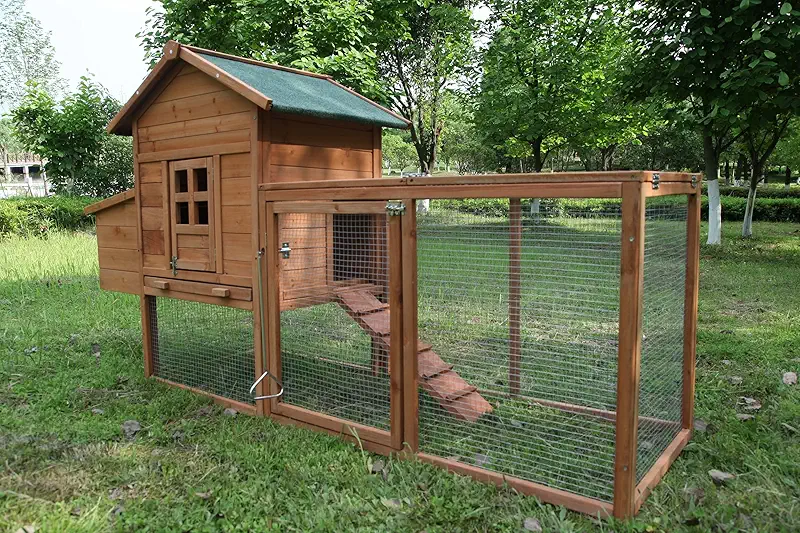
Over the years I’ve tried all kinds of setups: big walk‑in barns, rickety sheds, and more than one “temporary” crate that somehow hung around for three winters. What surprised me most was how well my hens did once I got serious about a narrow footprint. With the right layout and a bit of care, a slim coop can be easier to manage, easier to clean, and easier to protect from predators than those big rambling contraptions we farmers like to brag about.
Why a narrow chicken coop works so well for small yards
My current yard is what I call “coffee‑cup wide.” I can stand on the porch, sip my coffee, and just about spit to the back fence. Not that I do, but you get the picture. A wide coop was out of the question, so I went long and narrow, hugging the fence line. That change alone gave me enough room for a small veggie patch and a comfortable flock.
A narrow chicken coop shines in small spaces for a few reasons:
- It fits along fences, garages, and property lines without eating your whole yard.
- Every part of the coop is easy to reach from one side, which helps cleaning and egg collecting.
- Ventilation is simpler to control in a long skinny box than in a big square shed.
- Predators have fewer “dead corners” to hide behind or dig under.
I also noticed my hens use narrow space more efficiently. In a wide coop they tend to crowd one corner and leave half unused. In a narrow layout, they move like a slow little river: out the pop door, along the run, back past the feeder, then up to roost at night. No stuck traffic, fewer pecking battles.
How much space hens really need in a narrow chicken coop
I’ve seen charts, graphs, and arguments online that would make a hen stop laying just from the stress. Out here, I keep it simple and a little generous. Tight birds are cranky birds, and cranky birds are noisy, feather‑pulling freeloaders.
My own practical numbers for a narrow chicken coop are:
- Inside coop: aim for at least 4 square feet per hen.
- Outside run: aim for 8–10 square feet per hen if they don’t free‑range.
- Roost space: about 8–10 inches of bar per bird.
- Nest boxes: one box for every 3–4 hens is plenty.
So, if you’ve got 4 laying hens, you’re looking at about 16 square feet inside. In narrow terms, that might be a coop that’s 4 feet long and 4 feet deep, or more often for a slim footprint, something like 2 feet deep and 8 feet long. I’ve run that exact setup, and the birds did just fine, especially with a decent run attached.
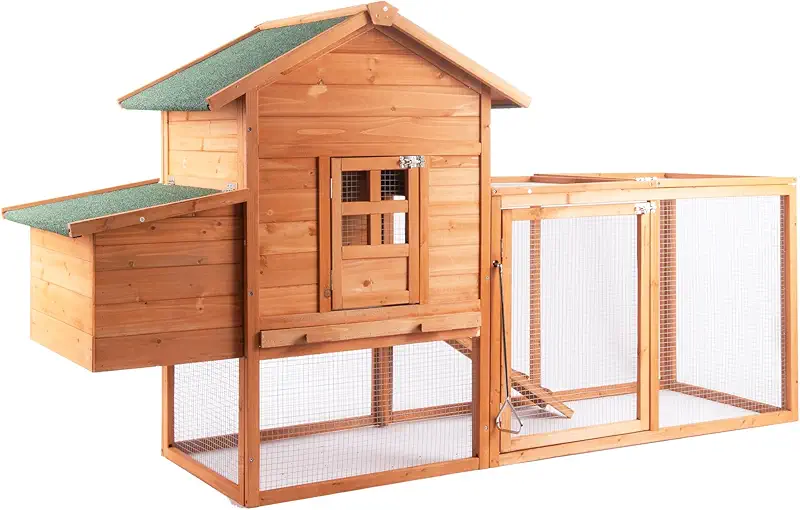
Remember, chickens live more in three dimensions than we do. They roost up high, scratch low, and tuck into corners. That means vertical design in a narrow chicken coop is your secret weapon.
Using height in a narrow chicken coop
When I first slimmed down my coop, I made one big mistake: I kept everything low and flat like it was still a wide shed. The birds were crowding on the floor while half the wall space sat empty. Once I raised the roosts and stacked a feed shelf underneath, the hens spread out and calmed right down.
Here’s how I like to stack things in a narrow setup:
- Roost bars higher than the nest boxes, so hens sleep where they should.
- Nest boxes mounted a bit off the floor, with a small lip to keep bedding in.
- A small shelf or corner for the feeder to keep it dry and off the ground.
- Hooks or simple racks on the wall for tools, scoop, and a hanging waterer.
With those pieces in place, my narrow chicken coop feels more like a cozy bunkhouse than a crowded bus.

Keeping hens safe in a narrow chicken coop
Out here we say, “If it eats meat, it likes chicken.” Raccoons, foxes, neighbor dogs, hawks – they don’t care how much you paid for your narrow chicken coop. They care how easy it is to get inside.
A long skinny design can actually help you, because everything lines up: doors, latches, and the run. I like to think of it like a simple hallway. If I can walk along one side and check every latch in a few seconds, I’m more likely to do it each evening. That habit has saved more hens than I can count.
Some predator‑proof habits that work well with a narrow layout:
- Use hardware cloth, not chicken wire, on any openings or run panels.
- Add a solid latch with a carabiner or pin; raccoons are smarter than they look.
- Run a strip of hardware cloth or buried wire skirt along the full length to stop diggers.
- Keep the coop raised a bit off the ground so nothing nests under it.

Ventilation in a narrow chicken coop: fresh air without drafts
Chickens breathe out a lot of moisture. Add in damp bedding and you basically have a little steam room with feathers. In a narrow chicken coop that can build up fast, so ventilation is not a fancy add‑on, it’s the main health tool.
The trick is letting warm, moist air rise and escape without blasting your birds with wind at night. I like:
- Vent openings high on the long walls, covered in hardware cloth.
- Cross‑breeze above head height while roosts sit in the calm air below.
- A small, covered vent at one end, acting like a chimney.
On my current coop, fresh air slips in near the bottom of the run and along one low wall, then drifts up and out vents on the opposite top wall. In winter I block just enough holes to keep the birds comfortable, but I never shut it up completely. A tight, wet coop is how you get frostbite and sick lungs, even if it looks “cozy” to us.

Cleaning a narrow chicken coop without wrecking your back
My knees have raised a lot of birds and they’re not shy about complaining. One big reason I love a narrow chicken coop is how simple cleaning becomes. I can scrape, sweep, and refresh bedding without crawling around like a raccoon under a porch.
Some cleaning tricks that work especially well in a narrow design:
- Add a wide access door along one long side at waist height.
- Use removable roost bars so you can pull them out and scrape them.
- Try a poop board or tray under the roosts to catch night droppings.
- Keep a metal trash can right nearby for dirty bedding.
I do what I call the “five‑minute tidy” two or three times a week: scrape the poop board, toss a handful of fresh shavings in the busy spots, and refill water. Because the coop is narrow, every spot is within arm’s reach from that side door. My back approves.

Design ideas for a narrow chicken coop along a fence
Lining your coop up with a fence is one of the smartest uses of a slim design. I’ve done this in town and in the country. Here’s how I make it work:
- Leave just enough room to walk between coop and fence for checks and repairs.
- Put the coop roof so water falls away from your neighbor’s yard.
- Face the pop door and run toward your yard, not into a corner.
- Plant a bit of shade on the sunny side: a shrub, vine, or even sunflowers.
One of my favorite narrow chicken coop builds was only about 30 inches deep but 10 feet long, tucked neatly along an old wooden fence. The hens strutted out every morning like they owned the alley. My neighbor didn’t mind; she got the prettiest blue eggs from my Ameraucanas.

Keeping hens happy in a smaller footprint
A narrow chicken coop doesn’t mean narrow lives for your birds. Most of hen happiness comes from three things: safety, something to do, and a steady routine. The footprint is just the stage; how you set it up is the show.
I like to give my hens a few simple “toys” in their skinny run:
- A log or stump to hop on and off, good for feet and boredom.
- Hanging cabbage or a bunch of weeds from the garden to peck at.
- Deep enough litter to scratch and take dust baths in dry spots.
- A couple of perches at different heights out in the run.
When I walk by and see them scratching, talking, dusting, and napping in the sun, I know the space is doing its job, even if it’s not postcard‑pretty or giant. Chickens don’t count square feet; they feel comfort.

And just so you know, I’ve never once had a hen complain that her home was too skinny. They complain about empty feeders, cold water, and late breakfast. So if you keep the basics right, the narrow part stops mattering pretty fast.
Questions folks ask about a narrow chicken coop
Is a narrow chicken coop cruel to hens?
Not if you size it right and manage it well. Cruelty comes from crowding, filth, poor air, and fear, not from the shape of the footprint. As long as each hen has enough indoor and outdoor room, clean bedding, good feed, and some daylight, a narrow chicken coop can be just as kind as a big one. I’ve had some of my calmest, steadiest layers in narrow coops that were designed with care.
How many chickens can I keep in a small narrow chicken coop?
Start by counting square feet, not dreams. For most backyard setups, 3–6 hens is a sweet spot. With about 4 square feet per hen inside and 8–10 square feet per hen in the run, your birds will have enough room to move and stay polite with each other. If your yard is skinny and you’re tempted to squeeze in “just two more,” let me save you some feathers and noise complaints: keep the flock modest and enjoy the eggs.
Can a narrow chicken coop handle cold winters?
Yes, as long as you focus on dry more than warm. I’ve kept birds through icy winters in a narrow coop that was well‑ventilated up high and dry underfoot. I use deep bedding, block wind from hitting the roosts, and make sure there’s always a bit of gentle airflow so moisture doesn’t build up. Chickens handle cold air better than damp air. Think “draft‑free but not air‑tight,” and your narrow coop will do fine when the temperature drops.
Do chickens get enough exercise in a narrow run?
They can, if you give them enough length and a few things to climb and scratch. A long, narrow run is actually great exercise since the birds have to travel more steps to go from feeder to dust bath to perch. I like to scatter a little scratch feed so they walk the full length hunting for it. Add a stump or two, a dust bath corner, and a perch, and your hens will stay busier than most gym members I know.
Is it better to build or buy a narrow chicken coop?
That depends on your tools, time, and patience. I’ve built my own coops from scrap lumber, and I’ve also brought home ready‑made narrow setups when life was busy and my hammer hand was tired. Building lets you match your yard perfectly, but buying saves a lot of weekends and cussing. I tell folks to be honest about how much spare energy they really have. A solid bought coop that’s up and housing hens is better than a half‑framed masterpiece leaning in the driveway.
If you’re picturing your own hens in a slim little house along the fence, you’re halfway there already.
Show me more coopsTake a quiet minute and look through all the narrow and not‑so‑narrow chicken coop choices that might fit your yard.