
Nesting box for chicken coop
Nesting Box For Chicken Coop: How I Keep My Hens Laying Calm And Clean
I have been raising laying hens here in the States for more years than I care to count. If there is one thing I learned the hard way, it is this: a good nesting box for chicken coop comfort is worth more than another fancy feeder or one more rooster.
Let me walk you through how I set up nesting boxes that give me clean eggs, quiet mornings, and hens that practically line up to lay.
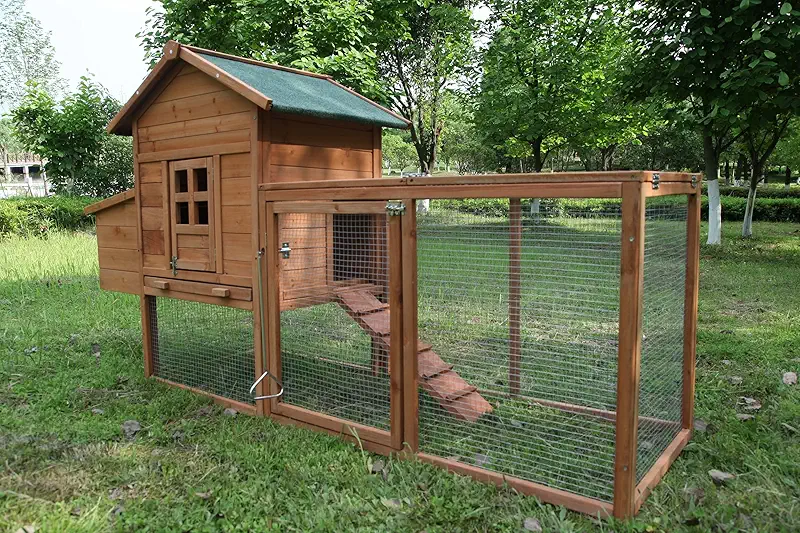
Why A Good Nesting Box For Chicken Coop Matters More Than You Think
When I first started with chickens, I figured a cardboard box and some old hay in the corner of the coop would do the trick. The hens did lay there, sort of. They also laid under the roosts, in the feeder, and once on the hood of my truck. That was the day I decided the girls deserved proper nesting boxes.
A well‑planned nesting box for chicken coop use does three big things for you:
- Keeps eggs clean and mostly uncracked, so you do not waste your work.
- Makes hens feel safe, so they keep laying in the same spot instead of “hide and seek” in the yard.
- Saves your back and your time, because gathering eggs becomes a quick, simple walk instead of a hunt.
Folks like to argue about feed brands, breeds, and coop paint colors. But the quiet hen in a good nest box, laying a nice clean egg almost every day, wins that argument for me.
How Many Nesting Boxes Do You Really Need?
I hear this question every spring when folks pick up their first batch of pullets. The rule of thumb is one nesting box for every 3–4 hens. Now, my hens never read that rule. They all want the same box on the same morning, no matter how many I build.
On my farm, I usually keep:
- 3–4 boxes for a flock of 10–12 layers.
- 6–8 boxes for 20+ hens, depending on breed and coop space.
- A couple of “decoy” boxes when I add young pullets, so they learn where eggs belong.
You do not need one box per hen, but you also do not want a traffic jam. Hens can get bossy, and a stubborn hen sitting in the only box can hold everybody up like a broken gate at milking time.
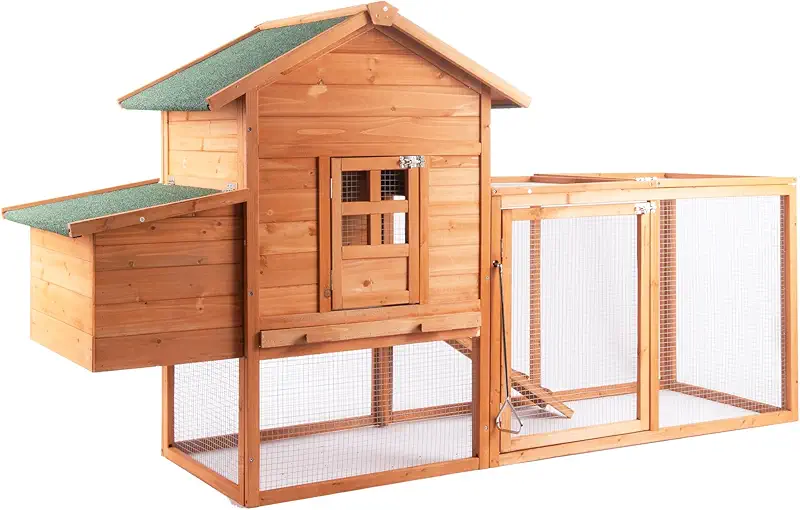
I like stacking nesting boxes in a simple row or two, about the height of my knee to my hip. That keeps them low enough for heavier breeds like Orpingtons, but high enough that the birds do not think “Oh good, a new place to sleep.”
The Best Height And Placement For A Nesting Box For Chicken Coop Use
Chickens are simple, but they are picky about where they lay. If you get the placement wrong, they will ignore your fancy nesting boxes and find their own spot. Here is what works for me after many early‑morning egg hunts.
1. Keep Nesting Boxes Lower Than The Roosts
Chickens always want to sleep high. If the nesting box is higher than the roost, they will sleep in the box, poop in the box, and you will be scraping droppings off eggs. Ask me how I know. Keep roosts higher and nesting boxes lower.
Most of my nesting boxes sit about 18–24 inches off the floor. That keeps bedding out of the dirt and makes it easy for me to reach in without bending like a pretzel.
2. Tucked Away, Not In The Spotlight
Hens like a calm, somewhat dark place to lay. Think of it like their little reading nook. I avoid putting the nesting box directly under a bright window or right by the pop door where everyone runs in and out.
Put the nesting box for chicken coop use:
- Along a side wall, away from heavy traffic.
- Where you can still reach it easily to collect eggs.
- Out of direct drafts in winter and without baking sun in summer.
3. Make It Easy For You, Too
When you position nesting boxes, think about yourself in January with frozen fingers, or in July dripping sweat. You want to step in, reach the boxes, and get out. I like lining boxes along the wall nearest the door or, in one coop, I use external nesting boxes that open from the outside.
That style saves a lot of mud on my boots and keeps the dog from deciding he should “help” collect eggs.
What To Look For When Choosing A Nesting Box
These days you can find all kinds of nesting boxes: metal, plastic, wood, roll‑out, wall‑mounted, and floor units. I have tried most of them over the years. Here is how I judge a new nesting box before it earns a spot in my coop.
Size And Comfort
A good nesting box for chicken coop flocks should be roomy enough for a hen to turn around, but snug enough to feel safe. I like:
- About 12 x 12 x 12 inches for standard breeds.
- 10 x 10 for bantams.
- 14 inches deep for big girls like Brahmas and Jersey Giants.
If your hen has to duck her head or her tail sticks out the door, that box is too small.
Easy To Clean
I am not getting any younger, and I do not have time for fussy gear. I look for boxes with:
- Smooth surfaces without lots of tiny corners for mites to hide.
- Removable trays or liners so I can dump out soiled bedding fast.
- Enough space between boxes so I can scrape and brush without cussing.
Metal and quality plastic boxes tend to clean easier than raw rough wood, but a well‑built wooden box still does fine if you stay on top of it.

Durability And Mounting
The first time a heavy hen jumps on the edge of the box, you will find out how strong it really is. I like sturdy brackets or a simple 2x4 rail to carry the weight. Lightweight plastic that flexes and sags will just frustrate you.
When I look at a nesting box online, I always check:
- How it mounts to the wall or sits on the floor.
- What kind of screws or hardware are included.
- If other folks mention it wobbling or dropping off the wall.
Hanging a nesting box for chicken coop walls once is fine. Having to catch it after it falls off with a broody hen inside? Done that. Do not recommend.
Bedding For Nesting Boxes: What I Actually Use
I have tried about every kind of bedding you can imagine. Some worked, some turned into scrambled egg soup. Here is what I have settled on for most of my nesting boxes.
My Go‑To Choices
- Pine shavings: Soft, absorbent, and easy to refresh. I use a good thick layer.
- Straw: Cozy, but I cut or break it into shorter pieces so it does not mat up.
- Nesting pads: I use them under shavings in roll‑out boxes to keep eggs from cracking.
Whatever you choose, the hens will tell you if they like it. If they kick it all out or move to another box, time to change the recipe.

Keeping Eggs Clean
Clean eggs do not just look nicer; they store better too. To keep eggs clean in any nesting box for chicken coop setups, I:
- Keep nesting boxes separate from the dust bath area.
- Discourage sleeping in boxes by keeping roosts higher and removing any “pillows” the hens drag in.
- Do a quick rake with my hand every time I collect eggs, tossing out any wet or dirty bedding.
A couple minutes of upkeep saves you from having to scrub a whole basket of eggs at the sink.
Training Hens To Use A New Nesting Box
Chickens are creatures of habit. When you add a new nesting box for chicken coop use, they may stare at it for a week like it is some kind of tractor from outer space. Here is how I gently convince them it is a good idea.
1. Start Before They Lay
If you are raising pullets, put nesting boxes in place around 16–18 weeks of age. I fill them with clean bedding and keep them open so the young birds can hop in and explore. By the time they are ready to lay, the boxes feel normal.
2. Use Fake Eggs Or Golf Balls
A simple trick: place a couple of ceramic eggs or even golf balls in the nesting box. Chickens are nosy. When they see “eggs” there, they get the idea that this is the place to leave their own.
I still chuckle at how many folks think I am crazy for keeping golf balls in the coop. But hey, if it keeps eggs off the tractor seat, I will keep doing it.
3. Block Off Bad Habits
If hens start laying in a corner of the coop or out in the barn, I gently break that habit by:
- Blocking the corner with a board or bucket.
- Collecting any floor eggs quickly so they do not see it as a “nest.”
- Keeping nesting boxes clean, comfortable, and slightly darker than the rest of the coop.
Most hens catch on within a week or two. Some stubborn ones take longer, kind of like teenagers.
Roll‑Out Nesting Boxes: Why I Use Them In My Bigger Coops
When you have just a handful of hens, a simple wooden nesting box for chicken coop corners is fine. Once you start getting several dozen eggs a day, roll‑out nesting boxes can be a real back saver.
How They Work
In a roll‑out box, the floor is slightly slanted. The egg rolls gently forward into a protected tray as soon as it is laid. That keeps:
- Eggs from being stepped on by the next hen.
- Broody hens from camping out right on top of a big pile of eggs.
- Curious birds from pecking or snacking on eggs.
When I open the access door, all the eggs are in one neat line, not buried in bedding.

When Roll‑Out Makes Sense
I especially like roll‑out boxes when:
- I am away during the day and can only collect once in the evening.
- The flock has a few egg‑eaters and I want to break that habit.
- The coop is tight and I want quick access without climbing inside.
They are not required for every backyard flock, but they sure make life easier when you are counting on those eggs for a bit of side income, or just feeding a big family.
Common Nesting Box Problems (And How I Fix Them)
No matter how carefully you set up a nesting box for chicken coop use, something will go sideways sooner or later. Here are the problems I see most and what I do about them.
Hens Sleeping In The Nesting Boxes
If you find hens snoozing in the nesting boxes at night, you will end up with dirty bedding and dirty eggs. To fix that, I:
- Make sure roosts are higher and more comfortable than the boxes.
- Gently move any sleeping hens to the roost after dark for a few nights.
- Sometimes block off nesting boxes at night and reopen them early in the morning.
Most hens learn fast when you are consistent.
Egg Eating
Once a hen discovers how good an egg tastes, the whole flock may follow. To keep that from starting, I:
- Collect eggs at least once or twice a day.
- Use extra bedding or nesting pads to cushion eggs so they do not crack.
- Switch to roll‑out boxes in stubborn cases.
Egg eating is much easier to prevent than to cure, so a solid nesting setup pays off here.

Mites And Other Critters
Warm, cozy places are not just loved by hens. Mites and other pests also like to hide in nesting boxes. A few times a year, especially in warm weather, I:
- Empty all bedding from the boxes.
- Dust the cracks and corners with my preferred poultry‑safe powder.
- Let the boxes air out in the sun before refilling.
A clean nesting box for chicken coop hens is one of the best defenses you have against parasites and stress in the flock.
My Daily And Weekly Nesting Box Routine
People sometimes think good egg production is about some “magic” feed or supplement. Most days, it is just steady, simple habits. Here is what I actually do with my nesting boxes.
Daily
- Collect eggs once in late morning and again in the evening.
- Quickly check each box for broken eggs or wet spots.
- Fluff the bedding with my hand and pull out any obvious mess.
Weekly
- Add a fresh layer of shavings or straw to each nesting box.
- Wipe off any dried droppings on edges or perches near the boxes.
- Look for signs of mites around seams and corners.

Monthly Or Seasonal
At least every month or two, depending on how busy life is, I:
- Empty each nesting box entirely.
- Scrub with a mild, safe cleaner if needed.
- Let things dry completely before adding fresh bedding.
It is not glamorous work, but neither is fishing cracked eggs out of a soggy mess. My future self thanks me when I stay on top of it.
FAQ: Nesting Box For Chicken Coop Questions I Hear All The Time
Bringing It All Together
When you step back, a nesting box for chicken coop comfort is a small piece of wood or metal in the corner. But what it really does is give your hens a calm, steady place to do what they do best. If you give them that, they pay you back in eggs and in that quiet clucking sound that makes a morning feel right.
Over my years of farming, I have changed trucks, tractors, and more boots than I can count, but the basics of a good nesting setup have stayed the same: the right size, the right height, a little privacy, and steady upkeep.
If you are just starting out, do not feel like you have to build the perfect system on day one. Start with a simple, sturdy nesting box for chicken coop corners that you can keep clean and easy to reach. Watch how your hens use it, adjust as you go, and upgrade when you see what really matters for your flock and your back.

And remember: if your hens seem content, your eggs are mostly clean, and you can collect them without grumbling, then your nesting boxes are doing their job just fine.
Whenever you are ready to look around, here is where I’d start browsing different nesting boxes and full coops.
Show me the coops