
Nesting Pads For Chicken Coop
Nesting Pads For Chicken Coop might look like a small detail, but out here on the farm they decide if my first chore of the day is a smile… or a muttered word I shouldn’t repeat in front of the hens.
Clean eggs, calm hens, less bending and scraping. That’s what good pads do for you.
My name’s Tom, I farm in the Midwest, and I’ve been picking eggs since before my feet could reach the truck pedals. Over the years I’ve tried straw, pine shavings, old feed sacks, even an old flannel shirt when I was in a pinch. Nothing changed my morning chores like using the right nesting pads inside the coop.
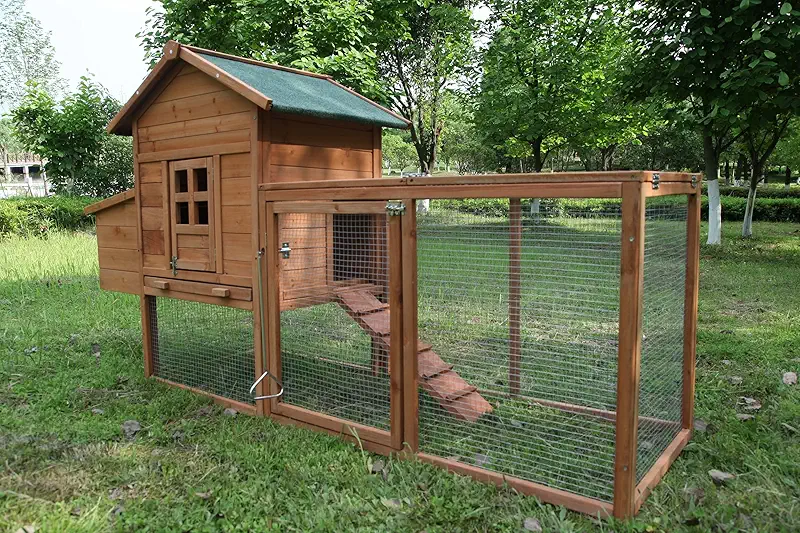
A tidy row of nest boxes with proper pads makes eggs easier on you and the hens.
Why Nesting Pads Matter More Than You Think
When folks first get laying hens, they worry about feed, predators, and what color eggs they’ll get. Nesting pads for chicken coop setups usually come last on the list. I understand. I did the same, and I paid for it with cracked eggs, dirty shells, and grumpy hens who chose the toolbox instead of the nest box.
Here’s what a good pad does, in plain farmer talk:
- Cushions the egg so it doesn’t crack when it drops.
- Keeps eggs cleaner by lifting them off damp wood and manure.
- Makes the nest box inviting, so hens don’t lay under the tractor or in your flower beds.
- Saves you time scrubbing and scraping every morning.
- Helps with smell and moisture if you pick the right material.
One winter, before I smartened up, I was using loose straw in my boxes. Looked cozy, but the hens kicked half of it out onto the floor. Eggs rolled to the front, bumped the wood lip, and I ended up with a dozen “pre-scrambled” eggs before breakfast. That’s when I started experimenting with proper nesting pads for the chicken coop, and I haven’t looked back since.
Types Of Nesting Pads I’ve Used (And What Actually Works)
Over the years I’ve tested just about everything I could stuff into a nest box. Some worked fine, some smelled like the barn forgot to shower, and some got tossed after one week. Here’s how I’d break it down.
1. Straw And Hay: Old-School, But Fussy
Straw and hay are what most of us old-timers started with. They’re cheap, easy to find, and they look “right” in a country postcard. But the hens don’t care about postcards. They care about comfort and habit.
- Pros: Natural, composts well, smells nice at first.
- Cons: Kicks out easily, clumps when wet, hides mites if you’re not careful.
When I used only straw, I had to refill boxes every couple of days. The hens dug craters like they were heading to China. Eggs ended up on bare wood, and my back didn’t appreciate all the bending and refilling.
2. Pine Shavings: Better, But Messy
Pine shavings are a step up. They’re softer and they smell like a lumber yard in a good way. But they’re still loose, and hens love to rearrange loose stuff. It’s like giving kids a box of Legos and asking them to keep it tidy.
- Pros: Soft, absorbent, easy to find.
- Cons: Kicked out fast, sticks to eggs if damp, more daily cleanup.
3. Purpose-Built Nesting Pads
This is where things changed for me. Nesting pads for chicken coop use are designed with both you and the hen in mind. Most are made from things like plastic turf, curled wood fiber, or dense foam with a washable cover.
What I look for when I’m browsing is simple:
- A soft top layer so eggs don’t crack.
- A base that lets moisture drain away.
- Easy to shake out or rinse.
- Size that fits standard boxes without trimming for an hour.
Now, instead of hauling bales of straw every week, I just pull the pads out, shake them, maybe hose them once in a while, and I’m done. The hens still do their usual scratching and turning, but the pad stays put, and the eggs stay where I want them.
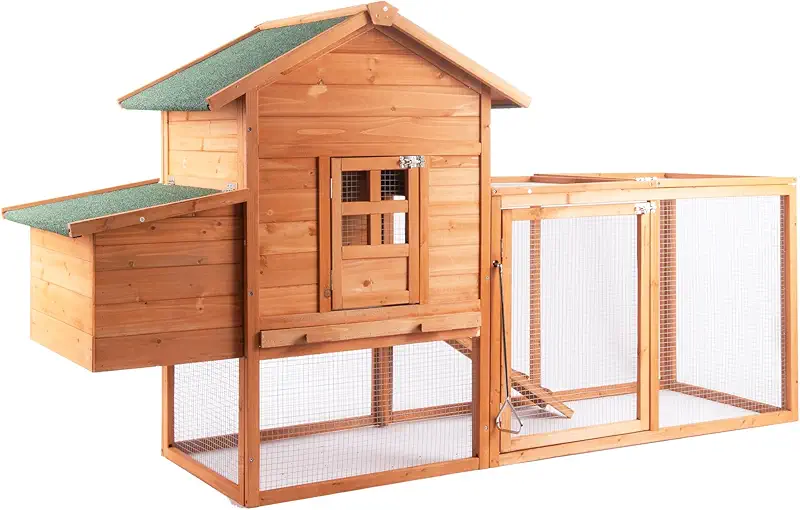
Firm pads with a soft surface keep eggs safe, even when your bossy hen flings her weight around.
How To Choose The Right Nesting Pads For Your Coop
Every coop is a little different, kind of like every old pickup has its own rattle. Before you grab just any nesting pads for chicken coop use, think through these points. They’ll save you headaches later.
1. Get The Size And Fit Right
Measure your nest boxes. Don’t eyeball it like that “just about level” shelf in my barn. Standard nests are often around 12 x 12 inches, but I’ve seen plenty that are wider or deeper.
- Measure width, depth, and how high the front lip is.
- Look for pads close to your size to avoid too much trimming.
- If in doubt, a little big is better than too small—you can trim the edges.
Some pads are made to be cut with scissors or a knife, others hold together better if you leave them as-is. When I’m looking through different options, I always check if the seller mentions “trimmable” or shows photos of the underside so I can guess how they’ll cut.
2. Think About Your Climate
What works for me in a cold, windy Midwest winter won’t be the same as what works in a hot, damp southern summer.
- Cold climates: I lean toward thicker, cushioned pads that hold a bit of warmth. Sometimes I sprinkle a small layer of shavings on top.
- Hot, humid areas: I like open-weave or perforated pads that breathe and dry fast. Less chance of mold and sour smells.
- Very wet regions: I want something raised off the wood so moisture can escape underneath.

Ventilated pads help in damp climates, while thicker pads shine when winter winds howl.
3. Cleaning And Durability
I don’t baby my gear. My nesting pads get scratched, stomped on, and occasionally decorated by a hen with bad timing. So I expect them to handle abuse.
- Can you shake them out easily?
- Can they be rinsed without falling apart?
- Do they dry in a reasonable time?
- Are they thick enough to last more than one season?
I once tried a cheap foam pad that soaked up water like a sponge and took two days to dry. Tossed it after a week. Now I look for firmer materials or designs that don’t hold water deep inside.
4. Comfort For Older Or Heavier Hens
If you’ve got big breeds like Orpingtons or older ladies with stiff legs, a firm but forgiving pad helps more than you’d think. I have one old hen, Mabel, who complained loudly every time she landed on bare wood. Once I added cushioned pads, she went back to singing her happy egg song instead of her “you better fix this” squawk.

A soft, steady surface keeps older hens comfortable and encourages steady laying.
How I Set Up Nesting Pads Step By Step
Let me walk you through how I swap pads or set them up in a fresh coop. You don’t need fancy tools or a degree—just a tape measure and maybe a sharp knife.
Step 1 – Clear Out The Old Bedding
First I empty each box. Old straw, broken shells, tossed feathers—everything goes into the compost pile. It’s tempting to just toss a pad on top of old bedding, but that traps moisture and smells, and hens notice.
Step 2 – Dry And Inspect The Wood
I run my hand along the floor of each nest. If it feels damp, I leave the box open for a bit to dry out, or I wipe it down. I also check for raised nails and rough splinters. Pads hide those, but the hens still feel them.
Step 3 – Measure And Test-Fit
I lay one pad in the box and see how it sits:
- If it bows up or curls, I trim the edges a little.
- If there’s a gap at the front where eggs might roll out, I shift the pad or add a small strip.
- If the pad slides, I sometimes screw a thin strip of wood at the front to act as a “stop.”

A snug pad with a front lip keeps eggs from rolling where your boots will find them.
Step 4 – Add A Light Top Layer (Optional)
Depending on the pads I’m using, I sometimes sprinkle a small amount of shavings or chopped straw on top. Not enough to hide the pad, just enough to give the hen something to shuffle with her beak. Hens love to “make the bed” before they lay.
Step 5 – Watch Your Hens For A Week
For a few days after I change anything in the coop, I pay attention:
- Are hens actually using the nests?
- Are eggs staying centered on the pad, or rolling to the front?
- Any sign of pecking or egg eating starting?
If something seems off, I tweak the setup. Sometimes raising or lowering the front lip an inch makes all the difference.
Keeping Nesting Pads Clean And Fresh
Good nesting pads for chicken coop use should make your life easier, not add chores. Here’s the routine I’ve settled into after plenty of trial and error.
Daily Quick Check
Every morning, after I feed and water, I open each nest box:
- Grab the eggs.
- Brush off any obvious droppings with a little hand broom.
- Check for wet spots or broken egg mess.
This takes maybe two minutes for a small backyard flock. My coffee doesn’t even cool off.
Weekly Shake-Out
Once a week I pull each pad, give it a good shake outside the coop, and let it air for a few minutes. That knocks out feathers, dust, and small bits. The hens usually stand under the coop ladder and complain that I’m rearranging their bedroom, but they get over it.
Deep Clean When Needed
If a hen breaks an egg in the box or decides to roost there at night, you’ll get more mess. When that happens, I:
- Rinse the pad with a hose away from the coop.
- Use a soft brush if anything is stuck in the fibers.
- Let it dry fully in the sun before putting it back.

A quick shake and a bit of sun keeps nests fresher than any spray from the store.
How Good Nesting Pads Help Your Whole Flock
It might sound funny, but those little squares in your nest boxes affect more than just how dirty your eggs are. I’ve seen solid nesting pads improve the whole rhythm of the flock.
Calmer Hens, Fewer Arguments
When nests are comfortable and familiar, hens don’t argue as much. They still all want the same favorite box, of course—chickens are like kids fighting over the one chair with a cushion—but overall there’s less shoving and squawking.
More Eggs Where You Want Them
Before I had proper pads, I’d find eggs in the hay barn, in the corner of the workshop, even once inside an old tire. Once I made the nest boxes soft, quiet, and dim, the girls decided that was the best spot. Now it’s rare I find a surprise egg somewhere else. My knees appreciate not crawling under trailers anymore.

When nests feel safe and soft, hens choose them over all the goofy spots they dream up.
Cleaner Eggs, Less Scrubbing
My wife used to joke that I spent more time washing eggs than collecting them. Since switching to better nesting pads for the chicken coop, most eggs come out almost ready for the carton. I just brush off the odd speck. Less washing means the natural bloom on the egg stays intact longer too.
A Little Kindness Goes A Long Way
I’ve lived long enough to know this: when you take care of your animals’ comfort, they pay you back. Good pads, dry bedding, fresh water, and steady feed turn into steady eggs. It’s not fancy, but it’s true.
FAQs About Nesting Pads For Chicken Coop
I aim for about one nest box for every four hens. So if you’ve got a dozen girls, three boxes and three pads are usually enough. They’ll still all want the same box at 9 a.m., but that ratio keeps fights down.
You don’t have to, but a thin layer on top can make hens feel more at home. I use just enough that they can shuffle it around without burying the pad. Too much loose bedding, and you’re back to eggs rolling on bare wood.
That depends on the material and how rough your flock is. I’ve had sturdy pads last several seasons with regular cleaning. If the pad gets torn up, loses its shape, or holds smell even after washing, I retire it to the compost heap and bring in a fresh one.
They can help, but they’re not a magic fix. Pads cushion the eggs so fewer get cracked, and fewer broken eggs mean fewer hens getting a taste for them. You still need to collect eggs often and make sure nobody is bored or lacking protein.
Yes, most are fine year-round. In winter I often pick a thicker pad and sometimes add a little extra bedding on top for warmth. The key is keeping them dry and out of drafts. Cold and damp is rough on birds; cold and dry they can handle.

The right setup works in every season, as long as you keep your nests dry and out of the wind.
If your mornings are full of cracked, dirty eggs, it might be time to treat your hens—and your back—to better pads.
Show me every coop