Small backyard flock
If you just want 4–6 hens for breakfast eggs, a compact new chicken coop with a built-in run can be perfect. Just do not trust those listings that say “good for 10–12 chickens” on a coop the size of a doghouse.

New Chicken Coop – Honest tips from an old farmer who has rebuilt more coops than he cares to admit.
When you bring home a new chicken coop, you are not just setting up a little house. You are deciding how many eggs you will get, how healthy your hens stay, and how many mornings you can drink coffee instead of chasing birds across the yard.
I have raised laying hens here in the States for decades. I have built wooden coops from old barn boards, dragged prefab coops across muddy fields, and yes, I have watched more than one cheap coop collapse in a winter storm. Let me walk you through what really matters before you pick your next home for the girls.
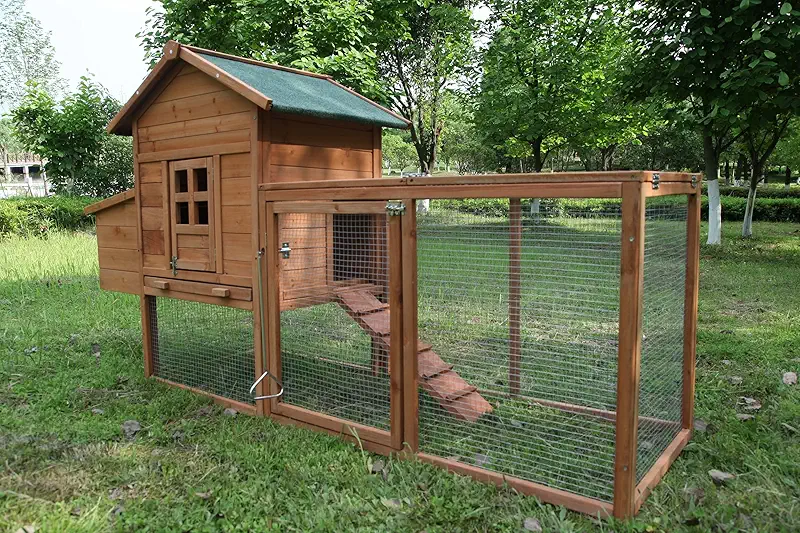
A new chicken coop can be cozy, safe, and easy to live with – if you know what to look for.
Folks often fall in love with a cute little red coop picture, then wonder why their hens look miserable three weeks later. A new chicken coop should first keep your birds safe, dry, and calm. Pretty comes after that.
On my farm, any coop I bring in has to pass this simple test: Can I walk away for a weekend and not worry about raccoons, wind, or a surprise downpour? If the answer is no, the coop stays in the catalog and out of my yard.
I remember one cheap coop I tried years back. Looked great. Went together in an afternoon. That night a raccoon peeled open the thin wire like it was a can of beans. I lost two hens and learned a hard lesson.
A new chicken coop that leaks will break your heart and your egg basket. Hens that stay dry and out of the wind put energy into eggs instead of fighting off chills.
This is the part folks underestimate. Those cute little drawings online rarely match real-life hens with real tails and wings. A tight coop makes for cranky birds, feather pecking, and fewer eggs.
Here is the rule of thumb that has served me well:
If you just want 4–6 hens for breakfast eggs, a compact new chicken coop with a built-in run can be perfect. Just do not trust those listings that say “good for 10–12 chickens” on a coop the size of a doghouse.
If you are like me, you will say “just four hens” and end up with ten. Choose a coop that is a size bigger than you think you need. It is cheaper than buying a second coop later.
When birds roam most of the day, you can get by with slightly less indoor space, but I still keep things generous. Bad weather days turn any free-range flock into full-time indoor birds.
A new chicken coop should make your life easier, not add three chores to your morning. Over the years, I have gotten picky about layout, because my back has opinions now.
Hen’s idea of a good nest: dark, quiet, and not too drafty. Farmer’s idea: easy to reach without crawling on hands and knees. A good new chicken coop finds the sweet spot between both.
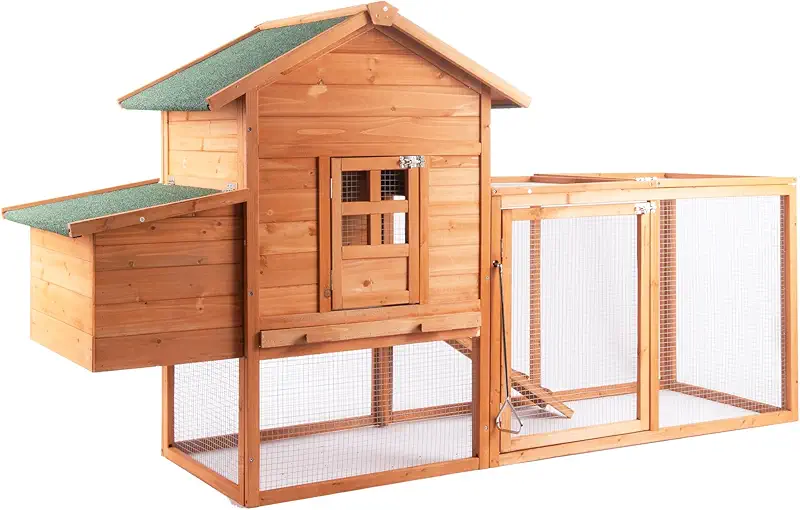
Side-access nest boxes save you from stepping in “surprises” every morning.

A simple ramp and secure doors make life easier for both hens and humans.
Let me be honest: I like my hens, but I do not like shoveling wet bedding in a cramped corner. When I pick a new chicken coop now, I look for anything that makes cleanup faster.
Chickens can handle cold better than damp, stale air. The inside of a new chicken coop should smell like fresh straw, not like a shut-up barn in August.
On my farm, the best coops have vents up high, under the eaves, where air can move without blowing across the birds’ backs at night. That keeps moisture from building up and freezing on combs in winter.

Higher vents let warm moist air escape without chilling the flock at night.

Windows that open and close give you control through hot summers and cold snaps.
Natural light keeps hens’ internal clocks happy. A new chicken coop with a window or clear roof panel can help, especially in the short days of winter. I do not push my birds to lay hard all winter, but a bit of morning light can keep them from totally shutting down.
Just be sure any window that brings in light can also close up tight at night, or you will trade egg production for drafts.
I have seen coops so flimsy the wind nearly moved them to the next county. Thin, soft wood might look okay when you unbox it, but one wet season and it starts to sag like an old barn roof.
Most backyard folks I know use wooden coops with metal roofs. That is my favorite mix too. Wood is warmer in winter, and metal sheds rain and snow well. Here is how I look at it:
My farm has cold winters and hot summers, so I need a new chicken coop that handles both. If you live down South with mild winters, you can lean more on shade and airflow. If you are up North, you want tight seams and good roofing.

Solid framing and a raised base keep the coop drier and more stable through the seasons.

A sturdy run attached to the coop lets your hens stretch their legs safely.
To keep things simple, here’s the list I walk through before I bring any new chicken coop onto my place. You can run down this same list while you look at different options.
Let me share a few quick stories from my own place, in case they help you avoid some of my mistakes. I like to say my hens taught me most of what I know. I just paid the feed bill and took notes.
Once I bought a new chicken coop that was the cheapest I could find. I was proud of myself for “saving money.” The wood was thin, the run was small, and the latches were loose. Within a year I had patched that thing so many times it looked like a wooden quilt. By the time I finally scrapped it, I had spent more on repairs than the price of a better coop to begin with.
Since then, I look at coops like I look at boots: the good ones hurt your wallet once; the bad ones hurt your feet every day.
My favorite new chicken coop came with side-access nest boxes and a big front door. I could step in with a wheelbarrow, scoop out bedding in one go, and be back in the house before my coffee got cold. My hens stayed cleaner, the coop smelled better, and my wife stopped asking if I was storing manure in my boots.

A well-planned new chicken coop keeps chores short and hens content.
Chickens speak pretty clearly if you know how to listen:
When I moved my flock into a better new chicken coop, egg numbers went up, bickering went down, and I stopped finding surprise eggs in the woodpile. That is how you know the coop is doing its job.
For a backyard flock, think in real numbers, not the big claims on the box. A small new chicken coop that truly fits 4–6 hens will usually be advertised as “up to 8–10.” I would rather give 4 hens plenty of room than cram in 8 and watch them fight and peck. Use about 4 square feet per bird inside, and if the numbers do not line up, walk away.
Most of the time, you do not. Chickens are tougher than we are. Dry bedding and no drafts are more important than insulation. In really cold areas, you can hang a windbreak on the inside walls or stack straw bales around the outside. Just keep air moving up high so moisture does not build up. I only use heat lamps in rare emergencies, and I respect them like open flames, because that is what they are.
That depends on how many hens you keep and how big the coop is. With a roomy new chicken coop and dry bedding, a quick tidy every few days and a deeper clean every month works for most backyard flocks. I scrape roosts weekly and change out damp spots right away. If the coop ever smells strong when you open the door, it is time to get the shovel and make the girls happy again.
Yes, but with a bit of common sense. One calm rooster for 8–10 hens is usually fine. More than that and the girls spend all day avoiding attention, and their backs will show it. In a small new chicken coop, I often skip roosters altogether. Your hens will lay just fine without one; you only need a rooster if you want fertile eggs or a feathered watchdog for free-range flocks.
I like to move them all at once at night. When the sun goes down and they are sleepy, I lift them from the old coop and place them on the roosts in the new one. By morning, they wake up thinking, “Well, I guess this is home now.” I keep them closed in for a day or two so they get used to the new chicken coop, then let them out and they will usually march right back in at dusk like they have always lived there.
By now you know what to look for: space, safety, easy cleaning, good air, and a layout that keeps both you and the hens happy. The right new chicken coop will turn your daily chores into a quiet walk and a basket of warm eggs, instead of a wrestling match with wet bedding and cranky birds.
Take a moment, think about how many hens you plan to keep, how your weather behaves, and how much time you honestly want to spend on chores. Then pick a coop that fits your life, not just your yard.
When you are ready, you can also look around and discover all the different chicken coop setups available, from small backyard homes to roomy walk-in barns.