
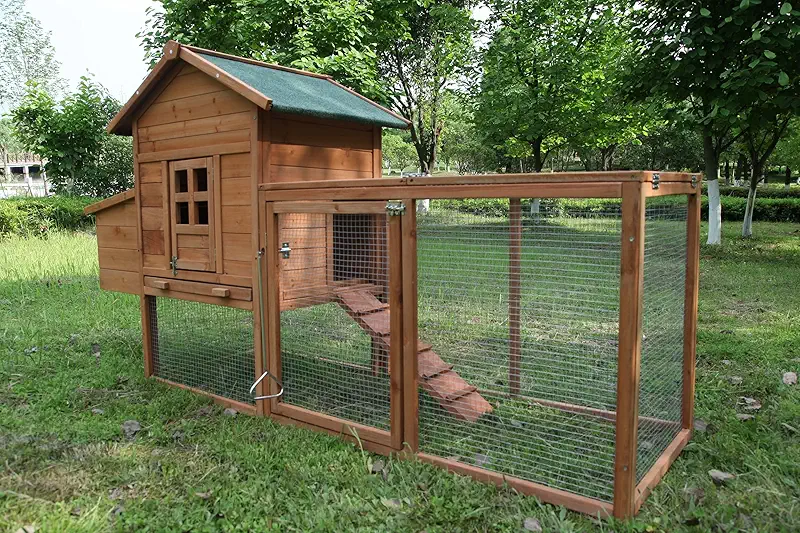
When I brought my first batch of hens home, I had a crooked old shed, a roll of wire, and more optimism than good sense. The shed leaned, the wire sagged, and the raccoons held nightly meetings out back like they were planning a bank job. That’s when I learned: your coop isn’t just “somewhere to put the chickens.” It’s their bedroom, pantry, hospital, and storm shelter all rolled into one.
Over the years I’ve worked with all sorts of setups, including several versions of the Pawhut chicken coop. Are they perfect? No coop is. But for a lot of backyard folks—small flocks, limited time, limited tools—they hit a sweet spot between price, comfort, and safety. Let me walk you through what I look for, what Pawhut usually gets right, and what you’ll want to keep an eye on.
What I Expect From Any Pawhut Chicken Coop
When I size up a coop, I don’t start with the paint color or the cute little windows. I start with basic, boring farmer questions. These are the same questions I ask when I look at any Pawhut chicken coop:
- Will my hens stay dry in a real downpour, not just a light sprinkle?
- Can a raccoon, fox, or neighborhood dog get in if it really wants to?
- Is there enough room so the birds aren’t shoulder-to-shoulder on a hot day?
- Is it easy to clean, or will I dread it every weekend?
- Can I reach eggs and birds without crawling on my hands and knees?
Pawhut models aren’t all identical, but the better ones do a decent job on these basics, especially if you’re willing to add a little farmer tinkering here and there—things like extra screws, a dab of sealant, or a strip of hardware cloth.
My Real-World Experience With Pawhut Coops
The first Pawhut chicken coop I tried went behind my barn, next to the old apple tree. I moved in six pullets—four Reds and two cheeky Leghorns that never stopped talking. The coop was new and pretty, and my wife said it looked like “a tiny farm Airbnb.” The hens didn’t care about the looks, of course. They cared about three things:
1. A Dry, Draft-Free Roost
A good coop needs solid roofing and a bit of ventilation without letting cold wind blow straight across the roosts. Most Pawhut roofs shed water well enough if you:
- Check seams after heavy rain for drips.
- Add a bead of outdoor sealant if you see any leaks.
- Keep branches and snow load off the top.
I had one fall storm that blew sideways rain for hours. Inside the coop, birds were dry, just a bit grumpy. That’s all I ask for.
2. Safe From Nighttime Visitors
Predators don’t test your coop at noon. They come sniffing after dark when you’re inside with your boots off. With Pawhut, I always:
- Upgrade thin wire to proper hardware cloth where I can.
- Add extra latches on doors and nesting box lids.
- Stake down or weight the run if it’s a lighter model.
I’ve had raccoons circle the coop and leave frustrated paw prints on the doors, but no birds lost—because I didn’t trust the “stock” setup blindly.
3. Enough Room to Be Chickens
Hens don’t just stand still like decorations; they scratch, hop, squabble, and stretch. A Pawhut chicken coop works best when you’re honest about flock size. If the listing says “up to 6 chickens,” I treat that as 3–4 hens for comfortable living, especially with larger breeds like Orpingtons or Rocks.
When I overcrowded one of my early coops, the hens told me right away: more pecking, more feather loss, and a couple of bald backs. Once I trimmed the flock and added more run space, everyone calmed right down and egg production picked back up.
Why a Pawhut Chicken Coop Works For Many Backyards
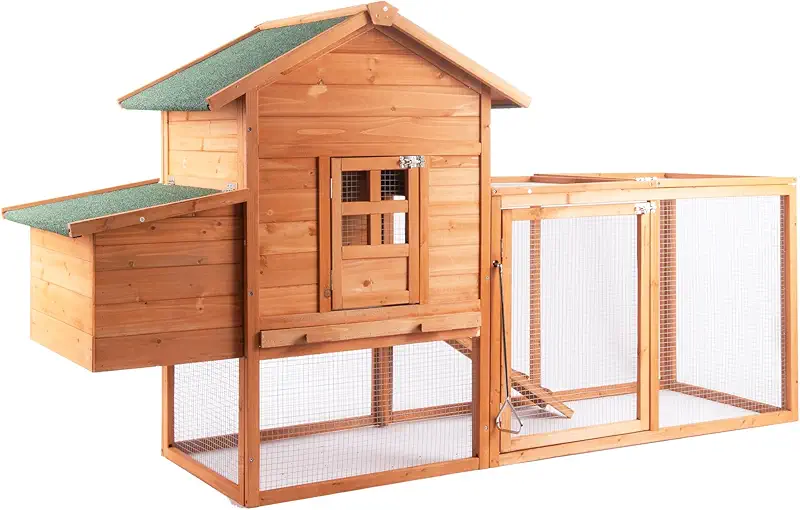
I’ve built coops out of pallets, old doors, and one very questionable swing set. These days, not everyone has the tools or the time for that. That’s where something like a Pawhut chicken coop makes sense. You’re trading some heavy carpentry for a simpler, quicker setup.
Here’s where Pawhut tends to shine for everyday folks:
- Assembly is doable – You might mutter a bit, but you won’t need a full workshop.
- Layout is thought through – Nest boxes, doors, and ramps are where you need them.
- It looks tidy – Neighbors are less likely to complain about an eyesore in the yard.
- Works for small starter flocks – 3–4 hens for eggs is realistic.
If you’re standing in the yard thinking, “I just want a solid little home for a handful of hens,” a Pawhut chicken coop can be that, as long as you respect its limits and give it a little farmer-style reinforcement.
Let me see optionsSetting Up a Pawhut Chicken Coop the Farmer Way
Now let’s talk about getting the most out of your coop. The box may say “ready to go,” but a few small tweaks will add years to its life and make your hens a whole lot happier.
Pick the Right Spot
I like to say chickens don’t need a mansion, but they do appreciate good real estate. When I place a Pawhut chicken coop, I look for:
- High, dry ground so rain runs away, not under the coop.
- Some shade from a tree or fence line for hot afternoons.
- Not too far from the house so you’ll actually check on them at night.
- Easy hose access for cleaning and filling waterers.

Simple Upgrades I Always Do
The first day I put together a new coop, I keep my tool bucket nearby. A few little extras go a long way:
- Add extra screws where boards feel a bit wobbly.
- Staple hardware cloth over any big gaps or weak wire.
- Seal exposed wood edges in wet climates.
- Hang feeders and waterers off the ground to keep bedding cleaner.
None of this is fancy work, just basic common sense. A half hour of tinkering now can prevent a whole lot of cussing later.

One Winter Morning Lesson
A couple winters back we had a cold snap that dropped us well below freezing. I went out before sunrise, breath hanging in the air, half expecting frostbitten combs. Inside the Pawhut chicken coop, the girls were puffed up like little feathered footballs, but they were fine—dry bedding, no drafts right on the roosts.
What helped wasn’t just the coop itself; it was:
- Plenty of dry shavings on the floor.
- Good ventilation up high so moisture could escape.
- Fresh, unfrozen water set up where they could reach it right away.
The coop is the tool; your daily habits are what truly keep hens healthy.
Keeping Your Laying Hens Happy in a Pawhut Coop
A solid coop is only half the story. Happy hens lay better, stay healthier, and give you less drama. Here’s how I keep layers content in a Pawhut chicken coop or any coop:
Space and Routine
Chickens love routine more than most people I know. Same feeding time, same bedtime, same human bringing the scratch. I aim for:
- At least 3–4 square feet per bird inside the coop.
- 8–10 square feet per bird in the run, more if you can.
- Regular treats after they’ve eaten a balanced layer feed.
I also lock them up at dusk and open up at dawn. You’ll be surprised how fast they learn the schedule. If I’m late, they line up at the door and scold me.

Nesting Boxes They Actually Use
Pawhut nest boxes are usually in the right spot, but hens are picky little ladies. To encourage them to lay where you can reach the eggs:
- Keep nests dim and cozy with plenty of straw or shavings.
- Place fake eggs or golf balls in the boxes at first.
- Collect eggs daily so boxes stay clean and inviting.
The first time you open that nest box and see a row of clean brown eggs, it feels like Christmas morning, every time.

Is a Pawhut Chicken Coop Right for You?
Let’s be honest. A Pawhut chicken coop isn’t a heavy, old‑growth timber barn. If you have a big flock, rough weather, and a pile of tools, building from scratch might suit you better. But for a backyard family flock of a few hens, where you want a tidy coop that goes together without weeks of work, Pawhut can be a smart, practical choice.
I usually say it this way:
- Great fit – Small flocks, limited space, milder climates, first‑time chicken keepers.
- Needs upgrades – Predator‑heavy areas, wet climates, or windy open fields.
- Maybe look bigger – If you’re already dreaming of 10–15 birds, go larger from day one.

One thing I like about starting with a prefab coop is that it lets you focus on the birds, not the lumber yard. You’ll spend more time watching hens take their first dust bath, and less time wondering if the hardware store guy cut your 2x4s straight.

If your goal is fresh eggs, happy hens, and a coop that doesn’t make your yard look like a construction zone, then yes—a Pawhut chicken coop is absolutely worth a close look.