
Portable chicken coop
I’ve raised laying hens on this old U.S. soil for more years than I care to count, and I can tell you this: a good portable chicken coop can save your grass, your back, and your patience. Let me walk you through what really matters, the way farmers talk over the fence, not like a glossy catalog.
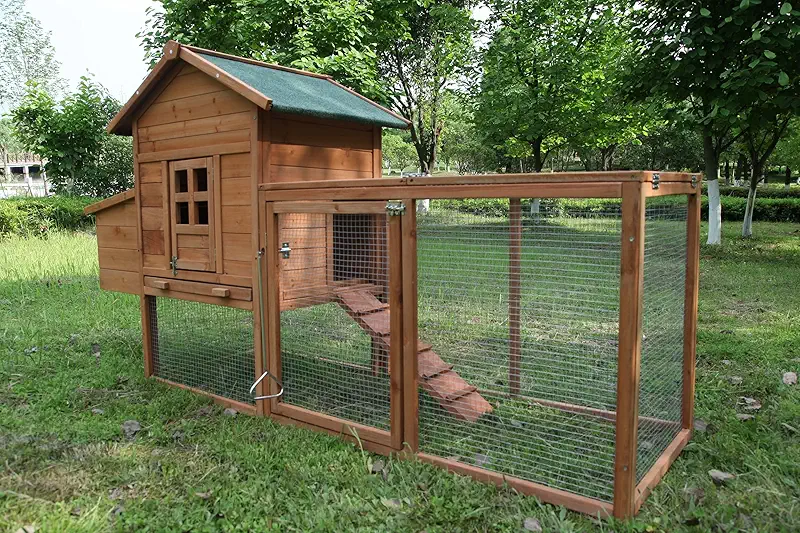
Why a portable chicken coop changed my chores
When I started with laying hens, my first coop was a stubborn old shed. Solid as a rock, but it sat in one spot like a sleeping cow. After a few months the ground around it turned into a muddy, smelly mess that could knock a buzzard off a manure wagon. The grass was gone, the flies moved in, and my boots stayed dirty year-round.
Then I built my first portable chicken coop. It wasn’t pretty, but it rolled. I still remember the first morning I dragged that coop a few yards onto fresh grass. The hens poured out, scratching and clucking like they’d just discovered a buffet. The smell disappeared. The ground healed. And I thought to myself, “Well, you old fool, why didn’t you do this ten years ago?”
If you’ve got backyard layers or a small homestead, a portable chicken coop lets you move hens onto new ground, spread their manure, and give them a cleaner, happier life. It also saves you time on cleaning and cuts down on parasites and bare dirt patches. I’ve tried fixed coops, tractors on skids, tractor-style wheels, you name it. The portable ones are the only coops that ever felt like they were working with me instead of against me.
These days, when folks ask what kind of coop to start with, I usually say, “If you can pull it, push it, or roll it, you’ll thank yourself later.” A portable chicken coop won’t solve every problem on the farm, but it’ll take a big bite out of your chores.
What I look for in a portable chicken coop
I’ve bought, built, and cursed at more coops than I care to remember. Over time, I learned that marketing pictures don’t tell the whole story. What matters is how that coop behaves on a cold, wet morning when you’re half awake and the wind’s trying to steal your hat.
When I’m picking a new portable chicken coop, here are the things I always check, no exceptions.
- Weight and balance. If I can’t pull it myself without talking to my chiropractor after, it’s too heavy. A good portable coop should move like a loaded wheelbarrow, not like a barn.
- Strong frame. Chickens are light, but weather isn’t. I look for a solid frame, decent lumber or metal, and joints that don’t wobble when I shake the thing.
- Real ventilation. Chickens breathe out moisture, and wet air in a coop is trouble. I want vents high up, windows with hardware cloth, and no strong drafts at roost level.
- Easy access for my old back. I want big doors, easy nest box access, and a way to clean without crawling on my knees like a toddler.
- Predator protection. Raccoons and foxes around here think chicken is fine dining. I want hardware cloth, solid latches, and no big gaps at the bottom.
- Enough roost and nest space. Overcrowded hens pick on each other and lay eggs where they shouldn’t. I count roost length and nest boxes before I even look at the color.
I also pay close attention to how the wheels or skids are set up. I’ve had coops that dug into soft ground like a plow, and I’ve had others that rolled across pasture smooth as a grocery cart on clean tile. The second kind makes chores feel lighter; the first kind makes you say words the preacher wouldn’t approve of.
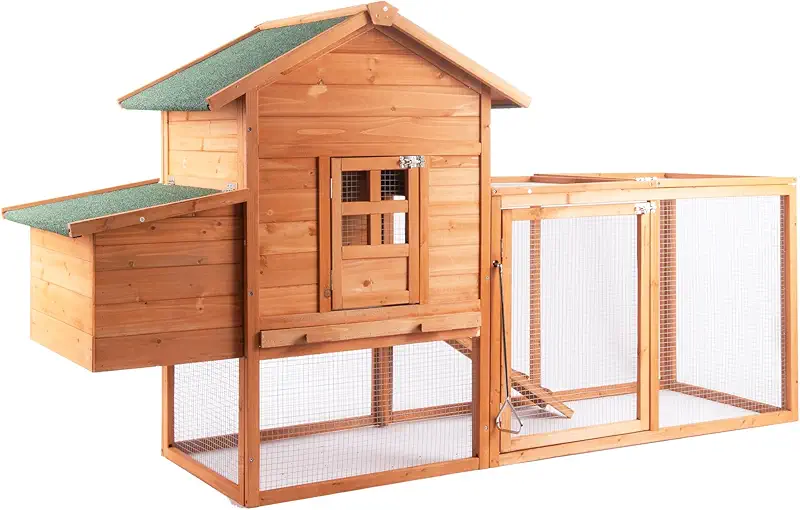
How a portable chicken coop keeps hens healthier
Chickens are simple creatures. Give them dry shelter, fresh air, clean water, and good feed, and they’ll turn bugs and grain into eggs like it’s magic. The trouble starts when they stand in the same patch of dirt day after day. That’s when mud, manure, and parasites pile up together and throw a party.
With a portable chicken coop, you’re not stuck with one worn-out chicken yard. You can slide that coop to a fresh patch of grass every day or every few days. Parasite eggs get left behind, the sun and weather knock them down, and your hens keep scratching on cleaner ground.
I noticed my hens’ feathers stayed shinier, and their feet cleaner, once I started moving coops. Egg shell quality picked up too, and I had fewer cases of pasty, smelly runs. Of course, feed and water matter, but clean ground is a quiet helper that never brags about its work.
Another small thing: moving the coop spreads the manure. Instead of one nasty, over-fertilized strip, the nutrients get scattered over your lawn or pasture. My wife likes to tell people that our greenest grass is “chicken powered.” She’s not wrong.
Daily routine with a portable chicken coop

Folks sometimes imagine poultry chores as a big complicated dance. Truth is, with the right portable chicken coop, mornings are simple and kind of peaceful. Here’s how a normal day looks for me when the weather’s decent.
- Sunrise check. I walk out with my coffee, unlatch the pop door, and let the girls out onto fresh grass. They run out like kids at recess.
- Quick look inside. I peek at the roosts, check for any damp corners, and make sure everyone looks bright-eyed and busy.
- Egg collection. First egg run is mid-morning. I like nest boxes at chest height so I’m not stooping over like a question mark.
- Move the coop. Every day or every couple of days, depending on how many hens I’ve got in there, I grab the handle or lift the frame and roll the coop one coop-length forward.
- Feed and water. I top off feeders and waterers, making sure the water stays clean and shaded if the sun is hot.
That whole routine doesn’t take long, and most of the time I spend with the hens is actually enjoyable. A good portable coop turns chicken keeping from a grim chore into a quiet little ritual, like sweeping the porch or tending a small fire.
And yes, I still talk to my birds. They don’t answer, but they listen better than most people.
Portable chicken coop vs fixed coop
I’m not here to bad-mouth fixed coops. They have their place, especially if you’re in a very windy, snowy area and want something heavy and solid. But if you’ve got any kind of decent weather window and a bit of flat ground, a portable chicken coop wins more days than it loses.
What I like about portable coops
- Fresh ground for hens. Less mud, less stink, more grass.
- Better pasture. Manure gets spread around like nature intended.
- Easier cleaning. You’re moving away from the mess instead of living on top of it.
- Flexible flock size. You can add another mobile coop instead of rebuilding everything.
- Sun and shade control. You can shift your hens under trees in summer or into the sun in winter.
Where fixed coops still work
- You’ve got brutal winters and howling winds.
- Your ground is too steep or rocky to roll a coop safely.
- You want a large walk-in building with storage, brooder, and work space.
- You’re in town with limited yard and strict fencing rules.
I keep one sturdy fixed coop for harsh-weather backup, but for everyday laying and for meat birds, I lean hard on my portable chicken coops.
Choosing the right size portable chicken coop
This is where a lot of folks get tripped up. They see a cute little portable chicken coop photo with ten happy hens, and they don’t realize those hens were hustled in there just for the picture. Chickens need space to stay healthy and kind to each other.
My own rule, based on trial, error, and a few feather-plucking disasters:
- Inside the coop: aim for about 3–4 square feet per hen if they also have regular access to grass.
- Run area: more is always better. For portable runs, I like at least 8–10 square feet per hen.
- Roost space: around 8–10 inches of perch per bird. Big, fluffy breeds need more elbow room.
- Nest boxes: one box for every 3–4 hens works well. They love to share, but not too much.
If you’re just starting, get a coop that fits the number of birds you truly want, not the number you imagine you might want one day. Chickens have a sneaky way of multiplying once you fall in love with fresh eggs. It’s easy to add another portable coop later; it’s harder to cram more birds into one that’s already too tight.

Setting up a portable chicken coop the smart way
A good coop can still be a headache if you set it up wrong. Over the years I’ve learned a few simple tricks that keep my portable chicken coop working smoothly instead of fighting me.
1. Think about water first
Don’t underestimate how much walking back and forth with buckets will wear you down. I like to place my portable chicken coop so I can run a hose close by, or at least so I’m not hiking across the property every day. Water weighs more than it looks, especially when your hands are cold.
2. Plan your “grazing path”
Instead of moving the coop randomly, I usually set a simple path in my head. I work across one section of yard or pasture, then loop back. That way I know which spots have rested and which haven’t, and I don’t end up with bare patches and missed corners.
3. Watch the wind and rain
It doesn’t take a college degree to see which way the wind usually blows at your place. I like my coop door on the downwind side if possible, and I try not to leave the open side pointing into the worst weather. The hens don’t thank me in English, but they show it in how calm they stay.
4. Ground level matters
A portable chicken coop sits right on the earth or close to it, and gaps invite predators. On bumpy ground, I like to pack a little extra soil or straw under any low corners to keep things tight. I also look for spots that won’t collect standing water after a rain.
5. Routine checks
Every few moves I walk all the way around the coop slowly. I tug on the latches, check the wire, and look for any chewing or digging. Predators never get lazier; they only get braver. A small fix today can save a whole flock tomorrow.

Raising laying hens happily in a portable coop
A portable chicken coop is just the house. The real secret to steady, beautiful eggs is how you care for the ladies living inside. I’ve made enough mistakes to fill a book, but a few simple habits keep my hens laying and my conscience clear.
Feed that matches their job
Laying hens need a proper layer ration with enough calcium for strong shells. Scratch grains are fine as a treat, but feed them like dessert, not supper. I keep feeders under cover inside the coop or run so the rain doesn’t turn everything into a sticky mess.
Clean, steady water
Chickens can’t lay right if they’re short on water, especially in summer. I like nipple waterers or covered waterers that stay cleaner. With a portable chicken coop, I often hang my waterer so it doesn’t slosh and spill every time I move the coop.
Nest boxes they actually use
Hens like dim, quiet nest boxes with a bit of bedding. If eggs start showing up in the corners of the run or under the coop, that’s the birds’ way of telling you the nest boxes aren’t cozy enough or are too crowded. A portable coop with external egg access makes checking nests easy, which means you actually do it.

Sun, shade, and boredom
Hens get bored just like people. When I move my portable chicken coop, I keep an eye out for places with a mix of sun and shade, plus some weeds, bugs, and bare soil to dig in. A busy hen is a happy hen, and a happy hen is less likely to pick feathers or go after eggs.
Common mistakes I see with portable chicken coops
If I walked around my county right now, I could probably find every one of these mistakes in somebody’s backyard, and more than once I’d be looking at my own past setups. No judgment here—just some honest warnings.
- Too many hens in too little space. That “It’ll be fine” feeling doesn’t last long. Soon you’ve got pecked combs and dirty birds.
- Moving the coop too rarely. If the ground under your portable coop looks like a battlefield instead of grass, you’re waiting too long.
- Skipping predator checks. Just because last night was quiet doesn’t mean tonight will be. Raccoons are patient thieves.
- Ignoring ventilation in winter. Folks seal the coop up tight and end up with frostbite from damp air. Dry and cool beats warm and wet every time.
- Buying only with their eyes. Cute paint doesn’t keep birds safe, and fancy trim doesn’t make a coop easier to move.
When in doubt, I ask myself one simple question: “Will I still be glad I chose this setup on a cold, dark, rainy morning?” If the answer is no, I change something.
Portable chicken coop FAQ
How often should I move a portable chicken coop?
It depends on how many hens you’ve got and how big the run is. With a dozen hens on a small footprint, I like to move the coop every day or every other day. If the grass is still green and there isn’t much manure, you can wait. If it looks trampled and spotted, you’re overdue. Let the ground tell you the truth; it rarely lies.
Will a portable chicken coop protect my hens from predators?
A good portable coop can be safe, but only if built and used right. I look for solid hardware cloth, sturdy latches you can’t pop open with clever little paws, and a tight fit to the ground or a skirt of wire to stop digging. I still lock my birds inside the coop itself at night. “Portable” doesn’t mean “careless.”
Can a portable chicken coop handle winter?
Up here we see real winter, and yes, you can still use a portable chicken coop if you’re thoughtful. I find a more sheltered spot, maybe near a windbreak, and move it less often when the ground is frozen. I focus on dry bedding, good ventilation above the birds, and enough feed to keep them fueled. In really harsh snaps, I sometimes park the mobile coop near a fixed building for extra backup.
How many laying hens can I keep in a portable coop?
That depends on the size of the coop, not the word “portable” on the label. For most backyard-sized portable coops, 4–8 hens is a realistic, comfortable number. Bigger tractor-style setups can hold more, but you still want around 3–4 square feet per hen inside and plenty of run space. When you’re in doubt, keep fewer birds and enjoy better behavior and cleaner eggs.
Is a portable chicken coop good for beginners?
I’d say yes, especially for small flocks. A portable coop forgives a lot of beginner mistakes: you can move away from mud, shift into more shade, and adjust as you learn. Just remember that moving the coop becomes part of your routine. If walking out to the birds once or twice a day sounds pleasant to you, you’ll do just fine with a portable setup.
Let your coop do some of the work
At the end of the day, this isn’t about fancy gear. It’s about you, your hens, and how you want your chores to feel. A good portable chicken coop is like a quiet farmhand. It doesn’t brag, it doesn’t complain, but it makes a lot of little jobs easier and keeps your birds on cleaner ground.
I’ve shoveled out fixed coops in the heat, standing in ankle-deep mess, wondering why I thought that was a smart design. I’ve also walked behind a well-balanced portable coop, rolling it across fresh grass while the hens follow along, and thought, “This is how it ought to be.”
If you’re ready to give your flock a simple, flexible home that moves with the seasons and keeps your grass from turning into a sacrifice zone, it might be time to look over a few portable options and see what fits your ground, your flock, and your back.

When you’re ready to see what’s out there, take your time, picture your own yard, and choose the portable chicken coop you can see yourself rolling on a chilly Monday morning. That picture in your mind is worth more than any glossy photo.
