
Prefab chicken coop wisdom from the farm
Prefab chicken coop
I have been raising laying hens for decades on our little patch of dirt, and I will tell you this: the right prefab chicken coop can feel like adding another pair of good, dependable hands to the farm.
Let me walk you through what actually matters when you pick a prefab chicken coop, how it treats your hens, and how it saves your back, your time, and your patience.
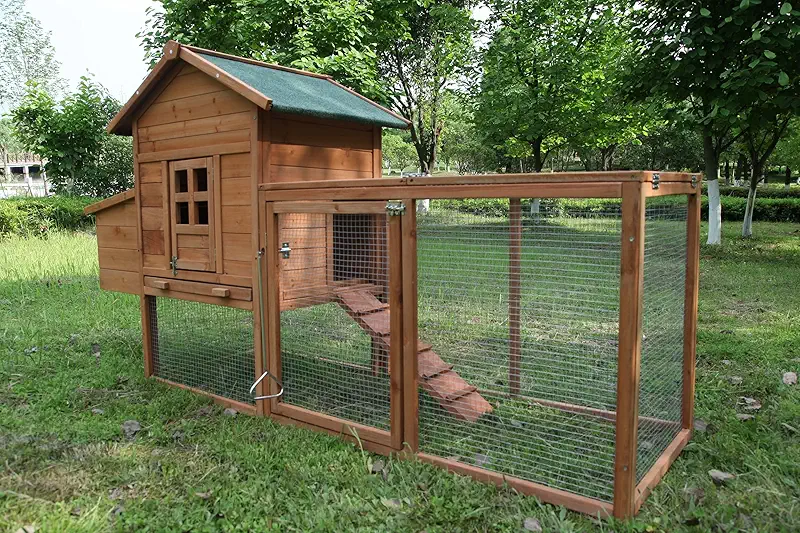
Why a prefab chicken coop makes sense for real life
I come from the “build it yourself” school of farming. When I was younger, I tried to build everything, including my first chicken coop. Let me paint you a picture. Boards were crooked, the roof leaked like a sieve, and the door stuck every time it rained. My wife said the hens looked embarrassed to live there.
These days, I am older, my knees are louder than my rooster, and I have learned the value of a good prefab chicken coop. You still need common sense and a little sweat, but you do not have to reinvent the wheel with a tape measure in one hand and a prayer in the other.
A solid prefab coop does three big things for you:
- Keeps your hens safe from predators and bad weather.
- Makes your chores quicker, cleaner, and less backbreaking.
- Gives your birds a calm, dry, comfortable home so they keep laying steady.
Happy hens are steady layers. Stressed hens are feathered drama queens. Your coop is where that story is decided every single day.
What I look for in a prefab chicken coop
When I walk up to a prefab coop, I look at it the same way I look at a used tractor. I am not impressed by pretty paint. I am interested in how it is built, how it will hold up, and how it will treat me and my birds after five winters and a couple of good storms.
1. Honest capacity (how many hens, really)
The box on the website might say a coop holds 8–10 hens. That is marketing talk. I like to cut that number in half for real comfort. My rule of thumb:
- At least 4 square feet of indoor space per hen in the coop.
- 8–10 square feet per hen in the run if they are not free-ranging much.
- One nesting box for every 3–4 hens.
I once “believed the box” and crowded too many birds into a small coop. Within a week, I had pecking, bare backs, and a whole lot of squawking that sounded like a feathery bar fight. Space matters.
2. Real predator protection
Out here, everything thinks a chicken is a snack. Raccoons, foxes, hawks, dogs, even the neighbor’s “sweet” lab that “never chases anything” until he meets your hens. Your prefab chicken coop needs to be more like a little fortress than a dollhouse.
When you size up a prefab coop, look for:
- Hardware cloth, not chicken wire for the run and vents.
- Solid latches that raccoons cannot open like a lunchbox.
- Sturdy floor or a buried wire apron to stop diggers.
- Doors that actually close tight, even after a good wind.
I lost my favorite hen, Daisy, to a raccoon years ago because I trusted a flimsy latch. I have not made that mistake again, and I do not want you to either.
Materials: wood, metal, and easy-to-clean surfaces
Most prefab chicken coops these days are made from some flavor of wood, sometimes with metal roofing, sometimes with plastic parts. Each has its own personality, just like hens in a flock.
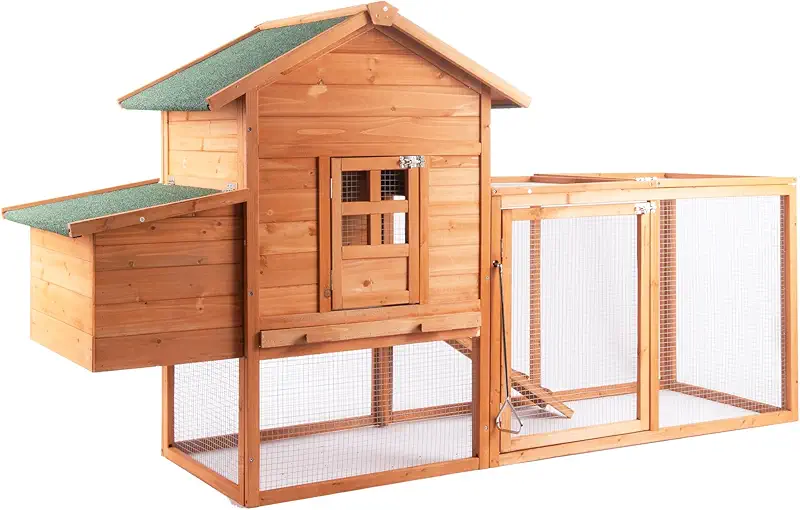


Wooden prefab coops
Wood looks good and feels natural, but cheap soft wood will rot and warp if you look at it the wrong way. What I like to see in a wooden prefab chicken coop:
- Decent thickness, not paper-thin panels you can flex with one hand.
- Some kind of weather treatment or paint right out of the box.
- A raised floor so the base does not sit in every puddle that comes along.
I always add a coat of exterior paint or sealer to any wood coop, even a prefab one. It is like putting on a good barn coat before winter. Adds years of life.
Metal and plastic parts
Metal roofs are tough and shed snow and rain well. I am fond of them. Just make sure there is a bit of insulation from the sun if you live where summers are hot. A bare metal roof with no shade can turn a coop into a slow cooker.
Plastic trays and removable floors are one of those little blessings you do not appreciate until you are out there in the dark, scraping the roosts longer than you meant to. A smooth plastic droppings tray you can slide out and dump? That is worth more than it looks.
Ventilation, drafts, and keeping hens comfortable
Birds do not handle damp and stuffy air very well. A tight, pretty coop with no airflow is a good way to grow frostbite and respiratory trouble. At the same time, you do not want wind whistling across their backs all winter. There is a balance.
Good ventilation looks like this
- Vents or windows up high, where warm, moist air rises.
- Openings covered with hardware cloth, not chicken wire.
- Airflow above roost level, not blowing straight onto the birds.
With a prefab chicken coop, I like to see vents you can partly close in rough weather, or windows that can be propped open in summer and shut in a storm. Simple, sturdy hardware goes a long way.
In winter, I care more about dry air than warm air. Dry and a little chilly beats warm and damp every time for a hen’s health.
Inside the prefab coop: layout that actually works
When you peek inside a prefab chicken coop, imagine doing chores on a muddy Tuesday when you are tired and it is raining sideways. That is the test. Not the sunshine catalog picture day.
Roosts: where they sleep
Hens like to sleep up off the ground. I prefer flat 2x4-style roosts with the wide side facing up. That way, in winter, they can cover their toes with their feathers and stay warmer.
- Give each hen 8–10 inches of roost space.
- Put roosts higher than the nesting boxes to discourage sleeping in the nests.
- Leave space underneath for easy cleaning, not a maze of boards.
Nesting boxes: quiet spots for eggs
I do not know why, but hens like to share nests like it is a gossip circle. You might see six birds lined up waiting for one favorite box while the others sit empty. That is normal.
In a prefab chicken coop, I like:
- Nesting boxes around hen chest height, not at the very top.
- A small lip on the front to hold bedding and eggs.
- Outside-access nesting box lids so you can gather eggs without stepping in everything.


Doors, ramps, and people access
If you have ever crawled into a coop on your hands and knees to catch a hen, you do not forget it. I want a people-sized door or at least a big panel that opens wide so I can reach every corner.
For the pop door (the chicken door), look for:
- A ramp with cleats so their feet do not slip in wet weather.
- A door you can close securely at night without a wrestling match.
- Simple hardware you can manage with gloves on.
Pros and cons of prefab coops (spoken from the barn aisle)
I like a prefab chicken coop, but I also like being honest. They are not magic, and they are not for everyone. Here is how I explain it when neighbors ask for my two cents.
Why prefab coops are handy
- Fast to set up, often in an afternoon instead of a week of cutting and measuring.
- You know what you are getting in terms of layout and features.
- Great if you do not own a barn full of tools or have much building experience.
- Often come with runs, nesting boxes, roosts, and trays already figured out.
- Easier to move or re-sell if your flock changes.
Where they fall short
- Some cheaper models use light wood that needs extra care and bracing.
- Listed capacity is often optimistic; better for fewer hens than the box claims.
- May need small upgrades: stronger latches, extra vents, or better roofing.
- Not always perfect for extreme climates without a little modification.
To me, a prefab coop is a good starting point, like a basic pickup truck. Solid and useful right away, and you can still add what you need over time.
Real-world setup tips for your prefab chicken coop
No matter how nice the prefab is, where and how you set it up will make or break your daily routine. I have fussed with enough coops to know a few tricks that save you a lot of frustration.
Pick a smart spot
- Slight slope so water runs away, not under the coop.
- Morning sun to dry things out and wake the hens gently.
- A bit of shade in the afternoon, especially in hot regions.
- Close enough to the house that you will actually check on them when it is cold and dark.
My best coop spots are where I can see the birds from the kitchen window. If I can peek at them while the coffee is brewing, things tend to stay in better shape.
Predator apron and floor care
Even if your prefab chicken coop comes with a floor, I like to:
- Lay down a layer of gravel or sand under the coop for drainage.
- Run hardware cloth apron 12–18 inches out around the run, buried or pinned down.
- Use a deep layer of shavings or straw inside to absorb moisture.
An apron of hardware cloth around the base has stopped more than one fox and a very determined dog on my place. They hit that wire and move along to easier pickings.
Little upgrades that go a long way
I almost always do a few quick improvements when I assemble a new prefab coop:
- Add extra screws and braces at stress points and corners.
- Swap flimsy latches for strong, locking ones.
- Seal edges and knots with exterior caulk where rain likes to sneak in.
- Hang a bucket with nipples or a closed drinker to keep water clean.
None of this has to be fancy. I just think of it like tuning up a used truck before working it hard.
Caring for laying hens in a prefab coop
The coop is just the house; the hens are the real story. Over the years, I have seen that simple, steady care beats any fancy gadget. Here is how I keep my girls healthy and laying in a prefab chicken coop.
Routine that keeps everyone happy
On my place, chores run like this:
- Morning: open the coop door, check water and feed, quick look at each bird.
- Midday: gather eggs, top up feed if needed, rake the run if it is muddy.
- Evening: headcount on the roost, close the door, quick sniff test for ammonia.
If your coop smells sharp like a cat box, that is ammonia. Time to add dry bedding, stir things up, or clean out more often. Your hens’ lungs are more delicate than you might think.
Bedding, cleanliness, and bugs
I like pine shavings in the coop and straw or coarse bedding out in the run if it gets wet. For a prefab chicken coop, light bedding keeps the structure cleaner and easier to manage.
- Clean out droppings trays once or twice a week if you have them.
- Freshen nesting boxes weekly, more often in damp weather.
- Dust cracks and roosts with poultry-safe powder a few times a year to keep mites away.
Mites and lice are sneaky. If you see hens dust bathing more than usual, acting restless at night, or you notice pale combs, give them and the coop a closer look.


Behavior signs to watch
Hens will tell you how they feel about the coop if you pay attention:
- If they sleep in nesting boxes, the roosts might be too high, too narrow, or drafty.
- If they avoid part of the coop, check for leaks, drafts, or pests in that spot.
- If they pace and holler at the door, your run might be too small or too bare.
A little branch or stump to hop on, a dust bath spot, and some scratch on the ground will calm a lot of fuss.
Prefab chicken coop – FAQ
1. How many hens can I keep in a prefab chicken coop?
Ignore the wild numbers on the product box. Figure out how much floor space the coop actually has. I like at least 4 square feet per hen inside. If a prefab chicken coop says it holds 8 hens, I would be more comfortable with 4 or maybe 5, especially in winter when they spend more time indoors.
Your birds will be calmer, cleaner, and lay better when they are not crowded like commuters on a city bus.
2. Is a prefab chicken coop warm enough for winter?
That depends more on your setup than the box. Most prefab coops are fine if:
- You block strong drafts at bird level but keep vents up high open.
- You use dry bedding and clean it often enough.
- You avoid dampness and leaks.
Chickens handle cold better than heat, as long as they are dry and out of the wind. I do not heat my coops, even in a good freeze, but I make sure the coop is snug and well ventilated.
3. How long will a prefab chicken coop last?
With cheap wood and no extra care, some might only go a few seasons before they get wobbly. But if you:
- Seal and paint the outside.
- Keep it on dry ground.
- Fix little problems before they grow.
you can get many years out of a decent prefab chicken coop. Think of it like a barn jacket: take care of it and it will serve you a long time.
4. Do I still need a run if I free-range my hens?
I always like to have a run, even if the birds free-range most days. Weather happens. Predators get bold. You might be out of town or busy for a few days. A covered run on a prefab chicken coop gives you options.
It is also handy for keeping new birds separate or giving the ground a rest now and then.
5. What small upgrades should I plan for with a prefab coop?
Most prefab coops benefit from three simple upgrades:
- Stronger latches and, if needed, an extra lock on the main doors.
- A buried or pinned-down hardware cloth apron around the run.
- Paint or sealer on the outside wood to handle rain and sun.
These improvements do not take much time but pay you back in fewer losses and longer coop life.
Choosing your prefab chicken coop with confidence
Standing in your yard with a tape measure, thinking about hens you have not even met yet, can feel a bit overwhelming. I have been there. You want something sturdy, simple, and kind to the birds.
When you look at prefab chicken coops, keep these questions in mind:
- Is there enough honest space for the number of hens I truly plan to keep?
- Can I reach every corner for cleaning without crawling on my belly?
- Does the design make sense for my weather and predators?
- Am I willing to give it a little extra love with paint, hardware, and small upgrades?
If you can nod “yes” to those, you are on the right track. Remember, the hens do not care about fancy trim. They care about dry bedding, fresh air, and a steady hand that shows up every morning.
If you feel your shoulders drop a little at the thought of skipping the big building project and starting with a prefab chicken coop instead, that is your gut talking. Listen to it. There is no medal for doing everything the hard way.
When you are ready to look over different sizes and layouts, take your time, sip something warm, and picture your future flock scratching and clucking in each one.
I’ll compare a fewSee more prefab chicken coop choices
There are a lot of prefab designs out there now: tall walk-in styles, low tractor-style coops you can move around the yard, compact backyard setups for just a small handful of laying hens. The good news is, you do not have to settle for something that does not fit your birds or your life.
Take what I have shared here, measure your space, think about how many hens you truly plan to keep, and then look at the details: flooring, vents, latches, roosts. Pick the one that you can picture yourself tending in bad weather just as easily as on a sunny afternoon. That is the one you will stick with.
Explore every kind of chicken coop
If you are still sorting out whether you want a small starter setup or a bigger walk-in house for a growing flock, it helps to see different styles side by side. There is no single “right” coop, just the one that matches your birds, your yard, and your own daily rhythm.
Maybe you are picturing a cozy prefab chicken coop right off the back porch, where kids can gather eggs in their pajamas. Maybe you see a sturdier walk-in coop down by the garden so the hens can clean up bugs. Either way, you have options.