
Raised chicken coop
I’ve been raising hens on our little U.S. farm long enough to remember when my “chicken coop” was an old shed that leaned like it had one leg shorter than the other. It sat flat on the ground, stayed damp, and the rats thought I built it for them. When I finally switched to a raised chicken coop, my birds got healthier, my chores got easier, and I wondered why on earth I waited so long.
If you’re thinking about a raised chicken coop, you’re on the right track. A good coop doesn’t have to be fancy, but it does need to keep your hens dry, safe, and relaxed, or those egg baskets start coming up light. I’ll walk you through what I’ve learned, the mistakes I’ve made, and what I look for when I’m choosing a raised coop these days.
Grab a cup of coffee, and let’s talk chickens like neighbors over the fence.
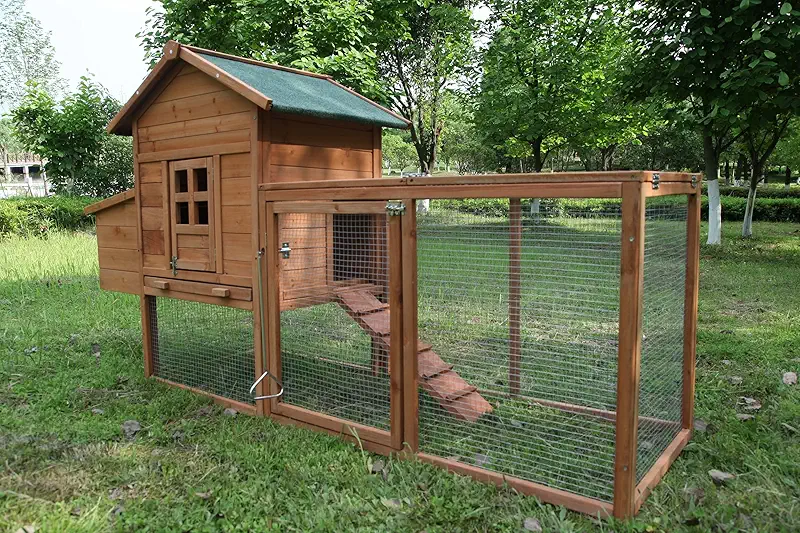
Why a Raised Chicken Coop Just Works Better
On our farm, the day we lifted the chickens off the ground was the day a bunch of headaches disappeared. A raised chicken coop is simply a coop with the floor off the soil, usually on legs or a frame. The idea is simple, but the benefits are real.
Dry floors mean healthier birds
The ground never really stops moving. It soaks up rain, pushes up mud, and invites everything from worms to weasels. When my old ground-level coop went through a wet spring, the bedding turned into something between oatmeal and a swamp. The hens walked through it, slept in it, and then I wondered why they were sneezing and limping.
With a raised coop, air flows underneath and the floor stays dry. Bedding lasts longer, smells better, and doesn’t turn into a science experiment every time it rains. When the floor is dry, the hens stay cleaner, and so do your eggs.
Less trouble from rats and other uninvited guests
Rats love feed and dark corners. Give them a coop sitting flat on the ground with a few cracks, and they’ll move in rent-free. I had a year where the rats were eating more feed than my hens. I could hear them under the floor at night. Let me tell you, that will keep you up.
When the coop is raised, it’s easier to see underneath and around it. Critters have fewer hiding spots. If you combine a raised coop with wire or solid sides under the house, you make life a lot less comfortable for anything that wants to share breakfast with your flock.
Easy cleaning means you’ll actually keep it clean
Here’s the honest truth: if a coop is hard to clean, it won’t get cleaned as often as it should. We’re all busy. A raised chicken coop with a good height lets you scrape out bedding without crawling on your hands and knees like you’re exploring a cave.
I like a coop high enough that a wheelbarrow can slide under the clean‑out door or close to it. That way, I can rake bedding straight out instead of scooping 50 little shovels into a bucket. The easier the chore, the more likely you’ll do it before it becomes a job you dread.
Key Things I Look For in a Raised Coop
I’ve tried homemade coops, store-bought coops, and a couple of “what in the world was I thinking” setups. Over the years, I’ve settled on a few things that matter most when I’m picking a raised chicken coop for any flock size.
1. Height off the ground
Too low, and you can’t use the space underneath. Too high, and you need a step ladder just to check the nesting boxes. I like that sweet spot: high enough for air flow and cleaning, low enough that chores don’t feel like a circus act.
- About 18–24 inches off the ground works well for most small backyard coops.
- Taller coops can go 3–4 feet up, especially if you want hens to use the shade under the coop.
- Think about your back and your kids – everyone needs to reach safely.
2. A solid floor that doesn’t sag
The floor is where everything happens: scratching, sleeping, and yes, a whole lot of pooping. A flimsy floor will sag and trap moisture. I look for floors that feel solid when you press on them, with no soft spots or spongy boards.
3. Ventilation that doesn’t turn into a wind tunnel
Chickens hate drafts at roost level, but they need fresh air. In a raised coop, air can already move underneath, so I pair that with vents up high on the walls. That way, the warm, moist air escapes, but the hens don’t sit in a chilly breeze at night.
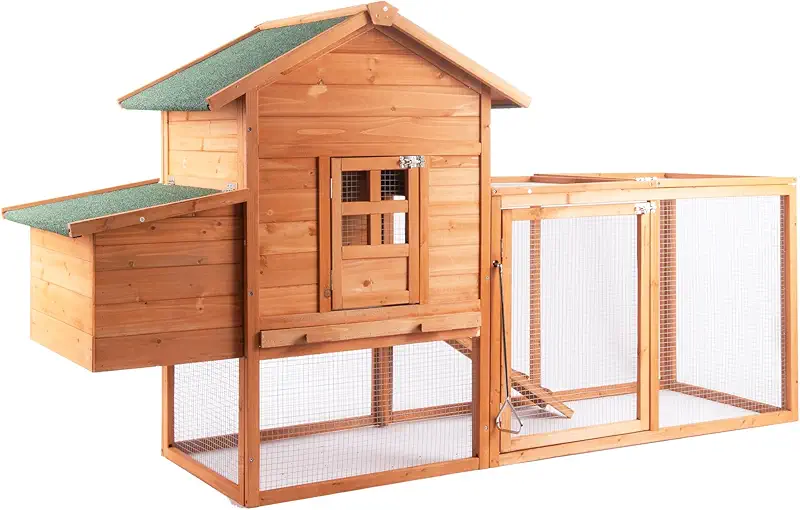
4. Easy‑to‑reach nesting boxes
My knees aren’t what they used to be, and I’d rather not crawl into a coop just to gather eggs. With a raised chicken coop, outside-access nesting boxes are a blessing. Open a lid, reach in, and there are your eggs, still warm, like a little daily gift.
5. Safe ramps and doors
Hens aren’t mountain goats. If the ramp looks like a ski jump, they’ll hesitate, and you’ll end up playing “catch the chicken” at dusk. Look for a gentle slope with sturdy cleats so they can walk up and down without sliding. Doors should close tight, with latches that raccoons and other clever thieves can’t figure out in two seconds.
Using the Space Under a Raised Coop
One of the quiet bonuses of a raised chicken coop is the space underneath. Most folks don’t realize how handy that little patch of shade can be until they see their birds crowding under there on a hot afternoon.
Built‑in shade and dust bath heaven
On our farm, the hens love the cool dirt under the coop. They scratch out a little hollow and take dust baths, flopping over like they’re sunbathing at the beach. It looks ridiculous, but it keeps mites and lice off them naturally.
If your coop is raised high enough, you get:
- Natural shade on hot days.
- A dry spot during light rain.
- A protected dust bath area they’ll use year‑round.

Feed and storage, if you plan it right
Under‑coop space can also hold small feeders, waterers, or even a bin with extra bedding if the design allows. Just remember that anything under there should stay dry and be safe from critters. I don’t store feed directly under the coop unless it’s in a tight, rodent‑proof container.
Predator protection under the coop
If you leave it open, the hens can use the space. If you close it in with hardware cloth, you add another layer of predator protection. I’ve seen folks skirt the base with sturdy wire so nothing can dig straight under the coop walls. It doesn’t make your coop a fortress, but it sure makes it less inviting to the night shift.
Raised Chicken Coop vs. Ground‑Level Coop
I’ve kept hens in both, and if I had to start over tomorrow, I’d go raised without thinking twice. Here’s what I’ve noticed in simple, day‑to‑day living.
Weather and mud
In a ground‑level coop, you battle mud every time the weather gets excited. Moisture sits right under the birds, pushes up through the bedding, and that dampness invites bacteria and respiratory issues. In a raised coop, air under the floor helps keep everything drier. My boots and my hens both appreciate that.
Egg quality and behavior
When birds feel safer and drier, they act calmer. I’ve seen better laying consistency and cleaner eggs with hens that roost in a draft‑free, raised coop. They’re less likely to lay on the floor, too, because the nesting boxes feel like the obvious, cozy choice instead of the only dry spot.
My back and my time
Let’s be honest here: if taking care of the coop is a daily wrestling match, chickens become a burden. With a well‑designed raised coop, it’s more like a quick visit with friends. I swing open a door, check bedding, gather eggs, top off feed and water, and I’m done. Saves my back and a lot of minutes I’d rather spend doing something other than scooping out soggy shavings.
Real‑World Tips for Choosing a Raised Chicken Coop Online
When you’re looking at a picture on a screen, it’s easy to forget how big (or small) that coop will feel in your backyard. I’ve learned to ask myself a few questions before I hit that button and bring a new coop home.
Think in chickens, not just inches
Most listings will say something like “good for 4–6 chickens.” I take that with a grain of salt. I prefer:
- At least 3–4 square feet of indoor coop space per bird.
- At least 8–10 square feet of outdoor run space per bird, more if you can.
If the numbers sound tight, I treat the “maximum chickens” listed as more of a “crowded chickens” warning.
Look close at doors, latches, and ramps
Pictures will show you a lot if you pay attention. I zoom in on:
- The latch style – simple hooks are raccoon toys.
- Ramp angle and spacing of the cleats.
- How the clean‑out door opens – high, low, wide enough for a rake?

Don’t ignore the roof
The roof is the hen’s umbrella. On a raised coop, rain runs off the roof and sometimes splashes back up from the ground. I look for a decent overhang and materials that won’t fall apart after one hard winter. A good roof keeps the inside dry and your bedding from turning into compost before its time.
Plan for little upgrades
Even the best off‑the‑shelf coop usually gets a few farm tweaks. I often add:
- Extra latches where I think a raccoon might test things.
- A bit more ventilation up high if it feels stuffy.
- Stronger roosts if the originals look skinny or weak.
Expect to spend an afternoon getting any new coop “farm ready.” That’s just part of making it truly yours.
Daily Life With a Raised Chicken Coop
Let me paint you a simple morning. Sun just coming up, coffee in hand, you walk out to the coop. The ground might be damp with dew, but inside that raised coop, the bedding is dry, and the air smells like clean straw instead of a swamp.

Easy chores, happier birds
Hens hop down the ramp, ready to start their day talking to each other like they’re planning a town meeting. You open the nesting box lid and find clean, uncracked eggs. Bedding is still doing its job, and you think to yourself, “That raised floor is earning its keep.”
Less bending, less fussing
One thing I love about a raised coop is that most of the action happens about waist‑high. I don’t have to fold myself in half to check water, feed, or the roost bars. Getting older is a lot easier when your coop layout doesn’t pretend you’re still twenty.
A coop that grows with your flock
Chickens have a funny way of multiplying. You start with four and wake up one day wondering how you ended up with twelve. A well‑chosen raised chicken coop can sometimes be expanded with an extra run or a second house connected nearby. When I pick a coop, I ask myself, “If I add a few more hens next year, can I make this setup bigger without starting over?”
Winter and summer in a raised coop
In winter, that air space under the coop actually helps keep the floor from wicking up damp cold. I still bed heavily and block drafts, but my hens roost on dry wood, not chilled, wet boards. In summer, the shade under the coop is usually the coolest spot in the whole run.
Weather will always do what it wants. A raised coop just gives your birds a better fighting chance against the extremes.

Common Mistakes Folks Make With Raised Coops
I’ve made most of these myself, so consider this a friendly warning from someone who’s already done the “learning the hard way” part.
1. Choosing a coop that’s too small
Those pictures of a dozen birds squeezed into a tiny house might be cute, but crowded hens pick on each other, spread disease faster, and start laying eggs in places that are hard to reach. Always aim for more space than the minimum.
2. Forgetting about wind direction
A raised chicken coop lets wind roll under it, but if you point the main door straight into the winter wind, your birds will feel it. I like to face doors and big openings away from the roughest seasonal wind and storms, using trees or fences as natural breaks when I can.
3. No plan for mud around the coop
The coop itself may be dry, but the ground around it can still turn into a mud pit in wet weather. I lay down gravel, wood chips, or even old pallets in the worst spots so I’m not wading through muck to reach the door.

4. Underestimating predators
Raccoons can open simple latches. Foxes can dig. Dogs can chew. I treat every raised chicken coop like it’ll be inspected nightly by something hungry and determined. Strong latches, hardware cloth instead of flimsy chicken wire, and secure doors all matter.
5. Ignoring your own routine
Ask yourself how you really live, not how you wish you lived. If you’re busy, pick a coop that makes chores quick. If kids will help, think about their reach and safety. The “best” raised coop is the one that fits your actual life, not a perfect picture on a screen.
FAQ About Raised Chicken Coops
A coop itself doesn’t magically make hens lay more, but a raised chicken coop helps create the conditions that support steady laying. Drier bedding, cleaner air, and fewer predators mean less stress, and less stress usually means more reliable eggs. On my farm, once I moved hens into well‑ventilated, raised coops, I saw fewer breaks in laying during wet spells and fewer dirty, cracked eggs.
For most backyard flocks, 18–24 inches off the ground works fine. That’s high enough for air to move and for you to see and clean underneath, but low enough that the ramp doesn’t feel like a ladder. Larger walk‑in coops might sit 3–4 feet up if you’re using the space under the coop for shade and dust baths. Just remember: hens need a gentle ramp and you need to comfortably reach doors and nesting boxes.
No coop is predator‑proof, but a raised chicken coop can be much safer than one sitting flat on the ground. The gap under the floor makes it harder for animals to chew or dig straight into the house. Combine that with solid latches, hardware cloth, and good doors, and you’ll turn a tempting target into a much tougher job. On our farm, raised coops plus strong fencing cut predator trouble down to almost nothing.
Yes, as long as you set it up right. Cold doesn’t hurt chickens nearly as much as dampness and drafts. A raised coop can actually stay drier inside because moisture from the ground doesn’t soak up through the floor. In winter, I use deep, dry bedding, block direct drafts at roost level, and keep vents up high open so moisture can escape. My hens handle snow and ice just fine in raised coops built with those basics in mind.
I like to use simple numbers rather than marketing claims. Aim for at least 3–4 square feet of indoor space per hen. So, if the raised coop has about 12 square feet inside, I’d be comfortable with three or maybe four hens, not six or eight. You can squeeze more birds in, but I’ve found crowding brings pecking, stress, and health problems. When in doubt, give them more room than you think they need – they’ll use it.
Ready to Picture Your Own Raised Chicken Coop?
If you’ve read this far, you’re probably serious about giving your hens a better home. A raised chicken coop isn’t just a “nice extra.” It’s one of those choices that quietly makes everyday farm life smoother – fewer muddy feet, fewer worries at night, and a little more joy gathering eggs in the morning.
My advice is simple: choose a coop that keeps your birds dry, gives them room to live like chickens, and fits your daily routine. If it looks easy to clean and safe to sleep in, you’re on the right trail.
You don’t have to build everything from scratch, either. There are plenty of ready‑made raised chicken coops out there that give you a solid starting point. You can always add your own touches once it’s in your yard.

See All the Chicken Coops Available
If you’re still weighing your options, that’s fine. Chickens teach patience, whether we want to learn it or not. You can look over different sizes and styles, picture where they’d sit on your land, and think about how they’d fit your flock, your seasons, and your daily chores.
Some folks like compact raised coops that tuck into a corner of the yard. Others want a bigger setup that feels more like a little barn on legs. Whatever you’re leaning toward, spend a little time studying the doors, the space, the ramps, and the roof. You and your hens will be living with those details for years.