
Rat proof chicken coop
I have raised laying hens on this old patch of dirt for more than thirty years, and I will tell you this straight: once rats find your coop, peace is over. In this page I will walk you through how to build and choose a truly rat proof chicken coop, the kind that lets you sleep at night and keeps your girls clucking in the morning.
I will keep it simple and honest, the way we talk at the feed store. You will get real examples, tiny tricks that make a big difference, and the hard lessons I learned at 3 a.m. with a flashlight and a pitchfork.
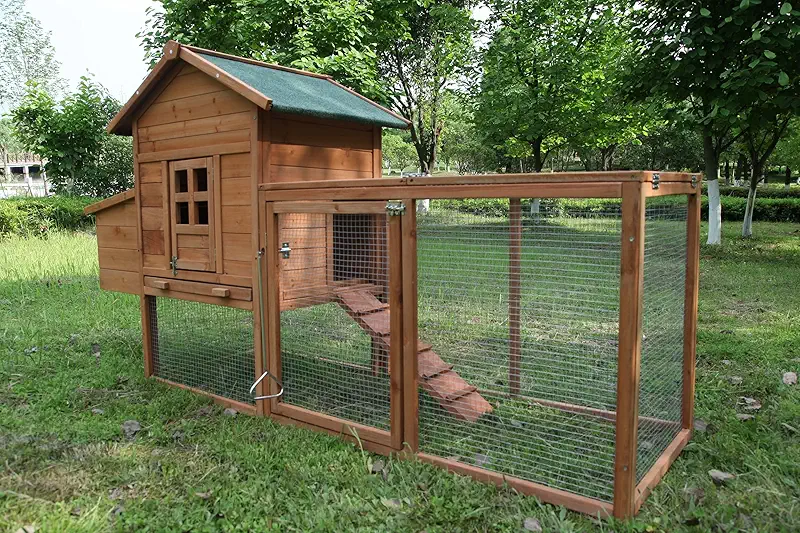
Why a rat proof chicken coop matters more than you think
When folks start with backyard chickens, they picture fresh eggs, happy hens, and maybe a cute little coop for the kids to paint. They do not picture rats slipping under the wall, chewing through feed, stealing eggs, and chewing wires like they own the place. But if your coop is not rat proof, that is where you are headed sooner or later.
I remember the first time rats found my birds. I walked into the coop one evening, and it smelled “off.” Not the usual warm straw and chicken smell, but something sour and sneaky. I flipped a board and sure enough, beady eyes and a fast gray blur shot past my boots. The hens were jumpy for weeks after that. My feed bill went up and egg production dropped, and I felt like I had let my girls down.
A rat proof chicken coop is not just about keeping your feed safe. It is about:
- Healthy hens that are not stressed all night by scratching and chewing under their feet.
- Clean eggs that are not nibbled or broken in the nest boxes.
- Less disease from rat droppings, fleas, and parasites.
- Lower feed costs, because rats can eat a shocking amount for their size.
- Your peace of mind, knowing you are not raising rats and hens at the same time.
If you see one rat near your coop, assume there are at least ten more you do not see. Take it seriously the first time. It is a lot easier to keep them out than to kick them out.
How rats really get into a coop (and how to stop them)
A rat proof chicken coop starts with knowing how those little bandits think. They are like tiny, rude carpenters: if there is the smallest gap, they will “enlarge” it for you. Here is how they normally get in, and how I block each route.
1. Under the floor
This is their favorite path. Rats love to tunnel under a wooden floor, especially if the coop sits on bare dirt. Once they are under, they chew through the floor or just live there and come up when the lights go out.
The best fix is a solid barrier under the coop:
- Concrete slab at least 3–4 inches thick, or
- Heavy hardware cloth (no bigger than 1/2 inch mesh) buried and stapled under the whole floor.
I have one coop with a concrete floor and another raised coop with hardware cloth stretched tight under the whole frame. Rats gave up on both and went to bother my neighbor instead.
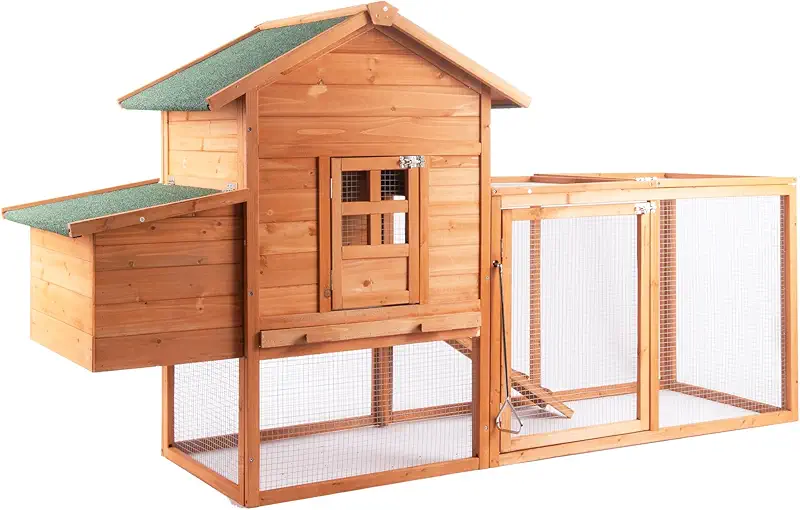
Look for solid, sealed bases
When you browse ready-made coops, favor models with either a solid floor or a tight metal mesh under the floor, and walls that sit snug on that base with no open corners. That is where rats like to test you first.
2. Through the walls
Wood looks tough to us, but to a rat it is just a snack with splinters. If your coop has thin plywood, soft corners, or rotten spots, they will chew right through. I once had a rat chew in behind a nest box where I never looked. It took me weeks to find how they were coming and going.
A real rat proof chicken coop has:
- Thick, sound boards or panels with no rot.
- All joints tight and well screwed, not gapped or loose.
- Hardware cloth over any vents or gaps, stapled and then screwed with washers.
Think like water: if water could slip through, a rat is going to try as well. Seal everything you can slide a pinky finger into.
3. Climbing up and squeezing in
Rats climb better than most folks believe. They run up walls, rafters, and even wires. If your roof-line has a gap or the top of a wall is open into the rafters, they will be up there like they own the place.
On one of my older barns, I had rats walk the top of the wall like a little highway. The hens would look up at the noise, same as you watch traffic on the road. Once I closed that open edge with solid boards and mesh, the “highway” disappeared overnight.

When you study a coop, picture a hungry, flexible little fur tube testing every corner. If you design for the rat, you will relax for the chickens.
Key features of a truly rat proof chicken coop
Let us walk through the features I look for today when I want a coop that keeps rats out and hens happy. These are not fancy ideas, just the things that actually work out in the mud and dust.
1. Strong floor and perimeter “skirt”
We already talked about floors, but it is worth repeating because this is where most people lose the fight. You want both a strong floor and a good “skirt” around the coop.
- A solid floor: concrete, thick wood, or tight hardware cloth under a raised coop.
- A buried skirt: hardware cloth or wire fencing buried 12–18 inches around the outside perimeter.
On one coop, I ran a hardware cloth skirt 18 inches deep all around, then bent the top 6 inches outward just under the soil surface. Rats came to dig right at the wall, hit the metal, and gave up. It is like a rude surprise under the dirt.
2. Small, sturdy mesh for any opening
Chicken wire is for keeping chickens in. Hardware cloth is for keeping rats out. The holes in regular chicken wire are big enough for a determined rat to slip through or chew wider. A rat proof chicken coop uses hardware cloth, no bigger than 1/2 inch, for:
- Windows and vents.
- Under raised floors.
- Any weak point where two boards meet and leave a gap.

I once tried saving money by using old scrap wire instead of real hardware cloth. I “saved” twenty dollars and spent three months chasing rats. No bargain there.
3. Tight doors and latches
Doors are another weak point. A pretty coop with a crooked, gappy door is like a welcome sign for rats. You want:
- Doors that close flush, top and bottom, left and right.
- Thresholds that do not have a half-inch gap at the bottom.
- Metal kick-plates or extra boards where the door meets the floor, so rats cannot chew their way in.
I also like two-step latches. That is mostly for raccoons, but it does not hurt. If a raccoon cannot open it, a rat will not either.
4. Elevated feeders and smart feed storage
I am going to be honest: if you give rats a free buffet, they will work overtime to break into your coop. Feed left open is the number one reason they move in and invite their cousins.
A good rat proof chicken coop works together with smart feeding habits:
- Feeders hung or mounted at hen chest height, not sitting on the floor.
- No open bags of feed left in the coop. Use metal bins with tight lids.
- Only as much feed in the open feeder as the hens will eat in a day or so.

I got into the habit of doing a “feed walk” at dusk. I step in, shake the feeders, and close any lids. Takes two minutes. But rats do most of their work at night, so those two minutes are worth more than any trap.
Daily and weekly habits that keep your coop rat free
A rat proof chicken coop is not just the building; it is also how you use it. You can have the strongest coop in the county, but if you toss feed on the ground every day and leave old eggs in the nest, rats will still give you a visit.
1. Keep the ground clean
Rats love spilled grain the way kids love candy. Every little pile of scratch on the ground is an open invite. I learned this the hard way with my grandkids “helping” feed the hens like they were feeding ducks at a pond.
- Sweep or rake under feeders once or twice a week.
- Pick up big spills the same day they happen.
- Do not leave kitchen scraps lying around overnight.
2. Collect eggs every day
Broken eggs and old eggs are like rat perfume. They smell it from far away. Make it a daily ritual:
- Gather eggs morning and evening if you can.
- Remove any broken eggs and soiled bedding from the nest right away.
- If hens are breaking eggs, solve that fast—thick bedding, fake eggs, or roll-away boxes.

3. Walk the coop like a detective
Once a week, I walk around my coop slow and nosy, like an old sheriff checking the town. I look for:
- Fresh holes in the dirt near the base of the walls.
- Gnaw marks on corners, doors, or feed bins.
- Little black droppings in corners or on beams.
Catching a small problem early beats fighting a whole rat colony later. Every time I find an early hole and stuff it with rock and hardware cloth, I imagine the rat’s face when it comes back to its new “front door” and finds a wall instead.
Choosing a prebuilt rat proof chicken coop online
Not everybody has the time, tools, or back muscles to build a coop from scratch, and that is fine. These days there are many ready-made coops that can be turned into a rat proof chicken coop with very little extra work, if any.
When I look at coops online, I do not get dazzled by cute windows or fancy paint. I ask three plain questions:
- How solid is the floor and base?
- How tight are the walls and joints?
- How easy will it be to add hardware cloth where needed?

Some coops are almost there out of the box, they just need:
- Extra screws in the corners.
- Hardware cloth over the run area instead of thin chicken wire.
- A little buried skirt around the outer edge.
I have taken budget coops and toughened them up this way, turning something “cute but flimsy” into a solid little home that keeps rats and raccoons on the outside looking in.
What I look for in listings
- Close-up photos of joints and corners, not just pretty angles.
- Mention of heavy wire or hardware cloth, not just “mesh.”
- Strong looking base or legs that can take an added skirt.
- Enough interior height for me to reach in and clean properly.
Keeping hens happy while you keep rats out
A rat proof chicken coop should still be a pleasant place for the hens. I have seen folks seal a coop so tight that there is no draft, no light, and the birds stand around like they are in a closet. That is not good either.
The trick is balance: strong against rats, gentle for chickens. Here is how I keep both sides happy:
- Plenty of light through windows covered in hardware cloth and shutters for bad weather.
- High vents up near the roof, again covered in fine mesh, for airflow without drafts on the roosts.
- Dry bedding on a solid floor so rats cannot nest underneath.
- Perches above rat level, so hens feel secure at night.

I watch my birds more than I watch the building. If they hop up to the roost calm, talk quietly to each other at dusk, and lay steady eggs, I know I am getting it right. If they act jumpy at night, stare into corners, or stop laying for no good reason, I start looking again for signs of rats or other visitors.
Chickens will tell you when something is wrong. They may not speak English, but they sure speak “something’s sneaking under my floorboards.” Learn their normal sounds, and you will hear the trouble before you see it.
FAQ about building a rat proof chicken coop
How thick does the floor need to be to stop rats?
A 3–4 inch concrete slab is plenty to stop rats from chewing up through the floor. If you are using wood, use thick pressure-treated boards and make sure there is tight hardware cloth under the whole floor, stapled and screwed to the frame. Think of the hardware cloth as your real defense, and the wood as comfort and insulation on top.
Can rats chew through hardware cloth or metal mesh?
I have never seen a rat chew through good quality hardware cloth that is 1/2 inch or smaller and properly fastened. They might enlarge a weak spot if the mesh is loose, bent, or held with just a few tiny staples. That is why I use heavy-duty staples and often add screws with washers along the edges, so the mesh cannot be pulled away from the wood.
Is it okay to scatter feed on the ground for my hens?
I know it is tempting, and once in a while for a treat it is fine, but making a habit of tossing feed on the ground is a big invitation to rats. I prefer putting scratch or treats in a shallow pan or a big rubber feed dish and picking it up at dusk. The hens still get their fun, but the rats do not get a nightly buffet.
What is the best way to deal with rats if they are already in the coop?
First, tighten the coop: close holes, add hardware cloth, and secure feed. Starving them out is safer than starting with poisons around birds, pets, and kids. I use snap traps in covered boxes where only rats can enter, placed outside the coop along the walls where they like to run. Once numbers are down, I focus on long-term prevention with better floors, skirts, and clean habits.
Can a small backyard coop really be rat proof?
Yes, it can get very close. Will a rat test it sometimes? Sure. But with a solid floor or strong mesh, a buried skirt, tight doors, good feed storage, and clean habits, you can make your coop so much trouble that most rats move on to easier pickings. Around here, the wild critters are lazy as anybody else—they go where life is simple.
If you are ready to give your hens a quiet, safe home and keep the rats wondering where supper went, take a slow look through the different chicken coops available. Picture your own yard, your number of birds, and which model you could turn into a rock-solid, rat proof chicken coop with just a little smart work.