
River Sand For Chicken Coop
River sand in a chicken coop can be a blessing or a headache — it all depends on how you use it.
I have been raising laying hens on U.S. soil for decades now. I have tried dirt, wood shavings, straw, and yes, river sand for chicken coop floors. Let me walk you through what really works, what does not, and how to keep your birds happy, dry, and laying steady without turning your coop into a dust bowl.
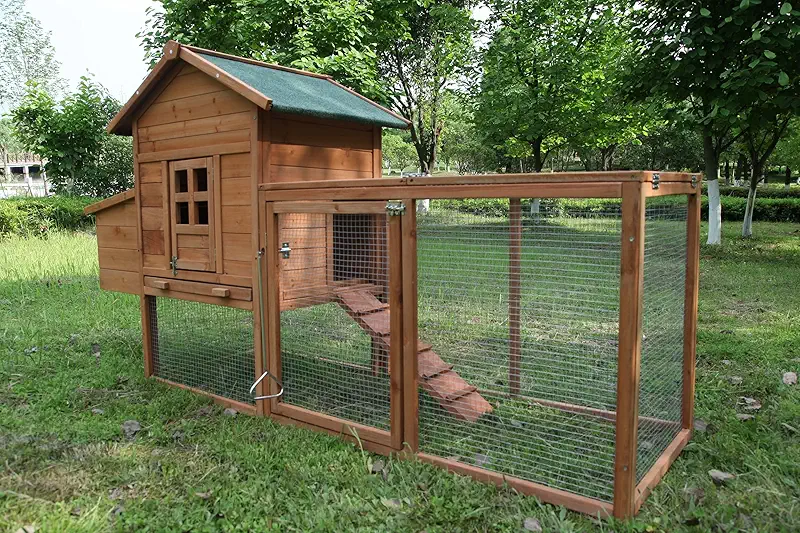
Is River Sand Good For A Chicken Coop?
When folks ask me about bedding, river sand for chicken coop floors comes up a lot. Some people swear by it, some swear at it. Truth is, like most things on the farm, the answer is, “it depends.”
On my place, I use river sand in certain spots and avoid it in others. It is not a magic fix, but in the right coop and climate it can be mighty handy. In the wrong setup, it can turn into a wet, smelly mess or give your birds cold feet all winter long.
Think of river sand as a tool, not a solution. Used right, it can:
- Help droppings dry out faster.
- Keep feet cleaner than plain dirt.
- Make daily spot-cleaning easier.
Used wrong, it can:
- Stay damp and grow bacteria.
- Freeze hard in cold climates.
- Cause trouble with dust or heavy ammonia smell.
Pros And Cons Of River Sand Bedding
Let us lay it out plain. Here is what I have seen over the years using river sand for chicken coop floors, runs, and under roosts.
When River Sand Shines
- Great drainage in the right spot. In a covered run or coop that does not get every rainstorm blowing in, sand lets moisture move down instead of staying on top.
- Easy to scoop droppings. If you have ever cleaned a cat box, you already know the idea. A little rake or scoop can pull out poop without dumping the whole floor.
- Feet stay cleaner. My white-legged hens look like they are going to Sunday church when they walk off a dry sand area.
- No moldy straw smell. Sand does not mold like hay or straw when it gets damp.
- Less scratching damage. Birds can scratch and dust bathe without digging giant craters in your yard.
When River Sand Causes Trouble
- Heavy as sin. Once you put a few inches of sand in a coop, you are not moving that building easily. Ask my back how I know.
- Cold in winter. Sand does not hold warmth like deep litter. Bare sand in a cold northern coop can be rough on older hens and big combs.
- Can trap moisture. If your ground stays soggy, sand on top just becomes a wet sponge.
- Dust issues. Very dry, fine sand plus a tight coop equals dusty lungs for you and the birds.
- Needs regular raking. Leave it too long and it cakes up with droppings, especially under roosts.
So, is river sand for chicken coop floors “good”? In a covered run, mild climate, and well-drained area, yes, it can be very good. In a low, muddy, cold corner of the property, I would look for something else or mix bedding types.
How I Use Sand On My Own Farm
These days I mostly use sand:
- Under the roosts, where droppings build up fastest.
- In a covered run right outside the coop door.
- In one or two favorite dust bathing spots.
Inside the main coop, I keep a deeper, softer bedding that does better through our cold winters. The hens still enjoy sand, but they have cozy footing to sleep on when the wind howls.
If you want to look at different coop layouts that work well with sand floors and covered runs, you can explore some ready-made setups here:
Let me browse coopsWhat Type Of River Sand Works Best?
When we say “river sand for chicken coop,” we are not talking about playground sugar sand. You want sand with some body to it, not talcum powder that flies up your nose every time a hen shakes her tail feathers.
Here is what has worked best for me:
- Washed river sand. Look for material that has been washed and screened, not full of silt and mud.
- Medium to coarse grains. Fine dust-like sand is tough on lungs. I like grains you can feel between your fingers.
- Low clay content. Too much clay and it turns to concrete when it dries.
If you are buying local, ask the gravel or landscape yard to show you the sand before you pay. I carry a little jar and scoop a bit. If I rub it between my fingers and it feels like powder, I pass. If it feels like beach sand with some grit, that is closer to what I want.
When picking sand products or coops online, look for words like “washed,” “construction sand,” or “river sand” instead of play sand. Play sand is usually ground too fine for a coop.



How Deep Should River Sand Be In A Coop Or Run?
Folks often ask me, “How many inches of sand do I need?” My answer: just enough to do the job, not so much that you need a tractor to fix a mistake.
Here is what I shoot for:
- Inside a small coop: 1–2 inches under the roosts if you are just using it as a “catch zone” for droppings.
- Covered run: 2–3 inches is usually plenty, especially if the ground underneath already drains decently.
- High-traffic doorway: Up to 3–4 inches if birds track a lot of mud in and out.
If you are working with very wet ground, consider putting down some larger gravel or crushed rock first, then sand on top. Think of it like building a road: you want a solid base so the surface does not sink.
Remember, river sand for chicken coop floors is not cheap to move. Start modest. You can always add more if you like how it behaves through a season.
Cleaning A Coop With River Sand
One of the big reasons people get excited about river sand for chicken coop bedding is the idea of quick cleaning. And yes, with the right tools, it can go pretty fast.
Here is what has worked best on my place:
Simple Tools That Make Life Easier
- Cat litter scoop or small rake. Great for under roosts. I drag it through the sand and toss clumps into a bucket.
- Fine pitchfork or compost fork. Helpful in bigger runs if droppings clump together.
- Stiff broom. Good for pushing sand back into place where birds have scratched it thin.
Most days, I just do a quick “once over” under the roosts, kind of like brushing your teeth. Takes five minutes and saves me from spending an hour fighting a big stinky cleanup later.
How Often To Clean
How often you deal with it depends on:
- How many chickens you have.
- How tight the space is.
- How much air flow the coop gets.
With a normal backyard flock of 6–10 hens using river sand for chicken coop floors in a covered run, a light clean every couple of days and a deeper rake weekly usually keeps the place smelling like a farm, not like a highway gas station bathroom.
Using River Sand In Different Seasons
Seasons change, and so should how you use river sand for chicken coop bedding. What feels great in August can be a foot-freezer in January.
Spring And Summer
In warmer months, sand really earns its keep:
- Dries droppings faster, which helps keep flies down.
- Stays cooler than concrete or bare boards on hot days.
- Gives hens a nice place to dust bathe and cool off.
I like to keep the sand raked loose so air can move through it. Packed, damp sand gets funky quick.
Fall And Winter
In cold or wet seasons, I get a lot more careful with where I use sand:
- Inside the coop, I often add a layer of dry shavings or straw on top of the sand for insulation.
- In very cold areas, I switch to deep litter in the main coop and keep sand only in the covered run.
- If the sand gets frozen solid, I stop trying to rake it and just keep a dry path with extra litter.
Chickens can handle a lot of weather, but standing on cold, damp sand day and night is no favor to them. Watch their combs, toes, and behavior. If they huddle in one dry corner, they are telling you what needs fixing.


Health Considerations When Using River Sand
Chickens do not complain in English, so we have to watch their bodies to know if river sand for chicken coop floors is working for them. Over the years I have learned to pay attention to a few key things.
Feet, Legs, And Joints
Coarse, sharp gravel is tough on tender toes. Proper river sand, though, is usually gentle enough. Still, keep an eye out for:
- Redness or swelling on the bottoms of feet.
- Bumblefoot (puffy sores on the pad).
- Birds limping or avoiding walking in certain areas.
If I see any of that, I add softer bedding in problem spots, smooth out rough patches, and double-check that roosts are not too high or sharp.
Dust And Breathing
People worry about dust when using river sand for chicken coop bedding, and they are right to. I have one old hen, Ruth, who wheezes when things get too dusty. When I notice:
- Hens sneezing more than usual.
- Fine dust on everything in the coop.
- My own throat feeling scratchy after chores.
Then I:
- Open up more vents or windows up high.
- Lightly mist the sand before a big rake-out to keep dust down.
- Mix in some coarser material or switch part of the area to different bedding.
Parasites And Cleanliness
Sandy areas can actually help with external parasites, since chickens love to dust bathe and that can knock off mites. The flip side is that droppings left too long in damp sand can build up bacteria and worms.
I send a manure sample to the vet now and then to check for worms, especially if I have a lot of birds on a small sand run. Prevention is much cheaper than sick hens.
River Sand, Deep Litter, Or Something Else?
River sand for chicken coop floors is just one of several ways to bed your birds. I like to mix and match instead of betting the whole flock on one single idea.
How Deep Litter Compares
Deep litter (where you let shavings, straw, and droppings build up and compost right in the coop) has its own place:
- Warmer in winter. It makes a kind of natural heated mattress when done right.
- Great for gardens. Clean-out turns into black gold for vegetables.
- Less heavy lifting. You are adding small amounts over time, not hauling tons of sand at once.
But deep litter can get soggy and smelly if you do not manage moisture and air. Sand, on the other hand, does not compost, so your “fertilizer factory” moves out to the compost pile or straight to the garden.
These days I like:
- Deep litter inside the main coop.
- River sand for chicken coop runs and under roosts.
- A few dust-bath “pits” with sand, ash, and dry dirt mixed together.
That combo has given my hens dry feet, clean eggs, and a lot less mud, which in turn means a lot less farmer grumbling at chore time.


Setting Up A Coop That Works Well With Sand
River sand for chicken coop bedding works best when the coop itself is working with you, not against you. A few smart choices when you pick or build a coop make a big difference.
Things I Look For
- Raised floor or well-drained site. Sand sits happier on ground that does not collect puddles.
- Good roof over the run. A covered run keeps most rain out of the sand and keeps droppings from washing everywhere.
- Plenty of ventilation up high. You want moist, ammonia-heavy air floating out the top, not into your lungs.
- Easy access for cleaning. Big doors or panels so you can rake and scoop without crawling on your belly.
If you are still in the “planning and dreaming” stage, it can help to see how different coop designs use sand in runs and floors. Some of the ready-made coops and walk-in runs you will find online show good examples of where sand really shines.
When you are ready to look through those options and imagine how your birds will live in them, you can wander through a whole row of ideas here:
I want to see coopsFAQ About River Sand For Chicken Coop Floors
1. Is river sand safe for laying hens?
Yes, river sand is generally safe for laying hens as long as it is clean, washed, and not dusty like powdered play sand. I avoid sand that smells muddy or feels sticky from clay. With good ventilation and regular cleaning, my hens have stayed healthy on sand areas for years. Just remember that hens also need proper grit for digestion, so I still offer separate granite grit free-choice.
2. Can I use river sand inside the coop year-round?
You can, but whether you should depends on your climate. In warm, dry areas, river sand for chicken coop floors year-round can work well. In colder climates like mine, I prefer sand mainly under roosts and in the run, then use deeper, softer bedding inside for winter. If your winters are harsh, think about a mixed system instead of all-sand indoors.
3. Does river sand smell less than other bedding?
When managed right, sand can smell less because droppings dry out more quickly. The trouble starts when moisture hangs around and droppings sit too long. Then it can smell just as bad as anything else. Smell usually means you need more airflow, more raking, or both. I tell people, “If your coop stinks, it is not the sand’s fault alone; it is the whole cleanup routine.”
4. How often do I need to replace river sand?
I rarely haul all the sand out at once. Instead, I remove the dirtiest areas a few times a year, then top them up with fresh sand. Over time, droppings and organic matter build up, so some refresh is needed. Think in terms of adding a bit every few months, not dumping the whole coop every week. That way your back and your wallet both stay happier.
5. Will river sand help keep eggs cleaner?
Indirectly, yes. Cleaner feet and a drier run mean less muck gets tracked into the nest boxes. I notice my eggs stay much cleaner when the birds are walking on dry river sand instead of muddy ground. Still, the big keys to clean eggs are dry, comfy nest boxes and collecting eggs at least once or twice a day. Sand just helps cut down on the mud and manure that try to hitch a ride.
If you are thinking about using river sand for chicken coop floors, it helps to picture the whole setup — coop, run, roof, and all. The right coop design makes sand easier to manage and your everyday chores a whole lot calmer.
Take a slow stroll through different chicken coop and run designs, and imagine how your birds would scratch, dust bathe, and roost in each one. Your gut usually knows which setup feels right for your flock and your climate.
Show me all coops