
Sand for chicken coop
I’ve been raising laying hens since before my beard turned gray, and I’ve tried just about every coop flooring you can think of. Sand for chicken coop floors can be a blessing or a headache, depending on how you use it. Let me walk you through it like we’re leaning on the fence, coffee in hand.
Let me see optionsYou’ll find different types of coop sand and setups there. Take your time and pick what fits your flock and weather.
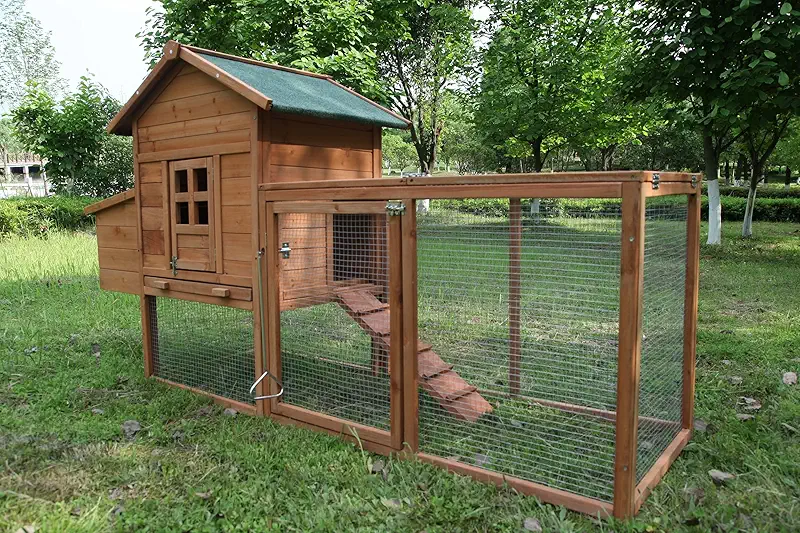
Why I Started Using Sand in My Chicken Coop
I still remember the first summer I tried sand in the chicken coop. The straw was turning into a soggy mess, the flies were throwing a party, and my hens looked grumpy enough to unionize. I was shoveling wet bedding every few days and thinking, “There has got to be a better way.”
A neighbor of mine, old Joe down the road, said, “Try sand. If the hens don’t like it, at least you can build yourself a beach.” He was half joking, but I listened. I switched one of my smaller coops to sand for a test run. Turns out, when you use the right type of sand for chicken coop floors, things get cleaner, drier, and easier to manage.
Now, I’m not going to pretend sand is magic. It’s not perfect for every climate or every coop. But when it fits, it really fits. The birds stay cleaner, the smell stays down, and my shovel gets a whole lot more vacation days.
The Best Types of Sand for Chicken Coop Floors
Not all sand is the same, and this is where a lot of folks go wrong. I’ve seen people dump a load of play sand in their coop, then wonder why it turns into a sticky mess that holds moisture like a sponge. The kind of sand for chicken coop floors you want is more like what you’d use under pavers or for construction.
Look for words like coarse sand, river sand, or construction sand. You want larger, heavier grains that drain well and don’t pack down into cement. Fine play sand or super dusty sand is hard on your birds’ lungs and feathers, and hard on yours too.
When you browse options online, check the descriptions carefully and look for real pictures from people who used the sand in outdoor projects, runs, or livestock areas.
Show me coop sand
Types of sand I’ve had the best luck with
- Coarse river sand: Drains well, doesn’t cake up quickly, hens love scratching in it.
- Washed construction sand: Clean and gritty, good for both coop floors and outdoor runs.
- Masonry or concrete sand (coarser blends): Works if it’s not too fine; check that it’s more gravelly than powdery.
If what you’re seeing looks more like beach dust than tiny pebbles, I’d pass. You want grit, not baby powder.
Pros and Cons of Using Sand for Chicken Coop Bedding
I like to be honest with folks. Sand for chicken coop floors can be wonderful, but it can also be a pain in the backside if your setup isn’t right. Here’s how it shakes out on my farm.
What I like about sand
- Easy daily cleaning: I scoop droppings like I’m cleaning a litter box. Takes a few minutes, that’s it.
- Stays drier: In a raised, covered coop, sand dries out fast and doesn’t stay soggy like straw.
- Less smell: With regular scooping, odor is way down compared to old, wet bedding.
- Hens stay cleaner: Feathers, legs, and feet don’t get caked in muck.
- Built‑in dust bath: My hens roll in the sand like they’re at a spa. Happy birds, cleaner feathers.
Where sand can be tricky
- Heavy to move: Once it’s in the coop, you’re not casually shoveling it out every weekend.
- Cold in winter: In very cold climates, sand can feel colder than deep bedding.
- Wet runs: If your run floods or stays muddy, sand can just turn into wet sludge.
- Dust risk: The wrong kind of sand, especially very fine sand, can be dusty and harsh on lungs.

How Deep Should Sand Be in a Chicken Coop?
People ask me all the time, “How deep do I make the sand?” I tell them, deep enough that droppings don’t glue themselves to the floor, but not so deep you feel like you’re building dunes for tourists.
In my own coops, I aim for about 2–4 inches of sand inside, sometimes a bit more in the run where the birds dig and dust bathe more.
- Inside the coop: 2–3 inches is usually plenty for easy scooping and good drainage.
- Covered run: 3–5 inches gives them a nice base to scratch, dig, and dust bathe.
- On bare soil: Go a little deeper, as some of it will work down into the ground.
Remember, sand is heavy. Don’t overload old wooden floors. If you’ve got a raised coop with a weak floor, think about reinforcing it or using sand just in the run instead of indoors.

Daily and Weekly Care: Keeping Sand Bedding Clean
The big trade‑off with sand for chicken coop floors is simple: you shovel less big bedding, but you do more light scooping. It’s kind of like choosing between cleaning the kitchen every day or dealing with a disaster once a month.
My simple sand‑care routine
Here’s what works for me with a medium‑sized flock of laying hens:
- Every morning: I walk through with a small rake or cat litter scoop, and skim under the roosts first. That’s where most of the droppings end up.
- Twice a week: I rake the whole sand bed lightly to break up any damp clumps and even things out.
- Once in a while: I add a fresh layer of sand where the birds are digging deep or where low spots form.
The nice thing is, when you stay on top of it, the coop never reaches that “hold your breath and run” level of smell. My hens stay dry‑footed, and my boots don’t come out looking like they fought a swamp and lost.

Sand for Chicken Coop in Different Seasons
Weather matters more than most folks think. Sand behaves very differently in July heat than it does in January winds. I’ve seen the best and the worst of it over the years.
In hot weather
In summer, sand for chicken coop runs is usually a blessing. It dries quickly after a light rain, and if you keep some of it shaded, hens will lie in the cool spots and sigh like old ladies in rocking chairs.
- Keep some areas shaded so sand doesn’t bake your birds’ feet.
- Make sure there’s good airflow in the coop so ammonia and moisture don’t build up.
- Check waterers often; spilled water can create damp patches that you’ll want to rake out.
In cold weather
Winter is where sand gets more controversial. In very cold climates, some people prefer deep litter to hold warmth. Sand doesn’t hold heat like a thick pile of straw, but it does stay relatively dry.
On my farm, I do a mixed approach:
- Keep sand in the covered run so birds stay off mud and ice.
- Use sand indoors, but ensure there’s no drafts at bird level.
- Stack some straw bales around the outside of the coop in the coldest months for wind‑break.
If you live where winter really bites, you may want to test sand in a smaller coop first, or combine it with some straw in corner “warm spots” so the hens can choose where to roost and rest.

Health Benefits and Risks of Sand Bedding for Laying Hens
My main job as a chicken keeper is simple: keep the girls healthy so they lay strong, good‑shelled eggs. The type of flooring you use plays a bigger role in that than most beginners realize.
Where sand helps your flock
- Drier feet and legs: Less mud means fewer foot problems, fewer dirty eggs, and less chance of bumblefoot.
- Cleaner feathers: Sand lets hens dust bathe and shake out lice and mites naturally.
- Less ammonia buildup: When you scoop droppings regularly, ammonia doesn’t have time to hang around and irritate eyes and lungs.
Things to watch out for
- Dust: Fine, dusty sand is rough on respiratory health. Always aim for coarse, gritty sand and good ventilation.
- Damp corners: If waterers leak or rain blows in, wet spots can still grow bacteria. Don’t ignore those; rake and refresh.
- Heavy droppings under roosts: Scoop under roosts often so hens aren’t walking and sleeping over built‑up manure.
Used wisely, sand for chicken coop floors can actually make it easier to keep your birds clean and healthy. Just remember: the sand doesn’t do the work for you; it just makes your work simpler.

Practical Tips From My Own Coop
Let me share a few small lessons I learned the hard way, so you don’t have to repeat my mistakes. My hens would probably appreciate it too.
- Don’t rush the first load: Start with one coop or one section of your run. See how it behaves through a bit of rain and a few weeks of droppings.
- Raise the coop floor if needed: If water seeps in, use pallets, gravel, or timbers under the coop to get it up out of the damp before adding sand.
- Use simple tools: A small garden rake, a plastic cat litter scoop, and a grain shovel are all you really need to keep sand tidy.
- Don’t skimp on ventilation: Fresh air at the top of the coop keeps moisture and ammonia from building up, sand or not.
- Watch your hens: If they’re scratching, dust bathing, and moving around happily, you’re on the right track. If they’re standing still, huddled, or coughing, something needs changing.
Over the years, the coops where I switched to the right kind of sand for chicken coop bedding have been the easiest to live with, for both me and the birds. Eggs come in cleaner, the coop smells better, and I spend more time enjoying the flock and less time cussing at shovels.

FAQ About Sand for Chicken Coop Floors
Ready to Plan Your Sand‑Friendly Coop?
If you’re thinking about using sand for chicken coop floors, it really helps to start with a coop that’s built to stay dry, breathe well, and give your hens some comfort in every season. There are plenty of ready‑made coops and setups that pair nicely with sand, whether you keep a few backyard layers or a whole breakfast brigade.
Take a quiet moment, picture the kind of coop you’d like to walk into every morning, and then go see what matches that picture. Your back, your boots, and your hens will all thank you later.
I’ll explore coops nowYou’ll be able to look through different chicken coop styles and sizes, and pick the ones that make sense for sand bedding and for your flock.