
Small chicken coop with run
I have raised laying hens for decades here in the U.S., through hot summers, icy winters, and more raccoons than I care to count. If you are working with a small chicken coop with run, I will walk you through how to make it safe, calm, and steady for eggs.
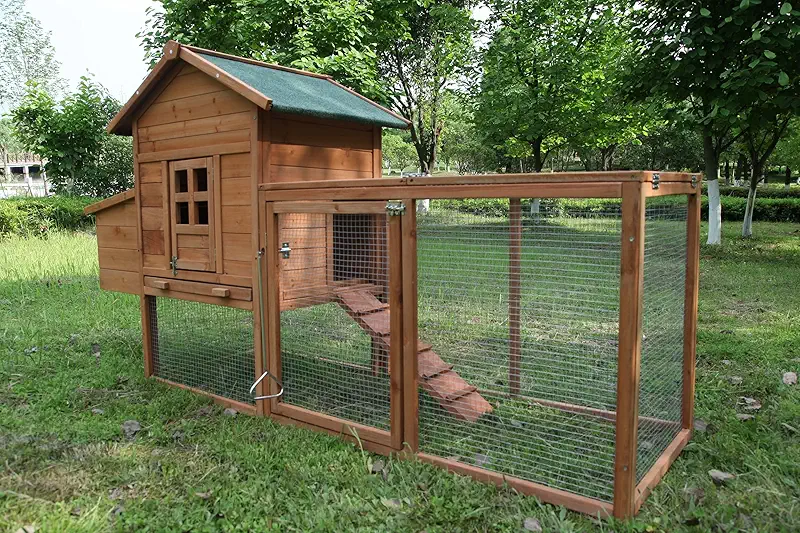
A good small coop with a built‑in run is like a tiny farmhouse for your hens. It does not need to be fancy. It just has to be dry, draft‑free, and easy for you to take care of. When those boxes are checked, the eggs usually follow.
Why a small chicken coop with run works so well
A small chicken coop with run is perfect for folks who want a few steady eggs without turning the whole yard into a barnyard. I started that way myself. My first flock was four scruffy little hens behind the house, and the coop was small enough that I could drag it by hand when the grass got worn out.
With a run attached, the hens can stretch, scratch, dust‑bathe, and gossip with each other, all while staying safe from dogs, hawks, and everything else that likes chicken dinners. When the coop and run are tied together, you do not have to chase birds around the yard at dusk or worry about that one stubborn hen who refuses to go in.
Most people underestimate how much freedom a small run can give a chicken. If the space is planned right, four or five hens can live very happily in a compact setup. They do not dream of a mansion; they just want dry bedding, decent air, and a bit of room to scratch for imaginary bugs.
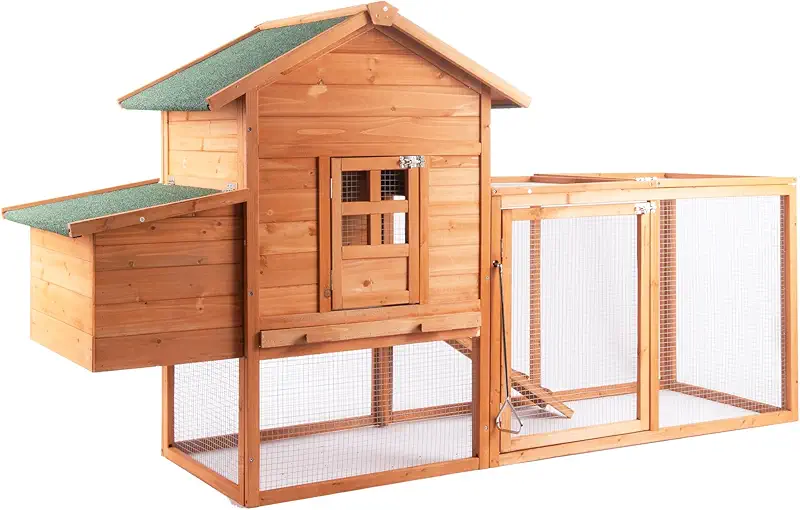
How many hens fit in a small coop with run?
Let me tell you about the time I tried to squeeze “just two more hens” into a small coop. The birds settled it for me. Feather picking, squabbling on the roost at night, and one hen who flat‑out refused to go inside. That is how I learned the hard way that numbers matter.
For a typical small chicken coop with run like you see for backyards, I follow these simple limits:
- Inside the coop: 3–4 square feet per bird.
- In the run: 8–10 square feet per bird if they do not free‑range much.
- On the roost: about 8–10 inches of perch per hen.
Many small prefab coops claim they hold six, eight, even ten birds. Maybe if the birds are polite and do not mind sleeping on each other’s heads. Out here in the real world, I cut those advertised numbers about in half.
One spring, I kept five hens in a tight little coop with a modest run. When I dropped back to three hens, the difference was obvious. Less noise at bedtime, cleaner bedding, and the egg shells even got a bit thicker. Stress shows up in the nest box.
So if you are eyeing a small coop that says “up to 8 chickens,” think of it as a comfortable home for 3–4 full‑sized laying hens. Bantams can be a little more, meat birds a little less.
What to look for in a small chicken coop with run
When I walk up to a coop, I do the same quick check every time. I stand back, look at the roof line, the doors, the run wire, and I ask myself, “Is this going to give me trouble when I am tired, wet, and carrying a bucket of feed?”
1. Solid roof and dry floor
If there is one thing chickens hate more than a fox, it is a leaky roof in January. A small coop should have a roof that does not sag, with panels that overlap so rain cannot blow in.
- A little overhang on the roof keeps water off the walls.
- Metal, shingles, or solid plastic all work if installed right.
- The floor should stay dry after a good rain, no standing puddles.
2. Strong wire on the run
Most problems with small coops show up in the run wire. Thin, cheap mesh is an open invitation for raccoons and neighbor dogs. I like to see hardware cloth or good heavy wire, firmly stapled to the frame.
If a child could bend the wire by hand, a raccoon will treat it like wet cardboard.

3. Easy access for cleaning
You will clean this coop far more often than you will admire it. Make sure you can reach every corner with a rake or your hand.
- Big door or lift‑up roof for the sleeping area.
- Nesting boxes that open from the outside.
- Run doors large enough for you to step in without crawling.
If cleaning is a fight, you will put it off, and the hens will live in yesterday’s mess. A simple, open layout keeps chores quick and painless.
4. Good airflow without cold drafts
Chickens breathe out a lot of moisture. In a small space, that moisture builds up fast, especially in winter when you are tempted to shut everything tight.
I like a small vent near the top of the coop on at least two sides, covered in wire, so air can move but the wind does not blow straight across the roost. If I smell ammonia when I open the door, I know I need better airflow or fresher bedding.
Designing the run so hens stay busy, not bored
A small run can be paradise or a feather‑plucking nightmare. The difference is usually how much there is to do inside that fence. Chickens are like toddlers with beaks: give them something to peck that is not each other.
Toss in a small stump, a cinder block, or an old ladder. Hens love to hop up, look around, and argue about who gets the high spot.
A few inches of wood shavings or chopped straw keeps feet dry and gives them something to scratch through for treats and spilled feed.
A piece of metal roofing, a bit of tarp, or a low board makes shade in summer and a dry corner when it rains. Chickens hate direct blazing sun.

In the smallest runs, I like to hang a cabbage or a clump of weeds from a string. The hens jump, peck, and tug on it like a barnyard piñata. Looks silly, works wonders.
One winter I had a tight little run, five bored hens, and snow on the ground for weeks. I started tossing a shovel of leaves and grass clippings in there whenever the weather warmed. You would think I had brought them a treasure chest. They scratched through it all day, and the feather picking stopped.
The bigger the run, the more you can spread feeders and waterers around. That keeps the lower‑ranked hens from getting pushed away at mealtime.
Keeping predators out of a small coop and run
If you live in the countryside like I do, you quickly learn that everything out there eats chicken. But even in town, you have dogs, raccoons, foxes, hawks, and the occasional sneaky neighbor cat. A small chicken coop with run can be very secure if you think like a predator for a minute.
Lock it like you mean it
Do not trust flimsy latches. Raccoons are little burglars with fur. I use solid barrel bolts or locking clips on every door and nest box.
- Use two-step latches where possible (push and slide).
- Check for gaps bigger than your thumb; predators love those.
- Close the pop door every night, even if the run is fenced.
Protect the floor edge
Many attacks come from digging. Dogs and foxes will go right under a run wall if they can.
- Lay a skirt of wire flat on the ground around the run, then cover with soil or stones.
- Or set the run on pavers so there is no soft ground at the edge.
- Walk the fence after heavy rain; that is when weak spots show up.

Use the hens as your alarm system
Chickens have opinions, and they are loud about them. If they are all staring at the same corner of the run, or refusing to come out in the morning, pay attention.
I keep a small flashlight by the back door. If the flock sounds upset after dark, I shine it along the bottom of the run and up the walls. You would be surprised how many sets of small glowing eyes you catch.
A simple motion light near the coop also helps discourage night visitors. Most predators like to work in the dark, not in the spotlight.
Day‑to‑day care in a small chicken coop with run
A tight little coop can stay sweet and clean with just a few simple habits. The trick is to do a little bit often, instead of big cleanups once in a blue moon.
My simple weekly routine
- Every morning: quick look at the birds, refill water if needed, and check that the bedding still looks dry.
- Every two or three days: scrape droppings from under the roost, toss a handful of fresh shavings in the worst spots.
- Once a week: clean and refill waterers, rinse feeders, and fluff the litter with a rake or gloved hand.
- Once a month (or season): pull out old bedding, inspect wood and wire, and add a fresh deep layer of dry litter.
In a small coop, moisture builds up fast. I use plenty of dry material: pine shavings, chopped straw, or dried leaves. When I toss a little scratch grain on top, the hens do most of the mixing for me, scratching and turning the litter.
I also pay attention to eggshells. If shells start coming out thin or rough, I look at feed quality, calcium, and stress. Crowded or damp coops show up in the egg basket sooner than anywhere else.
One fall, I got lazy with the bedding in a small coop. The floor stayed just damp enough to smell. My hens started coughing a bit and egg numbers dipped. A deep clean, fresh litter, and better airflow brought them right back within two weeks. The birds nearly danced when they stepped onto that dry floor.

Winter and summer tips for a small coop with run
A small chicken coop with run is easier to weather‑proof than a big barn, but it also changes temperature quicker. Here is how I help the birds through the worst of the seasons.
Cold weather
- Block direct drafts at roost level, but keep vents high up open.
- Add a thick layer of dry bedding so the floor does not feel cold.
- Keep water from freezing with a heater base or by refilling often.
- Do not over‑insulate a tiny coop; moisture is a bigger enemy than cold.
Hot weather
- Give as much shade on the run as you can manage.
- Use a second waterer in the shadiest corner.
- Open vents wide, even rig a small fan outside if you must.
- Offer cool treats like watermelon in the afternoon heat.

In winter, I watch combs and toes for frostbite. In summer, I watch for open‑mouth breathing and wings held away from the body. A small coop makes it easy to see trouble early, as long as you take a minute to really look at your birds, not just toss feed and walk off.
Folks always ask if they should heat their coop. In most of the U.S., with cold‑hardy breeds, I focus on dryness and drafts, not electric heaters. The birds wear feather coats year‑round. They just need a snug, dry bedroom.
Choosing a small chicken coop with run that fits your life
When I help friends pick out a coop, I do not start with wood type or roof color. I start with their lives. How busy are you? How cold does it get where you live? How much of your yard are you willing to give to the birds?
Questions to ask yourself
- How many hens do I truly plan to keep, not just now, but next year?
- Can I reach all parts of the coop without crouching or crawling?
- Where will I put it so the run has at least a bit of shade?
- How will I move bedding, feed, and water back and forth in bad weather?
A small coop that looks perfect in a photo might be a headache on a muddy March morning. Picture yourself there in the dark, in your boots, with a frozen water bucket in hand. If it still seems practical, you are on the right track.

I like setups where I can open one big door and see the whole inside at a glance. That way I can check bedding, eggs, and birds in one quick look. Many small coops with runs are built with this in mind, and it makes day‑to‑day chores a whole lot easier.
If you are unsure, read through the measurements slowly and even mark them out on the ground with a tape measure. Stand inside that rectangle and see if it feels right for your flock and for you.
Frequently asked questions
If you can picture your hens scratching, dust‑bathing, and settling onto a dry roost at night, you are ready to look at real setups and see what fits your yard.
Show me every coop