
Small chicken coop
Small Chicken Coop: Simple, Cozy Homes For Happy Hens
Spoken from one old U.S. farmer who has cleaned, fixed, and lived with more coops than he cares to count.
When folks ask me about getting their first hens, I always tell them the same thing: start small, start steady. A well-planned small chicken coop will teach you more about chickens in one season than any book ever will.
I’ve raised layers through blizzards, heat waves, and a couple of curious neighbor dogs. Along the way, I learned that hens don’t need a palace. They need a dry roof, safe walls, and a keeper who shows up every day.
If you’re dreaming of fresh eggs and a little clucking chorus in the backyard, let’s walk through what really matters in a small coop, in plain language, with the kind of practical details you only get from someone who’s stepped in the mud already.
Let me see coops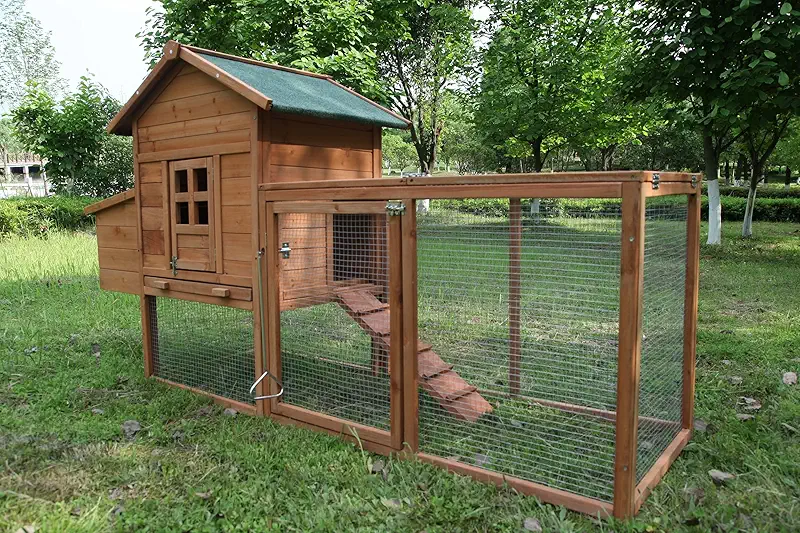
Why A Small Chicken Coop Is Often The Best Start
I’ve seen new keepers jump in too big, too fast. They build or order a huge coop, bring home more birds than they’re ready for, and six months later the whole thing feels like a chore. A small chicken coop keeps you honest. It makes you pay attention to each hen, learn their habits, and build good routines.
My first “serious” coop was nothing fancy: just enough room for four hens, some old lumber, and a roof that leaked when the wind got stubborn. I fixed that roof three times, and every nail I drove taught me what hens actually care about: they wanted dry bedding, steady feed, quiet nesting spots, and a safe place to sleep.
Small coops make daily care quicker, easier to clean, and easier to move if you change your mind on the spot or need to dodge a muddy patch. And trust me, sooner or later, there will be mud.
How Big Should A Small Chicken Coop Be?
You’ll hear a lot of numbers thrown around about space per bird. Out here, we use rules of thumb, then watch the flock and adjust. For a backyard small chicken coop with hens that get some outdoor time, I aim for:
- 3–4 square feet of coop floor space per hen
- 8–10 square feet of run space per hen if they’re not free-ranging
- 8–10 inches of roost bar per hen
- 1 nest box for every 3–4 hens
Hens are small, but they’re not furniture. They squabble, they hop, they stretch their wings. Give them elbow room (or “wing room,” I guess) and they’ll return the favor with better laying and fewer bad habits.
If you plan on 3–6 hens, most ready-made coops labeled for 6–8 birds are just about right in the real world. The label is usually optimistic. I always “downsize” the advertised number and my hens thank me with a full egg basket.
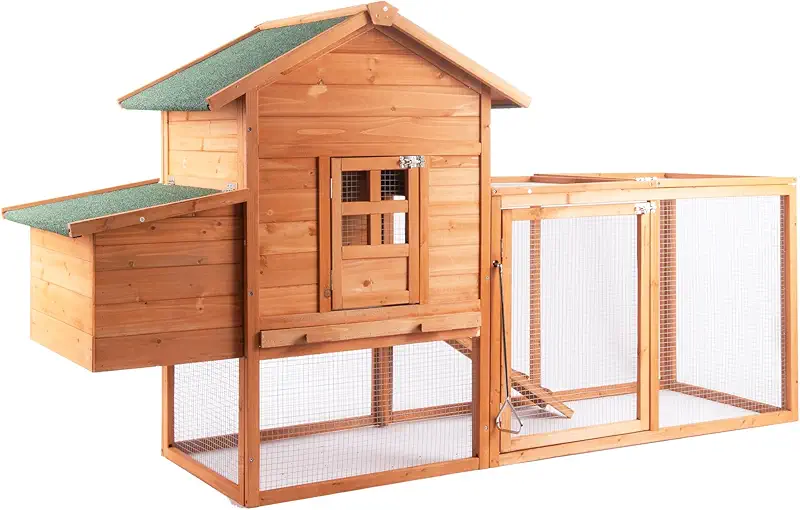
A compact coop with a simple run. Plenty for a handful of hard-working layers, as long as they get some outside time.
Key Features To Look For In A Small Chicken Coop
Over the years I’ve torn apart more than one “cute” coop that fell apart after one good storm. The paint looked nice, but the hens didn’t care about the color. They cared about the bones of the thing.
1. Solid, Predator-Resistant Construction
Out here we’ve got raccoons that could teach safebreaking. If they can wiggle, dig, or pry, they’ll try. A good small chicken coop should have:
- Sturdy wood or metal frame that doesn’t wobble when you push on it
- Decent hardware cloth (not flimsy chicken wire) on windows and vents
- Locks or latches that require at least two motions to open
- A floor that keeps rats and other critters from tunneling in
If the latch looks like something a toddler could figure out, assume a raccoon will have it open in one night.
2. Ventilation Without Drafts
Chickens poop. A lot. That means moisture and ammonia. If your coop smells strong to you, it’s worse for their little lungs. You want vents high up under the roofline so warm, damp air can rise and drift out.
In my coops, I like a window on the east side for the morning light and vents under the eaves. In winter, I close the window but leave the upper vents open. That way we keep air moving without a cold wind blowing straight across the roost.
3. Comfortable Roosts And Nesting Boxes
Hens like to sleep off the ground. A rounded 2x4 with the wide side up makes a good roost because they can sit down on their feet and keep toes warm. I don’t use metal rods in our winters; they get too cold.
Nesting boxes don’t need to be fancy. About 12x12 inches, a little lip to keep shavings in, and some privacy. I’ve used everything from wooden boxes to old milk crates. The hens never once thanked me for buying a “pretty” nest, but they’ve thanked me with eggs for a dark, quiet spot.

Simple roosts and easy-access nests. Less to break, less to clean, more time to enjoy the hens.
4. Easy Cleaning And Access
I don’t care how tough you think you are; if cleaning the coop is a fight, you’ll do it less often. Then the hens suffer and the smell tells on you.
- A big door you can open wide enough to rake things out
- Removable trays or easy-scrape floors
- Nesting boxes you can reach without crawling
- A roof tall enough to work under, or at least lean into
With a small chicken coop, this is even more important. You want to be able to get in, clean up, freshen bedding, and get out before the coffee gets cold.
Choosing The Right Spot For Your Small Coop
I’ve moved coops more times than I can admit. The hens handled it better than my back did. Picking a good spot the first time will save you sore muscles and a lot of muttering.
Sun, Shade, And Wind
Hens love morning sun. It gets them moving and laying. But in the heat of a July afternoon, they’ll be panting in full sun just like the rest of us.
- Face the coop door or window east or southeast for morning light
- Try for afternoon shade from a tree or fence
- Keep the long, solid wall toward your worst winter winds
One of my coops sits where the winter wind slams it from the north. I learned that lesson the hard way and planted a row of shrubs as a windbreak. The hens were happier, and so was the person changing frozen water.

A sturdy small chicken coop tucked near a fence line: morning sun, afternoon shade, and less wind.
Drainage And Ground Conditions
Chickens and mud go together like socks and burrs. You can’t avoid it completely, but you can be smart about it.
- Pick a spot that’s slightly higher than the yard around it
- Avoid low areas where water puddles after a rain
- Consider gravel, sand, or deep wood chips in the run
I like to put a layer of rough gravel under my runs, then pack wood chips or sand on top. The water drains down, the hens dust-bathe on top, and I don’t lose boots in the mud.
Setting Up Your Small Chicken Coop: Step By Step
Once your coop shows up in the driveway or on the porch, don’t rush the setup. Take an afternoon, grab a friend, and do it right the first time. Your future self will be grateful.
- Lay out every piece and make sure nothing’s missing before you start bolting things together.
- Level the ground where the coop will sit, even if it’s just scratching high spots and filling low spots.
- Assemble the frame square and tight so doors and windows line up properly.
- Secure the run with hardware cloth down along the bottom to slow down diggers.
- Add bedding like pine shavings or chopped straw on the floor and in nest boxes.
- Install feeders and waterers at back-friendly height, not right under the roosts.
When I put together my last small chicken coop, my grandson handed me screws while I cursed at the instructions. By the time we were done, he knew the difference between a rooster and a screw, and I had a coop built right. Don’t be shy about taking your time or adding a few extra screws where things feel flimsy.

Small coop ready for bedding, feeders, and a hard-working little flock.
Daily And Weekly Care For Hens In A Small Coop
A small chicken coop makes chores short and sweet, as long as you stay on top of them. Chickens like routine almost as much as farmers do.
Daily Routine
- Open the coop in the morning, check everyone’s bright-eyed and moving well
- Refresh water; hens drink more than most folks think
- Top off feed and check the feeder for mold or damp spots
- Collect eggs (once or twice a day keeps them clean)
- Lock up at dusk after counting beaks on the roost
I like to stand a minute every morning just watching the hens. You can spot problems early that way—one hen lagging behind, a limp, or someone getting bullied off the feeder.
Weekly And Seasonal Jobs
- Rake or shovel out the heaviest soiled bedding
- Add fresh shavings or straw where it’s packed down
- Scrape dried droppings from under the roost
- Wipe down roost bars and nesting box edges
- Check for gaps, loose wire, or chewing along the edges
A small coop fills up faster, but it also empties faster. I’ve cleaned a tiny hen house in less time than it took the coffee pot to finish gurgling.

Easy-to-clean design: big doors, simple floors, and nothing hens don’t need.
In hot weather, I check water twice a day and add shade if the hens start panting. In winter, I scrape droppings more often to keep moisture down. The small space responds quickly to weather changes, so your care has to be just as quick.
Common Mistakes With Small Chicken Coops (And How To Dodge Them)
I’ve made enough mistakes for both of us, so here’s a little cheat sheet to keep you out of trouble.
Trying To Keep Too Many Hens
I once said yes to “just a few extra pullets” from a neighbor. Before I knew it, the coop looked like rush hour in the city. Crowded hens peck more, lay less, and catch sickness easier.
Be honest about the space you’ve got and the time you have. A handful of healthy, calm layers beats a crowded flock of stressed-out birds every time.
Ignoring Ventilation Because Of Cold Weather
Folks worry more about cold than damp, but it’s the damp that really bites. I’ve kept hens laying through single-digit nights with no heat inside, just dry bedding, good ventilation, and no drafts on their backs.
Making The Coop Too Cute To Be Practical
I’ve seen coops that look like dollhouses: tiny doors, awkward roofs, and corners you can’t reach with a shovel. Pretty doesn’t scoop poop. Make sure doors, windows, and runs are built for real people doing real chores.
Not Planning For Future Birds
Most people who start with a small chicken coop catch what we call “chicken math.” You say, “I’ll just have three hens,” and next spring there’s a catalog in your mailbox and somehow you’ve got eight.
When you pick a coop, think one step ahead. Can you add a second small coop later? Is there room in the yard for another run? Planning now saves headaches later.

A simple small chicken coop with room to add another run or a second house later on.
Small Chicken Coop FAQ
For a true small chicken coop, I like 3–6 hens, depending on the size of the run and how often they get out. Even if the box says “8–10 chickens,” I count on about half that for comfort. Remember, you’re planning for winter and bad weather days, not just pretty summer afternoons.
Most backyard keepers get along just fine without electric. I ran without power in my first coop for years. In winter, I used rubber water bowls I could pop ice out of and refill. If you do run power, use outdoor-rated gear, protect cables from pecking and chewing, and don’t rely on heat lamps unless you really know what you’re doing—they’re a fire risk.
Yes, as long as it’s dry, draft-free, and well-ventilated. Chickens handle cold better than damp. I’ve had birds in a snug little coop stay healthy through hard Midwestern winters without any heater. Use deep, dry bedding, stop drafts on the roost, and keep air moving up high to carry out moisture.
In a small coop, I do quick tidy-ups every few days and a deeper clean about once a month. That means raking out the worst of the droppings, adding fresh bedding, and scraping surfaces. Smaller spaces build up mess faster, but they also take less time to clean if you don’t let things get ahead of you.
Absolutely, as long as you can give the birds 10–15 minutes in the morning and evening. A small chicken coop actually fits a busy life better: short chores, quick checks, easy egg collecting. Many folks I know work full-time, tend a small flock, and still have time to sit on the porch and listen to the hens gossip.
Let Your First Small Coop Teach You
A good small chicken coop is like a good pair of boots. It might not be the last one you ever own, but it’ll shape how you walk from here on out.
Start with something solid, simple, and safe. Learn your hens’ personalities, let them teach you what works, and don’t be afraid to adjust as you go. You’ll find your rhythm: opening the door at sunrise, listening to that soft morning chatter, and carrying a warm egg in from the cold. There’s nothing quite like it.
If you’re ready to look over different styles, sizes, and layouts, take your time. Picture where it’ll sit in your yard, how you’ll walk to it in the rain, and whether you can still reach everything when your knees complain. Your hens will live with your decision every day, and so will you.

A cozy little coop, a handful of hens, and all the fresh eggs a small family usually needs.
I’ve seen folks change their whole pace of life over a few backyard hens. Kids learn where food really comes from, neighbors wander over to talk, and Sunday breakfast suddenly has a story behind it.
However you start, keep it simple, keep it kind, and let the birds show you the rest. That’s how it’s been done on farms big and small for a long, long time.
If you’d like to look over different shapes, layouts, and styles before you decide, take a quiet minute and wander through the options.
I’ll browse coops now