
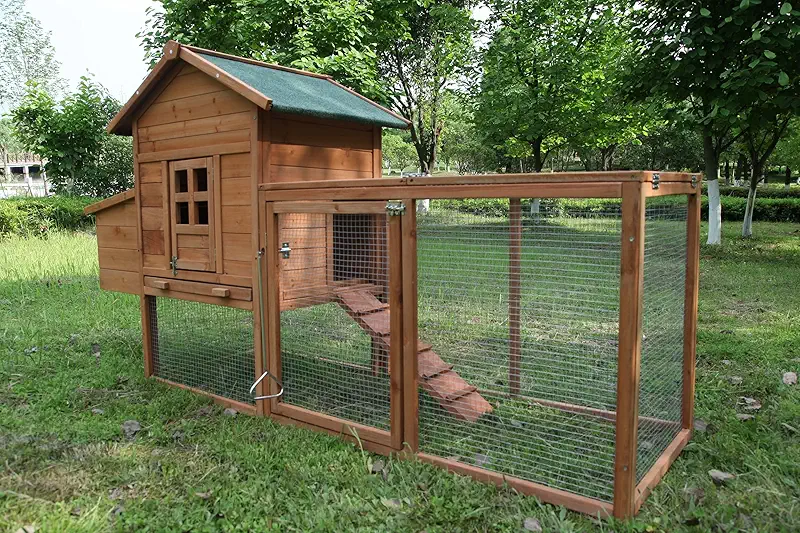
Why a Small Wooden Chicken Coop Just Works
When folks ask me why I still like a small wooden chicken coop, I tell them this: wood breathes, hens relax, and I can fix just about anything with a pocketful of screws and ten quiet minutes. Metal and plastic have their place, but a sturdy wooden coop feels like home to the birds and to an old farmer like me.
A small coop doesn’t mean a cheap coop. It means:
- Easy to clean before work or after supper.
- Simple to move if you rotate your birds on fresh grass.
- Cozy enough that hens feel safe, but not cramped.
- Affordable to start with a handful of laying hens.
When I started, I had four scruffy pullets, a box of mismatched screws, and more enthusiasm than sense. My first coop was too low, too dark, and too hard to clean. I learned quick that a small wooden chicken coop can be your best friend or your biggest pain, depending on a few details.
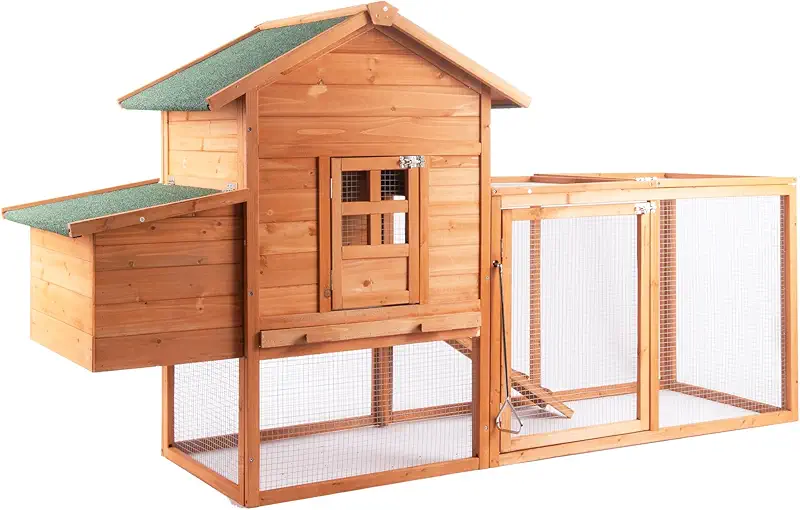
The Right Size: How Many Hens in a Small Wooden Chicken Coop?
I get this question all the time: “How many hens can I keep in one small wooden chicken coop?” My answer is always the same: less than the box says, and more than your neighbor thinks.
As a rule from many cold mornings and a lot of sweeping out shavings:
- Inside the coop: 3–4 square feet per hen is comfortable.
- Outdoor run: at least 8–10 square feet per hen.
- Roost space: about 8–10 inches of perch per bird.
- Nest boxes: one box for every 3–4 hens.
So if you’re looking at a small wooden chicken coop for 4–6 hens, picture an easy start: enough eggs for breakfast and a little extra for the neighbors, without turning chores into a second job.
Farmer tip: If the description says it fits 6–8 hens, I treat it as a comfortable home for 4–5. Birds are calmer with elbow room, and calm hens lay better than crowded hens every time.

What I Look For in a Small Wooden Chicken Coop
After years of scraping frozen droppings, chasing raccoons, and wrestling warped doors, I’ve boiled it down to a short list. When I walk up to any small wooden chicken coop, I check:
1. Solid Frame and Dry Floor
I gently shake the coop. If the frame rattles and squeaks like a rusty wagon, I move on. Joints should feel solid, doors should line up, and the floor should sit high enough off the ground that water can’t sneak in under a heavy rain.
A raised floor also keeps rats and snakes from setting up house underneath. Ask me how I know. I once reached under a low coop to pull out a feed pan and met a very surprised black snake. We both backed away real slow.
2. Good Wood and Decent Roof
With a small wooden chicken coop you want wood that’s:
- Thick enough that you can’t push it in with one finger.
- Treated or painted on the outside for rain and snow.
- Smooth on the inside so your hens don’t catch splinters.
The roof matters more than most folks think. I like a sloped roof that sheds water and has just enough overhang to keep the walls dry. A leaky roof in February will teach you more about coop design than any book.

3. Ventilation Without Drafts
Chickens hate damp air more than cold air. A small wooden chicken coop should let warm, moist air rise and escape without blowing a draft right over the roosts.
I look for:
- Vents or windows up high under the roofline.
- Wire mesh that’s strong and tight, not flimsy.
- Openings you can partly close in hard winter without sealing the whole coop.
On my place, I close some vents on bitter nights but never all of them. If the windows fog up or the air smells sharp when you open the door, you need more ventilation.
4. Easy-Clean Doors and Trays
Now this one comes from an old back and too many years of bending where I shouldn’t. A small wooden chicken coop is only as good as its doors and trays. If you have to crawl on your knees with a dustpan, you won’t keep up.
I hunt for:
- A big rear door or side door you can open standing up.
- Removable droppings tray or floor liner.
- Nest boxes accessible from the outside for egg collection.
Once I tried to “save money” with a coop that had one tiny front door. By week three I’d spent more time hunched over inside that thing than I did in my own kitchen. Never again.

Predator Protection: The Quiet Job Your Coop Does at Night
Out here, the night shift is made of raccoons, foxes, hawks, neighbor dogs, and the occasional owl with big ideas. A small wooden chicken coop might look cute in the yard, but its real test happens after dark.
Here’s what I insist on, and my hens sleep easier because of it:
- Locks, not latches. Raccoons have clever little hands. If a five-year-old can open it, so can they.
- Sturdy wire. The run should use hardware cloth or thick mesh, not thin chicken wire alone.
- Buried edges. I like to bury the wire apron a few inches or lay it flat around the coop to stop digging.
- Snug doors. No big gaps at corners where something can reach in and grab a roosting bird.
Farmer tip: Shine a flashlight all around your coop at night. If you see light leaking around doors or corners, a paw can probably fit through there too.

Keeping Hens Happy and Laying in a Small Coop
A small wooden chicken coop is like a good farmhouse kitchen: simple, tidy, and laid out so you don’t bump into everything. The hens don’t ask for much, but they do notice the little things.
Roosts at the Right Height
Chickens like to sleep up off the floor where they feel safe. I set roosts a bit higher than the nest box openings so hens won’t sleep in the boxes and foul them up.
Rounded edges or 2x4s turned flat side up keep their feet warm, especially in states where winter actually shows up on time.
Nest Boxes They Actually Use
I keep nest boxes darker and quieter than the rest of the small wooden chicken coop. A little lip on the front keeps bedding in place, and I aim for boxes about the size of a milk crate.
Put your nests lower than the roosts, stuffed with clean shavings or straw, and you’ll spend less time hunting eggs in corners and flower beds.

Light, Quiet, and Routine
Laying hens are creatures of habit. In a small wooden chicken coop, a calm routine means more eggs and less drama.
I let the morning light in gently, keep feed and water in the same spot, and close up at the same time each night. The birds learn the rhythm. After a while, they put themselves to bed. I just play doorman and carry the feed.
Cleaning and Maintenance: Five-Minute Habits That Save You Hours
I’m not afraid of work, but I don’t sign up for extra, either. A smart small wooden chicken coop is one you can tidy fast before coffee gets cold.
My weekly routine looks like this:
- Scrape droppings from the tray or floor and top up clean bedding.
- Check corners and seams for damp spots or soft wood.
- Rinse and refill drinkers, making sure nothing slimy is growing.
- Look over hinges, latches, and wire for any signs of chewing or rust.
Once or twice a year, I give the small wooden chicken coop a proper deep clean on a warm, breezy day. Doors wide open, everything out, scrubbed, and dried in the sun. Fresh paint or stain on the outside keeps the wood stronger and stretches the life of the coop.

Small Backyard, Big Eggs: Why a Small Wooden Chicken Coop Fits City and Suburb Life
Not everyone has wide pasture and a rusty old tractor. Plenty of good eggs are laid behind garages, along fences, and in tight little city yards.
A small wooden chicken coop works in town because:
- It doesn’t take much room, but still keeps hens safe.
- It looks more like a garden shed than a barn, which neighbors appreciate.
- You can tuck it beside a fence, on a gravel pad, or near a compost pile.
- Moving it a few feet now and then keeps the ground from turning into a muddy mess.
I’ve helped friends set up small coops on postage-stamp lawns and along the edge of tidy flower beds. With a little planning and a small wooden chicken coop, you can get a steady trickle of fresh eggs out of even the smallest patch of ground.
FAQ About Small Wooden Chicken Coops
How many hens can I keep in a small wooden chicken coop?
For most small coops, I like 3–5 standard hens. The box might claim more, but hens do better with extra room. Aim for at least 3–4 square feet per bird inside, and more if your winters keep them in for days at a time.
Will a small wooden chicken coop hold up in winter?
Yes, if you treat it right. Keep it dry, block strong drafts at bird level, but don’t close up all the vents. I’ve had small coops ride out snow and ice just fine. Dry bedding, decent roof, and good ventilation do more than any heat lamp.
Do I need to treat or paint the wood?
I recommend it. A light-colored, outdoor-safe paint or stain on the outside adds years to a small wooden chicken coop. I leave the inside mostly bare or with a thin, safe finish so the wood can breathe. Avoid heavy chemicals where the birds roost and lay.
Can I move a small wooden chicken coop by myself?
Many small coops can be dragged or pushed by one determined person, especially if they’re built with that in mind. Some have handles or wheels. If you plan to move it often for fresh grass, look for a lighter frame or a design that spreads the weight so you’re not wrestling it every weekend.
Is a small wooden chicken coop okay for beginners?
It’s my favorite way to start. A small coop keeps chores simple, mistakes manageable, and flocks small enough to really learn your birds. Start with a solid little coop and a few hardy hens, and you’ll be miles ahead of where I was when I banged together my first crooked shed.
If your gut’s telling you it’s time to give your hens a snug little home, a well-built small wooden chicken coop is a fine place to begin.
Let me see more