
Solar Heat Lamp for Chicken Coop
I’ve been raising laying hens in the U.S. for more years than I care to count, and I’ve seen a lot of frozen waterers, cold combs, and worried new chicken keepers. Using a solar heat lamp for chicken coop comfort can be a smart move, if you do it the right way.
Let me walk you through how I think about warmth, light, and safety in a coop, with simple words, real-life stories, and the kind of advice you usually get leaning on a fence post, not in a glossy brochure.
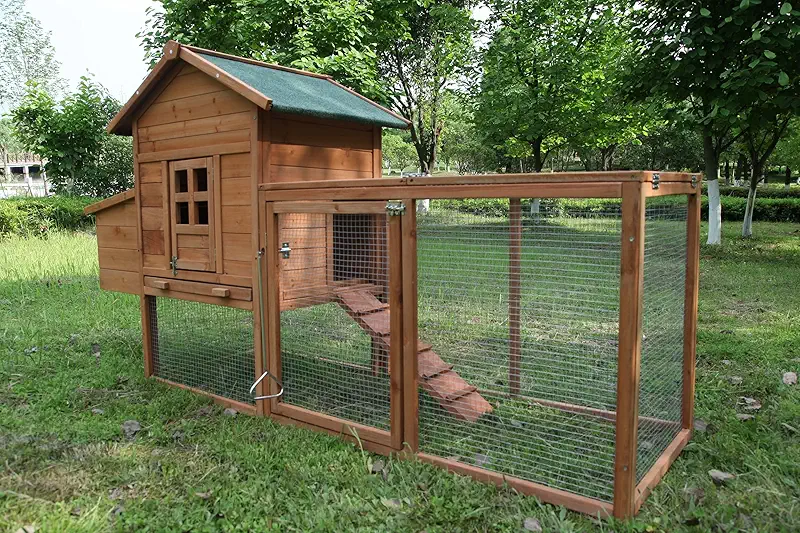
Do Chickens Really Need a Solar Heat Lamp?
First thing I tell every new chicken keeper: your hens are tougher than you think. A healthy adult hen, in a dry, draft‑free coop with deep bedding, handles cold way better than we do. She is basically walking around in a feather sleeping bag.
Where folks get in trouble is when they try to turn the coop into a sauna. Overheating birds and creating fire risks with the wrong kind of heat lamp is worse than a little winter chill. So when we talk about a solar heat lamp for chicken coop comfort, we are not trying to make it toasty. We are trying to take the edge off the cold and keep eggs coming, without scaring the feathers off our birds or burning the place down.
Out here, our winters can drop below freezing for long stretches. I’ve raised flocks with no heat at all, and I’ve raised flocks with carefully set up solar lighting and low, steady supplemental warmth. The best results always came from planning the coop right first, then adding a gentle and safe heat source only if I still saw frostbite risk or if I needed a little extra light to keep the girls laying.
How a Solar Heat Lamp for Chicken Coop Actually Works
When folks hear “solar heat lamp,” they sometimes picture the sun beaming straight into a bulb. That’s not how it goes. A solar heat lamp for chicken coop use is really a small system with a few pieces working together:
- Solar panels that collect sunlight in the day.
- A battery that stores that energy so you can use it at night.
- A lamp or radiant heater that turns that stored power into gentle warmth and sometimes light.
- A controller or timer to keep the battery happy and the light/heat on a schedule.
Set up right, you can give your hens a small steady source of warmth or just a few extra hours of light during short winter days. No extension cords dragging across the yard, and no worrying every time the power goes out in a storm.
On my place, the electric company likes to go on break every time an ice storm rolls through. My birds don’t care one bit. With a solar setup, their routine stays normal, and normal is what keeps chickens calm, healthy, and laying.
Why I Started Using Solar in the Coop
I’ll tell you what pushed me into solar. Years back, I had a regular plug‑in heat lamp hanging in the old barn coop. I’d checked it, thought it was high enough, clamp was tight, bulb guarded. One windy night a hen flapped up, knocked some loose straw against it, and I woke up to the smell of scorched wood. I got lucky. Just a charred patch on a beam and one very offended hen.
That night cured me. I swore off those bare, red‑bulb fire starters hanging over dry shavings. I still use warmth when needed, but I changed how I think about it. Lower wattage, better fixtures, better guards, solid mounting, and for outbuildings away from the house, solar power with good wiring and no tripping over cords in the dark.
When I set up a solar heat lamp for chicken coop use now, I do it slow and careful. Measure, mount, test, and then I sit in that coop, late evening, just watching how the birds act. They’ll tell you if they’re too hot long before a thermometer does.
Choosing a Safe Solar Heat Lamp for Your Coop
You don’t need fancy talk or a PhD to pick a decent setup, but you do need to look past big promises on the box. Here’s what I look for when I’m sizing up a solar heat lamp for chicken coop use.
1. Safety of the Fixture
- Thick, heat‑resistant housing, not flimsy plastic that warps.
- Strong mounting options (brackets, screw holes), not just a weak spring clamp.
- Guard or shield that keeps birds and bedding off the hot surface.
- Cords that feel solid and well insulated.
2. Gentle, Not Blasting Heat
Chickens don’t need to roast. In a normal winter coop, you want mild, steady warmth, not a 250‑watt oven. Too much heat encourages birds to linger under the lamp, and if the power ever fails suddenly, that temperature shock can be hard on them.
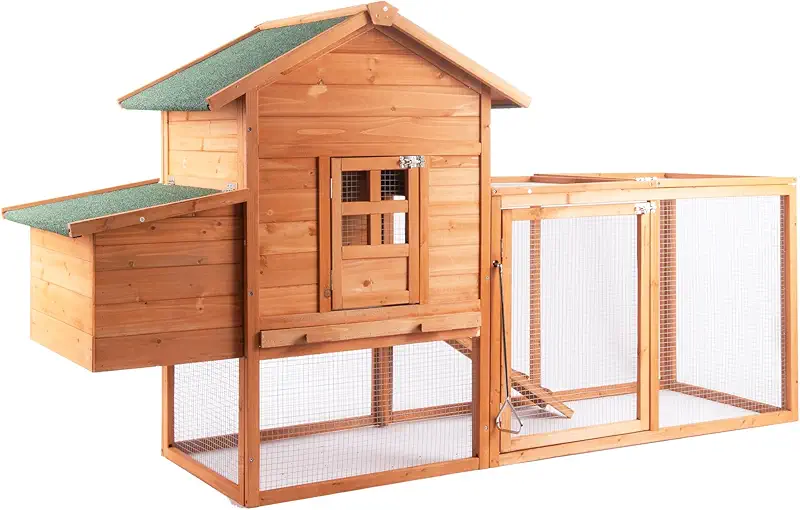
Thinking Through Your Setup
Before I bring anything into the coop, I picture where it will hang, what the birds will do under it, and how I’ll reach it for cleaning. A few minutes of thinking now beats a midnight ladder session in January.
3. Solar and Battery Sizing
Solar is simple math, even for a tired farmer with cold fingers. Ask yourself:
- How many hours of gentle heat or light do I really need at night?
- How many sunny hours does my yard get in winter?
- Do I want room to grow the system later?
I like having more panel and battery than I strictly need. Chickens don’t like surprises, and neither do I. Extra capacity means cloudy days don’t ruin your plan.
4. Light vs. Heat
Some setups give light only, some give heat only, and some offer both. For laying hens, a lot of the winter productivity comes from extending their daylight, not cranking up the temperature. Often, a solar “heat lamp” is used mostly for light, with only a mild warming effect. That’s usually enough.
Where to Place a Solar Heat Lamp in the Coop
Placement is where most people get nervous, and rightly so. You’re hanging a warm object in a wooden box full of dust and feathers. Do it thoughtfully and you sleep fine at night.
Aim for a “Comfort Corner”
I like to create one warmish corner instead of trying to heat the whole coop. Birds with sense will choose the spot they like best. If they want more warmth, they move toward the lamp. If they want cool, they step away. Chickens are better at regulating themselves than we give them credit for.
- Pick a corner away from feed dust and flying shavings.
- Mount the lamp high enough that a standing hen can’t reach it, even from a roost.
- Keep it well away from the bedding surface; I like at least 24 inches of clear air space.
- Aim the light so it doesn’t shine straight into nesting boxes at night.

Watch How Hens React
The first couple of nights, I sit in the coop at dusk with my back to the wall, just watching. If the birds are piling up right under the lamp and panting, it’s too hot. If they ignore it and huddle in a far corner, either they’re fine without it or the light feels wrong to them.
Chickens aren’t shy about giving feedback; you just have to notice it.
Avoid Common Placement Mistakes
- Don’t hang it over feeders or waterers where splashes and dust collect.
- Don’t place it near low, drafty vents where warm and cold air fight.
- Don’t mount it where you’ll bump your head every morning (ask my forehead about that one).
A little planning goes a long way toward a coop that feels calm and steady to the birds.
Using Solar Heat to Support Egg Production
Eggs are how most of us measure if our setup is working. In winter, hens lay less, mainly because of shorter days, not just the cold. A solar heat lamp for chicken coop use often ends up pulling double duty: gently brightening mornings or evenings while also nudging the temperature up a bit.
On my farm, I’ve had the best luck mimicking nature but stretching the day slightly. I aim for about 14 hours of light, total. I don’t blast them awake with a spotlight at 3 a.m.; I just add a slow, calm glow in the early evening so they finish their dinner and settle on the roost with full crops and relaxed bodies.
With a solar setup and a simple timer or controller, you can make that light come on and off like clockwork, even if you’re stuck late at work or weathered in.
My Winter Routine
For my main laying flock, a typical mid‑winter day might look like this:
- Natural sunrise wakes them when the sky starts to gray.
- Sometime late afternoon, the solar lamp fades on, giving a warm, low light.
- They eat, drink, and scratch a little longer, then hop up to roost.
- The light clicks off once they’ve settled, so they still get a good, dark night.
That rhythm keeps eggs coming at a nice, steady pace without pushing the hens too hard.

Eggs and Energy Bills
One thing I like about solar is that every egg I gather on a gray winter morning feels like it wasn’t paid for with a higher power bill. The system just quietly does its job, season after season.
Balancing Warmth, Ventilation, and Dryness
Any old farmer will tell you: damp and still air is harder on chickens than honest cold. You could have the world’s fanciest solar heat lamp for chicken coop use, but if your coop is wet and stuffy, your birds will cough their way through winter.
Ventilation Without Drafts
Think of air like water. You want it to flow, not blast. I place vents high up under the eaves, so moist air from breathing and droppings can escape, while the birds sit below in calm, still air.
- In winter, I never close all vents. I just block the ones letting wind blow straight across the roost.
- Fresh air above, deep dry bedding below, and a little gentle warmth in the middle is the sweet spot.
Deep Bedding and Solar Heat
Deep bedding works like a big feather blanket on the floor. I start fall with a clean base and then keep layering dry shavings or straw. That bedding slowly composts, giving off a bit of natural warmth. Add a modest solar heat lamp above, and you’ve got a coop that feels like a snug barn, not a sauna.
The key is to keep it dry. If it smells strong or feels damp when you grab a handful, add more dry material and stir things up. Wet bedding and warmth together invite trouble.
Step‑By‑Step: Setting Up a Solar Heat Lamp for Chicken Coop Use
Let’s walk through the basic steps the way I’d show a neighbor over the fence.
- Choose your spot outside the coop. Find a sunny place for the panel, away from falling branches or snow slides off the roof.
- Mount the solar panel. Angle it toward the winter sun. Tighten every bracket like you know a January wind is coming.
- Place the battery and controller. I like a small, dry box outside the coop or in a protected corner, where chickens can’t peck wires.
- Run the cables neatly. Use clips or staples (careful not to pierce the wire) so nothing dangles where a curious hen can grab it.
- Mount the lamp inside. High enough, shielded, and over a “comfort corner” as we talked about.
- Test during the day. Turn it on, check the brightness and warmth with your own hand. Adjust height until it feels like a cozy glow, not a campfire.
- Watch the first few nights. Let the birds tell you the rest. If they look relaxed and spread out, you’re close to right.

Checking in Through the Season
I give my solar system a quick look every week:
- Panel clear of snow, dust, and leaves.
- Wires snug and un‑chewed.
- Lamp glass clean so I’m not wasting light.
It’s like topping off the waterers: a quick habit that avoids big headaches.
A Word About Fire Safety
I joke around plenty, but not about coop fires. A few plain rules I live by:
- No loose extension cords across bedding. Ever.
- No cracked fixtures or mystery sparks. If it looks tired, I retire it.
- Everything screwed, bolted, or firmly strapped, not just “good enough for now.”
Your birds depend on you to think ahead. A safe solar heat lamp for chicken coop use should feel boring once it’s installed. No drama, just steady light and quiet warmth.
Real‑Life Results from the Flock
I’ll share how this plays out with one of my favorite flocks, a group of mixed‑breed hens that never read a chicken textbook in their lives but always told me the truth.
Before I used solar, their winter egg count dropped hard. We’d go from a basket a day to a sad little handful, and I’d stand there in my boots, wondering why I was still buying feed for a bunch of feathered freeloaders. They stayed healthy, but the dark days clearly slowed them down.
After I added a modest solar light/heat setup, nothing extreme, I saw the change. They didn’t crank up to summer levels, but they laid steadily, and their combs stayed bright red. No frostbite on toes, no damp corners in the coop. Just a quiet, even season.
I still give them winter breaks when the weather is harsh. Hens aren’t egg machines, and I don’t treat them like that. But a solar heat lamp for chicken coop comfort gives me a tool to keep them feeling good and laying enough that the egg basket doesn’t look so lonely.

Listening to Your Own Birds
Every coop, every climate, and every little flock has its personality. What worked for me in a windy, cold place might need tweaking where you are. The trick is to start simple, watch closely, and change slow. Your birds will tell you when you get it right: they’ll be active, chatty, eating well, and hopping up to roost like they own the place.
FAQ: Solar Heat Lamp for Chicken Coop
1. Do my hens really need a heat lamp in winter?
Most healthy adult hens do not need heavy heat, even in a cold U.S. winter. What they need is a dry, draft‑free coop, plenty of bedding, good feed, and water that isn’t frozen. A solar heat lamp for chicken coop use can help in very low temperatures or if you have breeds with big combs prone to frostbite, but it should be gentle support, not a tropical vacation.
2. Is a solar heat lamp safer than a regular plug‑in lamp?
The power source (solar versus grid) isn’t what makes it safe; the design and your setup do. Solar does remove long extension cords, which is a big plus. A well‑built solar heat lamp with solid mounting, proper guards, and careful placement can be much safer than a cheap clamp‑on bulb hanging over straw. But you still need to treat it with respect.
3. Will a solar heat lamp keep my coop warm like a house?
No, and you shouldn’t aim for that. Chickens are comfortable in cooler air than we are. A typical solar heat lamp for chicken coop use gives mild, local warmth, often around a roost or comfort corner. It takes the sharp edge off the cold but doesn’t turn the whole coop into a living room. That’s good – sudden temperature swings can stress birds.
4. Can I use solar just for light and skip the heat?
Absolutely. Many keepers use solar lighting alone to extend day length in winter and keep eggs coming, while relying on good coop design and bedding for warmth. In milder climates, that’s often all you need. Even in colder areas, a light‑only solar setup is a big help for both eggs and your evening chores.
5. How do I know if my hens are too cold or too hot?
If they’re too cold, you’ll see them huddled tight, maybe shivering, moving less, and tucking their toes deep under their feathers. If they’re too hot, they’ll stand apart, hold wings slightly out, and pant with open beaks. With a solar heat lamp for chicken coop support set gently, you want birds spread out naturally, chatting, scratching, and roosting calmly at night.
Final Thoughts from an Old Farm Hand
Raising laying hens is part science, part habit, and part heart. A solar heat lamp for chicken coop use is just another tool in the barn: handy when you understand it, dangerous if you don’t, and wonderful when it helps your birds thrive.
Take your time choosing a setup. Think about safety first, then the comfort of your flock, then your own sanity on those dark winter evenings. If you can walk out to the coop, hear soft clucking, see steady light, feel dry bedding, and collect a few warm eggs in your hand, you’re doing just fine.

And if someone teases you about “spoiling your chickens” with a solar system, just smile and crack them an omelet made from fresh winter eggs. That usually ends the argument.
Remember: your birds don’t need perfection. They just need steady care, a safe coop, and a keeper who pays attention. Solar can be a fine part of that story.
When you’re ready to look around and see what kind of coops and setups might fit your flock, take your time and trust your gut.
See all coops