
Temporary chicken coop
I’ve raised laying hens through blizzards, heat waves, and more raccoons than I care to count. A good temporary chicken coop can be the difference between a calm flock and a feathered mutiny.
On this page I’ll walk you through how to pick and use a temporary chicken coop that keeps your birds safe, laying, and easy to manage, whether you’re moving them across the yard or just need a short‑term setup.
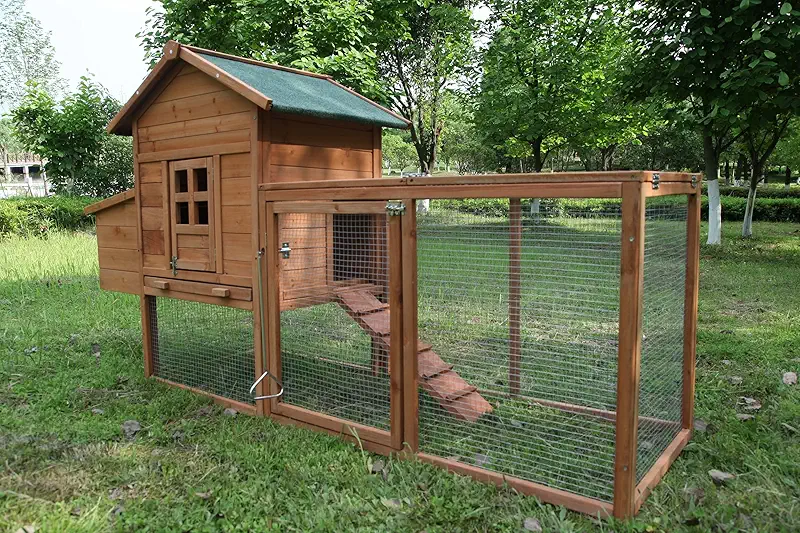
What a temporary chicken coop is really for
When folks hear “temporary chicken coop”, they often picture something flimsy, like a playpen for birds. Out here on the farm, temporary doesn’t mean weak. It just means it’s meant to be moved, changed, or used for a shorter season.
I use temporary coops for a few main jobs:
- Raising pullets until they’re ready to join the main flock
- Rotating hens onto fresh grass to keep the pasture healthy
- Separating a bully or a picked‑on hen so everyone can calm down
- Quarantine for new birds or sick ones
- Seasonal use, like a summer range shelter or winter windbreak
If you set things up right, your hens will treat a temporary chicken coop like a safe little cabin, not a prison cell. They’ll still lay, scratch, dust‑bathe, and gossip about you just like in a permanent coop.
Key features I always look for
I’ve built coops from lumber, old trailers, and one time from a broken trampoline frame I found on the curb. No matter the style, a good temporary chicken coop always checks the same boxes.
1. Strong enough to stop predators
Predators test your setup long before the weather does. Raccoons, foxes, neighborhood dogs, hawks – they all think you opened a breakfast buffet.
- Sturdy wire, not flimsy plastic netting
- Secure latches that a raccoon can’t flip open
- Solid frame that won’t twist when you drag it
- No wide gaps at corners or along the bottom
If a clever ten‑year‑old could break into it in under a minute, a raccoon will do it in thirty seconds.
2. Easy to move without cussing
A temporary chicken coop that is a pain to move will quickly become a “permanent” coop. Ask my back about the heavy one I built in 2009.
- Wheels or skids so it slides over grass
- Grab handles at a comfortable height
- Light enough for one or two people to pull
- Balanced weight so it doesn’t nose‑dive
3. Proper room for real hens
Crowded hens get loud, stressed, and a bit nasty with each other. Give them space and they pay you back in eggs.
- At least 4 square feet per hen inside the shelter area
- 8–10 square feet per hen in the run for short‑term use
- Enough perch space so they can all roost at once
If you’re not sure, size up. I have never regretted giving chickens more room. Less room? That I’ve regretted before breakfast.
How I use a temporary coop on my farm
On my place here in the States, I run my layers behind the cattle. The cows graze first, then I move the hens in a temporary chicken coop over that same ground. They clean up bugs and spread manure. The pasture thanks me later.
I move the coop once a day in spring and every couple of days in cooler weather. The birds get fresh ground, and I get less mud, fewer smells, and healthier grass. Everybody wins, except maybe the worms.
Show me some like this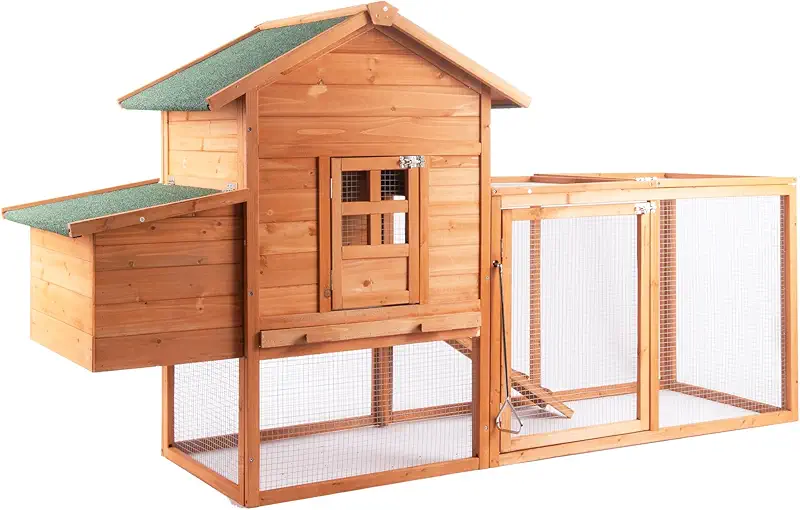

Different styles of temporary chicken coop
Not every temporary setup fits every yard or farm. I’ve tried a bit of everything. Here’s how the main styles behave in the real world, mud and all.
Portable tractors
These are low, long coops you drag across the ground. They’re my go‑to for rotating hens on pasture.
- Great for grass, bugs, and spreading manure
- Stay closer to the ground, so less wind trouble
- Usually lighter and easier to move daily
Just keep an eye on mud. If the ground is soaked, I move them to higher spots so hens aren’t living in soup.

Panel and hoop coops
I built my first hoop coop from cattle panels and a tarp. Looked like a covered wagon full of chickens.
- Roomy and bright inside
- Nice airflow, easy to adjust with tarps
- Good for larger flocks that still need to move
Wind can get under them, so I like to stake them or park them on the leeward side of a building or hedge.
Foldable or modular coops
These are the ones you can set up and take down without a tool belt. Handy for suburban backyards, rentals, or just trying chickens for a season.
- Go up fast and pack down small
- Fine for a few hens short‑term or as a day run
- Light enough for one person to move alone
With these, I pay extra attention to hardware and wire quality. If it folds easily, it also needs to lock securely once it’s up.
Pros and cons of a temporary chicken coop
Let’s be honest. A temporary chicken coop isn’t magic. It solves some problems and creates a few chores of its own.
What I like about them
- Fresh grass means cleaner feet, cleaner eggs, and happier hens
- Easy to rest muddy or worn‑out spots in the yard
- Good way to test flock size before committing to a big permanent coop
- Handy as a backup if you need to separate birds quickly
- Can follow the shade or sun as seasons change
What can be annoying
- Daily or frequent moving takes discipline
- Wind and storms mean you need to think about anchoring
- Some models need winter tweaks for deep cold
- Cheap ones can bend or wear out fast
- You must double‑check doors and latches every evening

How many hens fit in a temporary chicken coop?
I’ve learned to ignore most “hen capacity” numbers printed on boxes. They must be counting very small chickens that never move. Real birds need real room.
For standard laying hens, my rule of thumb for a temporary chicken coop is:
- 4 square feet per hen in the sheltered area
- 8–10 square feet per hen in the run for short‑term setups
- One nesting box for every 3–4 hens (they’ll all share their favorite one anyway)
If you plan to keep them in there more than a few weeks, treat it more like a regular coop and give them the same space you would in a permanent building. Space fixes a lot of behavior problems before they start.
Quick check: when all hens are on the roost, no one should be shoved off or hanging half out. If they are, you’re a perch short.
Ventilation, shade, and weather protection
Chickens handle cold better than damp, stale air. If you remember that, you’re already ahead of half the coop designs on the internet.
Ventilation
In a temporary chicken coop, I like fixed openings near the top, plus flaps or panels I can open and close.
- High vents let moist air out without chilling the birds
- Strong wire over openings so predators can’t sneak in
- Cross‑breeze in hot weather, blocked wind in winter
Sun and shade
In summer I move the coop so the run catches morning sun and mid‑day shade. The hens appreciate it, and I don’t feel as guilty wearing shorts while they wear feathers all year.
- Tarps or shade cloth over part of the run
- Use trees or buildings as natural shade
- Always leave one sunny area for dust baths
Rain and wind
Wind will find every weak spot in a temporary coop. I learned that lesson at 2 a.m. one March, in the rain, chasing a runaway tarp with a flashlight in my teeth.
- Extra stakes or ground anchors on light coops
- Solid roofing over at least part of the run
- Position the low side of the coop toward prevailing winds
Daily routine with a temporary chicken coop
A good routine makes everything smoother. Chickens love habit almost as much as they love scratching where they’re not supposed to.
- Morning check. Open the pop door, refresh water, top off feed. Quick look at everyone’s eyes, combs, and feet.
- Move the coop (if needed). I move mine before they’re fully awake and spread out. It’s easier on them and on me.
- Midday glance. Especially in hot or stormy weather, I swing by and make sure nobody’s panting hard or soaked.
- Egg collection. Once or twice a day keeps eggs clean and discourages egg‑eating habits.
- Night lockdown. Count heads, close doors, secure latches. I run my hand along the door to feel that it’s fully shut.

A few extra steps with a temporary chicken coop save you from the bad surprises that make you question this whole “fresh eggs” idea.
Setting up a temporary coop for laying hens
Layers are creatures of habit. Give them a calm, consistent routine and a safe, simple temporary chicken coop, and they’ll lay just fine.
Nesting and roosting
- Place nesting boxes in the quietest, dimmest part of the coop
- Roosts a bit higher than nest boxes, so they sleep on perches, not in boxes
- Enough roost space so nobody is pushed to the cold edge
Feed and water
With a portable coop, I hang feeders and waterers a bit off the ground so they don’t get filled with bedding. On uneven pasture, I check that everything is hanging level so they don’t spill.
Bedding choices
I’ve used straw, shavings, and chopped hay. For temporary setups I favor dry, light bedding that’s easy to change. Deep, wet bedding in a small coop turns into a science experiment faster than you’d think.

Tip: when you move a temporary coop, toss a handful of scratch where the coop just was. The hens will scrape through that spot, finish any bugs, and help you spread manure.
Common mistakes with a temporary chicken coop
I’ve made enough mistakes over the years for both of us. Here are a few I’d save you from if I could.
- Underestimating predators. If you see a raccoon once, it has checked your coop a hundred times.
- Forgetting slope and drainage. That nice flat spot may turn into a pond after one good rain.
- Skipping daily checks. A loose latch or torn wire is easier to fix before something gets in.
- Leaving no dry area. Hens need at least one dry patch to stand and dust‑bathe.
- Trusting the “max birds” label. That number is for marketing, not for happy hens.

FAQ about using a temporary chicken coop
Can I keep hens long‑term in a temporary chicken coop?
Yes, if the coop is built strong, sized right, and you keep up with cleaning and moving. I’ve had hens spend whole seasons in a portable setup. For year‑round use, I make sure they have:
- Enough space for comfort, not just survival
- Dry shelter from wind, snow, and heavy rain
- Good ventilation and deep bedding in cold months
If winters are harsh where you live, think of the temporary coop as the core, and be ready to add windbreaks, tarps, or even move it under a roof for the worst weeks.
How often should I move a temporary coop?
On fresh grass in mild weather, I like daily moves for active layers. In cooler or dry seasons, every couple of days can be fine if the ground stays dry and the smell stays friendly. If you step in the run and the ground squishes, you waited too long.
Is a temporary chicken coop safe from foxes and raccoons?
It can be. The key is in the details:
- Real hardware cloth or sturdy wire, not thin plastic netting
- Doors that overlap the frame with solid latches
- No gaps larger than a couple of fingers at edges and corners
- Anchors or weight so a predator can’t nose under the edge
I do a “night test” with a flashlight, looking for light sneaking out at joints. Anywhere light escapes, a predator will try too.
Will hens keep laying eggs when I move their coop?
If you move them smoothly and keep their routine steady, yes. The first day or two they might cluck a little more than usual, but they get used to it. I move mine roughly the same time each morning. Same feed, same water, same roost – the ground changes but their world still feels familiar.
What size temporary coop should I choose for my first flock?
Start by deciding how many hens you truly want, not how many the box promises. For a beginner flock of 4–6 layers, I like a coop that claims it fits 8–10. That usually means:
- Enough space to expand a little if you fall in love with chickens (most folks do)
- Wide doors so cleaning is easy
- Room to add a feeder and waterer without crowding
When in doubt, go one size bigger than your first instinct. Extra space never kept a hen from laying.
If you’re ready to let your flock enjoy fresh ground and a flexible setup, a solid temporary chicken coop can make daily chores lighter and mornings quieter.
I’ll browse all coops