
Tiny chicken coop
I've raised laying hens in big barns, crooked old sheds, and tiny chicken coops tucked behind city garages. Let me walk you through how a small coop can still give you healthy hens and a steady basket of eggs, without taking over your whole yard.
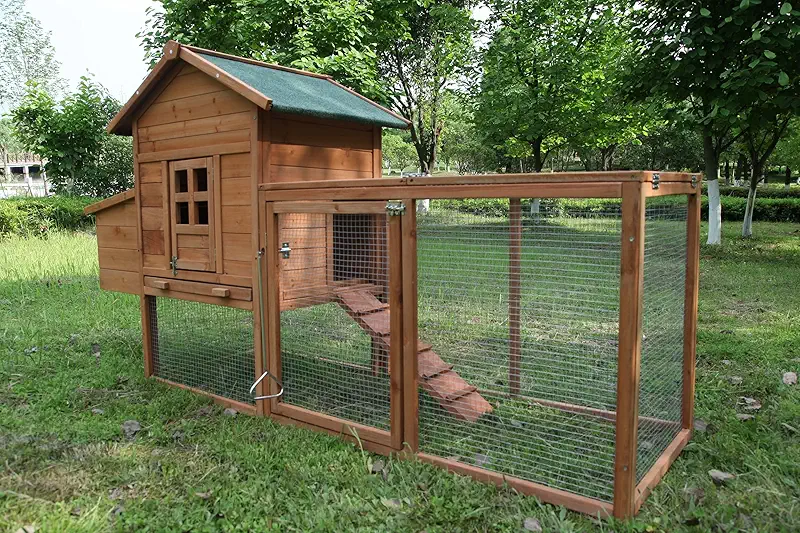
Out here on the farm we say, “You don’t need a barn to start with breakfast eggs.” A well‑planned tiny chicken coop can do more for your hens than a big, drafty palace.
I’ve been keeping hens since before my beard turned gray, and that’s been a while. When our kids moved to town, they wanted fresh eggs but only had a small yard and strict neighbors. That’s when I really started paying attention to small coops, tight spaces, and how to keep birds happy without a sprawling pasture.
The first tiny chicken coop we tried behind my daughter’s garage was, to be polite, a learning experience. It was cute as can be, but the vents were too small, the roosts too low, and the access doors made cleaning feel like I was trying to milk a cow through a keyhole. The hens still laid, but I could tell they weren’t thrilled.
Over the years we tweaked, rebuilt, and tested different small designs. Along the way I learned this: if you get the basics right—space, air, dryness, and predator protection—a tiny chicken coop can be just as productive as a fancy walk‑in.
How Small Is “Tiny” For A Chicken Coop?
When folks ask me about a tiny chicken coop, they usually mean something they can slide along a fence, tuck beside the shed, or set on a patio. We’re not talking about a walk‑in barn. We’re talking about coops that comfortably hold 2 to 6 hens at most.
Now, I’m old‑fashioned about space. Years of watching birds has taught me hens behave better when they aren’t shoulder to shoulder like folks at the county fair pie stand. As a rule of thumb for a small backyard coop:
- Inside coop space: around 3–4 square feet per hen.
- Run space: at least 8–10 square feet per hen if they can’t free‑range.
- Roost bar length: 8–10 inches of perch per hen.
- Nesting boxes: 1 box for every 3 hens (they’ll argue over one favorite anyway).
On paper that doesn’t look like much, but if the layout is smart, a small footprint coop can still give each hen a little bubble of personal space. Cram them tighter than that and you start seeing feather picking, squabbles, and stress, which usually means fewer eggs and grumpier birds.
Every new chicken keeper tells me, “We only want three hens, that’s it.” Then they discover blue eggs, or a new breed, and suddenly they’re asking where they can fit two more. When you choose a tiny chicken coop, look at the max capacity and give yourself at least one or two extra spots beyond what you think you need.
Ventilation, Dryness, And Warmth In A Tiny Chicken Coop
A small coop is a bit like a pickup cab with the windows rolled up. It warms up and dampens fast. Chickens breathe out a lot of moisture, and they poop more than you’d believe for something that size. In a tight space, ammonia and damp air can build up overnight.
The solution is good ventilation placed wisely. You want vents up higher than the hens’ heads when they’re on the roost, so the moist air can rise and escape without blowing a cold draft across their backs. Think of it as letting the coop “breathe” while still keeping the girls cozy.
When I look at a tiny chicken coop, I walk all the way around it and count the vents. I like to see:
- Openings under the roof eaves, covered with hardware cloth.
- Windows or side vents that can be closed in storms but left open most of the time.
- Roofline that doesn’t trap hot air right over the birds.
A dry coop is just as important as a breezy one. A leaky roof in a small coop turns bedding into a soggy mess in a day, and wet shavings in winter are misery for chickens. When you’re choosing a coop, look close at the roof: shingles or metal that overhang, seams that are tight, and a slight pitch so rain runs off instead of puddling.
Folks often worry more about cold than damp. Out here we get winters where the waterers freeze solid. My hens still do fine in a small coop, as long as there are:
- Dry bedding stacked a bit deeper in the coldest months.
- Roosts higher than the nest boxes so they don’t sleep in their own egg baskets.
- No drafts blowing right at the birds.
Chickens handle cold better than stuffy, wet air. If I have to pick, I’ll take a coop that is a little drafty but dry, and then I’ll fix the drafts, rather than a sealed box that turns into a humid outhouse.
Predator Protection In A Tiny Footprint
One advantage of a tiny chicken coop is you don’t have to guard a big perimeter. The downside is predators can focus their efforts on a small spot, and they will. I’ve seen raccoons open latches, dogs chew through soft wire, and even a fox dig under a coop that wasn’t skirted properly.
When I’m looking at a small coop for the family or for a friend, I kneel down and get my face right up next to the hardware. If I can bend a wire panel with my bare hands, a determined dog can do worse.
For a good tiny setup, I like:
- Hardware cloth, not chicken wire, for any area near the ground.
- Locks or carabiners on doors, not just rotating wood tabs.
- A solid floor or buried wire skirt to stop digging under the run.
- Covered run section so hawks can’t swoop in during the day.
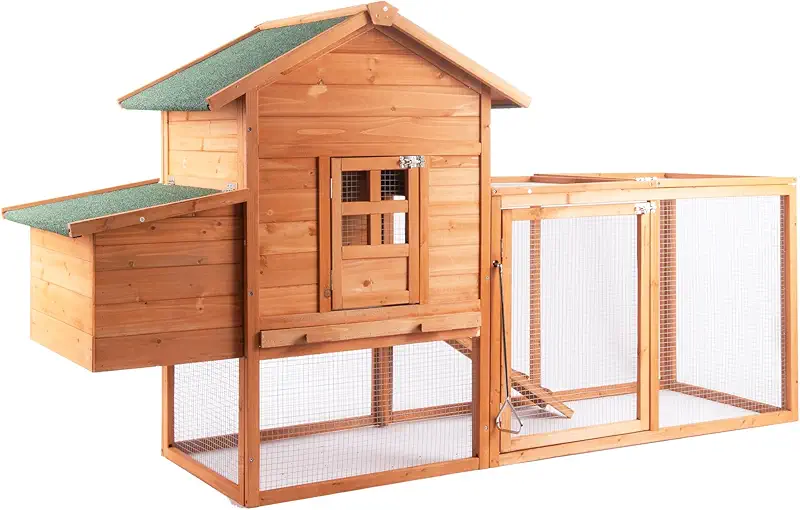


My grandson once tried to “help” by leaving the run door unlatched. That night a raccoon figured it out faster than the boy could finish his homework. We lost a hen, and he learned a hard but valuable lesson: on a small coop, every latch matters. Good hardware and simple routines save lives.
Choosing The Right Tiny Chicken Coop For Your Yard
Every yard is different. Some of you are working with a strip of grass along a fence. Some have a corner behind the garage. Some are on rental property and need something you can move without calling a neighbor with a tractor. The good news is, there’s likely a tiny chicken coop shape that fits your life.
1. Stationary tiny coop with attached run
This is what my daughter started with. The coop sits on one end, usually raised, and the run stretches out in front. It’s simple and tidy. You don’t move it often, but you can toss yard clippings, leaves, or garden weeds into the run for the hens to scratch through.
If you’re short on time and want something that “just works” for a handful of hens, this style is hard to beat. It’s also easy to explain to curious neighbors who think you’ve built a tiny Airbnb for birds.
2. Mobile tractor‑style tiny coop
Mobile coops, or tractors, sit right on the grass and can be rolled a few feet at a time. I’m fond of these because they let the hens graze fresh spots without you fencing off half the yard. The trick is weight. If the coop is built like a tank, it may never move again.
Look for:
- Wheels you can actually use without feeling like you’re wrestling a bull.
- A handle or bar that gives you good leverage.
- Run height tall enough for hens to stand and flap, but low profile enough to stay stable in wind.
3. Tiny coop for patios or tight city spaces
I’ve seen folks keep 2–3 quiet hens in surprisingly tight city lots. In those cases, we go extra small: a compact coop with a short run, raised off the ground, sometimes on pavers instead of grass. You’ll haul more bedding and bring in greens and treats by hand, but it can still work if your heart is set on fresh eggs and you’re short on dirt.


When space is really tight, I pay even more attention to cleaning access. Scrubbing a coop you can’t stand up in is already no picnic. Doing it when the whole structure is squeezed between a fence and a shed can test your religion. Wide doors, removable trays, and roofs that open make a big difference in whether you enjoy your hens or resent them.
My Daily Routine With A Tiny Chicken Coop
Folks sometimes imagine chicken keeping as this big chore, but with a tiny chicken coop, my daily routine is quick enough that even on busy days I can keep up without skipping morning coffee.
Here’s how a normal day looks when I’m tending a small backyard flock for one of the kids:
- Morning (5–10 minutes): Open the pop door, quick headcount, dump and refill water, top off feed, and toss a handful of scratch grain or kitchen odds and ends into the run.
- Afternoon (2–3 minutes): Just a glance to make sure everyone looks lively, no limp tail feathers, and the waterer isn’t tipped over by an over‑enthusiastic hen.
- Evening (5 minutes): Close the pop door, another headcount, and a look at the latches and wire. I also peek in the nest boxes and grab any late‑day eggs.
Once a week, I scrape the droppings board or rake out the most used bedding, depending on the coop design. In a tight space, this is important; there’s not much volume in a small coop to hide neglect.
My favorite part of the routine, truth be told, is just leaning on the fence for a few minutes. Watching hens scratch around is better than half the nonsense they put on television. They’re peaceful in a way that rubs off on you.
When you pick a tiny chicken coop, imagine doing your chores in January rain or August heat. Can you reach the feeders without stepping in mud? Can you change water without ducking your head every time? If the design makes chores awkward, you’ll skip them on busy days, and that never ends well.
Keeping Hens Happy In A Tiny Chicken Coop
Space is just one piece of the puzzle. I’ve seen hens in a small coop act more content than birds in a big, bare barn. The trick is giving them something to do besides stare at each other’s tail feathers.
In a tight run, I like to add:
- Perches at different heights so they can hop and choose a favorite spot.
- Dust bath area with dry soil, wood ash, or sand in a shallow tub.
- Hanging cabbage or treat balls so they peck at something besides each other.
- Leaf piles in the fall; they’ll turn them into compost for you.
I had one little flock that adored a simple stump I rolled into their run. They’d hop up, sun themselves, and take turns like kids on a playground. That old stump did more for pecking‑order peace than any “toy” I’ve ever bought.
The better you know your birds, the easier it is to see when they’re bored or stressed. A happy hen moves with purpose, tail level, eyes bright. A restless hen paces the fence, pulls feathers, or stands puffed up in a corner. In a tiny chicken coop, those warning signs show up fast, and you can fix them fast if you’re paying attention.
Egg Laying In A Tiny Coop: What To Expect
People often ask, “Do hens lay worse in a tiny coop?” My answer is always the same: if they’re stressed, yes. If they’re comfortable, not at all.
What matters most for laying is:
- Breed and age of the hen.
- Consistent feed with enough protein and calcium.
- Clean, quiet nesting spots.
- Reasonable daylight, or a bit of supplemental light in deep winter.
I’ve had three hens in a tiny chicken coop keep my daughter’s fridge better stocked than my big farm flock some weeks, simply because she was more consistent with their feed and cleaner with their nests.


My rule is simple: if I can sit or stand near the coop without smelling ammonia, if the hens hop out in the morning looking busy, and if I see no bald spots or bloody combs, the coop is doing its job and the eggs will follow.
Tiny Chicken Coop – Common Questions
If your heart’s set on fresh eggs and your yard is on the small side, a well‑chosen tiny chicken coop can make it happen without turning your place into a barnyard. Take your time, picture your daily chores, and listen to what your hens will need long before they ever arrive.
Show me all coops