
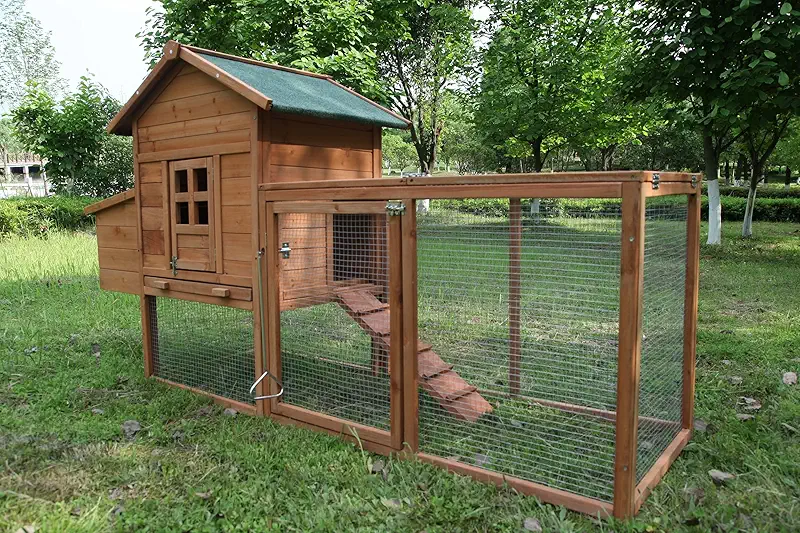
Why toys in the chicken coop matter more than folks think
When I was a kid, my grandpa used to say, “A busy hen is a good hen.” Back then I thought he was just being poetic. Turns out he was being scientific without knowing it. Hens are curious little workers. In the wild, they spend most of the day scratching, digging, pecking, and looking for something worth eating.
Lock them into a bare coop with nothing to do and they go a bit stir-crazy. They start pecking each other’s feathers, bullying the weaker birds, and sometimes even going after eggs. Give them the right toys for chicken coop life, and suddenly they’ve got better things to do than pick on their sisters.
Types of toys that work best in a real-life chicken coop
Over the years, I’ve tried about everything short of giving them a TV remote. Some ideas were genius, some were just good for a laugh. Here are the toy types that have actually earned their place in my coop.
1. Pecking and treat toys: keep their beaks busy
Hens are born to peck. If they don’t have something safe to work on, they’ll find something unsafe, like another hen’s tail. Pecking toys and treat holders give them a target that won’t scream.
- Hanging treat balls filled with greens, cabbage, or veggie scraps
- Feeders that make them work a little for pellets or grain
- Block-style treats they can slowly nibble on
I like to hang a cabbage or treat ball just above head height so they have to stretch and jump a bit. First time I did it, my old hen Betty stared at it for ten minutes, then gave it one suspicious peck. Two minutes later the whole flock was having a cabbage rodeo.
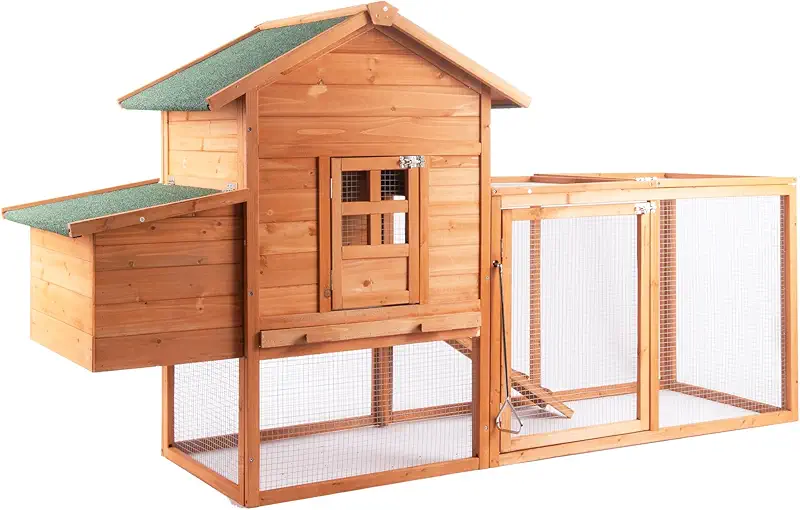
2. Hanging toys that sway and spin
Chickens love things that move just enough to be interesting but not enough to be scary. Hanging toys give them something to chase, bump, and inspect throughout the day.
I use:
- Simple chains with safe, colorful shapes
- Hanging balls that can hold grain or greens
- Multi-level toys with hooks and bits they can peck at
The trick is to hang them where hens naturally pass by – near the feeder, along the run, or by a favorite resting spot. Too high and they’ll ignore them. Too low and they’ll just kick them full of dirt.

3. Perches, swings, and “roosting adventures”
Perches are not just for sleeping. Chickens love a bit of height. Swings and different style roosts turn the coop into a little playground without taking up much floor space.
I like to mix:
- Solid roost bars at different heights
- One or two chicken swings in the run
- Low stumps or blocks so younger birds can practice
First time I hung a swing, my rooster looked at it like I’d lost my mind. A brave pullet hopped on, swung a little, and the rest followed. Now it’s like the local bar stool – there’s always someone on it at sunset.

4. Foraging toys and puzzle-style feeders
Hens are natural foragers. If your ground is bare or frozen for part of the year, foraging toys keep those instincts satisfied. They turn snack time into a little hunt.
I use:
- Toys that slowly drop grain as they peck and roll them
- Feeders with small openings that make them peck for each bite
- Scatter-style treat trays where they have to scratch and sort
On long winter days when snow has buried everything, I’ll load a couple of foraging toys with whole grains. The girls will chase those things up and down the run like kids with a soccer ball.

5. Dust bath “toys” and digging spots
A good dust bath is nature’s spa day for a chicken. While it’s not a toy in the classic sense, adding rough chunks of wood, low logs, or little platforms around the dust area gives them more to explore and hop on.
I keep a dust tub under cover with:
- Dry soil and sand
- A little wood ash from our stove (when clean and cooled)
- Safe corners and edges for them to lean and scratch against

How toys for chicken coop life help egg laying
Folks sometimes ask me, “Do toys really make chickens lay more?” Now, a toy by itself doesn’t magically pop an egg out. But calm, relaxed, and busy hens put their energy where it belongs – into steady laying instead of fighting and stressing.
Here’s what I’ve noticed since I started using toys for chicken coop enrichment:
- Less feather pecking and bare backs
- Fewer broken or pecked eggs
- More even laying through bad-weather days
- Young birds settle into the flock faster
On one rough winter, before I used toys, I was fishing out cracked eggs and patching up peck marks every week. After I added hanging treats, foraging toys, and extra perches, the flock calmed down. Same birds, same feed, same coop – but now with something to do besides argue.
Where to place toys inside and outside the coop
You don’t need to stuff every corner with gadgets. Think like a chicken: “Where do I walk? Where do I wait? Where do I get a little bored?” Put toys in those spots.
Inside the coop
- Hang one or two toys near the feeder, but not blocking it
- Keep anything with food away from nest boxes, so eggs stay clean
- Use wall-mounted toys to save floor space
In the run
- Place swings and higher perches along the edges
- Hang treat toys where they get a little breeze but not wild swinging
- Rotate foraging toys every week or two to “refresh” interest

How many toys do your hens really need?
I’ll be honest with you: chickens don’t need a theme park. A few good, sturdy toys do more than a dozen flimsy ones. Here’s a simple rule that’s worked well for my flock:
- For 3–5 hens: 2–3 toys, plus simple perches
- For 6–10 hens: 3–5 toys, including at least one foraging style
- For bigger flocks: add one more toy for every 5–6 hens
I like to keep a mix:
- One hanging treat or pecking toy
- One or two foraging or puzzle-style feeders
- One swing or special perch setup
Safety tips from a farmer who’s made a few mistakes
Not every clever idea is a safe one. I’ve learned to look at toys the way I’d chicken-proof a kids’ playground.
- No sharp edges: check for rough metal, sharp plastic, or broken wood.
- Avoid tiny loose parts: if a chick can swallow it, I don’t use it.
- Watch the strings and chains: they should be short and secure so nobody gets tangled.
- Use safe materials: nothing treated with harsh chemicals or paints that can flake.
- Clean often: toys with food inside can mold if they sit too long in damp weather.
Real-world routine: how I use toys for chicken coop enrichment each week
To give you something concrete, here’s what a typical week looks like with my hens:
- Morning: Check toys while feeding. Refill any foraging toys and treat holders if needed.
- Midweek: Move one toy to a new spot. A little change wakes up their curiosity.
- Weekend: Wash toys that hold feed, check for damage, and swap in anything new.
It doesn’t take more than a few extra minutes, but it keeps the coop feeling “fresh” to the birds. And no, they don’t thank me – they just pay the rent in eggs.

FAQ about toys for chicken coop
Do chickens really need toys, or is it just a fancy extra?
Chickens can survive without toys, but they thrive with them. Toys for chicken coop life give them something safe to peck, chase, and explore. That means less bullying, fewer feather problems, and calmer hens. For me, that’s not fancy – that’s good flock management.
Will toys make my hens lay more eggs?
Toys alone won’t turn a lazy hen into a laying machine. But by lowering stress and boredom, toys help keep your flock healthier and more settled. Healthy, calm hens keep up steadier laying, especially through rough weather or small changes in routine.
How do I know if a toy is safe for my chickens?
I look for sturdy construction, no sharp bits, no tiny loose parts, and materials I trust around food. I avoid anything painted poorly, anything that rusts fast, and anything with long string or rope. If I’d worry about a toddler getting hurt on it, I don’t hang it in my coop.
How often should I rotate toys in the coop?
Chickens notice when something moves. I usually shift one or two toys every week or so. Even moving a hanging toy a few feet can make it “new” again in their eyes. You don’t have to overthink it – just a little shuffle now and then keeps them curious.
Can I mix homemade toys with store-bought ones?
Absolutely. I use both. I’ll hang a cabbage on a bit of chain right next to a nice store-bought foraging ball. As long as everything is safe, sturdy, and easy to clean, your hens won’t care where it came from. They’re more interested in “Can I peck it?” than “Who made it?”
If you’re ready to give your birds a coop that keeps them busy, calm, and laying steady, take a slow look through the different setups and toys available. Picture what would fit your hens, your space, and your weather.
Let me see options