
Urban chicken coop
Straight talk from an old farmhand about keeping happy laying hens in a small city backyard.
I’ve raised hens through blizzards, heat waves, noisy neighbors, and one very confused city inspector. A good urban chicken coop is what kept the eggs coming and the headaches away.
If you’ve only got a small yard or a narrow side alley, that’s fine. Hens don’t care about your ZIP code. They care about safety, dry bedding, good air, and a place to lay in peace. Get those right, and they’ll work harder for you than half the folks in an office building.
I’ll walk you through how to think about your first urban chicken coop, like I would with a neighbor leaning on the fence with a cup of coffee in hand.
Let me see options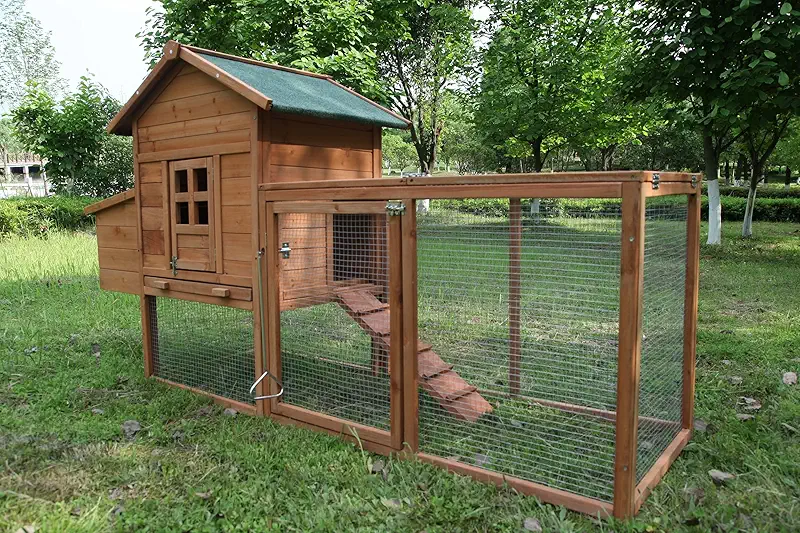
A compact urban chicken coop that fits neatly along a fence line but still keeps hens safe and dry.
What an urban chicken coop really needs (and what’s just decoration)
Over the years I’ve seen all kinds of coops. Some looked like tiny barns. Some looked like someone’s art project after too much coffee. The hens didn’t care about the fancy trim. They cared about four simple things:
- Safety: from raccoons, dogs, rats, and neighborhood kids tossing stones.
- Dry shelter: no leaks, no standing water, no constant damp corners.
- Good airflow: fresh air without turning it into a wind tunnel.
- Comfortable roosts and nesting: a calm place to sleep and lay eggs.
If a coop checks those boxes, your birds will do just fine, even in a small city yard. Let the influencers worry about matching paint colors with their patio furniture. You and I will worry about healthy hens and full egg baskets.
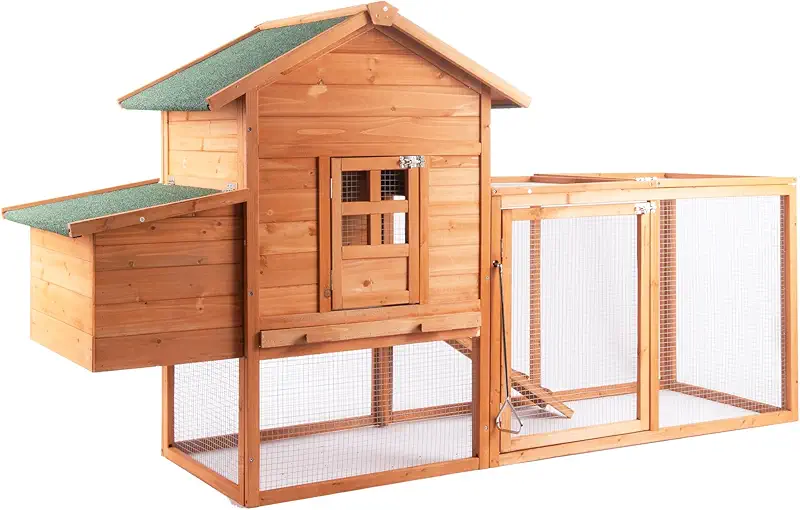
Simple, sturdy design matters more than fancy looks when space is tight.
How many hens can you keep in a city backyard?
Most city folks try to squeeze in too many birds. Hens are polite until they’re crowded, then they turn into feathered little bullies.
Basic rule I use for an urban chicken coop:
- Inside the coop: about 3–4 square feet per hen.
- Outdoor run: about 8–10 square feet per hen, more if you can spare it.
So if you’re dreaming of six hens, you’re looking at roughly a 4' x 6' coop floor and a run at least 6' x 8'. Could you squeeze tighter? Sure. Will you like the noise, smell, and pecking? Probably not.
Choosing the right urban chicken coop layout
City backyards can be awkward — long and skinny, sloped, shaded, or chopped up with concrete. The good news is hens are not picky about the yard shape. They just want room to scratch, nap, and gossip about you behind your back.
Walk-in coop vs. low coop in the city
On the farm, I like walk-in coops. My back likes them, my knees like them, and I’m less likely to bump my head… though I still manage it.
In an urban backyard, you often don’t have room for a full walk-in. So you choose between:
- Walk-in style: easier to clean, more human-friendly, but takes more visual space.
- Low “tractor” style: shorter, tucks under windows, but you bend and reach more.
If you’ve got a cranky back or you’re planning to keep hens for many years, a small walk-in coop might be worth the yard space. I’ve never regretted giving myself room to stand up while scraping manure.

Raised coops make cleaning easier and give hens a dry space under the house.
Keeping hens safe in a noisy neighborhood
Out on the farm, I worry about foxes and coyotes. In town, your hens still face raccoons, dogs, rats, hawks, and the occasional “helpful” toddler. An urban chicken coop has to be a little fortress, even if it looks cute.
Predator-proofing basics for city coops
- Wire matters: Choose hardware cloth, not cheap chicken wire. Chicken wire keeps chickens in; it does not keep determined predators out.
- Secure doors: Every door and hatch should latch firmly. Raccoons have hands like tiny burglars.
- Dig defense: If you can, bury hardware cloth 8–12 inches deep around the run, or bend it outward like a skirt.
- Roof or cover: A covered run saves hens from hawks and keeps wild birds from sharing droppings and disease.

A covered run keeps hawks out and gives hens a dry place to scratch when it rains.
Noise, neighbors, and staying on good terms
Hens are gentler on the ears than roosters, and most cities don’t even allow roosters. But there are still ways to keep everyone happy:
- Set the coop back: If possible, keep it a bit away from bedroom windows — yours and theirs.
- Keep it clean: The nose complains before the ears do. Regular cleaning avoids “What’s that smell?” talks.
- Share the eggs: A dozen warm eggs smooths out most complaints faster than any argument.
- Close the coop at night: Many prefab coops have small doors you can shut at sunset. Keeps sound in and predators out.
One of my city friends started with three hens and a grumpy neighbor. After two weekends of humble conversation and fresh eggs, that same neighbor built them a new gate. Chickens can do what politics can’t sometimes.
Ventilation, shade, and weather in a small backyard
Truth be told, more chickens are stressed by heat and damp than by cold. An urban chicken coop often sits close to fences and sheds, so air can get a little trapped.
Ventilation without drafts
You want fresh air up high, not blasting across the roost bars. Hens hate a cold breeze on their faces as much as you do.
- Look for vents or windows near the roofline, protected by overhangs.
- Make sure openings are covered with hardware cloth so you can leave them open at night.
- In hot climates, larger vents and even wire panels that can be covered in winter help a lot.

Good roof overhangs help keep vents dry while still letting moist air out.
Sun, shade, and city heat
City yards can turn into little ovens, especially with concrete and fences bouncing heat around.
- Morning sun, afternoon shade is the sweet spot if you can manage it.
- If shade trees are scarce, a light-colored roof helps reflect heat.
- You can hang a shade cloth over part of the run in summer and take it down in winter.
One hot July, I rigged up an old bedsheet over a run. The hens gathered under it like church ladies under a picnic tent. Simple shade can make more difference than fancy gadgets.
Roosts, nesting boxes, and bedding for calm layers
If the coop is their house, the roost bar is their couch and the nest box is their private office. Get those right, and egg production stays steady, even when the weather or neighbors are annoying.
Comfortable roost bars in tight spaces
Inside an urban chicken coop, space is tight, but roosts still matter. Hens like to sleep off the ground, side by side.
- Allow about 8–10 inches of roost space per hen.
- Use a bar with a flat top edge (like a 2x3 on its side), not a thin round dowel.
- Keep roosts higher than the nest boxes so they don’t sleep where they should be laying.

Simple, sturdy roosts and a quiet nest box area keep hens relaxed and laying.
Nesting boxes that hens actually use
You don’t need a dozen boxes for a small flock. Hens love to share like kids piling into the same fort.
- Plan for one box for every 3–4 hens.
- Place boxes in a darker corner away from the pop door and main traffic.
- Use soft bedding: shavings, straw, or hemp. A golf ball or fake egg helps show them where to lay.
I once had six boxes and eight hens. Every morning all the eggs were in the same box, and the others were spotless. Hens are stubborn traditionalists that way.
Bedding and cleaning in the city
In close quarters with neighbors, cleanliness isn’t just nice. It’s peacekeeping.
- Use absorbent bedding like pine shavings on the coop floor and in nests.
- Spot clean droppings on roost boards every 1–2 days; it takes just a minute.
- Do a deeper clean every few weeks, more often in wet or hot weather.
If you’ve got a small compost corner, chicken bedding turns into beautiful garden gold. Just let it break down before you put it on plants. Think of it as your hens paying “rent” in fertilizer.
My simple checklist before choosing an urban chicken coop
When a friend in town asks me to look over a coop they’re thinking about, I follow the same quiet checklist in my head. You can use it too when you look at different designs.

Before settling on a coop, picture where it will sit and how you’ll reach every corner to clean.
- Size: Does it truly give 3–4 sq ft per hen inside and 8–10 sq ft per hen in the run?
- Access: Can you easily reach all corners to clean and collect eggs, or will you be crawling?
- Wire quality: Is it hardware cloth or flimsy chicken wire?
- Roof and runoff: Will rainwater run away from your house and your neighbor’s fence?
- Ventilation: Are there vents up high that can stay open safely?
- Nest box height: Are nests slightly lower than the roosts and easy to reach from outside?
- Placement in yard: Can you position it for morning sun, afternoon shade, and respectful distance from windows?
If a coop passes those questions, I feel good about it for a city flock. If it fails on two or more, I tell folks to keep looking. Easier to choose well now than grumble every Saturday morning with a scrub brush in hand.

A little forethought now means less bending, less mess, and more quiet time collecting eggs later.
Urban chicken coop FAQ
How many chickens can I keep in a small city backyard?
Most urban backyards comfortably handle 3 to 6 hens, depending on your city rules and the exact space you’ve got. Focus less on the number and more on whether each hen has enough room. Crowded hens get loud, pecky, and stressed, and that shows up in your egg basket.
Do urban chicken coops smell bad?
A well-managed coop doesn’t have to smell worse than a dog kennel. Smell comes from wetness and neglect. If you keep the bedding dry, scoop roost droppings often, and make sure there’s good airflow, you’ll mostly notice that sweet, dusty barn smell — and your neighbors won’t notice much at all.
Can I keep chickens without a lot of yard space?
Yes, you can keep a small flock with very little ground if you plan well. A compact urban chicken coop with a raised house and run below works nicely. Just give them deep bedding to scratch in, small treats of greens, and chances to roam supervised when you can. They don’t need a football field, just thoughtful space.
Will hens be too noisy for my neighbors?
A flock of hens is usually quieter than a single barky dog. They’ll chat softly most of the day, with a bit of “egg song” now and then. Keeping them well-fed, not overcrowded, and closing them up at night keeps noise to a minimum. And when you hand over a carton of fresh eggs, folks hear them a whole lot less.
How much time does it take to care for an urban flock?
Once your routine is set, plan on 10–15 minutes a day: fresh water, feed, a quick check on the girls, and maybe a little chat if you’re like me. Then a slightly longer clean-out every week or two. It’s less time than most people spend scrolling on their phones, and the hens will reward you with breakfast.
If you’re ready to picture a sturdy little coop sitting quietly in your yard while the hens do their work, take a slow look through the different styles out there and see what fits your space and your back.
Show me all coops