
Ventilation for chicken coop
Out here on the farm, I learned the hard way that the right ventilation for chicken coop health matters more than fancy paint, cute windows, or how pretty the nesting boxes look. Fresh air is what keeps your birds breathing easy, your bedding dry, and your egg basket full.
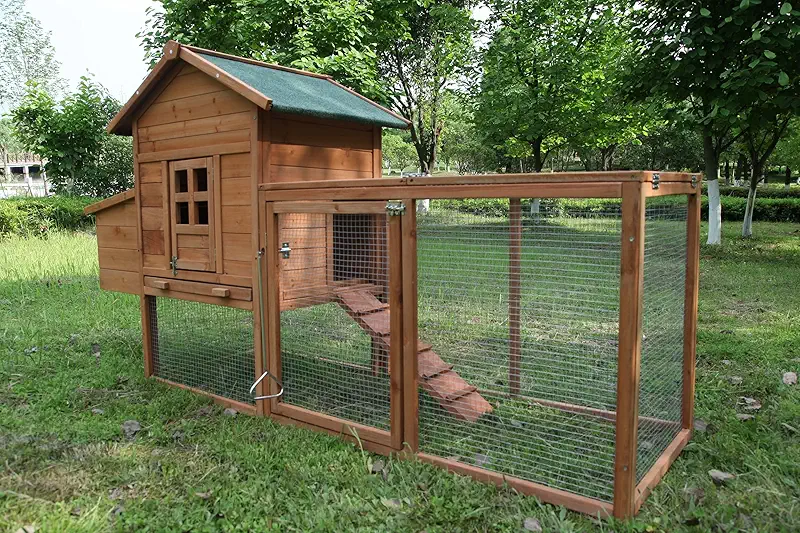
I am not an engineer, just an old farmer with sore knees and a lot of hens behind me. Over the years I have watched what happens when a coop has poor airflow: coughing birds, wet litter, strong smell of ammonia, and vet bills that make you whistle. When the ventilation is right, the coop smells like dry straw and warm feathers, and the hens hum like a well‑tuned tractor.
Why ventilation matters more than insulation
People often worry first about keeping chickens warm. I did the same when I built my first coop. I wrapped that little building up tighter than a winter jacket. No drafts, no cracks, nothing. I was proud of it, until I opened the door one cold morning and my glasses fogged up like I had walked into a sauna.
The birds were warm, sure, but they were breathing damp, dirty air. The windows were wet, the walls were wet, and the bedding felt heavy. That is when I realized something important: chickens can handle cold better than they can handle damp and ammonia. Good ventilation for chicken coop comfort is not about letting cold air blast straight on the birds. It is about letting moist, dirty air sneak out and fresh air slide in.
Every night, your hens breathe out moisture. Their droppings release ammonia. Their bodies give off heat. All of that builds up, especially in winter when we shut everything tight. Without enough airflow, that moisture settles on combs and wattles, turning into frostbite when the temperature drops. The ammonia stings their lungs and eyes. You might not see trouble right away, but it adds up over time.
If you can smell ammonia when you open your coop, your chickens have been breathing that all night. Your nose should tell you that ventilation needs help before your birds get sick.
These days, when I plan ventilation for chicken coop setups, I treat it like building a chimney and a fresh‑air door at the same time. Warm, moist air needs a way to rise and get out up high, and cooler, drier air needs a way to sneak in down low without blasting across the roosts.
The simple basics of coop airflow
You do not need complicated math or fancy systems. You just need to understand how air wants to move. Warm air rises. Moist air follows it. If you give that air a hole or vent near the top of the coop, it will drift out on its own. When that happens, a little fresh air naturally slides in from somewhere lower. That is the whole dance.
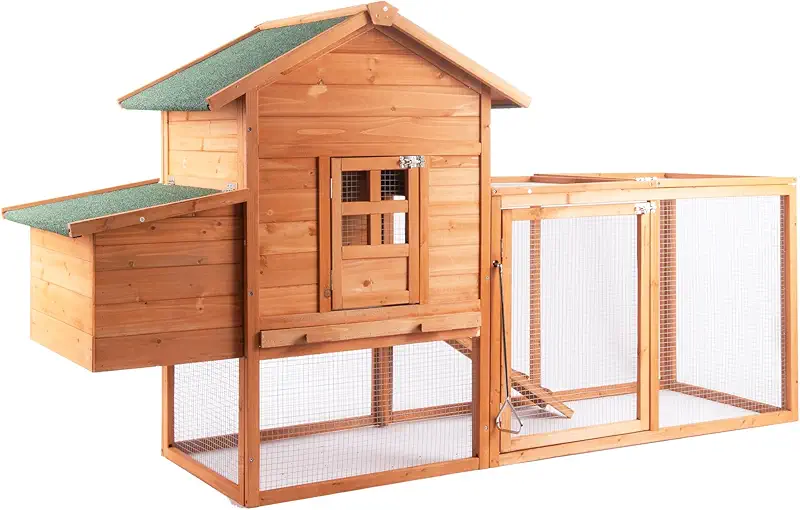
When I look at ventilation for chicken coop layout, I picture two paths:
- Exhaust up high: vents or openings near the roofline to let hot, wet air out.
- Intake down low: smaller, calmer openings below roost level for fresh air to slide in.
The trick is to move air without creating a direct draft on the birds. Chickens hate cold wind on their backs the same way you hate cold water down your shirt. Air should flow gently above and around them, not right across where they sleep.
On my main coop, I cut long vents under the eaves on both long sides of the building. Those stay open year‑round, covered with hardware cloth for safety. Then I added smaller vents closer to the floor on one side only, so the fresh air comes in, warms and rises, and then slips out the top.
Good ventilation for chicken coop design: what I watch for
When I look at a new coop design, whether I build it myself or look at ready‑made models, I keep a short checklist in my head. Years of soggy bedding taught me to keep it simple:
- Are there vents up high on more than one side?
- Can I keep those vents open even when it rains or snows?
- Are roosts away from direct wind paths?
- Is predator‑proof mesh covering all openings?
- Can I clean or adjust vents without climbing like a squirrel?
If a coop fails that little list, I already know I will be wrestling with moisture and smell later. Sometimes the structure is solid but the ventilation is weak. That can be fixed with a saw, a drill, and a bit of courage. Wood forgives. Your hens, not so much.

A lot of store‑bought coops come pretty, but tight as a biscuit tin. That looks nice on the porch, but your birds need more fresh air. When I use ventilation for chicken coop upgrades on those, the first thing I do is add more vent area under the roof and over the doors, always with hardware cloth.
Step into the coop, close the door behind you, and stand there for one full minute. If the air feels heavy, damp, or sharp in your nose, you need more ventilation. Your lungs should feel relaxed, not tight.
Winter ventilation: fresh air without frozen combs
Winter is when folks really get nervous about ventilation for chicken coop health. I understand. You see snow, you feel that wind, and your first thought is to tape every crack shut. I did that once. The chickens survived, but I spent the rest of winter scraping ice off the inside of the windows.
The secret is this: closing vents to “keep them warm” usually makes them colder in the long run. Damp air settles on combs and wattles. When the temperature drops, that dampness turns to ice and causes frostbite. Dry cold air might feel sharp, but it is safer than wet cold air.
In winter, I keep my high vents open all the time. What I adjust are the lower openings and any big doors. If the wind is pushing snow or rain straight through a vent, I add a little hood or shield outside, not close the opening entirely. Think of it like the brim of a hat blocking rain, while your face still gets air.

My winter routine looks something like this:
- High eave vents: always open, year‑round.
- Windows: tilted or partly shut, but never sealed in plastic.
- Pop door: closed at night if wind howls in, open during the day.
- Draft guards: solid walls behind roosts to block direct wind.
The birds fluff up their feathers, tuck their toes under, and handle the cold just fine, as long as the air is dry and moving gently. Sometimes I stand there at night with a small flashlight, watching how the steam from their breath drifts up and out through the vents. When I see that, I sleep easy.
Summer heat: when ventilation becomes life or death
Cold bothers people more than chickens, but heat is a different story. A hen in a hot, still coop will pant, spread her wings, and look miserable. If that heat has nowhere to go, you can lose birds fast. On the hottest days, I treat ventilation for chicken coop comfort like a full‑time job.
In summer I open every safe vent I have. High vents, windows with mesh, extra doors with screens. I create as many paths for air to move as possible, without opening big holes low to the ground at night where predators can slip in. Some days I feel more like a building manager than a farmer, walking around opening and closing things.

Here is what helps me when the thermometer climbs:
- Shade over the coop roof, either trees or a shade cloth.
- Wide openings on the shady side with strong mesh.
- Portable fans in the daytime, pointed across the ceiling, not straight at birds.
- Plenty of water stations so they drink often.
Do not be shy about using fans if you have power. A small box fan or barn fan, secured so the birds cannot reach the cord, moves a surprising amount of air. I like to aim mine along the roofline so it helps pull hot air out through the vents. When you combine good natural ventilation for chicken coop design with a fan assist on the worst days, your birds will handle heat a whole lot better.
Real‑world examples from my farm
Let me share two coops from my own place, so you can see how different setups handle air.
The old barn corner
My first flock lived in a corner of an old wooden barn. The barn walls were thick, but leaky. Plenty of cracks, gaps, and soft boards. In other words, accidental ventilation. I did not think about airflow back then. I just threw in roosts, nest boxes, and bedding.
Funny thing is, those birds stayed pretty healthy. The barn “breathed” on its own, even if it was drafty. Later, when I built a nice tight little stand‑alone coop, I suddenly had respiratory issues and damp litter. That drove home the point: controlled ventilation for chicken coop buildings beats accidental drafts, but tight with no vents is asking for trouble.
The main backyard coop
My main coop now is a simple wooden box on skids, with a sloped roof and a big covered run. I planned air from the start:
- Full‑length vents under both eaves with hardware cloth.
- A gable vent at each end, high in the peak.
- One operable window on the shady side.
- Pop door facing east to avoid the worst weather.

Inside, the roosts sit about a foot in front of a solid back wall and about two feet below the eave vents. That way the birds get rising fresh air but not a direct blast. Even in winter I leave those eave vents open. Snow might pile up on the roof, but the air inside stays dry and steady.
Since I set it up that way, my birds have had fewer respiratory issues, fewer frostbite spots, and a much nicer smell inside. I still clean and change bedding, of course, but ventilation does half the work for me.
Practical ways to improve your coop ventilation
Maybe you already have a coop and you are realizing it is a bit stuffy. You do not have to start over. Most coops can be improved with a few careful changes. When I help friends fix their setups, we usually do one or more of these:
- Add narrow vents under the roof overhang on both long sides.
- Replace small “decorative” vents with longer openings covered in hardware cloth.
- Install a real window with a latch and strong mesh, not just plexiglass.
- Add a vent above the door to let hot air escape.
- Move roosts away from doors and low vents to avoid direct drafts.

Start small and test. Cut one new vent, cover it well, and live with it for a week. Watch the bedding. Smell the air. Check for damp spots or drafts on the roosts. Good ventilation for chicken coop comfort is something you feel over time, not just the day you build it.
Every opening bigger than your thumb should be covered with hardware cloth, not chicken wire. Chicken wire keeps chickens in, but it does not always keep raccoons, weasels, or rats out.
If you are not handy with tools, there are plenty of ready‑made coops and extensions that already think about airflow. Some come with built‑in ridge vents, big screened windows, and tall roofs that let hot air rise. When I look at these, I still ask my same questions: where does the hot air go, and where does the fresh air come from?
Choosing coops that already breathe well
If you are shopping for a new setup instead of rebuilding an old one, you can save yourself a lot of headaches by picking a design that handles air properly from day one. Here is how I look at ventilation for chicken coop choices when I browse:
- Roof that sits higher than the roosts, with space for vents.
- Plenty of screened openings that you can open and close.
- Run area with shade and wind protection.
- Enough room so birds are not crowded and overheating.
Some modern coops mix wood, metal, and plastic panels. That is fine, as long as the design does not trap air like a cooler. Remember, we are not storing ice; we are housing living, breathing birds.
Down below are examples of the kind of features I like to see when I explore different chicken coop models online. These are just types, not specific brands, but they match what I look for when I head over to check ready‑to‑use coops.

I like tall coops because hot air can rise well above the birds. When vents sit near the roof peak, moisture and heat escape even on still nights.
This feels right
Windows on opposite sides create a gentle cross‑flow of air. With mesh and shutters, you can adjust them for seasons and storms.
I want this flow
A covered run with shade cloth or solid roofing keeps birds cooler. When combined with vents up high, it lets the whole setup breathe.
Let me explore moreFAQ on ventilation for chicken coop health
More than most people think. A simple rule I use is that at least 10% of the wall area should be safe, usable vent space, especially up high. That sounds like a lot, but remember, you are dealing with moist air, ammonia, and body heat. If your coop smells clean and stays dry even after a wet spell, your ventilation is probably in the right range.
Not if the vents are placed right. Keep the openings up near the roof and away from where they roost. Your birds make their own heat, and they wear down coats they never take off. What hurts them is damp air and drafts blowing right on them. Proper ventilation for chicken coop safety means dry, gentle air flow, not a wind tunnel.
You do not have to have one, but a fan can be a real blessing in hot weather or in very tight buildings. If you use a fan, mount it safely out of reach, protect the cord, and aim it so it moves air across the ceiling or toward an exhaust vent, not straight at the birds all night long. Think of it as helping the natural flow, not replacing it.
Your nose and your eyes are your best tools. If you smell ammonia, feel damp bedding, see condensation on walls or windows, or notice birds breathing hard while roosting, your airflow is weak. Another sign is frequent respiratory problems. When I improved ventilation for chicken coop areas on my farm, those issues dropped way down.
You can have too much draft, but not too much well‑designed ventilation. Huge open holes at bird level in the dead of winter will stress your flock. But large high vents, protected from driving rain and covered in hardware cloth, can stay open almost all the time. I would rather patch up a strong breeze than fight mold and ammonia.
Bringing it all together
When all is said and done, ventilation for chicken coop design comes down to a few friendly truths. Your birds need dry bedding, clean air, and a place to sleep where the wind does not cut through them. They give you eggs, garden fertilizer, and a lot of company; the least we can do is give them a coop that breathes.
You do not need to be an expert carpenter. You just need to look, smell, and listen. If the coop smells sweet and dry, the walls stay clear, and you see a soft drift of air moving through the vents, you are on the right track. If not, well, wood can still be cut, vents can be opened, and fans can be added.
I often joke that chickens are honest house inspectors. If the coop is stuffy, they cough. If it is drafty, they huddle in the one good corner. When everything is right, they spread out, preen, and talk quietly to each other like neighbors on a porch swing. That is the sound you are aiming for.
If you are ready to look at coops that already think about airflow, or you just want ideas for your own build, you can browse different designs and see how they handle vents, windows, and rooflines. That kind of window‑shopping taught me a lot over the years.