
Vintage chicken coop
I’ve been raising hens since before my beard turned gray and my knees started arguing with my mornings. Over the years I’ve learned one thing for sure: a good vintage chicken coop is more than wood and wire. It’s a safe little barn where your birds relax, lay steady, and stay out of trouble.
Around here, we like things that look old, work hard, and don’t complain. A vintage-style coop does exactly that. It gives your yard that old farmhouse charm, but still keeps your hens warm in January and breathing easy in July.
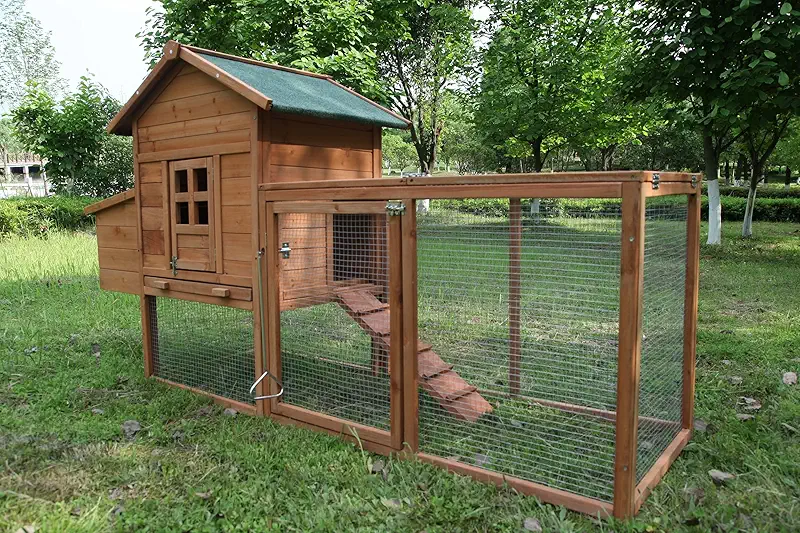
Why a vintage chicken coop keeps hens calm and productive
Hens don’t read catalogs and they don’t care about trends. They care about three things: feeling safe, staying dry, and having a quiet place to lay. A well-built vintage chicken coop usually nails all three, because the design comes from old farm common sense, not from a showroom.
When I was a kid, my granddad’s coop was crooked as a politician’s promise, but the bones were right. Thick wood, tight corners, small windows placed high, and a simple little run. The birds felt sheltered, so they laid like clockwork. That same logic is what you want in any vintage-style coop today.
A good coop with that old-time look can give you:
- Steadier egg laying because the hens feel safe.
- Less bickering on the roost, thanks to smart perch layout.
- Better airflow without drafts right on the birds.
- A coop that looks like it belongs on a farm, not a spaceship.
That’s why I always tell folks: when you look at a vintage chicken coop, forget the trim and paint for a second. Look at how the birds will actually live in there. Can they roost without bumping into each other? Is there room to duck out of the wind and out of the boss hen’s line of sight? That’s what matters.
Key features to look for in a vintage chicken coop
You don’t need perfection. You just need the basics done right. When I help neighbors choose a coop, we walk through a simple list. If a coop passes these points, the hens usually do just fine.
1. Solid, predator-resistant structure
Pretty won’t stop a raccoon. Look for heavy wood, sturdy hardware, and wire that feels firm when you press it. Old-time coops were built like small barns because the builders actually depended on those eggs.
- Doors that close tight without gaps.
- Strong latches (raccoons have clever little hands).
- Wire with small openings, especially near the ground.
2. Ventilation up high, not where the birds sleep
Chickens breathe out a lot of moisture. If the coop can’t “exhale,” you get damp bedding and sick birds. Vintage style or not, you want vents up near the roof so warm, wet air can sneak out without chilling your hens.
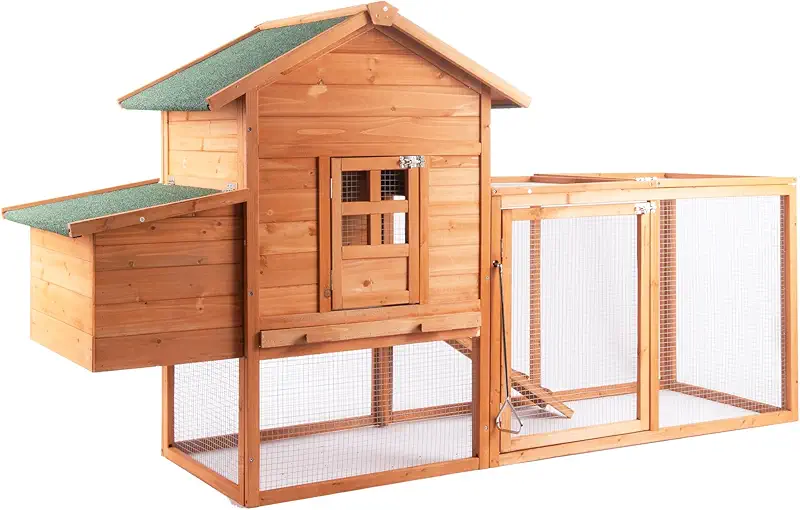
When you look at vintage chicken coop designs, trace with your finger where the air would flow on a cold night. That little exercise tells you a lot.
3. Nest boxes that feel like quiet hiding spots
A good nest box is dark, cozy, and just private enough. I like them about a foot off the floor with a nice lip to keep the bedding in. Vintage coops often line them along one wall like little mailboxes for eggs.
- At least one box for every three or four hens.
- Soft bedding: straw, shavings, or chopped hay.
- A little curtain or partial cover if the coop is very bright.
4. Roosts higher than the nests
Chickens like to sleep up high. If the roosts are lower than the nest boxes, guess where they’ll sleep? Right where you want clean eggs. Vintage coops got this right: simple wooden perches, shoulder-high or so, with room for everybody to line up.
5. Enough room for the whole flock
I’ve seen tiny “cute” coops that were barely big enough for a decent-sized rooster, never mind a whole flock. As a rule of thumb, I like:
- About 4 square feet of indoor space per hen in cold climates.
- About 2–3 square feet per hen in milder areas with a big run.
- Opening doors wide enough so you can actually get in and clean.
My experience moving from an old barn coop to a vintage-style prefab
A few years back, my old barn coop finally started to sag so much that even the hens looked worried. The roof was tired, and I was tired of wrestling with warped doors in the snow. I decided to try a vintage-style prefab coop that still looked old-fashioned but came in neat pieces.
I’ll be honest, I was suspicious at first. I grew up on rough-cut boards and rusty nails, not boxes and assembly instructions. But I took my time, laid all the parts out on the grass, and started putting it together while the hens supervised from the compost pile.
Here’s what I liked about that vintage chicken coop style:
- The roof line and trim looked like something from my granddad’s farm.
- The hardware cloth was tighter than what I used to staple on myself.
- The nest boxes pulled out easily for cleaning, which my back appreciated.
The first night the birds moved in, they did their usual grumbling about change. By the third night, they were marching up the ramp like they owned the place. Egg production didn’t dip at all, which told me they felt fine. Chickens are honest that way.
Since then, I’ve helped neighbors pick out all sorts of vintage-style coops. Some are small backyard setups for four or five hens. Others are long, low houses that look like miniature red barns. The main lesson I’ve learned is this: style is nice, but function comes first. When you find both in one coop, hang onto it.

Setting up your vintage chicken coop the right way from day one
A good coop can still fail your birds if you set it up wrong. I’ve made about every mistake a man can make with a hammer in his hand, so you don’t have to. Here’s how I like to get a new vintage chicken coop ready.
Avoid low, soggy areas. A slight slope is perfect so rain and snowmelt run away from the coop instead of under it.
Around my place, that means the doors and big vents face east or south, and the back wall takes the winter wind.
A tree, fence, or simple shade cloth over part of the run keeps them from cooking in July.
Flooring and bedding for a vintage coop
Old farm coops often had dirt floors. That can work if you stay on top of predators and moisture, but most backyard folks prefer wood or raised floors. Whatever you choose, lay down a nice layer of absorbent bedding.
- Pine shavings: easy to clean, smells nice, hens like to scratch in it.
- Straw: very “vintage” look, but chop it short so it doesn’t mat up.
- Deep litter method: add fresh bedding over old, stirring now and then. Done right, it composts slowly and keeps the coop warm.
Little comfort upgrades that make a big difference
There are small touches I add to nearly every coop:
- A sturdy brick or board under the ramp so it doesn’t sink into the mud.
- A narrow board in front of the nest boxes as a “landing strip.”
- Hooks or small shelves for feed scoops, grit, and odds and ends.
These don’t show up much in fancy photos, but your daily chores will go smoother, and the birds will move around more naturally.

Keeping hens healthy and laying strong in a vintage coop
A vintage chicken coop sets the stage, but your daily habits keep the show running. Hens are simple little creatures: give them good food, clean water, and a dry, safe place to sleep, and most of them will do their part in the nesting boxes.
Daily and weekly chores that actually matter
You don’t need to scrub the place like a hospital. In fact, I tell folks not to overdo it. A little coop “smell” is normal. Here’s the routine that’s worked for me:
- Every day: top off water, check feed, gather eggs, and peek in for anything unusual.
- Twice a week: stir or fluff the bedding, especially under the roosts.
- Every few weeks: scoop out the worst spots and add fresh bedding.
When you walk into the coop, trust your nose. If it smells sharp and burns your eyes, you need more ventilation or fresh bedding. If it smells like a mild barn, you’re just fine.
Light, seasons, and egg production
Vintage coops often have small windows, which is good for keeping heat in but can mean less daylight in winter. Hens slow down when days get short. That’s natural. Some folks add a simple light on a timer in the early morning to keep egg numbers up.
Around here, I use a low-watt bulb and aim for about 14 hours of light in the coop. Nothing harsh, just enough that the girls can see what they’re doing and find their feed and water. I always give them a month or so each year with no extra light, to rest proper.
Winter care in a vintage chicken coop
People worry about their hens freezing. Most of the time, I worry more about them getting damp. Chickens can handle cold better than wet, still air. In winter:
- Keep ventilation open up high, even when it’s freezing.
- Block direct drafts at roost height with boards or burlap.
- Use deep bedding so they have a warm, dry floor.
- Give them a dry, wind-sheltered area outside if possible.

Predator protection for your vintage chicken coop
You and I might see a pretty vintage coop. A raccoon sees a vending machine. Keeping predators out is half design, half habits. I’ve lost birds over the years, and every time I learned something the hard way.
Simple upgrades that make a big difference
- Hardware cloth, not chicken wire: Chicken wire keeps birds in but doesn’t always keep teeth out. Hardware cloth is tighter and tougher.
- Buried wire apron: Lay wire flat on the ground around the coop and run, then cover it with soil. When something tries to dig, it hits that apron and gives up.
- Two-step latches: Raccoons are bright; give them a latch that needs two motions to open.
At dusk, I make a quick round. I check that the pop door is shut, listen for any odd rustling, and then I can sleep without wondering. Takes two minutes, saves you from a lot of heartache.

When you look at photos of a vintage chicken coop, imagine you’re a fox for a minute. Where would you try to get in first? Fix that spot before trouble finds it.
FAQ about choosing and using a vintage chicken coop
How many hens can I keep in a vintage chicken coop?
That depends on the actual floor space and the attached run. As a comfortable rule, plan on about 4 square feet of indoor coop space per hen if you get cold winters, and give them as much outdoor run as you can. If a coop is sold as “for 6 hens,” I usually treat it as a good fit for 4–5. A little extra room beats crowded birds every time.
Do vintage-style coops stay warm enough in winter?
Most healthy hens handle cold better than we do, as long as they’re dry and out of the wind. A sturdy vintage chicken coop with solid walls, deep bedding, and proper high ventilation usually does the job without extra heat. In really harsh climates, some folks add a safe, enclosed heat source, but I’d rather focus on keeping drafts off the roost and moisture under control.
Are vintage chicken coops hard to clean?
They don’t have to be. Look for wide doors, removable trays under the roosts if possible, and nest boxes you can reach without crawling on your knees. I keep a simple metal rake and a flat shovel hanging nearby. With the right layout, a quick weekly tidy-up is enough, and a deeper clean every few months keeps things fresh.
Can I keep modern hybrid layers in a vintage coop?
Absolutely. Hens don’t mind the style; they mind the comfort. Modern layers, heritage breeds, and barnyard mixes all do fine in a vintage chicken coop as long as the basics are right: space, dryness, airflow, and protection. If anything, the thicker wood and traditional layout of vintage-style coops often suits sensitive hybrids very well.
What’s the main thing to check before I bring hens home?
Spend one quiet evening sitting by the coop. Close every door and window the way you would at night. Listen for rattles, feel for drafts at roost height with the back of your hand, and check every corner for gaps bigger than your finger. If it feels snug, still, and well-made to you, your hens will likely feel safe in it too.

Let your eyes and your hens decide
When folks ask me which vintage chicken coop is “the best,” I usually smile and say, “The one you’ll gladly walk out to every single day.” If the coop makes you happy to see it, and it makes life easy on your birds, you’ll take better care of both.
As you look through different vintage styles, notice where you picture your feeders, waterers, and nest boxes. Imagine yourself stepping inside on a wet Monday morning. Can you move around without bumping your head or your bucket? Those little day-to-day details matter more than fancy trim.
Your hens won’t thank you with words, but they will with steady eggs, quiet evenings on the roost, and that soft murmur a happy flock makes when the sun goes down. That sound, to me, is worth every board and nail in the coop.

If you’re ready to picture your own hens scratching around a vintage chicken coop, take your time, look through a few options, and let your gut and your good sense shake hands.
Show me more coopsWant to see the full range of chicken coops and find the one that feels like it was built just for your hens?
I’ll explore them all