
Walk in chicken coop
Walk in Chicken Coop – why stepping inside your hens’ home might be the best farming choice you make this year.
Why a walk in chicken coop changed my mornings
I’ve been raising laying hens here in the States for more than three decades. I’ve tried tiny hutches, homemade shacks, and a few old dog houses that the hens stole from the dogs. Nothing made life easier than finally switching to a good, solid walk in chicken coop.
Being able to stand up straight, look every hen in the eye, and clean without crawling on my knees doesn’t just save my back, it keeps eggs cleaner, birds calmer, and chores faster. A walk in coop isn’t some fancy luxury; it’s good, honest practicality.
- Room to walk, inspect, and clean without bending like a pretzel.
- Better airflow, drier bedding, and steadier egg production.
- Easy access to nests, feeders, and water in all seasons.
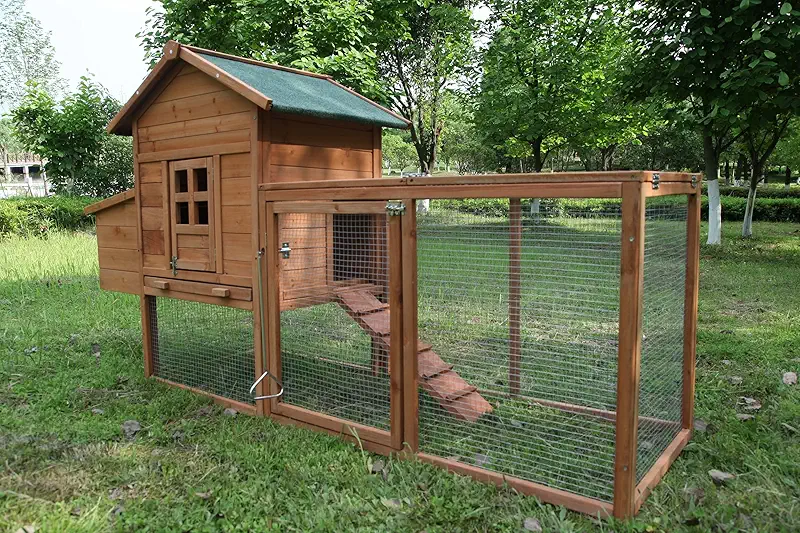
What makes a walk in chicken coop special
When folks ask me what I look for in a walk in chicken coop, I tell them the same thing I tell young farmers who come by the place: “You’re not just buying a house for chickens. You’re buying a workspace for yourself too.” The coop has to work for the hens and for the human who’s out there in boots at dawn.
A proper walk in chicken coop lets you step inside, shut the door behind you, and move around without ducking or crawling. That might sound simple, but it changes everything: how well you can check on sick birds, how quickly you can collect eggs, and how tidy you can keep the place.
Over the years, I’ve noticed that hens living in a roomy, well‑ventilated walk in coop stay healthier, lay more steadily, and act calmer. When you’re not reaching in from awkward angles, you spook them less, and the whole flock settles into a steady rhythm.
Key features I always check
- Human height: I want to stand upright, not stoop. My back thanks me every winter.
- Solid frame: Wood or metal that doesn’t wiggle when the wind picks up.
- Good roof: Enough overhang and pitch so rain and snow slide off instead of dripping in.
- Secure door: A door you can latch from inside and outside, with no big gaps for raccoons.
- Ventilation up high: Fresh air without cold drafts hitting hens at roost level.
I like to say, “If I’d be miserable living in it for a night, my hens will be too.” That simple rule has kept me from a lot of bad choices.
Real‑world sizing: how big should your walk in coop be?
There’s a lot of fancy math online about square feet per bird. Around here, I keep it simple and honest. If the hens can walk around each other without stepping in fresh poop every two steps, you’re heading the right way. Still, numbers help when you’re planning.
For a walk in chicken coop for laying hens, I usually aim for:
- 4 square feet per hen inside if they also have a run.
- 8–10 square feet per hen in the run or fenced yard.
- At least 6 feet of height so I can stand and swing a rake.
Now, you can squeeze birds tighter than that, but they’ll tell you they’re unhappy. They’ll pick feathers, bully low‑rank hens, and lay eggs any place except the nest boxes. A walk in coop only pays off if the birds have room to behave like, well, chickens.
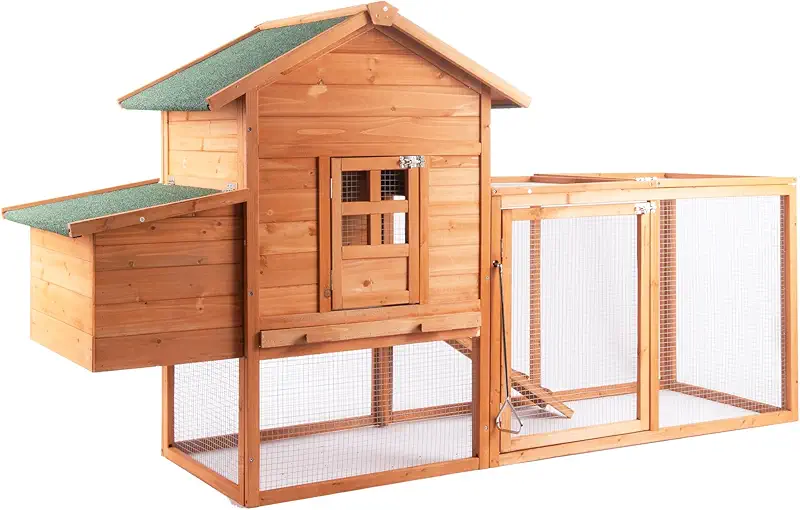
Small backyard flock example
Let’s say you’ve got 6–8 laying hens behind a suburban house. A modest walk in chicken coop with a footprint around 4x6 or 5x6 feet can work well if they’ve got an attached run and some time to free‑range when you’re home. I’d still choose a unit tall enough for you to walk inside, even if it eats a little more yard space. Your knees will vote yes later.
Bigger flock on a bit of land
On my place, I’ve run flocks of 20–25 layers at a time. For that size, I prefer a coop closer to 8x10 or larger, with a proper walk in design and plenty of roost space. A cramped coop for a big flock turns chores into a wrestling match, and that’s no way to start a morning.
Walk in coop vs. low little boxes: what I learned the hard way
I started, like a lot of folks, with a cute little coop I saw in a catalog. It looked fine on the page, but once I had bedding, feeders, waterers, and full‑grown hens inside, it felt like trying to work in the trunk of a car.
Every time I needed to check on a hen or swap bedding, I’d be on my knees, head halfway inside, rear end in the air. The hens would flap, I’d bump my head, and we’d all walk away in a worse mood. After one winter of that, I told myself I was too old for tiny houses—for chickens or for me.

Why walking in matters
- Health checks are easier: You can catch and handle birds without chasing them in circles.
- Cleaning goes faster: Stand up, rake, shovel, done. Less fuss, less swearing.
- Eggs stay cleaner: You can keep nesting corners tidy and dry.
- Better predator control: You see weak spots, gaps, or chewed corners right away.
Once I switched to a walk in chicken coop, chores that used to take forty‑five minutes dropped to twenty. When the work gets easier, you do it more often, and the hens reward you with steady eggs and fewer problems.
Keeping your hens safe: predators, weather, and smart coop design
Out here, I don’t just think about comfort; I think about what’s trying to eat my birds. Raccoons, foxes, coyotes, hawks, owls, even the neighbor’s “friendly” dog—they’re all studying your setup, waiting for one lazy evening. A good walk in chicken coop starts with safety.
Predator‑proofing a walk in chicken coop
- Floor and base: If it doesn’t have a solid floor, I bury wire apron around the perimeter at least 12 inches deep.
- Wire choice: I’ve learned to favor hardware cloth over chicken wire on weak spots. Chicken wire keeps chickens in, not predators out.
- Door and latches: I use latches that need two motions to open. If a raccoon can do it with little hands, it’s not secure.
- Windows and vents: Every hole big enough for a rat gets covered with small‑mesh wire, screwed in, not just stapled.
- Roofline: I like overhangs without handy ledges where critters can sit and plan their break‑in.
I learned this the hard way one summer when a raccoon found a half‑inch gap in an old door frame. Cost me three good hens in one night. Now I walk the coop with a flashlight from time to time, inside and out, just to see it the way a predator would.

Weather, drafts, and happy layers
In a walk in chicken coop, you’ve got more space to manage temperature and moisture, and that’s a blessing. Hens can handle cold better than damp. What they don’t like is wet bedding, icy drafts at roost level, and sudden swings.
- Vent high, not low: Let warm moist air out near the roof while keeping hens out of the breeze.
- Deep dry bedding: I add a little fresh bedding often, instead of one giant clean‑out twice a year.
- Shade in summer: A light‑colored roof or afternoon shade keeps the coop from turning into an oven.
- Wind breaks: On open land, I like the coop tucked where it’s not taking the full winter wind on one flat wall.
A good walk in chicken coop makes it easy to tweak all this—open a vent, hang a curtain over a drafty window, or move a roost bar. Convenience means you’re more likely to do it before problems start.
Inside layout: nests, roosts, and where the poop lands
When I step into a walk in chicken coop, I don’t just see a box; I see traffic patterns. Where the hens sleep, where they lay, where they eat, and—yes—where they poop. Lay it out right and cleaning is simple. Lay it out wrong and everything ends up under your boots.
Roosts and droppings
Hens like to sleep up off the ground. In a walk in coop, I set roost bars at chest height or a little higher for me, so I can scrape underneath easily. Under those bars, I use a “poop board” or a section of bedding I can rake out quick.
- Round edges or flat side up: Give their feet a comfortable grip.
- Enough space: About 8–10 inches of roost bar per hen.
- Same height bars: Keeps peace at bedtime, less fighting for the highest spot.
If you’ve ever tried to clean under low roosts in a short coop, you’ll know why walk in height is a blessing. One good rake and the job’s mostly done.

Nest boxes that stay clean
For laying hens, nests are where the money is, so I treat them that way. In a walk in chicken coop, I like the nests:
- Lower than the roosts, so hens don’t sleep in them.
- Off to one side, not in the path to the door.
- Dim and somewhat private, which encourages laying there.
I use plenty of clean shavings or straw in the boxes and shake them out often. When you can easily walk in and lean over a nest row, it’s no trouble at all to fluff bedding and pick out a dirty egg.
Feeders and waterers
Inside a walk in coop, I hang feeders and waterers just off the floor so the hens don’t scratch as much bedding into them. With enough space, you can keep the feed area away from roosts and nests, which keeps everything a whole lot cleaner.
Daily life with a walk in chicken coop
Let me walk you through a normal morning for me. I pour my coffee, pull on my boots, and head out to the walk in chicken coop. I open the human‑sized door, step inside, and close it behind me so nobody slips past my legs. Hens cluck hello—they’re mostly saying, “Where’s breakfast?” but I take it as a friendly greeting.

I glance at the roosts and the floor. If there’s a wet patch or extra mess under the bars, I rake it into a bucket while my coffee is still warm. I walk to the nests, pick up a few early eggs, check the shells for thin spots, and make a mental note of which hen might need more calcium.
Feeders get topped up, water checked, and I give the flock a quick once‑over: bright eyes, clean vents, no limping, no huddling in a corner. Doing that walk‑through inside the coop, at my full height, is what keeps little issues from turning into big ones.
Then I open the pop door to the run, and the ladies race out like it’s Black Friday at the feed store. By the time I’m heading back to the house, chores are done and the day feels more settled.
Seasonal tweaks that help
With a walk in chicken coop, it’s easier to adjust things as the seasons change:
- Summer: I open upper vents, add shade cloth to sunny sides, and keep waterers farther from the door so they stay cooler.
- Fall: I make sure the roof is tight, check seals on windows, and add a little more bedding.
- Winter: I reduce drafts but never seal it completely. Hens need dry air more than they need a heater.
- Spring: I do a deeper clean, scrape any built‑up manure, and check for soft spots in wood or rust on metal.
All of this is much simpler when you’re walking into the coop instead of crawling around like you’re spelunking in a chicken cave.
Choosing your first walk in chicken coop
If this is your first flock, the choices can feel a little overwhelming. Different roof lines, materials, runs, and add‑ons. I always tell new folks to ignore the cute paint and focus on the bones of the coop.
Practical things I look at
- Assembly: Are you handy with tools, or do you want panels that go together with basic instructions?
- Access points: Does it have doors where you can reach every corner without crawling?
- Built‑in run: Some walk in designs include runs; others need fencing separately.
- Floor type: Wood, wire over soil, or no floor at all—each has pros and cons.
- Expansion: Can you add on another section later if your flock grows?
When I help neighbors pick a walk in chicken coop, I ask them where they see their flock in two years. If they smile and say, “Oh, probably just a few more hens,” I remind them that choosing a design with some growing room will save work and money down the road.

Materials and maintenance
I’ve used both wood and metal walk in coops. Wood feels warmer and is easy to modify—add a window here, move a roost there. Metal sheds turned into coops are tough and shed snow well, but you have to watch for condensation and sharp edges. Either way, a little regular care—tightening screws, touching up worn spots, checking hinges—goes a long way.
Walk in chicken coop – common questions from the yard
Is a walk in chicken coop worth it for a small backyard flock?
In my book, yes. Even with just half a dozen hens, a walk in chicken coop makes everyday care easier and faster. You clean more often because it’s less of a chore, and that means healthier birds and better‑tasting eggs. I’ve never heard someone say, “I wish this coop was shorter and harder to clean,” but I hear the opposite all the time.
How many hens can I keep in a walk in chicken coop?
That depends on the size of the coop, but I stick close to 4 square feet per hen inside if they have a run. A 4x6 walk in coop is fine for a small flock of 6–8 hens, while an 8x10 can handle 15–20 with a good run. You can pack them tighter, but crowding usually shows up later as feather picking, stress, and poor laying.
Do I need a run if I have a walk in chicken coop?
I strongly recommend it. The coop is for sleeping, laying, and staying dry and safe. The run is where they scratch, dust bathe, and stretch those legs. Even if you let them free‑range some days, a covered run gives you options when predators are active or when you’re away.
How hard is it to clean a walk in chicken coop?
Compared to a low, crawl‑in style coop, it’s night and day. With a walk in chicken coop, I can step inside with a rake and bucket and be done in minutes. I like to do small, frequent tidying instead of one big, miserable clean‑out. Standing upright, seeing every corner, and reaching nests easily turns a dreaded job into just another quick farm task.
Can a walk in chicken coop handle cold winters and hot summers?
With the right ventilation and bedding, yes. I’ve used walk in coops through Midwestern winters and hot, sticky summers. Insulation helps in very cold areas, but dry air and steady airflow are more important than cranking up the heat. In summer, shade and good ventilation keep the coop livable. A taller ceiling actually helps; hot air can rise above the hens instead of cooking them at their level.
Ready to picture your own walk in chicken coop?
If you’ve read this far, I suspect you can already see your hens perched on clean roosts, scratching in dry bedding, and greeting you at the door of a coop you can actually walk into. That extra space isn’t about being fancy; it’s about taking good care of birds without beating up your body.
Take a quiet minute, think about how many hens you truly want, how much yard you can spare, and how often you’ll be out there in the dark with a flashlight. Then look over the different walk in chicken coop options and notice which ones feel like they’d make your mornings smoother.
I’ll browse coops nowYou’ll find a wide range of walk in chicken coop styles, from compact backyard setups to larger units that fit growing flocks.
Want to see even more chicken coops?
There’s no single perfect design for everyone. Farmyards, backyards, and flocks all have their own personalities. Looking through a variety of chicken coops can help you spot the little details—door placement, roof style, runs—that will matter most in your daily chores.
Show me every coop