
As an old farmer who’s cleaned more coops than he can count, I’ll walk you through which lime is safe, which isn’t, and how to use it so your hens stay healthy and your coop smells like fresh straw, not a roadside gas station.
We’ll keep it simple, safe, and honest – the way farm work ought to be.
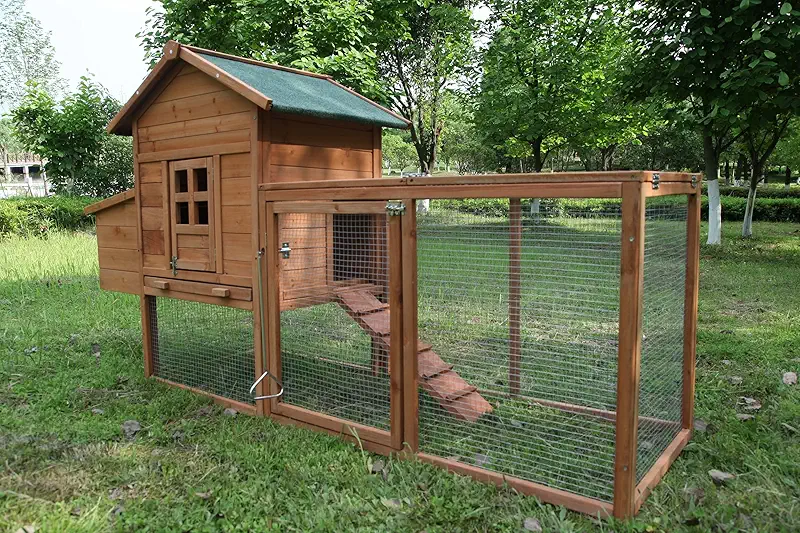
What Kind Of Lime For Chicken Coop
I’ve been raising laying hens in the U.S. for decades. I’ve tried deep litter, bare floors, sand, shavings, straw – you name it – and I’ve seen folks make every mistake in the book with lime. I’ve also seen lime save messy, stinky coops and sick flocks when it was used the right way.
When people ask me, “What kind of lime for chicken coop is best?” I always smile and say, “The kind that doesn’t burn your birds or your nose.” Let me break that down in plain talk so you don’t have to learn the hard way like I did.
The Two Main Types Of Lime (And The One To Avoid)
When you walk down the farm aisle or browse online, you’ll usually see two broad lime categories. The bags all look friendly, but they are very different once they hit the coop floor.
1. Agricultural Lime – The Coop-Friendly Kind
This is the lime you want. Agricultural lime is mostly crushed limestone – calcium carbonate. It’s mild, not caustic, and has been used safely for a long time on fields, lawns, gardens, and yes, under chickens.
- Often labeled as “agricultural lime”, “garden lime”, or just “lime”.
- Usually a pale, fine, chalky powder or small granules.
- Raises pH slowly and gently.
- Helps dry out damp bedding and cut ammonia smell.
- Safe for hens when used correctly and covered with bedding.
Around here, I keep a bag of plain ag lime in the barn all year. Costs little, saves a lot of stink.

2. Hydrated Lime – Why It Doesn’t Belong In Your Coop
Hydrated lime sounds harmless, but it’s the hot-tempered cousin in the lime family. It’s what we call “caustic”. It gets very reactive when it touches water – like the moisture in your bedding, or in your chickens’ eyes and nostrils.
- Can cause burns on feet and combs.
- Dust can irritate lungs of birds and humans.
- Too strong for regular coop use.
I watched a neighbor sprinkle hydrated lime like powdered sugar in his coop once. Two days later, his hens were coughing and lifting their feet like they were walking on hot coals. Took him weeks to get them comfortable again. You don’t need that kind of lesson.
Why Use Lime In A Chicken Coop At All?
Now you might be thinking, “If lime can be risky, why bother?” Fair question. When you use agricultural lime wisely, it gives you some real down-to-earth benefits.
How Agricultural Lime Helps
- Controls odor: Neutralizes some of the acid in droppings, cutting that sharp ammonia smell.
- Helps keep litter drier: Lime pulls a bit of moisture from damp spots.
- Discourages some parasites: Drier, sweeter bedding is less friendly to worms and flies.
- Improves soil under the coop: Over time, runoff from a mobile coop can sweeten sour soil.
What Lime Won’t Do
- It does not replace cleaning.
- It does not magically kill all germs.
- It does not excuse overcrowding or poor ventilation.
- It does not fix badly designed coops.
Lime is a helper, not a miracle worker. Think of it like a good farmhand: it makes your job easier, but you still have to show up and do the chores.
Exactly How I Use Agricultural Lime In My Coop
I’ll walk you through how I handle lime in my own henhouse. Nothing fancy – just the way that’s kept my layers laying and my nose happy for years.
Step 1 – Clean First, Lime Second
Lime on top of filth is just expensive dust. Before I reach for the lime, I:
- Scrape droppings from roost boards.
- Shovel out wet or caked bedding.
- Rake the floor so it’s mostly dry.
- Open doors and windows to let the place air out.
Step 2 – Light Dusting, Not Blizzard
With agricultural lime, less is more. I grab a small scoop or old coffee can and lightly sprinkle the floor where droppings land the most – under roosts, near feeders, and around waterers.
You should still see the floor or old bedding after you sprinkle. If it looks like it snowed in July, you overdid it.
Step 3 – Cover With Fresh Bedding
This part matters. I always:
- Spread a thin, even layer of lime.
- Immediately cover it with new bedding – shavings, chopped straw, or whatever I’m using.
- Rake lightly so there aren’t bare white patches showing.
That way, the lime works quietly underneath while the hens walk on clean, comfortable bedding.

Step 4 – How Often To Reapply
How often you freshen with lime depends on:
- How many birds you have.
- How big the coop is.
- The climate – wet or dry.
- How fussy your nose is.
For my medium-sized layers coop (about a dozen hens), I:
- Add a light sprinkle of ag lime to problem spots every 3–4 weeks.
- Do a thorough clean out with lime underneath fresh bedding 2–4 times a year.
Deep Litter Method And Lime
A lot of backyard folks use the deep litter method – letting bedding build up over time and compost in place. Done right, it can be warm in winter and easy to manage. Lime can play a small, careful role here too.
How I Mix Lime With Deep Litter
When I’m running deep litter, I:
- Start with a dry base of shavings or coarse bedding.
- Add just a very light sprinkle of agricultural lime on the floor before the first layer.
- Skip lime for a while and just add fresh, dry bedding as needed.
- If odor sneaks up later, I rake, pull out any wet clumps, then add a tiny bit of lime in low spots and cover with more bedding.
Good Partners For Lime In Deep Litter
- Plenty of carbon: Shavings, chopped straw, dry leaves.
- Dry roof: No leaks dripping onto the bedding.
- Ventilation: High vents to let moisture and ammonia escape.
- Regular stirring: A garden fork once in a while works wonders.

Safety Tips When Using Lime Around Chickens
Lime is simple, but it deserves respect. Used carelessly, even agricultural lime can be irritating. I follow a few common‑sense rules that keep both birds and farmer comfortable.
Protect Yourself First
I know, I know – we farmers like to think we’re tougher than a bag of powder. But my eyes and lungs have thanked me for a little caution.
- Wear a dust mask or at least tie a bandana over your nose and mouth.
- If the lime is very fine, use cheap safety glasses when you’re pouring or spreading.
- Don’t fling it into the air. Keep your hand low and sprinkle close to the floor.
Keep Birds Out While You Sprinkle
I like to shut the flock outside in the run while I’m working with lime. No curious hens sticking their beaks where they shouldn’t.
- Close pop doors before you start.
- Sprinkle lime, then bedding.
- Give the dust a few minutes to settle.
- Then let the hens back in once everything looks normal.

My Real-World Routine For Laying Hens
Let me lay out a typical year with my laying flock, so you can see where lime fits in with the rest of the chores.
Spring And Summer
Warm weather means more moisture and more smell. During spring and summer I:
- Check under the roosts weekly for damp, caked spots.
- Scrape and shovel as needed.
- Add a light sprinkle of agricultural lime to those damp zones.
- Cover with fresh, dry bedding.
If the coop starts smelling like a highway rest stop, I know I need more bedding, more ventilation, and maybe a small touch of lime – in that order.
Fall And Winter
In cold weather, I lean more on deep litter to keep the hens warm. Lime still has a job, just a smaller one.
- Do a good clean‑out before the deep cold arrives.
- Sprinkle a very light layer of agricultural lime on the bare floor.
- Add a thick layer of dry bedding.
- Add more dry bedding through the winter as it gets used.
- If I notice odor, I stir the litter and only then use a tiny lime sprinkle, followed by more bedding.
A Note On Run And Outdoor Areas
Sometimes people ask if they can spread lime in the chicken run or yard. With agricultural lime, I’ll occasionally sprinkle a little on muddy, smelly patches, but only when:
- The birds are locked out of that area for a while.
- Rain will wash it in and break up the dust.
- I’m careful not to make a dusty white field where they dust‑bathe.
Again, gentle and rare is the key.
What Kind Of Lime For Chicken Coop: Buying Tips
Let’s talk about picking a bag without standing in the store aisle scratching your head for half an hour. I’ve done that for you already.
What The Bag Should Say
- “Agricultural lime”, “Ag lime”, or “garden lime”.
- Ingredients list: mostly calcium carbonate.
- No warnings about caustic burns like you see on hydrated lime.
Forms Of Agricultural Lime
For coop use, I like:
- Fine or medium powder: Easy to sprinkle lightly and evenly.
- Granulated/pelletized: Less dusty, nicer to handle, but takes a bit longer to break down.
Pelletized lime can be nicer for folks with sensitive lungs, since it doesn’t puff up a big white cloud every time you scoop it.

Online, you’ll find a bunch of lime options, plus complete chicken coop kits and accessories that pair well with a clean, lime-treated floor – solid floors, removable trays, and easy‑clean designs that make the whole job less of a chore.
Other Simple Ways To Keep Your Coop Fresh
Lime is just one spoke in the wheel. A healthy, sweet‑smelling coop comes mainly from good habits.
Ventilation Beats Perfume Every Time
The best “air freshener” for a coop is a good breeze. I like:
- Vents up high on opposite walls.
- Solid roof and drafts blocked at roost level.
- Windows or openings covered with hardware cloth, not solid boards.
Ammonia rises. If it can’t get out, it sits in your hens’ faces all night. Lime helps the floor, but ventilation helps the lungs.
Right Size Coop, Right Number Of Birds
I’ve seen tiny coops packed like a Black Friday sale. No amount of lime will fix that. A simple rule of thumb:
- 4 square feet per bird inside the coop is a good minimum for layers.
- More space is even better for low odor and fewer pecking problems.

Good Coop Design Makes Lime Optional, Not Essential
A well-designed coop is easy to clean and stays dry. Look for:
- Roosts higher than nest boxes, so hens sleep where droppings are easy to scrape.
- Drop boards or trays under roosts to catch manure.
- Doors big enough for you to get in with a shovel, not crawl like a raccoon.
- A floor that doesn’t flood every time it rains.
With a setup like that, lime becomes a quiet helper instead of a crutch.
FAQ – Lime And Backyard Chicken Coops
Bringing It All Together
After years of sweeping, shoveling, and listening to hens complain in their own language, my answer to “what kind of lime for chicken coop” is simple:
- Use agricultural lime, gentle and calcium-based.
- Skip hydrated lime inside the coop.
- Sprinkle lightly, then cover with bedding.
- Rely on good design, space, and ventilation first – lime second.
Keep your birds’ home dry, roomy, and breezy, and a little ag lime underfoot now and then will help keep the place fresh without causing trouble. Your nose, your boots, and your hens will all thank you – in their own noisy way.

If you’re thinking, “Maybe it’s time for a coop that’s easier to keep clean and sweet,” you’re not alone. I’ve said that to myself more than once.
Let me see coops