
What kind of sand for chicken coop
I’ve been raising hens long enough to have shoveled about every kind of sand you can think of into a chicken coop. Some worked beautifully, some turned into a soggy, stinky mess, and one kind had my wife glaring at me for weeks. In this guide, I’ll walk you through what kind of sand for chicken coop really works in the real world, not just on paper.
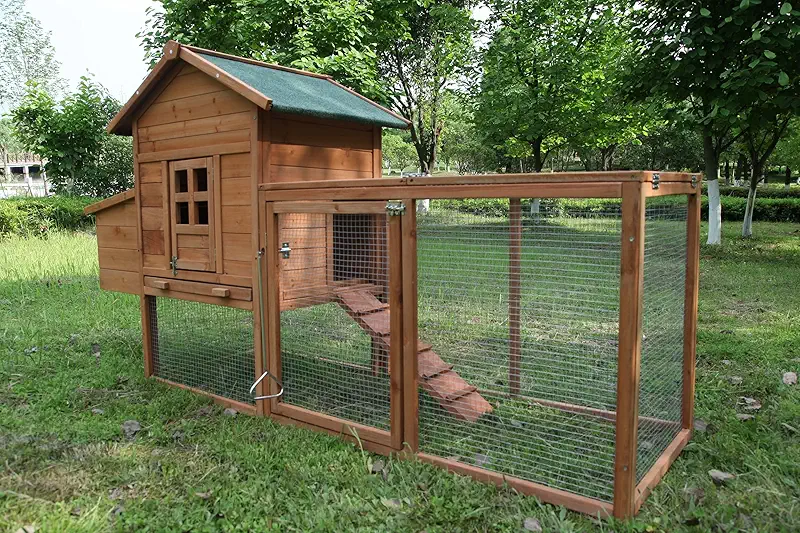
We’ll keep it simple, practical, and honest. I’ll share what I use, what I avoid, and the little tricks that keep my birds dry, clean, and laying eggs like it’s their full-time job—because it is.
Why sand in a chicken coop at all?
Before we talk about what kind of sand for chicken coop floors, we should talk about why you’d bother with sand in the first place. I’ve used straw, shavings, and even old grass clippings when I was young and broke. They all worked for a while, but once I switched to the right type of sand in certain areas, chores got faster and the coop smelled a whole lot better.
Sand is popular because:
- It drains well when you pick the right type.
- It’s easy to scoop droppings, kind of like cleaning a litter box.
- Hens love to dust bathe in it, which helps keep mites and lice down.
- It doesn’t mold like straw or old shavings can.
Now, that doesn’t mean sand is perfect everywhere. I like it best in covered runs, under roosts, and in dust-bath areas. Out in a muddy, open run, the wrong sand can turn into a sloppy soup after a good rain. So placement matters, just as much as the type.
The best kind of sand for chicken coops
When folks ask me what kind of sand for chicken coop floors they should use, my short answer is this: washed construction sand or coarse river sand. Not play sand, not super fine beach sand, and definitely not anything bagged for sandboxes.
Coarse construction sand (my go-to choice)
Coarse construction sand, sometimes called river sand or concrete sand, has grains of different sizes. There are small pebbles, medium grains, and some finer bits. That mix lets air through, helps it drain, and keeps it from packing down like hard clay.
In my main coop, I keep a good 2–3 inch layer of coarse sand under the roosts and in the covered part of the run. With a small rake and a scoop, I can clean droppings in a few minutes each day. The sand itself doesn’t smell—what smells is wet, rotting manure, and this kind of sand doesn’t stay soggy if your coop is dry.
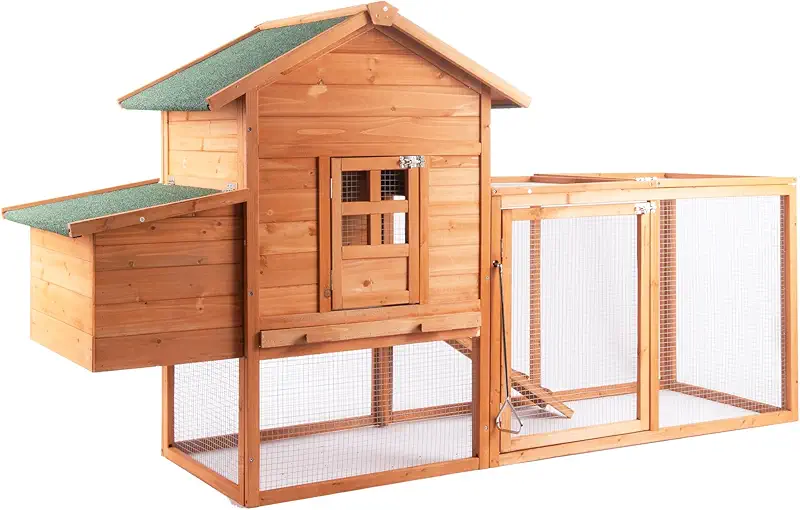
Why coarse sand works well
- Drains better than fine sand.
- Doesn’t pack as hard, so hens can scratch.
- Works well under roosts for easy cleaning.
- Less dust than play sand when it’s dry.
- Small stones help keep nails and beaks naturally worn.
Things to watch for
- Heavy to haul; plan on help or a cart.
- Needs a solid base, or it will mix into mud.
- Can get hot in full sun in southern summers.
- A bit rough if you go barefoot in the run—ask me how I know.
Washed river sand
River sand is very similar to coarse construction sand, usually with rounded grains. I like it in dust-bath tubs, old tractor tires, or a corner of the run. The hens roll in it, flap around, and shake out more drama than a daytime TV show. But that dust bath keeps feathers clean and pests off them.
If your local gravel pit or landscape yard has washed river sand, ask to see a shovel full. You want something gritty, not powdery, and definitely not just silt.
Sand you should avoid in the coop
Not all sand is good sand for chickens. Some of it is too fine, too dusty, or just not meant for living creatures to breathe in every day. A lot of new chicken keepers start with whatever is easy to grab in bags, and I don’t blame them—I did the same. But I learned fast.
Play sand and very fine sand
Play sand that you find bagged for children’s sandboxes is usually very fine and sometimes even powdered. It packs down, holds moisture, and kicks up dust. I tried it once in a small coop, and after a week my birds and I were both coughing every time I raked it.
Fine sand:
- Can hold ammonia smells from droppings.
- Creates a lot of dust inside a closed coop.
- Sticks to damp feet and eggs more than coarse sand does.

Builder’s sand that’s mostly silt or clay
I once had a load delivered that the yard called “sand,” but it was closer to powdered dirt. First rain we got, that stuff turned into a sticky chocolate pudding. The hens hated it, and so did my boots. If you squeeze a handful and it holds together like a clump of sticky mud, it’s not what you want.
Beach sand with salt
If you live near the coast, it can be tempting to scoop some beach sand. Problem is, it may have salt, mystery trash, and who knows what else in it. Salt isn’t something you want building up in your soil or on your birds’ feet. Best to skip it unless it’s truly clean and washed, and even then I prefer construction or river sand.
How much sand do you need in a coop?
When you’re figuring out what kind of sand for chicken coop floors you need, the next question is usually, “How much?” Let’s keep it simple. Start by measuring the area you want to cover—length times width—and then think about depth.
- Inside coop floor (covered, dry): 1.5–3 inches is usually enough.
- Under roosts: 2–3 inches so you can rake without scraping the base.
- Dust bath area: 4–6 inches in a tub or tire.
A little math example from my place: I’ve got a covered run that’s about 8 feet by 10 feet. That’s 80 square feet. At roughly 2 inches of depth, I needed just under a yard of sand to get a good layer (about 0.5–0.75 cubic yards). One pickup load did the trick.
If you’re not a fan of math, most landscape yards will help you figure out how many yards or bags you need once you tell them your measurements and depth.

Preparing the coop for sand
I’ve seen folks dump sand straight onto bare ground and then wonder why it turns into a swamp in fall. Before you pour in all that sand, it’s worth taking a little time to set things up right. Future you—out there in the rain with a shovel—will be grateful.
1. Start with a solid base
If you’re putting sand in a covered coop or run, make sure the area is higher than the ground around it. I like to raise it a bit so water naturally flows away.
- Scrape out any old, wet bedding and level the soil.
- If your ground stays soggy, add a thin layer of small gravel first.
- You can also use pavers or boards around the edge to keep sand from washing out.
2. Keep rain off where you can
Sand works best in covered areas. If rain is always blowing into your run, you’ll fight mud no matter what kind of sand for chicken coop floors you choose. I added a simple roof over my run with a bit of slope and one side wrapped with wire and plastic to block the worst of the wind.
3. Then add and level your sand
Once the base is ready:
- Shovel sand into the coop or run a bit at a time.
- Use a garden rake to spread it to an even depth.
- Walk through it a little; the hens will finish the job of leveling.
Don’t worry about getting it perfect on day one. Chickens love to rearrange things—they’re tiny, feathered excavator operators.
Daily and weekly care of sand in the coop
Sand can save you time, but it’s not a “dump it and forget it” bedding. Take care of it a little at a time, and it will stay clean and useful for years. I like to say that five minutes a day keeps the stink away.
Daily habits that work
- Quick scoop under the roosts. I keep a small rake and a scoop right by the coop door.
- Check for wet spots. If waterers drip or a storm blows in, rake those areas to dry them out.
- Stir dusty corners. Once in a while I fluff the sand where hens dust bathe, just to keep it from getting crusty.
Weekly and seasonal jobs
Once a week I give the whole sand area a good rake, pulling out feathers, clumps, and any surprises the hens drag in. A few times a year, I add fresh sand to replace what’s been hauled out on their feet or mixed into the soil.

Every year or two, depending on how many birds I’ve got in that space, I’ll shovel out the top layer of sand—especially under the roosts where the most droppings fall—and replace it. That keeps the ammonia and bacteria from building up and gives the hens a fresh start.
Sand, climate, and your hens’ health
What kind of sand for chicken coop floors you choose also depends a bit on where you live. My farm has hot summers and cold winters, so I’ve learned a few things the hard way. Sand behaves differently in different climates.
Hot climates
In hot southern summers, sand in full sun can heat up like a beach at noon. If your run is mostly uncovered and you live where summers are brutal, make sure your birds have:
- Plenty of shade over their sand areas.
- Cool spots with dirt, grass, or deep litter where they can rest.
- Fresh water in a shaded corner, not sitting out in the blazing sun.
I like to run my hand over the sand in the hottest part of the day. If it’s too hot for my palm, it’s too hot for their feet.
Cold and wet climates
In cold, damp places, the goal is to keep your sand dry. Wet sand and freezing temps make for hard, icy footing and cold, cranky birds.
- Use sand mainly in covered, sheltered areas.
- Make sure your coop has good ventilation but no nasty drafts at roost height.
- Consider mixing sand with some dry shavings in winter if it gets very cold where you are.

Health notes from the henhouse
With the right sand, I’ve noticed:
- Cleaner feet and cleaner eggs.
- Fewer muddy leg scales and foot problems.
- Less smell inside the coop when I keep up with cleaning.
But no matter what kind of sand for chicken coop runs you use, good ventilation is still the boss. Sand doesn’t fix a stuffy coop. Open vents up high, let that ammonia escape, and your birds’ lungs will thank you.
Dust baths: where sand really shines
If you’ve never watched a hen take a dust bath, you’re missing one of the best free shows on the farm. They flop, wiggle, and toss sand over themselves like they’re at a fancy spa. Except their spa smells like…well, chickens.
For dust baths, I use a mix:
- 2 parts coarse or river sand.
- 1 part dry soil (if it’s clean and not too clay-heavy).
- A small scoop of wood ash from the fireplace, when I have it (no lighter fluid or trash ash).
I dump this into an old plastic tub, an empty half-barrel, or a big tractor tire. I keep it under cover so rain doesn’t turn it into a mud pie. The hens line up for a turn like kids waiting for the slide.

Simple tools that make sand easier to manage
Sand is heavy, but the day-to-day care doesn’t have to be hard. A few simple tools make a big difference in how fast chores go. I may be stubborn, but I’m not afraid to work smarter.
- A small rake with close-together tines for leveling and pulling droppings together.
- A sturdy scoop or deep litter pan for picking up clumps.
- A wheelbarrow or garden cart when it’s time to add or remove sand.
- Good gloves—coarse sand can rub your hands raw after a while.
Over time, I’ve found it helpful to keep these tools right by the coop door. That way I can do a quick tidy every time I collect eggs instead of letting jobs pile up until the weekend.

If you’re setting up a new coop or reworking an old one, it can help to see different styles and setups side by side. Some designs handle sand and drainage a whole lot better than others. When I planned my last upgrade, I spent a good while studying layouts, roof lines, and how folks keep their runs dry and easy to clean.
Let me compare coopsFAQ: What kind of sand for chicken coop?
For most backyard flocks, washed coarse construction sand or river sand is the best choice. It has mixed grain sizes, drains well, doesn’t pack rock hard, and creates less dust than super fine play sand. That makes daily cleaning easier and keeps the coop fresher, as long as the area stays dry and well ventilated.
I don’t recommend play sand in the coop. It’s usually very fine and dusty. In a closed space, that dust hangs in the air every time you rake or the birds scratch, and you and your hens end up breathing it. It also tends to hold moisture and pack down, which isn’t what you want under their feet. Coarser sand is a much better long-term choice.
If you scoop droppings regularly and keep the area dry, sand can last a long time. I usually top it off once or twice a year as some gets hauled out on feet or mixed into the soil. Under my main roosts, I shovel out and replace the top layer every year or two, depending on how many birds I’ve had in that space. Your nose and your rake will tell you when it’s time.
You can, but you need to be careful. If you dump sand straight onto mud in an uncovered run, it’ll just mix into the mess. In wet climates, I use sand only in raised or covered areas—inside the coop, under roofs, or on top of a gravel base. Out in the open, it’s often better to build up the ground, add some drainage, or use deep litter with wood chips instead of pure sand.
Yes, they still need proper grit. Even though sand is gritty, the grains are usually too small and soft to work like real granite grit in their gizzards. I keep a small dish of poultry grit available free-choice, especially when they’re not out on pasture. It helps them grind feed properly and keeps their digestion running smooth.
Picking the right sand is only part of giving your hens a good home. The way the coop is built—roof, floor, doors, and run—all change how easy it is to keep things dry, clean, and healthy. If you’d like to see different chicken coop ideas and think through what might fit your yard and your flock, it helps to browse a bunch of designs in one place and let your eyes tell you what feels right.
Show me all coops