
What sand to use for chicken coop
What Sand to Use For Chicken Coop Floors and Runs
After a few muddy springs, one broken wheelbarrow, and more than one salty word muttered at the sky, I finally learned which sand keeps a chicken coop dry, clean, and friendly for laying hens. Let me walk you through it like we’re leaning on the fence together.
The short answer: use coarse, washed construction sand or river sand, never play sand. But the long answer is where the real flock-saving wisdom lives.
Why I Switched to Sand in My Chicken Coop
I’ve been raising laying hens in the States long enough to remember when everyone swore by shavings or straw. I tried both. Each spring my run turned into a swamp that smelled like it could knock a buzzard off a manure wagon. The girls slogged around with muddy feet, and egg boxes got messy fast.
One year, after digging out a foot of wet bedding for the third time, my neighbor Earl leaned on the gate and said, “You know, if the beach stinks like this, they’d close it.” Then he told me about using sand in the coop and run. I rolled my eyes first, then I tried it. Been a sand believer ever since.
Sand, when you pick the right kind, works almost like a giant litter box for chickens. It drains, it dries quick, and with a daily scoop it stays fresh. My hens stay cleaner, eggs stay cleaner, and I don’t spend weekends wrestling with wheelbarrows full of soggy bedding.
What Sand to Use for Chicken Coop: The Best Types
Not all sand is the same. That soft powdery play sand at the store? Too fine. Think of it like flour – dusty, packs tight, and hard on lungs and feet. Your chickens need sand that acts more like tiny pebbles than baby powder.
Here are the types that have worked best for my coops and runs:
1. Coarse washed construction sand (my top pick)
This is the kind most of us farmers use for concrete and general building. Grains are bigger, irregular, and it often has small pebbles mixed in. My birds dust bathe in it like they’re at a day spa.
- Drains water fast
- Doesn’t pack down like cement
- Easy to sift with a scoop
- Less dusty than play sand
2. River sand
River sand is another great option if you can get it. It’s usually rounded, with varied grain sizes. My older hens seem to like it for scratching and gentle dust baths.
Just be sure it’s clean, washed, and not full of silt or clay. Too much fine stuff and you’re back to mud and dust.

Coarse sand in the run keeps feet dry, eggs cleaner, and makes daily clean-up more like scooping a cat box than shoveling a swamp.
Why Sand Works So Well in a Chicken Coop
- Fast drainage: Rain soaks through instead of puddling on top.
- Easy cleaning: A simple scoop each day removes droppings.
- Less smell: Dry manure smells less and breaks down slower.
- Happier feet: No more standing in mud or slimy shavings.
- Good grit source: Coarse grains help digestion along with regular grit.
Where Sand Can Be Tricky
- Heavy to move: You won’t be tossing it around with a plastic shovel.
- Cold in winter: In bitter climates, deep litter may be better inside.
- Wrong sand = dust: Play sand and masonry sand can be too fine.
- Need a solid base: Without good drainage under it, even sand can get sloppy.
Sand Types to Avoid in Your Chicken Coop
When folks ask me “what sand to use for chicken coop,” I always answer with what not to use first. Saves a lot of sneezing and regrets.
Play sand
Play sand is made for toddlers’ fingers, not chickens’ lungs. It’s ground super fine and often dusty right out of the bag. Put that in a coop, and every time your hens scratch or dust bathe, the air fills with a cloudy mess.
Chickens have small lungs. Breathing that dust all day is rough on them and on you. I made that mistake once in a brooder. Took one afternoon of coughing to shovel it all back out.
Masonry sand
Masonry sand is finer and smoother than construction sand. It can pack down hard, especially if it gets wet and then bakes in the sun. Chickens like to dig and scratch. A packed pad of sand is like dancing on concrete.
Beach sand
Beach sand is tempting if you live nearby, but it usually comes with salt and sometimes pollutants. Salt and chickens don’t mix well, and you don’t want to track that into your soil or garden either.
Sand mixed with clay or topsoil
Every once in a while a “good deal” comes along on fill sand. If it’s got a lot of clay or dirt in it, you’re mostly buying mud in disguise. When it rains, it clumps and sticks to boots and feet just as bad as regular soil.

A raised, sand-filled run lets hens stay outdoors even after a good soaking rain.
How Deep Should Sand Be in a Chicken Coop or Run?
Once you figure out what sand to use for chicken coop floors, the next question is how much. Too shallow and droppings pile up fast. Too deep and you’ve just built yourself a backyard sandbox.
In the outdoor run
- Minimum depth: 3–4 inches
- Ideal depth: 4–6 inches if your soil is heavy or you get a lot of rain
I like to build the run up a little higher than the ground around it. Think of it like a raised bed for chickens. That way rainwater runs away from the run, not into it.
Inside the coop
Inside, I keep sand a bit shallower:
- About 2–3 inches on the floor
- A little extra under the roosts where droppings fall the most
In colder climates, some folks prefer deep litter (like shavings or straw) inside in winter and sand in the run year-round. On my place, where winters are cold but not brutal, sand inside and out has worked just fine with good ventilation.
How to Set Up a Sand Floor the Right Way
I learned the hard way that you can’t just dump sand on a low, soggy spot and expect magic. You need to think about drainage and foundation first, just like building a little house for your flock.
Step 1: Pick a dryish, well-drained spot
If you’re still choosing where your coop and run will sit, look for a slightly higher patch of ground. Avoid the places where puddles always show up after rain. Water runs downhill. Put your chickens where the water doesn’t plan to vacation.
Step 2: Scrape, level, and lift
- Scrape off any sod, deep mud, or big roots.
- Use leftover soil, gravel, or old bedding to build up low spots.
- Create a gentle slope so water can run out, not in.
Step 3: Add a base layer (optional but helpful)
In my wettest run, I added a thin layer of gravel (around 1–2 inches) under the sand. That gave the water somewhere to go and kept the top layer from staying soggy. If your soil is already sandy or loose, you may not need this.
Step 4: Add your sand layer
Spread your coarse construction or river sand evenly. Aim for the depths we talked about earlier. Don’t worry if it’s not perfect; your hens will help do the final leveling with their scratching.
Step 5: Fence and roof considerations
If your run has a solid roof, that’s ideal with sand. Less rain means cleaner, drier footing. If your run is open on top, just expect to replace or top up sand more often in heavy-rain areas.
Daily Cleaning and Long-Term Care of Sand in the Coop
Folks sometimes ask if sand is “high maintenance.” I tell them this: I spend less time with a scoop each morning than I used to spend wrangling full wheelbarrows once a month.
My simple daily routine
- Grab a kitty litter scoop or small rake.
- Scoop under roosts and around feeders and waterers.
- Toss droppings into the compost or manure pile.
Takes me longer to drink a cup of coffee than it does to tidy the coop most mornings.
Weekly and seasonal chores
- Rake the sand lightly to break up any crusted spots.
- Top up low areas now and then where sand has migrated.
- Once or twice a year, shovel out the older sand from heavy-use spots and replace with fresh.
Over time, droppings and dust mix into the sand, especially in tight indoor spaces. That’s normal. If it starts to look more like dirt than sand, it’s time to refresh.

A simple scoop under the roosts each morning keeps the whole coop fresh and cuts down on smell.
Keeping dust under control
Even good sand can get a little dusty in hot, dry weather. Here’s what’s helped on my place:
- Good ventilation high up on coop walls so dust can escape.
- A light mist of water now and then on extra-dry days.
- A separate dust bath with ashes and dirt so hens don’t overwork their sand floor.
Remember, the better the sand choice at the start, the less dust trouble you’ll fight later.

Hens love a good dust bath. The right sand mix keeps feathers clean and mites away.
Sand, Dust Baths, and Hen Health
Chickens don’t bathe in water like we do. They bathe in dust. Looks odd at first, but that rolling and flapping in dry material keeps their skin healthy and helps control mites and lice.
Using sand as part of a dust bath
The best dust bath I’ve put together had:
- Coarse sand (about half of the mix)
- Some dry soil or composted dirt
- A scoop of wood ash from clean, untreated firewood
Put that in a low box, old tire, or a corner of the run that stays dry. My girls dive into it like kids into a pile of autumn leaves.
Foot health on sand
One of the best changes I saw after switching to sand was in foot health. Less mud means less chance of small cuts getting infected. Coarse sand also gently wears down nails, so I don’t end up with hens sporting talons like a hawk.
Egg cleanliness
With less mud and muck on their feet, my hens track fewer messes into the nest boxes. That means cleaner shells, fewer washes, and less chance of bacteria sneaking through the pores of the eggs.
Sand in Different Climates: What I’ve Seen
What sand to use for chicken coop floors doesn’t change much across the country, but how it behaves sure does. Over the years I’ve talked with farmers and backyard keepers from dry deserts to damp coastal hills, and here’s how sand has played out.
In hot, dry areas
- Sand stays dry and clean easily.
- Shade is important so it doesn’t bake like an oven.
- A quick evening mist with the hose can cool things down.
In wet, rainy regions
- Drainage underneath is the real hero – gravel or a raised pad helps.
- A roof over at least part of the run makes a big difference.
- You may need to top up sand a few times a year as some washes away.
In cold, snowy places
I know keepers up north who swear by sand in the run and deep bedding inside the coop for winter. In freezing weather, sand outside gives chickens a solid, non-muddy place to stand as snow melts and refreezes.
Inside, if your winters are harsh, you might:
- Use sand under the roosts to catch droppings.
- Use straw or shavings in other parts of the coop for warmth.
Chickens handle cold better than damp. Sand helps keep “damp” from being the main story.
Choosing Sand When You’re Buying Online
Sometimes you can’t haul a truckload from the local yard, or you just want something bagged and ready. That’s when it helps to know what to look for in product descriptions.
Words I look for
- Coarse or multi-purpose construction sand
- Washed sand
- Natural river sand with varied grain sizes
Words that make me cautious
- “Ultra fine” or “powdery”
- “Play sand”
- “Masonry finish sand” or “plaster sand”
I also like to check photos if they’re available. If the sand looks like sugar or flour, I move along. If I can see bits of grit and small pebbles, I’m more interested.

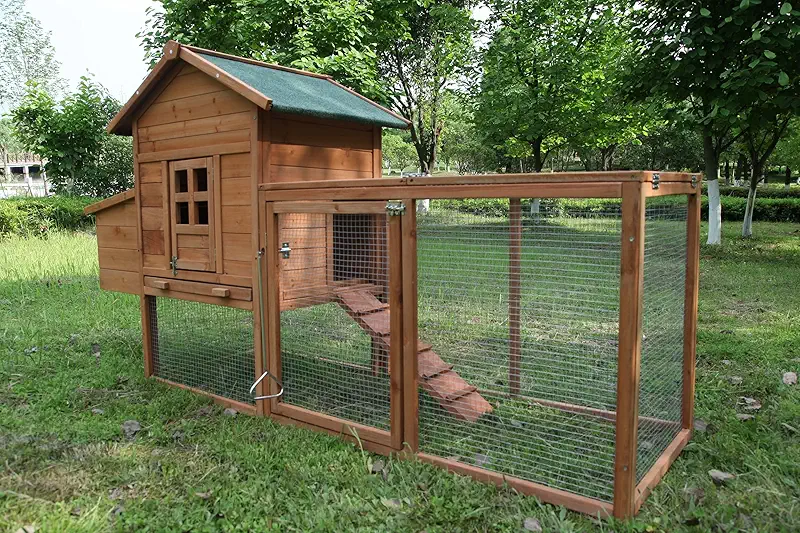
Many ready-made coops pair well with a sand floor, especially when raised slightly off the ground.
If you’re planning a new setup or thinking about changing your current one, it helps to see how different coops look with sand runs, raised floors, and covered areas. That’s how I got half my ideas over the years – studying what other folks used and then tweaking it for my own birds.
Let me browse coops
A calm, clean coop keeps hens laying steady and makes early chores a lot more pleasant.
Real-World Results from Switching to Sand
When I finally figured out what sand to use for chicken coop floors and switched over, I didn’t expect such a big difference. I honestly just wanted less mud. But here’s what I saw within a few weeks:
- Hens spent more time scratching and dust bathing, less time standing still in wet spots.
- Feet stayed cleaner. I saw fewer little cuts and less swelling.
- Eggs came in cleaner, which meant less washing and fewer cracked shells.
- The coop smell mellowed out. Still smells like a coop, but not like a storm drain.
The part that surprised me most was how much more I enjoyed stepping into the coop. When your boots stay dry and the floor doesn’t suck them off, you tend to visit your birds more. And the more you’re out there, the quicker you spot problems before they grow.
My hens might not write thank-you notes, but the steady egg basket and easygoing clucking say enough.
Bringing It All Together: The Right Sand for Your Flock
So, after years of muddy boots and plenty of trial and error, here’s my plain-spoken answer to the question of what sand to use for chicken coop floors and runs:
- Choose coarse, washed construction sand or river sand.
- Avoid play sand, masonry sand, and beach sand.
- Plan for drainage before you ever dump the first load.
- Keep it 3–6 inches deep outside, 2–3 inches inside.
- Scoop it a little each day and it stays fresh.
Your hens don’t need anything fancy – just dry feet, clean feathers, and a floor they can scratch and dust-bathe in. Pick the right sand once, and it’ll quietly make your chicken keeping easier for years.

Matching a solid coop with the right sand floor gives your flock a steady, clean home base in every season.
FAQ: What Sand to Use for Chicken Coop
If you’re ready to give your flock a dry, steady home with the right sand under their feet, it can help to look over different coop styles and imagine where that sand floor and run will go. Doors, ramps, and run size all play a part in how easy your daily chores will feel.
Show me all coops