
Winter chicken coop
Winter Chicken Coop: How I Keep My Hens Cozy When The Snow Bites
I’ve been raising laying hens on our little U.S. farm for more years than I care to count. We’ve had winters where eggs froze solid before breakfast and mornings when the wind cut sharper than a rusty fence wire. Through all that, one thing became very clear: a good winter chicken coop is not a luxury, it’s survival gear.
I’ll walk you through what actually works in a winter chicken coop, the things I learned the hard way, and how you can set up a place where your hens stay dry, safe, and still feel like laying you breakfast.
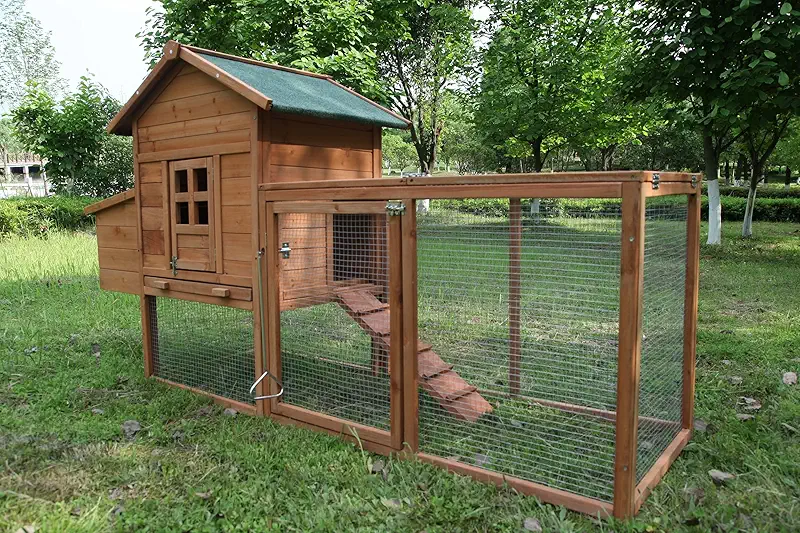
What A Winter Chicken Coop Really Needs (From A Farmer Who’s Shoveled Too Much Snow)
When folks ask me about winter chicken coops, they usually start with one question: “How do I keep them warm?” Truth is, warmth is only half the story. Dryness and fresh air are just as important. A winter chicken coop that’s warm but damp will make birds sick faster than any blizzard.
I’ve seen hens handle single‑digit temperatures just fine as long as they’re dry, out of the wind, and not standing in drafts. Chickens wear down jackets, after all. The winter chicken coop’s job is to help that natural insulation do its work.
Dry Floors, Dry Feathers, Happy Birds
One year I got lazy and let some melted snow soak into the coop bedding. By mid‑January it smelled like a wet barn boot. My hens started coughing and comb tips turned a bit pale. I learned my lesson.
- Keep the floor high and dry: if the coop sits in a low spot, rain and meltwater will sneak in.
- Use deep, dry bedding: I like dry pine shavings and a layer of straw on top.
- Fix leaks early: even a small drip can turn a corner of the coop into a cold swamp.
Ventilation Without Drafts
This is where many folks get mixed up. A good winter chicken coop must breathe, but not blow. You want the moist, warm air to rise and escape up high, while the birds sit in calm air down low.
I cut vents up near the roofline and cover them with hardware cloth. Air sneaks out, but the wind doesn’t hit the hens directly.
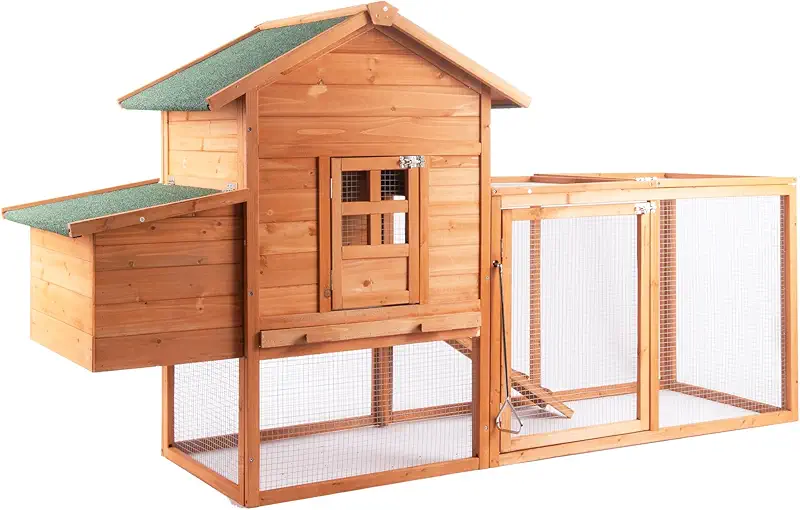
Strong Roof And Solid Doors
Winter storms will test every weak spot in a chicken coop. I had one old shed roof collapse under a wet snow load. Thankfully the birds were out, but I took that as a personal sermon from Mother Nature.
- Make sure the roof can shed snow and doesn’t sag.
- Doors should close tight, with no big gaps at the bottom for drafts or critters.
- Latches should be easy to open with gloved hands. You’ll thank me on a 5 a.m. feeding in January.
Insulation, Heating, And The Truth About “Too Cold”
I’m going to say something that surprises a lot of new chicken keepers: most laying hens don’t need a heater in a winter chicken coop. What they need is a dry shelter, tight from drafts, with decent bedding and the right roosts.
My Rule For Insulation
When I started out, I stapled old feed bags inside the coop and called it insulation. The hens survived, but I learned to do better.
These days, I look for or build a coop with:
- Solid walls (not bare wire on three sides).
- Some insulation or at least double‑wall panels on the coldest sides.
- No giant air gaps around doors and windows.
You don’t need a luxury cabin, just something between your hens and that north wind.

When I Consider Safe Supplemental Heat
I’ve only used supplemental heat in two situations: bitter cold spells below what our birds are used to, and older or sick hens that need a helping hand.
If you do use heat, avoid open heat lamps hanging by a prayer. I’ve seen more barns burned that way than I care to remember.
- Use enclosed, low‑wattage panel heaters, mounted securely.
- Keep wires out of pecking range and off wet floors.
- Heat just enough to take the edge off, not turn the coop into a sauna.
Roosts: The Hens’ Nighttime Heaters
Roosts are where your chickens turn themselves into a fluffy heating system. Hens huddle together, cover their feet with feathers, and keep each other warm.
- Use a wide roost (like a 2x4 laid flat) so hens can cover their toes.
- Place roosts higher than nest boxes, so they don’t sleep where they lay.
- Keep roosts away from direct drafts from doors or windows.
I always say, if the hens are roosting calmly and not puffed into tight little balls, the coop is doing its job.
Water, Feed, And Light In A Winter Chicken Coop
The first winter I had hens, I must have kicked ice out of waterers twice a day. My wife said I spent more time caring for chicken water than our truck. She might’ve been right.
Keeping Water From Turning Into Ice Sculptures
Chickens won’t drink ice. They need fresh, unfrozen water every day, or egg production and health both suffer.
- Use a heated waterer base or a well‑designed heated water unit if your area freezes hard.
- Place water inside the coop or a sheltered run so wind doesn’t freeze it as fast.
- Raise waterers a bit off the floor to keep bedding from falling in.
In milder climates, just swapping fresh warm water a few times a day can be enough.

Winter Feed: Fuel For The Coop Furnace
Your hens burn more calories keeping warm, just like we do stacking wood or shoveling snow. I notice my flock eats heavier rations once the first frosts settle.
- Offer a good quality layer feed free‑choice.
- Add a little cracked corn or scratch in the late afternoon so they go to bed with full crops.
- Keep feeders dry and protected from wild birds and rodents.
Light And Egg Production
Hens lay best with 14–16 hours of light. Short winter days can slow them down, and that’s natural. Some folks add a small light in the winter chicken coop to keep eggs coming.
I like a simple approach:
- Use a low‑wattage bulb on a timer in the early morning, not late at night.
- Give hens at least eight hours of real darkness to rest.
- Watch your flock: if they look stressed, ease back on the light.
A gentle bump in light can give a few more eggs without pushing the birds too hard.
Design Details That Make A Winter Chicken Coop Easier To Live With
It’s one thing to design a winter chicken coop for chickens. It’s another to design it for a tired farmer with cold fingers. I like a coop that keeps me from muttering under my breath before sunrise.

Access For You, Not Just The Birds
A coop that’s too low or cramped is cute in summer and miserable in January. When I pick a design or plan a build, I look for:
- Full‑height or at least comfortable kneeling access.
- Big doors that open wide so I can shovel out bedding.
- Easy‑reach nest boxes, ideally from the outside.
Remember, you’re the one carrying buckets in and out all winter. Give yourself some mercy.
Raised Floors And Predator Protection
A raised winter chicken coop stays drier, is easier to keep clean, and makes it harder for predators to dig in. I’ve battled more than one hungry raccoon and fox over the years.
- Raise the coop off the ground on blocks or skids.
- Use hardware cloth, not chicken wire, for any lower openings.
- Close pop doors at night, especially in winter when predators are extra hungry.
Outdoor Runs In Snowy Weather
Even in winter, my hens like to step outside, scratch around, and complain about the weather—kind of like the old guys at the café. A covered run attached to your winter chicken coop makes this easy.
- Cover at least part of the run to keep snow off.
- Add straw or leaves on top of packed snow so hens feel safe walking.
- Block the worst wind with boards or tarps on one or two sides.

Simple Winter Care Routine For Laying Hens
A good winter chicken coop makes daily chores pretty quick. Here’s what my usual cold‑season routine looks like these days.
Morning Check
- Open the coop door and say good morning (the girls expect it).
- Check water and knock out any ice, or top up the heated waterer.
- Fill feeders and scatter a little scratch in the run to get them moving.
- Grab any early eggs so they don’t freeze and crack.
Evening Check
- Count hens on the roost. Everybody should be inside and accounted for.
- Close pop doors and make sure latches are tight.
- Quick sniff test: no strong ammonia smell should hit you in the face.
Weekly And Monthly Jobs
Once a week I give the winter chicken coop a closer look. It doesn’t take long, and it saves headaches later.
- Stir or top up the bedding in high‑traffic spots.
- Wipe poop off roosts and nest box edges.
- Check roof, vents, and walls for leaks or chewed spots.
Once a month, if the weather cooperates, I crack doors and vents open wide for a few daytime hours and let the coop air out good while the hens are outside.

Watching The Birds, Not Just The Thermometer
The best winter tool you own isn’t a thermometer, it’s your eyes. I watch the flock more than I watch the weather report.
- Hens should move around, scratch, and chatter, even if a bit slower than summer.
- Comb and wattles should be bright and supple, not pale or crusted.
- Breathing should be quiet; no wheezing, clicking, or coughing.
If something looks off, I start by checking the basics: bedding, drafts, water, and feed. A winter chicken coop can usually be tuned up with small fixes before problems get serious.
FAQ: Winter Chicken Coop And Cold‑Weather Laying Hens
If you’d like to look over different styles and sizes, from small backyard setups to sturdier winter‑ready builds, you can browse a wide range of options that match what we’ve talked about here.
Wrapping It Up: Building A Winter Home Your Hens Can Trust
A good winter chicken coop doesn’t have to be fancy, but it does have to be honest. The walls should keep out the wind they say they’ll keep out, the roof should hold the snow it promised to hold, and the doors should close every night, even when the latch is wearing a coat of ice.
Over the years, I’ve come to think of the coop as part of the flock. If it’s sound and well planned, the birds stay healthy, eggs keep coming, and winter feels more like a season and less like an enemy.
Whether you’re just starting with your first handful of hens or upgrading from a wobbly old shed, taking the time to choose or build the right winter chicken coop will pay you back in peace of mind every cold morning you walk out there with a bucket.
Run your hand along the boards, check the latches, picture those hens lined up on the roosts with their heads tucked into their feathers. If you can imagine them looking content while the wind howls outside, you’re on the right track.
And if you need ideas, there are plenty of solid, practical coops out there that already have most of these details worked out for you.

When you’re ready to look around and see what might suit your yard and your winters, take a quiet minute and stroll through the different chicken coops available. One of them might just look like home for your flock.