
Wood chicken coop
I’ve raised laying hens for decades out here in the States, through hot summers, icy winters, and the occasional nosy raccoon. A solid wood chicken coop has always been the heart of my flock. Let me walk you through what really matters when you pick one, so your birds stay safe, dry, and busy laying breakfast for you.
Let me see options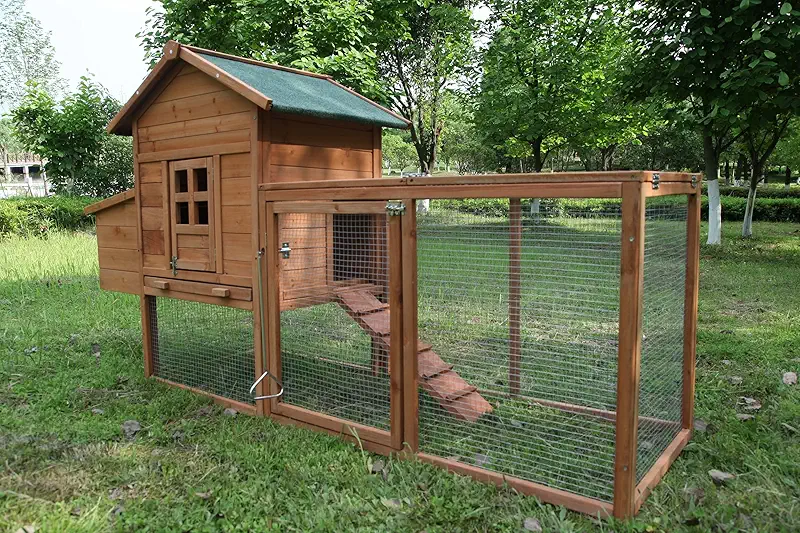
Why I Still Trust A Wood Chicken Coop After All These Years
I grew up on a small farm where my granddad used to say, “Treat the coop like your own house, and the hens will treat you with eggs.” Over the years I’ve tried metal sheds, a converted doghouse, and one of those flimsy plastic things that blew halfway into the cornfield during the first real storm. I always came back to a good, sturdy wood chicken coop.
Wood breathes with the seasons. It stays cooler in the summer and holds warmth better in winter. When the wind howls across the fields here, you can hear it whistle through the trees, but inside a solid wooden coop, my hens are usually more worried about who gets the best roost than about the weather.
Another reason I like wood is that it’s friendly to fix. A hinge comes loose, a board splits, a latch needs moving – I grab my drill, a couple screws, and ten minutes later it’s handled. With a wood chicken coop, you’re not stuck with what you bought; you can tweak, patch, and improve it as you learn what your hens need.
Over the decades I’ve noticed something else: hens seem calmer in wood. Maybe it’s the way sound is softened, or the more natural feel, but they settle down faster at night. I always say a calm hen lays better than a stressed one. It’s not science in a lab, but it’s the truth I see in the egg basket.
Key Things To Look For In A Wood Chicken Coop
Before you bring home the first pretty coop you see online, slow down a minute. I’ve made that mistake. The paint looked nice, the little window was cute, but the nest boxes were all wrong and cleaning it was a back-breaking circus. Here are the things I look for now when I choose a wood chicken coop.
- Sturdy frame: 2x2 or 2x4 framing, not thin little sticks that wobble.
- Thick panels: Solid wood or good-quality plywood, not flimsy particle board.
- Real hardware cloth: On vents and windows, not cheap chicken wire alone.
- Easy access: Big clean-out doors and easy-to-reach nest boxes.
- Raised off ground: Keeps the floor dry and less tempting for critters.
- Good roof: Water-tight and with a bit of overhang to push rain away.
When you look through different wood chicken coop models, picture yourself in your boots on a wet, cold morning. Can you reach in easily to grab eggs without crawling on your knees? Can you rake out the old bedding with one arm while the other hand holds your coffee? Those are the honest tests.
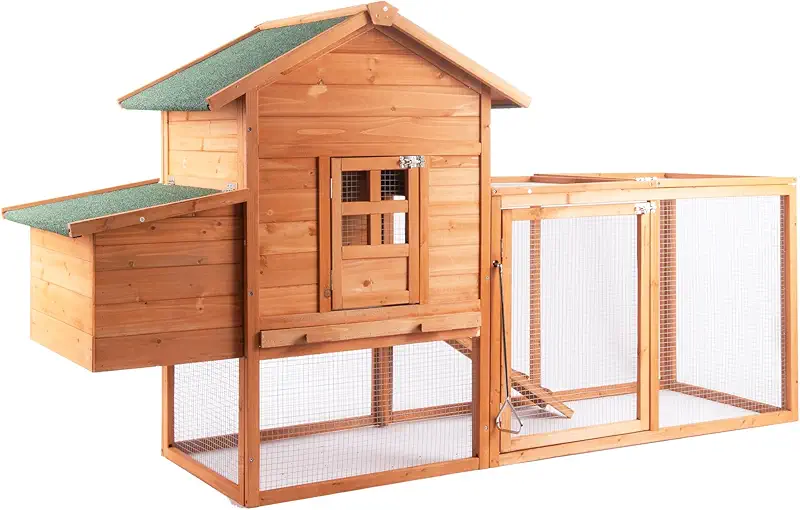
How Big Should Your Wood Chicken Coop Be?
I get asked this all the time, usually by folks who just picked up “a few chicks” from the feed store. Then those “few” turn into twelve, and suddenly everyone is sharing one cramped roost like it’s a crowded bus. Planning coop size is one favor you can do for your future self.
As a rule of thumb, I like at least 4 square feet of indoor space per hen if they have a run, and more if they’re staying inside longer during winter. So for six hens, I’m looking for at least 24 square feet inside the wood chicken coop, and a generous outdoor run where they can stretch, scratch, and complain about each other.
Perches matter, too. I give each hen about 8–10 inches of roost space. They’ll try to cram together like sleepy kids at a slumber party, but when it’s hot, they spread out. You don’t want your lowest-ranking hen stuck with nowhere to sit but the floor.
Nest boxes are another piece folks overlook. One box for every three to four hens is usually plenty. Don’t be surprised if they all decide one box is “the good one” and line up like it’s a restroom at the fair. Hens are funny like that. Just make sure the boxes are cozy, filled with dry bedding, and placed a little lower than the roosts so they don’t try to sleep in them.
Ventilation, Drafts, And Keeping Hens Comfortable

One of the biggest lessons I learned the hard way is that airflow is more important than raw warmth. A wood chicken coop that seals up tight like a cooler will end up damp, and damp birds get sick. You want fresh air coming in high, and bad air drifting out, without blowing across the hens’ backs.
Look for:
- High vents under the eaves – covered with hardware cloth to keep out raccoons and curious little hands.
- Windows you can open in summer and close most of the way in winter, leaving just enough gap.
- No big gaps at roost height – drafts right at sleeping level will chill them.
In winter here, it gets cold enough that the water freezes solid in a metal bucket overnight. My wood chicken coop stays dry because the moisture from their breath and droppings has a way out. I’ll close things down when the wind is wild, but I never completely seal it. Dry and slightly cool is better than warm and damp.
In the summer, I open up everything that’s safe, so the coop breathes like a barn. With a wood structure, it already insulates a bit, so good ventilation keeps it from turning into a sauna. Trust me, a hot hen is a cranky hen, and cranky hens like to peck their roommates.
Predator-Proofing Your Wood Chicken Coop
Out here we joke that everything with teeth or claws thinks a wood chicken coop is a snack bar. Raccoons, foxes, coyotes, stray dogs, even the occasional hawk waiting for someone to wander outside – they all test your setup. My rule: assume something is trying to get in every single night.
When I look over a coop, I walk around it slowly at dusk with a flashlight and ask myself, “If I were a raccoon with nimble little fingers, where would I start?” Sounds silly, but it works.
- Hardware cloth, not chicken wire. Chicken wire keeps chickens in; it does not keep predators out. Hardware cloth is tougher and worth every penny.
- Solid latches. If a child can open it easily, so can a raccoon. I like carabiners or two-step latches.
- Raised floor or buried wire. Predators dig. A raised wood floor or a wire apron around the coop helps.
- No finger-wide gaps. If you can slide two fingers through a crack, something can reach in and grab toes.
The first night I truly tested one of my wood chicken coops, I saw muddy paw prints all over the door in the morning. Every latch was scratched, but nothing got in. That’s when you know the coop did its job. It’s a good feeling, and your hens will thank you in their own way – usually by clucking like gossiping old ladies while they line up for breakfast.
Show me safe coopsEveryday Life With A Wood Chicken Coop
Life with laying hens is a rhythm. Open the coop in the morning, feed and water, gather eggs, close everyone up at night. A good wood chicken coop fits into that rhythm so smoothly you barely notice it.
On my place, I like to sprinkle fresh shavings on the floor every few days and do a full clean-out every couple of weeks, more often in wet weather. With a wooden floor and walls, it’s easy to scrape off any stuck mess, then let it dry. The coop smells like a barn should – earthy, but not sour.
I hang the feeder and waterer so they’re at the hens’ shoulder height. Keeps them from kicking every bit of bedding into their breakfast. I learned that after one too many mornings scooping out soggy shavings.
The best part, for me, is evening. The sun slides down behind the trees, everything goes quiet, and the hens start putting themselves to bed. I walk out, close the wood coop door, and listen to them settling in. A few soft clucks, a shuffle of feathers, and you know they’re safe and dry for the night.

Keeping Your Wooden Coop In Good Shape
Wood is tough, but like any farmhouse, it appreciates a little care. I like to think of my wood chicken coop like an old truck: treat it right, and it’ll outlast you.
Once or twice a year, usually spring and late summer, I do a “deep check” of every coop:
- Look for soft or rotting spots near the ground and corners.
- Check all hinges, latches, and screws – tighten or replace as needed.
- Refresh any worn paint or stain on the outside.
- Rinse and scrub the inside on a warm, dry day so it dries quickly.
I prefer a non-toxic exterior stain or paint that can stand up to rain and snow. Bright colors are fun, but I lean toward earthy tones that blend into the yard. Hens don’t care about fashion; they just want dry feet and a safe roost. Still, I’ve seen some sharp-looking coops painted like little barns, and there’s nothing wrong with enjoying the view while you’re out doing chores.
Over the years, I’ve added little touches: an extra vent here, a small shelf there, a hook for my egg basket. Wood makes that easy. You can screw in a hook in two minutes, and suddenly your morning routine is smoother. A wood chicken coop grows with you as you learn more about your birds.

Setting Up The Perfect Spot For Your Wood Chicken Coop
Where you place your coop matters almost as much as which one you pick. I’ve tried shady corners, wide-open spots, and one terrible low spot that turned into a mud pit every spring. The hens complained louder than my back did.
When you choose a place for your wood chicken coop, keep these in mind:
- High, dry ground – Water should run away from the coop, not pool around it.
- Morning sun, afternoon shade – A little sun helps dry things; shade keeps the heat down in summer.
- Close enough to your house – So you can hear if something’s wrong at night and not dread walking out there in bad weather.
- Room for a run or free-range area – Hens need space to scratch and explore.
My favorite setup is a wood chicken coop facing east, catching that gentle morning light, with a run that gets some afternoon shade from a tree or fence. The hens come out, shake off the night, and head straight for their breakfast like clockwork.

Raising Happy Laying Hens In A Wood Chicken Coop
A wood chicken coop is only part of the story. The rest is how you care for the flock. Over many seasons, I’ve picked up a few habits that keep my hens laying steady and staying healthy.
- Regular routine: Open, feed, water, and close at roughly the same times every day. Hens love routine even more than farmers do.
- Clean, dry bedding: I use pine shavings in the coop and nests, and I keep it dry. Damp bedding is your enemy.
- Good feed and grit: Layer feed, some free-choice grit, and crushed oyster shell for strong shells.
- Fresh water: Sounds simple, but it’s the easiest thing to overlook on a busy day.
- Shade and dust baths: A spot where they can bathe in dry dirt keeps mites off and hens happy.
Some of my best memories are standing beside the coop with a cup of coffee, watching the hens scratch around and argue over one worm like it’s a gold bar. A good wood chicken coop gives them a safe base to live those silly little dramas every day.

Different Styles Of Wood Chicken Coop
These days, there’s a wood chicken coop for just about every kind of yard and flock size. Over time I’ve tried a few styles, and each has its place.
- Compact backyard coopsSmall flocks – Great for city or suburb lots, usually holding 3–6 hens. Easy to tuck along a fence line.
- Walk-in wood coopsEasy cleaning – Taller, with a people door. Your back will thank you when it’s time to clean.
- Coop-and-run combosAll-in-one – House on top, run below or beside. Handy if you want a simple setup that’s ready to go.
- Portable “tractor” coopsFresh grass – Lightweight wood frames you can move around the yard, letting hens graze new spots each day.
I keep a mix: one larger walk-in wood chicken coop for my main laying flock, and a smaller tractor style for young pullets learning the ropes. That way everyone has a place that suits their age and size.

FAQ – Common Questions About A Wood Chicken Coop
1. How many hens can I keep in a wood chicken coop?
It depends on the size, but I like to use at least 4 square feet of indoor space per bird if they also have a run. So a 24-square-foot coop would be good for about six hens. If your winters are long and they’ll be cooped up more, give them extra room. Crowded birds get stressed, and stressed hens lay fewer eggs and pick on each other.
2. Will a wooden coop last in harsh weather?
With a decent roof, proper paint or stain, and a little yearly maintenance, a well-built wood chicken coop can last many years, even with snow, rain, and strong sun. I’ve got one older coop that’s over a decade old; I’ve replaced a few boards, but the frame is still solid. Keep the ground around it dry and fix small issues early.
3. Is wood safe from predators?
Wood itself is fine as long as it’s thick enough and paired with strong hardware. The key is solid framing, good latches, and hardware cloth over openings. I’ve lost birds when I got lazy about those details; once I tightened things up, the night raids turned into nothing but muddy paw prints and frustrated raccoons.
4. How often should I clean a wood chicken coop?
Light cleaning every few days, with a deeper clean every couple of weeks, works well for most small flocks. In winter, I sometimes use a “deep litter” method, adding fresh bedding regularly and turning it over, then doing a full clean-out when the weather warms. Whatever method you choose, keep it dry and keep the air moving.
5. Is a wood chicken coop better than plastic or metal?
For my climate and the way I keep birds, yes. Wood breathes better, is easier to repair, and stays more comfortable through the seasons. Plastic can get very hot and brittle, and metal can sweat with condensation in cold weather. Every material has its place, but if I had to choose one for backyard layers, I’d still choose a sturdy wood chicken coop.