
Wood Chips For Chicken Coop
Wood Chips For Chicken Coop: How I Keep My Hens Dry, Clean, And Laying Strong
I’ve been raising laying hens in the States for more years than I care to count. I’ve tried straw, shavings, sand, and even some things I’m a little embarrassed to admit. Out of all of it, good wood chips in the chicken coop have saved me more time, money, and boot scraping than anything else.
In this guide I’ll share how I use wood chips for chicken coop bedding on my farm: what kind to choose, how deep to spread them, how often to refresh them, and a few hard‑earned lessons from early mistakes (yes, I learned the hard way that chickens and fresh cedar don’t mix).
Grab a cup of coffee, think about your hens, and let’s talk about keeping that coop smelling like a forest instead of a barnyard.
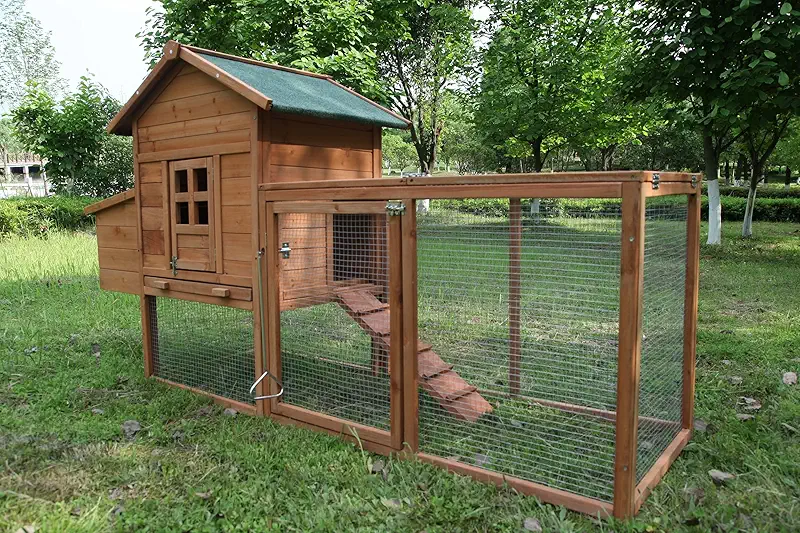
One of my coops bedded deep with clean wood chips. The girls approve.
Why Wood Chips Work So Well In A Chicken Coop
When folks ask me why I like wood chips so much, I tell them this: they let me be a bit lazy without my coop turning into a disaster. Chickens are messy little creatures. They scratch, spill water, and decorate everything with droppings. The right bedding has to soak up moisture, control smell, and still give your hens a dry, fluffy place to live.
Over the years I found that using wood chips for chicken coop bedding checks all those boxes. They’re chunky enough that they don’t pack down tight, so air can move through the litter and dry it out. That means less stink and fewer flies. Plus, the girls love to scratch through it looking for treats.
On my place, temperatures swing from cold, wet winters to hot, dusty summers. Wood chips handle both. In winter, the deeper layer keeps their feet out of the damp ground. In summer, it doesn’t turn to dust the way straw can. And if I spill a waterer (which I do more than I admit), the chips soak it up instead of turning into a muddy swamp.
What I Like About Wood Chips
- They absorb moisture well without turning into a mat.
- They help keep ammonia smell down when managed right.
- They give hens a natural, forest‑floor feel under their feet.
- They break down slowly into nice compost for the garden.
- They don’t blow away as easily as straw in a drafty coop.
What To Watch Out For
- You need the right kind of wood, not just any old chip.
- They can be heavy to move if you let them build up too long.
- Poor ventilation can still cause damp spots, no matter the bedding.
- Fresh resinous chips (like pine bark) can be too strong indoors.
That little click doesn’t cost you anything extra, but it helps keep this old farmer in coffee while I share what works out here.
Best Types Of Wood Chips For A Chicken Coop
Not all wood is created equal when it comes to chickens. Some types are safe and comfy. Others can bother their lungs or even be toxic. When you pick wood chips for chicken coop bedding, think like a cautious old farmer: gentle on the birds first, easy on you second.
Softwood Chips I Use Most
- Aged pine chips – My main choice. Smells nice, handles moisture, and breaks down well. I prefer chips over super‑fine shavings so it doesn’t pack down.
- Fir and spruce chips – Also fine if well dried and not too “pitchy.” I’ve mixed them with pine many times.
- Mixed softwood chips – If I don’t know the exact species but see mostly pale, non‑oily wood, I’m usually comfortable using it.
Hardwood Chips I’ll Use With Care
- Maple, oak, ash – In moderation, well aged and dried. I prefer them outdoors in the run more than in the coop.
- Fruit wood chips – Apple and pear are fine when clean and untreated; nice for the run where it gets wet and scratched.
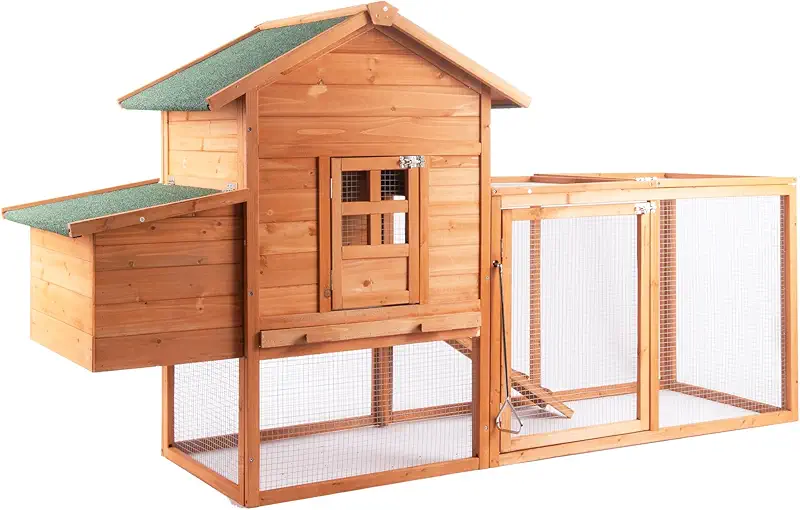
A good, chunky chip size like this lets air flow and keeps the coop drier. Think “forest path,” not sawdust.
Woods I Avoid Around Chickens
- Cedar – Smells wonderful to us, hard on chicken lungs. I learned that the hard way with some wheezy pullets years ago.
- Black walnut – Can be toxic to many animals. I keep it far away from any livestock bedding.
- Freshly ground green chips – Too wet and too strong. I let them age outside first.
- Treated or painted wood – No fence boards, no construction scraps, nothing that’s seen chemicals.
If you’re ever unsure about a load of chips, I like to do the “nose test.” Stick your face in the pile and breathe in. If it burns your nose or feels sharp in your throat, it’s too strong for a closed coop. I’ll either age it outside for a few months or just use it on garden paths.
How Deep Should Wood Chips Be In The Coop?
This is one of the questions I get the most. On my farm, I treat wood chips for chicken coop bedding like a slow‑moving compost pile under the birds. Deep enough to absorb and compost droppings, but not so deep that it stays wet.
As a rule of thumb, I start with about 4–6 inches of chips on the floor of the coop. In winter, I might build that up to 8 inches or more as I add clean chips on top. By spring, I’ve got a beautiful, half‑finished compost waiting for the garden.
My Simple Layering Routine
- Start clean. Scrape the coop floor and let it dry on a decent day. Good ventilation is your best friend.
- Add a starter layer. Spread 3–4 inches of dry wood chips evenly over the floor, paying attention to corners.
- Build up over time. Every week or two, add another light layer where you see wet or dirty spots, especially under the roosts.
- Turn the litter. Use a garden fork or rake to fluff and mix the chips and droppings. I like to do this on a dry afternoon.
- Reset when needed. Once the coop smells earthy instead of barn‑fresh but starts to stay damp, that batch goes to the compost pile.

Fresh layer of chips going in. I tell the hens it’s “new flooring day” and they act like I’m some kind of interior designer.
If you step into the coop and your boots sink down with a gentle “crunch” instead of a “squish,” you’re about right. It should feel like walking on a dry forest trail, not a swamp or a concrete pad.
Using Wood Chips For Deep Litter In The Coop
A lot of us old‑timers use a version of the deep litter method. That’s just a fancy way of saying we let manure and bedding build up into a slow‑composting layer, instead of stripping it out every week. When done right, using wood chips for chicken coop deep litter keeps things warm, dry, and surprisingly low‑odor.
On a cold January morning, you can scratch down a few inches into the litter and feel gentle warmth coming up. That’s the composting action. Just don’t tell your hens you’re composting under their feet; they act like it’s a secret.
Keys To Deep Litter Success With Wood Chips
- Start with dry chips. Never begin deep litter over damp or muddy floors. You’ll lock the wet in, and the smell will remind you for weeks.
- Ventilation, ventilation, ventilation. Fresh air up high in the coop lets moisture escape and keeps ammonia low.
- Keep adding carbon. Droppings are “nitrogen,” wood chips are your “carbon.” When it looks or smells too rich, add more chips.
- Turn it regularly. I like to give it a good fluff every week. The hens help, but their idea of “even” is not the same as mine.
- Remove and rest. Once or twice a year, I take most of it out and give the coop a fresh start.
Used this way, wood chips quietly turn a chore into a resource. Instead of dragging out stinky waste, you’re growing future fertilizer. My tomatoes and sweet corn have been thanking my chickens for years.
Wood Chips In The Chicken Run Vs. Inside The Coop
I don’t only use wood chips for chicken coop floors. I also put them out in the run where the birds spend their days. The way I look at it, the coop is the bedroom and the run is the playground. Both do better with the right ground cover.
Using Wood Chips Inside The Coop
- Focus on dryness. Chips here should stay mostly dry, except around the waterers and under the roosts.
- Use finer chips. Medium‑sized chips are easier to walk on and stir inside a tight space.
- Watch the waterers. If you spill, add a fresh layer right away so the damp doesn’t spread.
- Check corners. Those are the first spots to cake up with droppings and need a top‑off.
Wood Chips In The Run
- Go bigger and rougher. Larger wood chips or chunks handle rain and mud better outside.
- Build up from mud. On bare dirt, I lay 3–4 inches of chips to give the girls a dry place to stand.
- Turn and top up. A rake every couple of weeks keeps it from packing down into a mat.
- Rotate if you can. If you can move your run or open a new area, old chips become future garden mulch.

Outside run layered with rough chips. Beats standing in mud, and it keeps eggs cleaner when the hens head back to the nest boxes.
Before I started using wood chips in the run, wet spells would turn the yard into a painting of “Brown Boots Stuck In The Slop.” These days, the hens stay cleaner, and the eggs show it. Less mud on their feet, less dirt on the shells.
How Often To Change Wood Chips In A Chicken Coop
Folks love a schedule, but chickens and weather don’t read calendars. How often you change wood chips for chicken coop bedding depends on how many birds you have, how big the coop is, and how well it’s ventilated.
On my farm, with a medium‑sized flock, I rarely “strip it all out” more than once or twice a year inside the coop. Instead, I keep adding fresh chips on top and stirring. The top always looks and smells clean, and the lower layers slowly break down.
My Rule Of Nose And Boots
- Trust your nose. If you smell sharp ammonia when you open the coop, you need more chips, more cleaning, or more ventilation.
- Watch your boots. If they come out damp or sticky, the bedding is too wet or too shallow.
- Look at the hens’ feet and feathers. Constantly dirty feet or breast feathers mean your bedding is staying wet.
- Check under the roosts. That zone tells the truth. If it’s caked and heavy, scoop out and refresh.
In summer, I tend to remove more spent litter because things break down faster. In winter, I pile it deeper and let the composting warmth do some of the work for me. Either way, once the litter looks more like compost than chips, it’s time to give it a new job in the garden.
Turning Used Wood Chips Into Garden Gold
One of my favorite things about using wood chips for chicken coop bedding is what happens after they’ve done their job. All that scratching, dropping, and composting turns them into some fine fertilizer.

Old coop chips resting in a compost corner. Give them time and they turn into dark, crumbly soil the garden loves.
How I Handle Old Wood Chips
- Move them to a compost pile. I like a dedicated corner where I dump old bedding and cover it with spent hay or leaves.
- Let them rest. Chicken manure is strong. I give it several months (often one full season) before it goes near tender plants.
- Turn it now and then. A fork or loader if you’ve got one will speed things along nicely.
- Use on trees and shrubs first. I start with fruit trees and berry bushes before I put it in the vegetable garden.
Over time, those wood chips break down into dark, sweet‑smelling compost that makes a tomato plant think it’s on vacation in paradise. It’s nice seeing the full circle: feed the chickens, collect the eggs, compost the bedding, feed the soil, and back again.
Common Mistakes With Wood Chips In The Coop (And How I Learned Better)
I’ll be honest: I didn’t get wood chips for chicken coop bedding right the first time. Or the second. Or maybe the third. If my early mistakes can save you some trouble, it’s worth sharing them.
Mistake #1 – Using Fresh, Sappy Chips
One year a tree crew dropped a big load of fresh chips from a pine they’d just trimmed. I was thrilled—free bedding! I filled the coop, and within a day or two the smell was so strong my eyes watered every time I checked the hens. The birds weren’t too happy either.
Lesson learned: if chips are fresh and green, I let them sit outside and age for a few months before they get anywhere near the coop. Once they lose that sharp, sappy smell, they’re fine.
Mistake #2 – Not Enough Ventilation
Another time I packed the coop with nice dry chips but left the windows mostly closed because it was cold. Moisture built up, ammonia rose, and the litter couldn’t dry out. The result was a damp, cranky flock and a farmer who should have known better.
Now I always keep vents up high open, even in winter. Warm, moist air rises, and it needs somewhere to go. Dry air and good chips make a happy coop.
Mistake #3 – Letting The Litter Go Too Long
Deep litter can be wonderful, but it’s not a “set it and forget it” thing. One spring I got busy in the fields and didn’t stir or add fresh bedding for weeks. By the time I checked, the bottom layers were more swamp than soil.
These days I set small chores instead of big ones. Ten minutes with a rake here and there beats an afternoon of shoveling heavy, wet mess.

Ventilation and regular stirring matter as much as the chips themselves. The hens notice when you keep their house in good shape.
Daily And Weekly Routine With Wood Chips For Laying Hens
Laying hens pay their rent in eggs, and I figure they deserve a clean, comfortable house in return. My routine with wood chips for chicken coop bedding is simple enough that I stick to it, even on busy days.
My Quick Daily Check
- Grab the egg basket. First job is always to collect eggs and say good morning to the ladies.
- Look and sniff. I take one slow look around the floor and a good sniff of the air.
- Spot‑fix wet areas. If I see a soggy patch under the waterer, I toss a scoop of dry chips there.
- Check feet and feathers. A few hens tell you a lot. Clean birds usually mean clean bedding.
Once‑A‑Week Tasks
- Stir under the roosts. That’s where the droppings pile up most. I fluff and mix them into the chips.
- Add a light top‑up. A bucket or two of fresh chips spread around makes a big difference.
- Look at corners and edges. Those spots can hide damp, packed litter.
- Check the run. If the run chips are breaking down or getting muddy, I add a fresh layer there too.

A few minutes each week keeps the coop feeling fresh. The hens might not thank you in words, but they’ll show it in eggs.
FAQ: Wood Chips For Chicken Coop
1. Are wood chips safe to use for chicken coop bedding?
Yes, as long as you choose the right kind. Aged pine, fir, and spruce chips are generally safe and work very well. Avoid cedar, black walnut, treated wood, and fresh, sappy chips that burn your nose when you sniff them. If the pile smells strong and sharp, let it age outside before you use it. I’ve raised many flocks on good quality wood chips without trouble.
2. How deep should I put wood chips in the coop?
I start with 4–6 inches of dry wood chips and add more over time, especially in winter. If you’re using the deep litter method, you might end up with 8 inches or more by the end of the season. The important part is that the bedding feels springy and dry underfoot, not packed and wet. If it starts to smell or cake, stir and add fresh chips.
3. How often do I need to replace wood chip bedding?
Instead of replacing everything on a strict schedule, I go by what I see and smell. I add fresh chips every week or two and stir the bedding. Once or twice a year I remove most of the old litter and start over. Smaller flocks in big coops can go longer between clean‑outs. Big flocks in tiny coops need more frequent attention. When the bedding looks more like compost than chips, it’s ready for the garden.
4. Can I use wood chips in the chicken run too?
Absolutely. In fact, I recommend it. Larger, rougher chips in the run keep the birds out of mud, cut down on smell, and give them something nice to scratch through. I lay 3–4 inches over bare dirt and top it up as it breaks down. Over time, those run chips also turn into great mulch or compost once they’ve rested a bit.
5. What do I do with old wood chips from the coop?
Old wood chips mixed with chicken manure are rich in nutrients, but they’re a little too strong to put straight on plants. I move them to a compost pile and let them break down for several months. Turning the pile once in a while speeds it up. Once it looks dark and crumbly and smells like a forest floor instead of a coop, I use it around fruit trees, shrubs, and eventually in the vegetable garden.
Choosing Wood Chips For Happy, Productive Laying Hens
After decades of early mornings, frozen waterers, muddy springs, and a whole lot of clucking, I’ve come to trust wood chips for chicken coop bedding as one of the simplest ways to keep hens healthy and boxes full of eggs.
When your birds have dry feet, clean feathers, and fresh air, they lay better and stay healthier. Good chips, the right depth, and a little regular stirring do more for your flock than any fancy gadget. It doesn’t have to be complicated; it just has to be steady.
If you’re ready to set your hens up with a good floor under their feet—inside the coop or out in the run—take a look at the options that fit your setup, your climate, and your back. Your birds will tell you with their behavior and their eggs if you’ve made a good choice.

A clean, dry coop, happy hens, and a basket of eggs at the end of the day. Good wood chips help tie it all together.