
Wooden chicken coop
Wooden Chicken Coop
I’ve raised laying hens in wooden coops for more than thirty years, through blizzards, summer heat, and one very opinionated rooster. Let me walk you through what really matters when you pick a wooden chicken coop, so your birds stay safe, calm, and busy laying you breakfast.
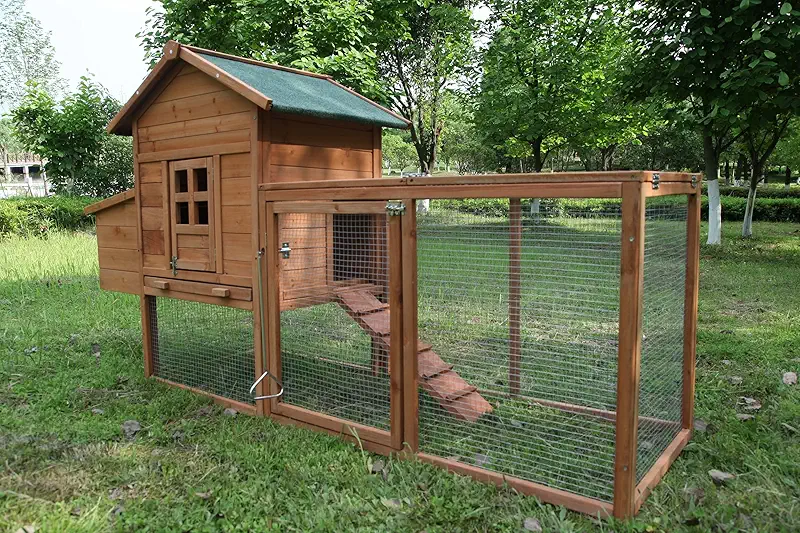
Why a wooden chicken coop just feels right
A good wooden chicken coop is more than a box for birds. It is a little barn, a shelter, and a safe home they can trust. When hens feel safe, they lay well. When they feel stressed, they stop. It is really that simple.
I started with a crooked old wooden chicken coop my grandfather dragged out of a hedge row. We patched it with barn boards and roofing nails. It was far from pretty, but the hens loved it. Over the years I have tried plastic, metal, and all kinds of homemade ideas. Wooden coops are the ones I keep coming back to.
Wood breathes a bit, keeps the coop quieter, and just feels more natural. On cold mornings when I open the door, the coop smells like dry shavings and warm feathers, not condensation and rust. If you are just starting, or you are upgrading from a wobbly little starter coop, a solid wooden chicken coop is a fine choice.
The simple things that matter most
Folks get hung up on fancy features and cute paint colors. Hens do not care one bit if the trim matches the garden shed. They care about four basic things:
- Staying safe from raccoons, foxes, and neighborhood dogs
- Staying dry and out of the wind
- Getting fresh air without drafts right on their backs
- Having enough space to move, roost, and lay in peace
If a wooden chicken coop gives them those four things, you are already ahead of half the backyard setups I see when neighbors call me for help.
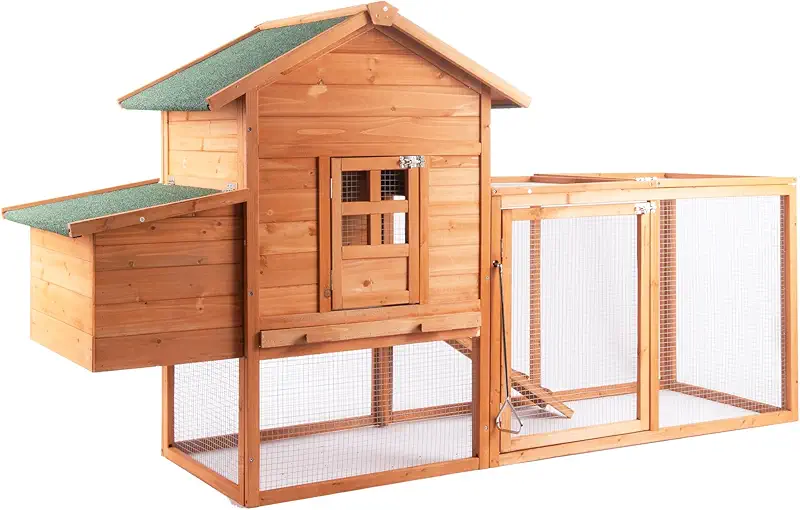
A tidy wooden chicken coop with a simple run and secure doors can keep your hens comfortable through all four seasons, as long as you mind airflow and predators.
How big should your wooden chicken coop be?
This is the first question I get at the farm stand, usually right after, “How many eggs will I get?” The answer to both is, “It depends, but do not crowd them.” Crowded hens get cranky. Cranky hens pick on each other and stop laying.
A good rule of thumb for a wooden chicken coop is:
- Inside the coop: 3–4 square feet per hen if they also have an outdoor run
- Outdoor run: 8–10 square feet per hen, more if you can spare it
- Roost space: About 8–10 inches of perch per hen
- Nesting boxes: One box for every 3–4 hens
When in doubt, choose the bigger wooden chicken coop. I have never once said, “Boy, I wish I had gone smaller.” But I have stood inside a tiny coop with ten overstuffed hens, getting pecked in the shins, thinking, “We messed up here.”

From compact backyard wooden coops to larger walk-in sheds, size and layout matter more than fancy trim when it comes to happy, steady-laying hens.
Thinking about future flocks
If you start with four hens, you might think a small wooden chicken coop is enough. But then a neighbor offers you two more pullets, or you see a breed you fall in love with. Suddenly that little coop feels like a crowded bus.
I like coops that are easy to walk into and clean. Being able to stand up inside, or at least lean in without crawling, makes everything easier: refilling feeders, checking birds at night, and cleaning out the litter. When you look at a wooden chicken coop, picture yourself inside with a shovel and a bucket. If that picture makes you groan, look for something roomier.
What makes a wooden chicken coop strong and safe
Predators will test every weak point you give them. Raccoons have hands like little burglars. Foxes can dig like a backhoe. Dogs can chew and slam against doors. A pretty wooden chicken coop that is not secure just looks like “drive‑through dinner” to them.
Things I always check before trusting a coop
- Wood thickness: Panels should feel solid, not like a fruit crate. Thicker walls hold screws better and last longer in bad weather.
- Framing: The frame should not wobble when you give the coop a good shake. If I can rattle it, a raccoon can, too.
- Hardware cloth, not chicken wire: Chicken wire keeps chickens in, but it does not keep predators out. Look for 1/2 inch hardware cloth on windows and vents.
- Locks: Simple latches that flip up are an invitation for raccoons. I like latches that snap or carabiners you have to pinch to open.
- Floor: A solid wooden floor, or wire mesh under the base, keeps digging predators from coming up through the bottom.
I learned about weak doors the hard way. Years ago, I had a nice little wooden chicken coop with a cute front door that shut with a small hook. One clever raccoon figured that hook out. I found feathers in the morning and an empty roost.
After that, I stopped judging hardware by how it looked and started judging it by how it felt in my hand. Solid hinges, decent screws, and real latches mean more to your hens than any flower box or window trim.

Strong hinges, tight panels, and hardware cloth on openings are what turn an ordinary wooden chicken coop into a safe nighttime fortress for your flock.
Ventilation: fresh air without a cold draft
A lot of new chicken keepers are scared of cold, but what really hurts hens in a wooden chicken coop is damp air. Chickens breathe out moisture, and so does their manure. If that moisture has nowhere to go, it settles on combs and toes and turns into frostbite when it is cold.
Good wooden coops have vents up high, near the roof line, so the warm, moist air can escape without blowing a draft across the birds while they sleep. In summer, you want plenty of airflow. In winter, you want steady, gentle ventilation, not a gale.

Look for high vents and windows you can open and close as the seasons change. A well-ventilated wooden chicken coop stays dry and keeps respiratory problems away.
Easy ways to keep the air sweet
- Choose a wooden chicken coop with vents on at least two sides for cross‑breeze.
- Cover vents with hardware cloth so you can leave them open at night.
- Position the main opening away from the strongest wind you get on your property.
- Use dry pine shavings or straw and spot‑clean wet spots regularly.
I once tried to “seal up” a coop to keep every bit of heat in during a cold snap. Within a week, the smell told me I had made a mistake. The birds were fine once I opened the vents back up. Dry air is warmer than damp air, even if the thermometer reads the same.
Inside layout: roosts, nesting boxes, and everyday chores
A good wooden chicken coop makes your daily chores quick and simple. If collecting eggs or refilling water is a wrestling match, you will start putting it off, and things go downhill from there.
Roost placement
Chickens sleep on roosts because that feels safe. Inside your wooden chicken coop, the roosts should be:
- Higher than the nesting boxes, so hens do not sleep in the nest and foul the eggs
- Made from wood, 1.5–2 inches wide, with rounded edges so feet can rest easy
- Far enough from the wall that their tails do not rub all night
I like removable roost bars. Makes it simple to pull them out, scrape them off, and put them back in. One of my older coops had permanent roosts, and I had to twist myself like a pretzel to clean around them.
Nesting boxes hens actually use
Hens like nests that feel quiet and dim. Place the boxes away from the main traffic path and not right under a drafty window. I tuck a little extra straw in the corners to make it cozy. My grandkids call it the “egg hotel.”
Good wooden chicken coops usually have side doors or lift‑up roofs over the nesting boxes. That makes egg collecting a quick job, even in the rain or snow. Just be gentle with the lid so you do not surprise a hen in the middle of laying. They complain, and they mean it.
Think about where your feeder and waterer will hang or sit. You want the birds to reach them easily, but you do not want them right under the roosts, or you will be cleaning them all the time.

Well-placed roosts and nesting boxes in a wooden chicken coop keep the night calm and the morning egg collection simple, even when you are half awake with a coffee in hand.
Keeping a wooden chicken coop clean without breaking your back
I am not afraid of hard work, but I do like smart work. A wooden chicken coop is much easier to keep tidy if you think about cleaning from day one. Cleaning is not just about looks; it is about keeping mites, smell, and illness away.
Features that make cleaning easier
- Big doors: So you can get a shovel or rake inside, not just your hands.
- Removable trays: Pull‑out droppings trays under the roosts can save time, especially in smaller coops.
- Raised floor: A coop up on legs stays drier and lets air flow under it.
- Smooth surfaces: Inside wood sealed or painted with poultry‑safe finish is easier to scrape than raw, rough boards.
My winter routine is simple: quick scrape under the roosts every few days, full clean-out a few times a year, and a sprinkle of fresh shavings when things look tired. With a good layout, that whole job takes less time than it does to drink a cup of coffee while chatting with the hens.

Trays, wide doors, and raised floors turn cleaning a wooden chicken coop from a dreaded weekend project into a quick, simple routine.
How long does a wooden coop last?
With decent care, a wooden chicken coop can last many years. The first thing to go is usually the roof or the very bottom edges, where snow and mud pile up. A little attention each year goes a long way:
- Touch up paint or sealant on exposed wood before winter.
- Check for soft, spongy spots and replace boards early.
- Keep tall grass and weeds trimmed away from the base.
- Make sure water drains away from the coop, not toward it.
I have one plain wooden chicken coop that is over fifteen years old now. It has a few scars, just like me, but it is still dry and solid. A couple of afternoons of small repairs each year have kept it going.
Setting up your wooden chicken coop for the first time
When your new coop shows up in boxes or fully built, it is tempting to drag it to the first flat spot and call it done. That is how you end up carrying water uphill twice a day or trudging through mud every time you check eggs.
Choosing the right spot
- Higher ground: Pick a spot that does not turn into a puddle after a rainstorm.
- Some shade: Afternoon shade keeps a wooden chicken coop cooler in summer.
- Close to water and power: You will thank yourself in January when you do not have to drag hoses and cords very far.
- Visible from the house: A quick glance out the window can tell you if something looks wrong.
Think about your path in winter. I have one coop I can reach by walking on packed gravel instead of bare ground. On icy mornings, that small choice has saved me from landing on my backside more than once.
Letting the flock move in
Once your wooden chicken coop is set, add bedding, hang the feeder and waterer, and check for sharp edges or loose screws. I like to leave the hens shut in the new coop for a day, with food and water inside, so they understand where “home” is.
The first night, you may need to gently place each hen on the roost. After a couple of nights, they usually march in on their own at dusk. Chickens are creatures of habit. Give them a safe, comfortable wooden coop, and it quickly becomes their favorite habit.

A well-placed wooden chicken coop with a dry path, some shade, and good drainage turns daily chores into a pleasant walk instead of a slippery hike.
Wooden chicken coop FAQ
1. How many hens can I keep in a small wooden chicken coop?
For a small backyard wooden chicken coop, I like to stay around 3–4 square feet per hen inside, plus an outdoor run. So if the inside floor is 12 square feet, I would not keep more than three, maybe four birds there. You can squeeze more in, but they will fuss, pick feathers, and lay less. Giving them a little elbow room pays you back in eggs and calm behavior.
2. Do wooden coops stay warm enough in winter?
Most healthy laying hens handle cold better than heat. A solid wooden chicken coop with dry bedding, good roof, and no direct drafts is usually enough in many parts of the U.S. I only add safe supplemental heat in the bitter, biting cold, and even then I am careful. Dry air, deep bedding, and steady ventilation are more important than chasing a specific temperature. If your water is not freezing solid inside, your coop is doing pretty well.
3. How often should I clean a wooden chicken coop?
I like to do quick touch‑ups several times a week and a deeper clean every month or two, depending on how many birds I have in there. Under the roosts is the main trouble spot; scrape that area every few days and top up with fresh shavings. A wooden chicken coop stays fresher when you do small jobs often instead of waiting until the smell tells you it is way past time.
4. Will a wooden chicken coop attract mites or parasites?
Mites and lice are more about birds and wild visitors than about the wood itself. Any coop can get them if wild birds share the space. The nice thing about a wooden chicken coop is that you can seal cracks, paint interior surfaces, and dust crevices with whatever poultry‑safe treatment you prefer. Regular checks under wings and around vents, plus a clean, dry coop, keep problems small and manageable.
5. Should I buy a prebuilt wooden chicken coop or build my own?
I have done both. If you enjoy tools, have spare lumber, and time on your hands, building your own can be satisfying and sturdy. But many folks are busy or new to carpentry. A decent prebuilt wooden chicken coop gets you started right away, and you can still add your own touches over time. Walk through the basics we discussed—space, strength, ventilation, and cleaning—and choose the option that fits your life, not just your toolbox.
When you are ready to give your hens a safe, cozy home, take a slow look through the different styles and sizes of wooden coops and picture them right there in your yard.
I’ll explore coops now