
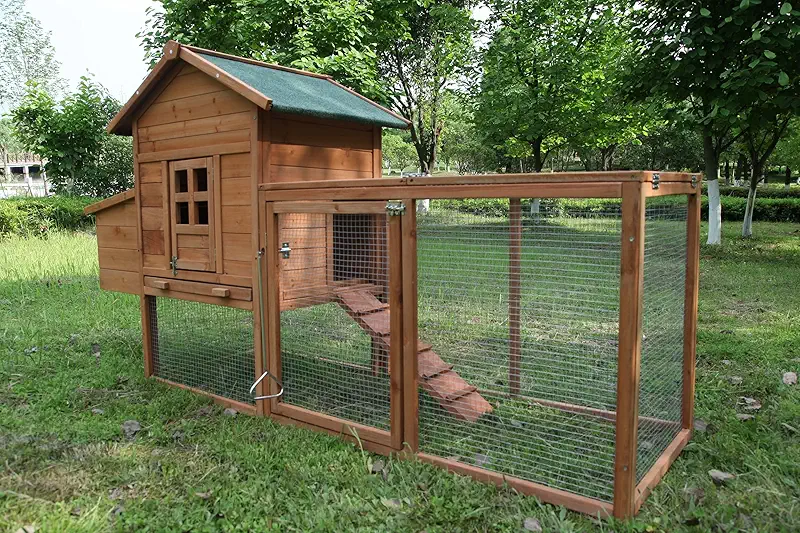
Why an XXL chicken coop changes everything
When I started out, I thought a simple little coop would do the job. A few pallets, some scrap tin, and I called it “good enough.” The hens did not agree. Within a month, I had pecking, feather loss, grumpy birds, and eggs laid in every corner of the barn except the nests I built.
The day I moved my flock into a bigger, well-planned XXL chicken coop was the day things calmed down. The hens spread out, the bossy ones had less reason to bully, and egg production picked up like someone flipped a switch. Space doesn’t just keep birds comfortable; it keeps them productive and peaceful.
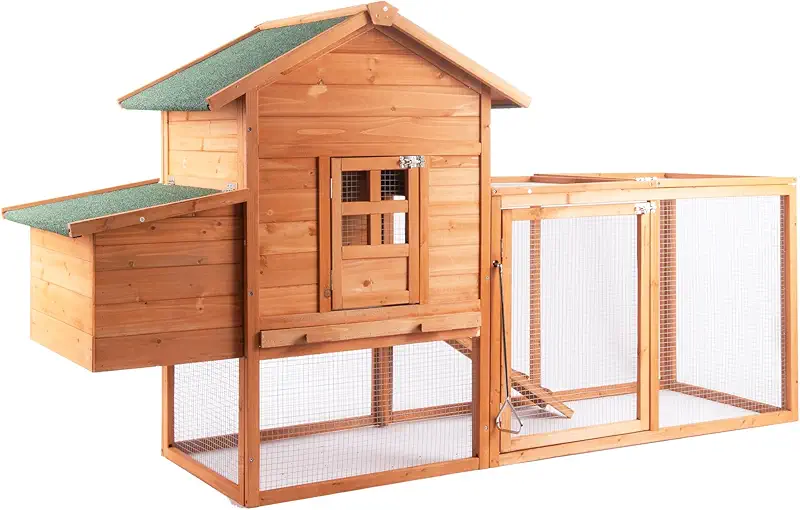
How much space do hens really need?
Folks ask me all the time, “How many chickens can I put in this coop?” And I always answer, “Less than you think.” Overcrowding is the fastest way to turn a sweet flock into a feathered bar fight.
- Inside the coop: aim for about 4 square feet per standard hen.
- In the run: about 8–10 square feet per hen keeps legs stretching and boredom down.
- Roost space: around 8–10 inches of perch per bird.
- Nesting boxes: one box for every 3–4 hens.
An XXL chicken coop gives you breathing room. You’re not cramming birds wing to wing, and you’re not forced to say “no” when that neighbor offers you a few more pullets “you just have to take.”
Key features I look for in an XXL chicken coop
Over the years, I’ve seen fancy coops that look pretty in a picture but fall apart after the first big storm, and I’ve seen simple solid ones that stand for years. When I look over a large coop, here’s what I pay attention to.
1. Strong frame and roof
Out here, if the wind doesn’t test your coop, the snow load will. A good XXL chicken coop has a solid frame, tight joints, and a roof that doesn’t sag. I like to see sturdy wood or well-finished metal, not something that feels wobbly when you push on it.
2. Safe wire and hardware
Predators don’t knock; they dig, chew, and squeeze. Look for hardware cloth instead of flimsy chicken wire on openings. Doors should close tight, with latches that a clever raccoon can’t flip open like a kid opening a cookie jar.
3. Easy to clean
If cleaning your coop feels like digging a well with a spoon, you won’t keep up with it. I want big access doors, pull-out trays if possible, and enough headroom inside so you’re not crawling around on your knees.
4. Ventilation without drafts
Chickens breathe out a lot of moisture. A large coop needs vents high up under the roof to let warm, damp air out without blasting cold air on their backs. Good XXL coops balance airflow and warmth, especially in winter.

My first “too small” coop and what it taught me
My first serious laying flock had twelve hens. I figured a mid-sized coop was plenty. Then, like most farmers, I “accidentally” ended up with twenty birds the next spring. The coop didn’t grow with them.
I started noticing bare backs on the lower hens in the pecking order. Egg shells got thinner, and some girls started sleeping in the nesting boxes instead of on the roosts. When chickens sleep in the boxes, you end up with eggs wearing little manure hats every morning. Not my favorite breakfast accessory.
Once I upgraded to a roomy XXL chicken coop with plenty of roosting space, the mood changed. Those picked-on hens had room to dodge the bossy ones. Birds spread out on the roost like clothes on a line, and the nests stayed cleaner. It reminded me that more space isn’t just a luxury; it’s a form of flock insurance.
Designing the inside of your XXL chicken coop
The size of the coop is one thing, but how you use that space makes all the difference. Think of the coop like a little barn: sleeping area, egg-laying area, eating area, and a place to scratch around.
Roosts: bedtime real estate
Chickens like to sleep higher up, but they also like to be level with each other. If the roosts are all at the same height, they’re less likely to fight for the “best” spot. I like sturdy wooden 2x4s with the wide side up, so their feet stay warm in winter.
In a large coop, put roosts where droppings will fall on an easy-to-clean area, not right over the feed or water. You only make that mistake once.
Nesting boxes: where the magic happens
For an XXL chicken coop, I like generous nesting boxes set slightly off the floor but lower than the roosts. If the nests are higher than the roosts, chickens will sleep in them, and that turns into a mess quick.
I line boxes with straw or shavings, and I like a little lip on the front to keep bedding from spilling out. Even with ten nice boxes, most hens will still argue over the same two. Chickens like to keep us humble.

Feeders, waterers, and traffic flow
In a big coop, it’s easy to tuck feeders and waterers in a corner and forget about them. But I like to place them where I can reach them without climbing inside like a contortionist. Hens should be able to eat and drink without blocking doorways or nesting boxes.
I’ve learned to hang feeders just about back-height for the birds, so they can reach in but don’t kick shavings into the feed all day. Waterers stay on a block or low stand to cut down on spilled bedding and muck.
Keeping hens safe in an XXL run
A big coop usually comes with a big run, and that’s where hens spend most of their waking hours. Out here, I’ve got hawks up above, foxes in the fields, and the occasional stray dog who thinks chickens are squeaky toys.
When I’m looking at a large run setup, I want to see:
- Sturdy fencing, not floppy netting you can push over with one hand.
- Wire buried or flared out at the bottom to slow down digging predators.
- Good gate hardware that closes without big gaps.
- Some covered area so hens can dust bathe and wander on rainy days.
A solid XXL chicken coop and run combo means I can sleep at night without wondering what I’ll find in the morning.

Winter, summer, and the big-coop advantage
Weather is the real boss on any farm. An XXL chicken coop gives you more options when Mother Nature decides to throw a fit.
Winter in a large coop
In the cold months, I care more about dry and draft-free than “toasty.” A larger coop lets birds spread out but still share body heat. With good bedding and ventilation, the air stays fresh without chilling their combs and wattles.
I’ve ridden out some wicked cold snaps with hens tucked into a roomy coop, and as long as it’s dry, they handle it better than you’d think. Chickens are tougher than they look, especially when the coop is well built.
Summer heat and airflow
Summer’s another story. In the heat, that extra space really pays off. Birds can move to cooler corners, spread wings, and pant without piling on each other. Doors and windows propped open (with predator-proof screens) keep the air turning.

Daily life with an XXL chicken coop
A big coop changes your chores too. When you can walk in, stand up straight, and move around, you’re more likely to keep up with the work. I’m not twenty anymore, and my back appreciates a coop I don’t have to crawl into.
My morning routine is simple: open the pop door, check feed and water, quick look at the flock, and grab the eggs the early birds already laid. In the evening, one more pass through, make sure everybody’s in, and lock the doors. A well-laid-out XXL chicken coop lets you do all that in a few calm minutes.

Signs your flock is ready for an XXL chicken coop
If you’re wondering whether a bigger coop is worth it, look at your birds. They’ll tell you more honestly than any brochure.
- Hens jostling and squabbling at roost time, pushing each other off the bar.
- Bare patches on backs and tails from bullying and over-mating.
- Eggs turning up in random corners instead of nesting boxes.
- Strong smell in the coop even after you’ve just cleaned it.
- Condensation on windows and walls in cool weather.
When I see those signs, I know it’s time to give the girls more elbow room. An XXL chicken coop is often the cleanest, simplest fix.
